Why Your Smartest Hire Is Probably Your Biggest Conflict Risk
%201.avif)

The hire of the year started on a Tuesday.
She had been the top operator at a much larger company. Her reference calls were the best the founder had ever taken. She questioned everything and improved most of it. Her first ninety days were the strongest onboarding the leadership team had seen.
By month six he was avoiding meetings with her.
Not consciously. He rescheduled. He looped in a proxy. He kept exchanges to Slack. He told his COO he thought she might not be the right fit, that her style was aggressive.
His COO listened, then said, "She is doing exactly what you hired her to do. You are the one who changed."
What had changed
He had spent twelve years building the company. He had made every major decision and won every major argument. His pattern for handling pushback was well worn. Listen for a beat, restate the objection in a softer form, explain why the original decision was correct.
The pattern worked for twelve years. It worked because nobody was willing to push back a second time.
She pushed back a second time. Every time. Not to fight, but to think out loud until the answer was actually right. That was the skill he had hired her for.
His nervous system could not tell the difference between her second pushback and a threat.
The collision, biologically
When a high-agency person challenges a leader and it lands with any force, the leader has two available responses. Hear the challenge and reconsider the position. Or hear the challenge as an attack on the position, on the identity behind it, or on themselves.
The second is not a character flaw. It is what happens when the amygdala reads a challenge as threat before the prefrontal cortex gets a chance to evaluate it. Cortisol rises. The active listening most leaders believe they are doing goes offline. What comes out next is defense, not evaluation.
Do that a few times and the high-agency person notices. Do it repeatedly and they start softening their challenges. Do it long enough and they stop. They either leave or they shrink into someone smaller than the person you hired.
He had nearly turned a great hire into a smaller version of herself in six months.
The instruction his COO gave him
She did not tell him to fix his response in the moment. She told him to stop trying.
Instead she gave him a script. Before responding to any pushback from the new hire, he was to say one sentence. "Let me sit with that for a second."
Then be quiet. Not a beat. Ten or fifteen actual seconds.
He tried it the next Monday. She raised her third pushback of the hour on a strategic call. He said, "Let me sit with that for a second."
The room went silent. He could feel his own pulse in his throat. He sat through it. His reasoning came back online.
"I think you might be right. Let me hear the rest of your case."
She was surprised enough that she paused. Then she made the case. He listened. He changed the decision.
The meeting ran forty minutes long. It was the first strategic meeting in a year where he lost an argument to a peer without either of them getting defensive.
She sent him a note that evening. "Thank you for hearing me today."
He read it three times. He had not understood, until that note, how often she had been leaving those meetings feeling unheard.
What the collision was actually about
High-agency people do not leave over money. They leave over the feeling that their honesty is unwelcome.
His problem was never the hire. It was that a response system built across twelve years of running a company where nobody pushed back twice was not calibrated for the operator he had specifically hired to push back twice.
The fix required installing a delay between the pushback and his response. Not a technique. A physical pause, long enough that his nervous system stopped reading the challenge as an attack.
Once the delay existed, the collision stopped. She kept challenging. He started evaluating. They began disagreeing productively, and the company started making better decisions than it had before she arrived.
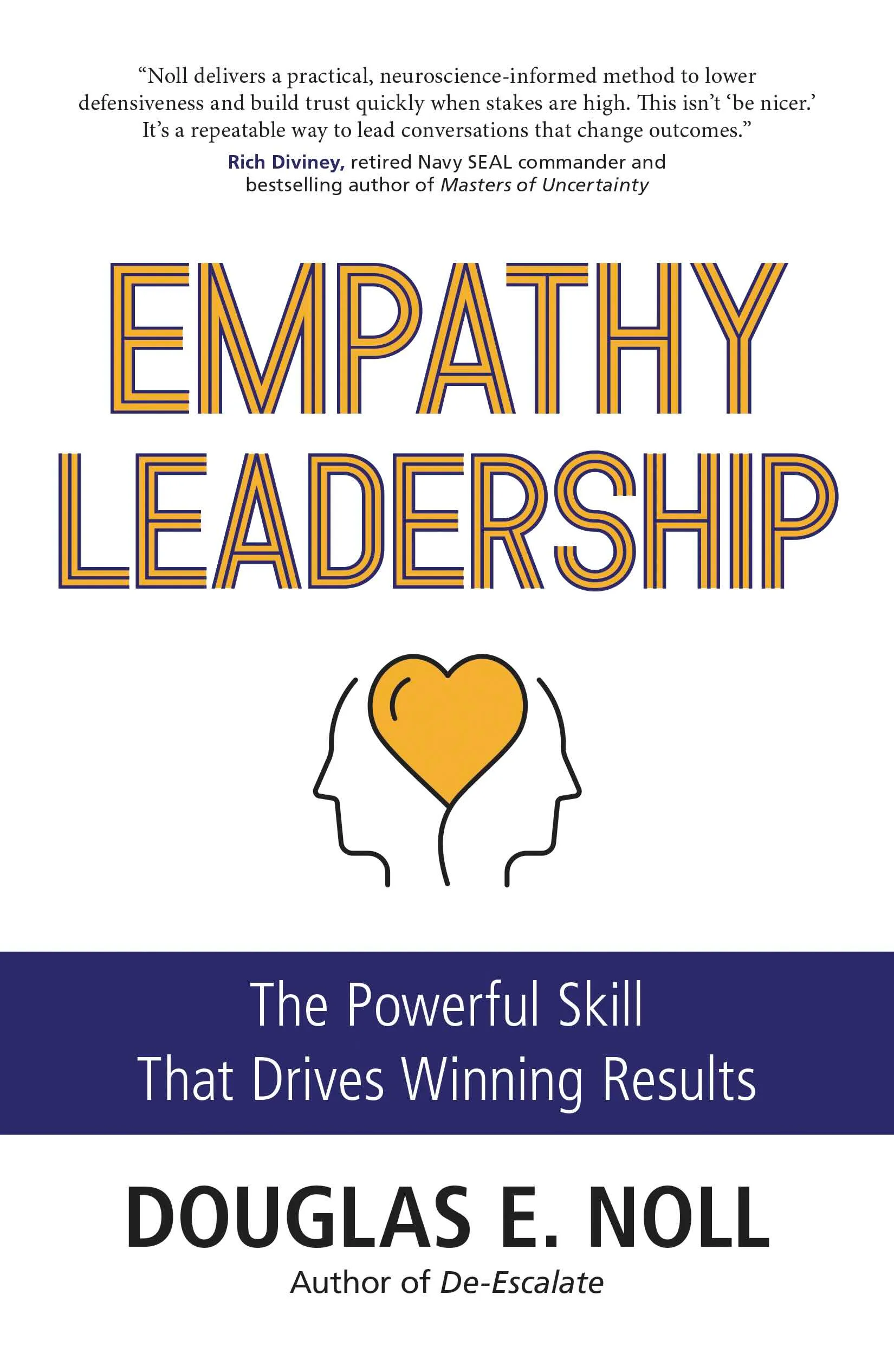
The protocol for regulating your own nervous system when a smart hire pushes back is in Doug Noll's new book Empathy Leadership: The Powerful Skill That Drives Winning Results. Pre-order it on Simon & Schuster.
The rule most founders learn expensively
If you hired someone smart and have started avoiding meetings with them, the problem is almost never the hire. Your response system has not caught up with the intensity of the person you brought in.
You cannot solve it by giving them feedback about their tone. You solve it by installing a delay in your own reaction.
Three seconds between their pushback and your first sentence is enough to change the biochemistry of the exchange. Not completely. Just enough for reasoning to arrive before defense does.
For related reads, see Handling the Brilliant Jerk and Building Trust to Stop Talent Bleed.
Two years on
She was still there. She had rebuilt three functions and grown into a president role. He described her, in reference calls for other founders, as the most valuable single hire he had ever made.
He also told those founders the reason it worked was not that she adjusted to him. He installed a three-second delay in his own head, and that delay bought back an executive he had nearly driven out for doing precisely what he hired her to do.
The delay is the whole technique.
If you have hired someone great and can feel yourself avoiding meetings with them, book a no-obligation Zoom call with Doug Noll before you conclude the hire was wrong.
Emotional Competence Shapes Your Influence as a Leader
This 90-second emotional competence quiz will tell you how your emotions affect the way you are treated at work and how to gain the respect and influence you deserve as a leader.
Take the Free Assessment
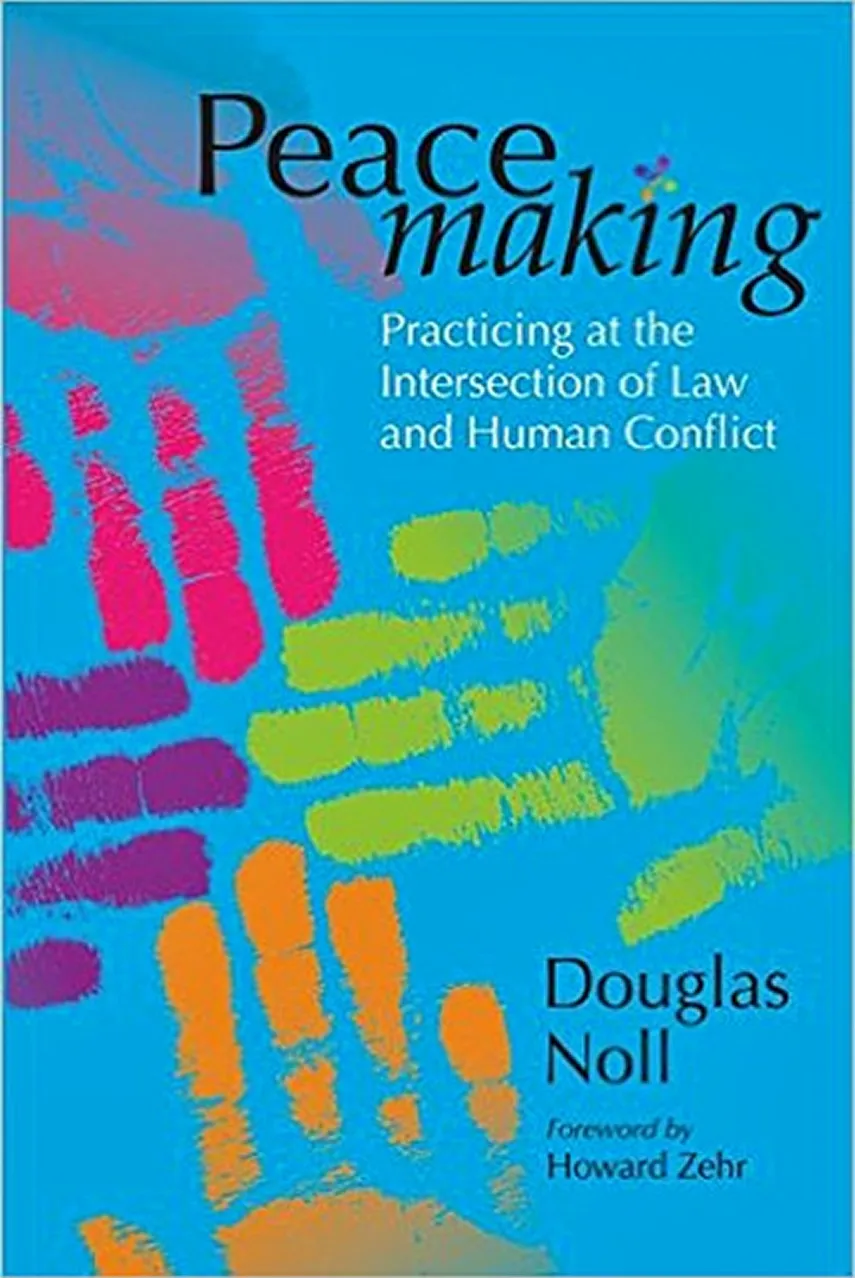
Doug’s Books
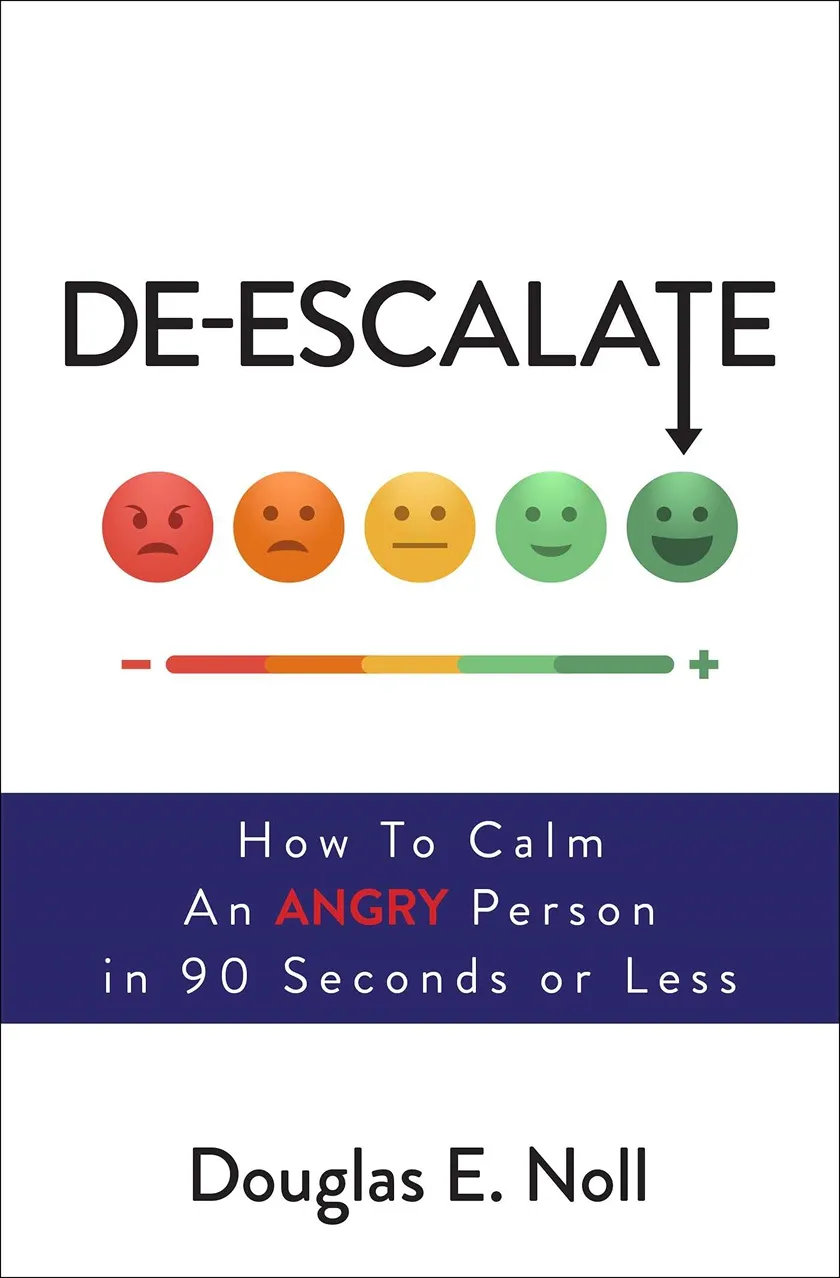
Doug has authored several books on affect labeling and emotional competency, including De-Escalate: How to Calm an Angry Person in 90 Seconds or Less, which won multiple awards and has been adopted by organizations worldwide.
More Blogs
View All

October 23, 2026
6 Powerful Reasons De-Escalation Training for Employees Doesn't Scale (and the Fix)
Read Blog

October 23, 2026
How Executive Dispute Mediation Actually Resolves a Board-Level Rupture
Read Blog

October 22, 2026
4 Critical Failures of Most Corporate Mediation (and the Approach That Works)
Read Blog