The Resignation Nobody Saw Coming Except the Rest of the Team
%201.avif)

She resigned on a Thursday afternoon. He said all the right things in the meeting. He wished her well. He offered a reference. He asked what he could have done differently. She said, "Nothing."
He went into his one-on-one with his manager the next morning and said he had been blindsided.
His manager listened for a while, then asked one question. "How many of her peers knew she was leaving before you did?"
He did not know. He asked around the following week, carefully. The answer was all of them. Every one of her peers had known for about two months. Two of them had helped her rehearse the resignation script. One of them had proofread her cover letter for the role she was taking.
What the peers had read that the manager had missed
The signals had not been hidden. They had been in a place her manager did not look, because he had not been trained to see them as signals.
She had stopped volunteering for cross-functional work in April. She had gone from being the first to speak in team meetings to being the third. Her camera-on rate on Zoom had dropped. She had taken a Friday off in May that she had not banked before. She had started leaving on time on Wednesdays, which she had never done in four years.
Her peers noticed all of it. They noticed because they were reading her the way people read each other in a room, which is with the nervous system rather than with the calendar. Something about her had gone quieter. Everyone could feel it. Nobody said it out loud. Everyone knew what it meant, because they had felt it in themselves at some point in their own careers.
Her manager had missed it because he had been reading a different signal. He had been reading her deliverables, which were on track, and her stated engagement, which was polite. Her nervous system had already left the company. Her calendar had not caught up yet.
How much is one unresolved conflict really costing your company?
What he learned to look for
He did not become an expert at reading people. He did one small thing that his previous management style had not made room for.
Every one-on-one, he stopped opening with the status update. He opened with a question about how his direct report was feeling about the work. When she answered, he named what he heard. Not a summary. A name for the emotion.
The first month it felt awkward. He was often wrong. When he was wrong, his direct reports corrected him, sometimes gently, sometimes not. The corrections were the point. He was training the muscle Doug Noll's research calls affect labeling. Naming the emotion accurately lowers activity in the amygdala for both people in the room. What was unsayable becomes sayable, which means the manager gets to hear it before the resignation letter is written.
Within three months he was catching things earlier. Not because he had become psychic. Because he had made it safe to name what everyone in the room could already feel.
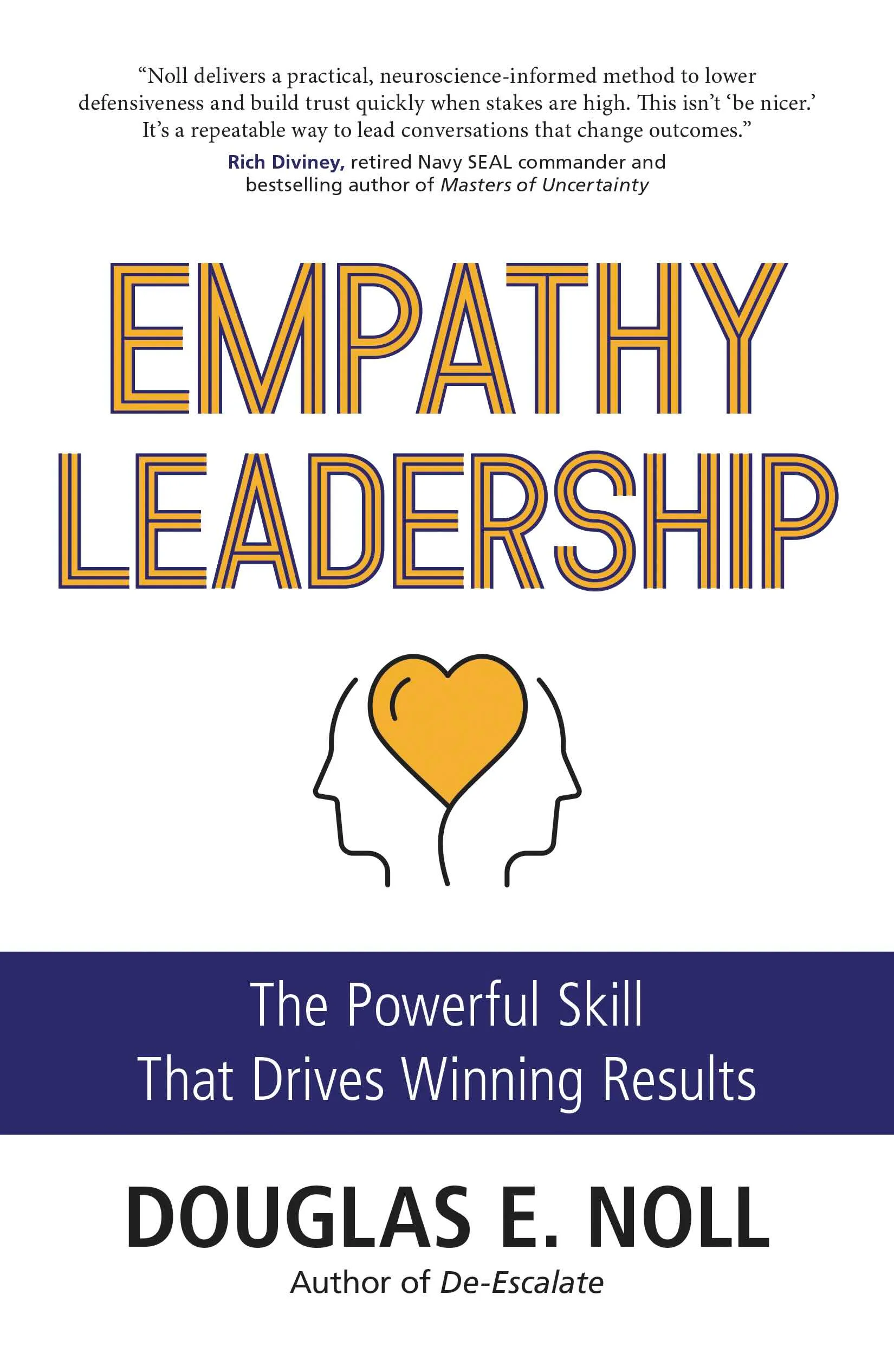
Doug Noll's new book Empathy Leadership: The Powerful Skill That Drives Winning Results lays out the specific moves managers use to read the signal everyone else has already read. See it here.
What her peers said when he asked them later
He asked one of her peers, in confidence, why nobody had told him she was leaving.
The peer took a long time to answer. Then she said, "Because you would have wanted to fix it. And she did not want it fixed. She wanted out. The kindest thing we could do for her was let her leave without a save conversation."
He absorbed that for a week.
The following month he did something he had not done before. He asked one of his other high performers a specific question in her one-on-one. "If you were thinking about leaving right now, would you tell me?" She thought about it for a while. Then she said, "Probably not. But I am not." He said, "Good. And if that changes, I want to know before your peers do."
She smiled. He did not know if he had done the right thing until eight months later, when she told him she had been offered a role elsewhere, was considering it seriously, and wanted his help thinking it through. She stayed.
Emotional Competence Shapes Your Influence as a Leader
This 90-second emotional competence quiz will tell you how your emotions affect the way you are treated at work and how to gain the respect and influence you deserve as a leader.
Take the Free Assessment
Doug’s Books
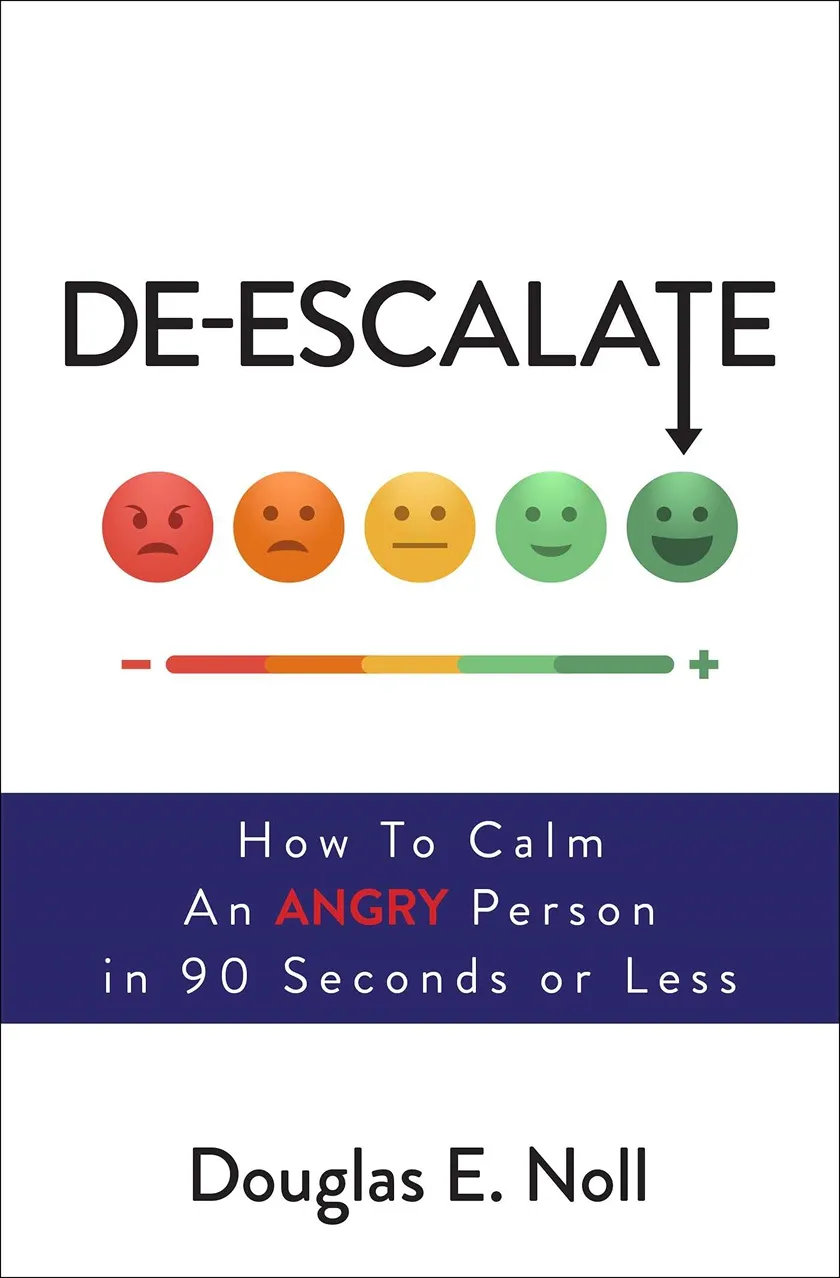
Doug has authored several books on affect labeling and emotional competency, including De-Escalate: How to Calm an Angry Person in 90 Seconds or Less, which won multiple awards and has been adopted by organizations worldwide.



More Blogs
View All

October 23, 2026
6 Powerful Reasons De-Escalation Training for Employees Doesn't Scale (and the Fix)
Read Blog

October 23, 2026
How Executive Dispute Mediation Actually Resolves a Board-Level Rupture
Read Blog

October 22, 2026
4 Critical Failures of Most Corporate Mediation (and the Approach That Works)
Read Blog