The Portfolio Company That Went Sideways on the Same Question Every Time
%201.avif)
.jpg)
It happened in four consecutive quarterly reviews before anyone noticed it was the same thing.
The meeting would run well for about fifty minutes. Then someone would ask about the enterprise segment, and the founder would go from expansive to clipped inside one exchange. The rest of the meeting would be procedurally fine and substantively useless.
The board attributed it to the segment being genuinely difficult. It was genuinely difficult. That was not why.
The question
The precise wording varied. The shape did not.
"Walk us through why enterprise is behind."
Reasonable question. Standard board question. Asked in good faith every time by directors who wanted to help.
What the founder heard, every time, was a different sentence: "Explain why you have failed at the thing you told us you would do."
The gap between those two comes down to history nobody in that room had. He had personally championed the enterprise push against the advice of his own head of sales in the year before the investment. He had put his credibility behind it in the process that led to the deal. Two of his early employees had left over the resourcing decisions it required.
So the question did not land as a request for information. It landed as an invoice, quarterly, in front of the people who could remove him.
What clipped actually was
His amygdala was doing exactly what it is for.
Under a perceived status threat with witnesses, the physiological response is fast and it degrades the specific capabilities the board needed in that moment. Working memory contracts, which is why his answers got shorter and less nuanced. Access to complex reasoning drops, which is why he stopped offering the kind of contextual insight that made him valuable. Defensive framing increases, which is why every answer became a justification.
The board was asking a strategic question and receiving a threat response, and neither side had a name for what was happening.
The compounding effect is the expensive part. Because the answers were poor, the directors probed further, which increased the threat, which degraded the answers further. Four quarters of that produced a board that had concluded the founder could not think clearly about enterprise, and a founder who had concluded the board was building a case against him.
Both conclusions were wrong. Both were reasonable given the available evidence.
The reframe
A new director spotted it in her second meeting, mostly because she was new enough to be watching the room rather than the numbers.
She did not raise it in the meeting. She called him three days later and said one thing.
"I think when we ask about enterprise you hear us asking you to defend a decision rather than explain a situation. Am I close?"
He said, "That is exactly what I hear."
She then asked whether there was a version of the question he could answer without that happening. He thought about it and said, "Ask me what I would do differently if we were starting it today."
That is the same question. It requests the same information. It removes the retrospective judgment and the implied verdict, and it puts him in the position of an analyst rather than a defendant.
At the next quarterly they asked it that way. He talked for nineteen minutes, unprompted, and gave the board a more useful read on the segment than they had received in two years. He also volunteered, without being asked, that two of the original assumptions had been wrong and that one of them had been his.
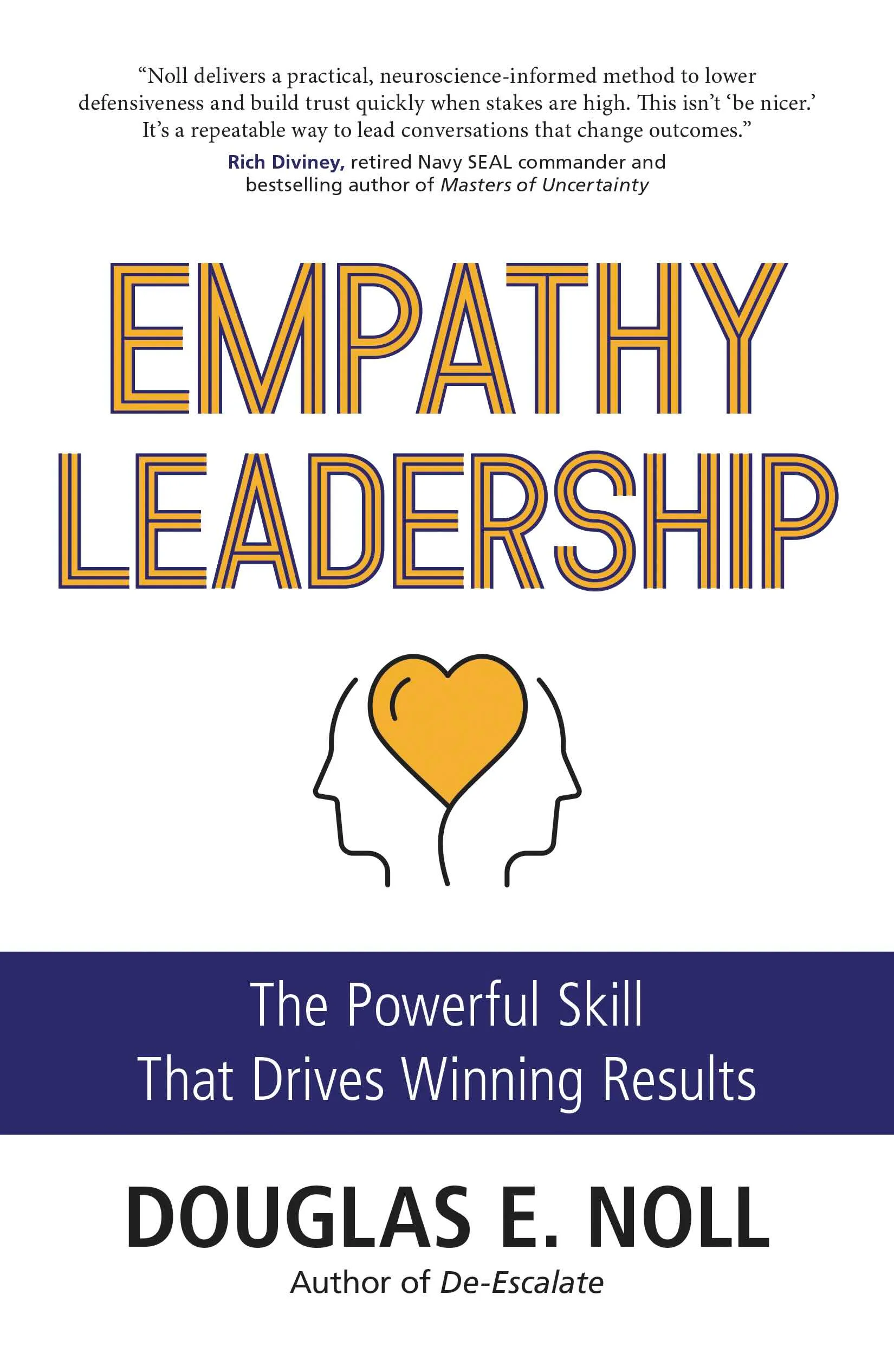
Doug Noll's new book Empathy Leadership: The Powerful Skill That Drives Winning Results covers how the framing of a question determines the quality of the answer you can receive. Pre-order it on Simon & Schuster.
Why this is not about being gentle
The board still got the information. They got substantially more of it, and they got the admission that two assumptions had been wrong, which four quarters of direct questioning had never produced.
Nothing was softened. The standard did not move. What changed was that the question was constructed so it could be answered by a functioning prefrontal cortex rather than survived by a defensive one.
This is affect labeling applied upstream. Instead of naming the emotion after the reaction, you build the question so the reaction does not fire.
The diagnostic for your own board
Look at the last four board meetings. Find the topic where the CEO's answers get shortest.
Then ask whether that topic has personal history attached to it. A decision they championed. A hire they made. A strategy they defended before the investment.
If it does, you are not getting a strategic answer to that question and you will not get one while it is framed as a retrospective on their judgment.
Change one thing: ask forward rather than backward. "What would you do differently starting today" gets you everything "why is this behind" was supposed to get you, minus the threat response.
For related reads, see Communication Failures That Kill Morale and Validation vs Agreement.
If your board keeps hitting the same wall with the same CEO on the same topic, book a no-obligation Zoom call with Doug Noll.
Emotional Competence Shapes Your Influence as a Leader
This 90-second emotional competence quiz will tell you how your emotions affect the way you are treated at work and how to gain the respect and influence you deserve as a leader.
Take the Free Assessment
Doug’s Books
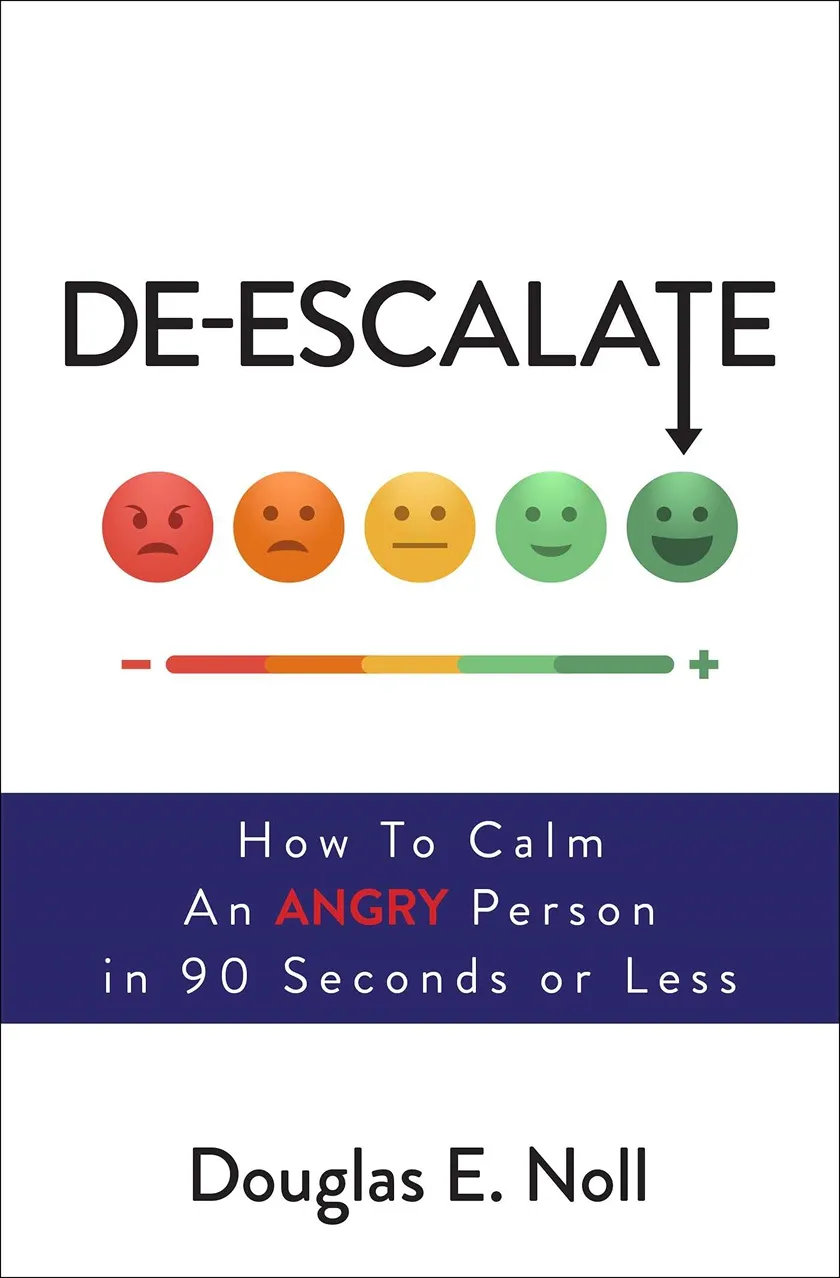
Doug has authored several books on affect labeling and emotional competency, including De-Escalate: How to Calm an Angry Person in 90 Seconds or Less, which won multiple awards and has been adopted by organizations worldwide.



More Blogs
View All

October 23, 2026
6 Powerful Reasons De-Escalation Training for Employees Doesn't Scale (and the Fix)
Read Blog

October 23, 2026
How Executive Dispute Mediation Actually Resolves a Board-Level Rupture
Read Blog

October 22, 2026
4 Critical Failures of Most Corporate Mediation (and the Approach That Works)
Read Blog