The 7 Hidden Causes of Workplace Conflict Most Leaders Never Name


The post-mortem on the three executives who had quit in six months arrived on the CPO's desk.
The exit interviews had all cited the same thing: unspecified cultural friction. The CPO had learned to read exit interviews the way a weather forecaster reads clouds. "Unspecified cultural friction" meant the real reasons had not made it onto the form. The actual causes were specific, repeating, and present in the organisation long before the executives started looking for new jobs.
Here are the seven hidden causes of workplace conflict that most leaders never name, each one specific enough to recognise once you know what you are looking for.
1. One executive makes decisions in private that have operational consequences for others
A VP of Product changes the roadmap without consulting the engineering director. A COO adjusts the operating model without discussing it with the regional heads. A CFO reallocates budget without walking the owning functions through the reasoning. In each case the decision is within the executive's authority. The friction is not about authority. It is about the pattern of making decisions without the courtesy of advance conversation with the people most affected.
This friction compounds silently. The affected executives stop raising their own early decisions with the executive who did it to them. The executive team becomes a collection of parallel decision-makers rather than a decision-making body.
The repair is specific. Name the pattern, in the one-on-one, directly. "You made the roadmap change last week without telling me, and I am going to raise this each time it happens because it is going to erode my ability to run my function."
2. The leader has a specific favourite whose work is held to a different standard
In most leadership teams there is one executive whose work is quietly held to a lower standard because the leader has an emotional investment in their success. The rest of the team notices. Nobody names it. The resentment compounds.
The friction manifests as everyone else working harder to produce the same recognition, or giving up and producing less. Neither is the actual issue. The actual issue is the differential standard. Until it is named, no amount of general performance culture work addresses it.
The repair is harder. The leader has to see the pattern in their own behaviour. External feedback almost never produces this because the leader does not experience themselves as having a favourite. The pattern has to be surfaced through specific behavioural observation, not through 360 data.
3. Two executives share a function boundary that was never properly defined
Finance and Operations. Sales and Customer Success. Product and Marketing. Any pair of functions whose boundary was not deliberately designed will produce friction. The friction is not about personalities. It is about ownership ambiguity.
The pattern is specific. Each function thinks the other should be handling a particular decision. The decision does not get made, or gets made twice differently, or gets escalated. The friction gets attributed to the two executives involved. The actual cause is the undefined boundary.
The repair is a specific session where the two executives jointly define the boundary with their reports in the room. The friction almost always drops materially within a month of the boundary being made explicit.
4. The organisation is punishing early bad news without knowing it
If leaders who raise early bad news receive subtle negative feedback (a cooler tone from the CEO in the next meeting, a slightly more aggressive follow-up question, a quiet exclusion from the next strategic discussion), the organisation is punishing early bad news. The punishment is not intentional. It is a specific pattern that is almost always invisible to the person doing it.
The downstream effect is that bad news arrives late, which produces operational crises that get attributed to the executives involved rather than to the information environment that produced the delay.
The repair requires the leader to notice their own response to early bad news and to deliberately counter-reinforce it with specific gratitude. "I want to acknowledge that you raised this in week three. That is exactly the behaviour I need." Said publicly, repeatedly, over months.
If a company is losing an average of three weeks of lead time on each of four quarterly issues because of this specific pattern, that is roughly $450,000 a year in avoidable crisis-management time. The exact number is a two-minute input in Doug's cost of conflict calculator.
5. The executive team is running on a decision cadence that is too slow for the actual environment
Monthly executive meetings produce decisions on a monthly cadence. If the business is operating in an environment that requires weekly decisions, the monthly cadence produces friction because urgent decisions have to be made outside the formal process. The informal decisions get made inconsistently, which produces conflict about who was consulted, when, and why.
The friction is attributed to the executives. The actual cause is the cadence mismatch. Running the executive meeting weekly often resolves 60 percent of the apparent interpersonal conflict in the team.
6. A specific unresolved incident is still running the team
Most executive teams have one specific incident that happened 12 to 36 months ago that is still influencing their dynamics. Nobody has mentioned the incident since. Everyone remembers it. The incident is the actual cause of a wide range of current frictions that are being attributed to other things.
The repair requires naming the incident in a facilitated session. Both parties involved acknowledge it happened. The team acknowledges that it has been running the dynamics. The incident is explicitly closed. The current frictions, suddenly, substantially reduce.
This specific intervention sounds too simple to work. In practice it is one of the highest-return single interventions available for an executive team.
7. One executive is operating from a specific unspoken fear
Each executive is usually operating from one specific unspoken fear. "I am not going to be able to deliver the Q3 number and I will be judged." "The new CEO is going to replace me." "The board is going to blame me for the fund-raising difficulty." The fear is specific, often accurate, and almost never named out loud.
The fear produces behaviour that reads as hostile, defensive, or withholding to the rest of the team. The behaviour gets attributed to the executive's personality. The actual cause is the specific fear.
Doug Noll teaches Decision-Making Under Stress and Conflict at Pepperdine's Straus Institute, has mediated complex business disputes for 25 years, and co-founded the Prison of Peace Project. His work with executive teams focuses on surfacing the specific hidden causes that are driving apparent interpersonal conflict.
If your executive team is losing time and senior talent to unspecified cultural friction, Doug runs a 20-minute diagnostic call to identify the specific hidden causes. Book 20 minutes with Doug.
The CPO's second review
She identified three of the seven causes operating in her executive team. Over the following six months each one was addressed specifically. The next quarterly post-mortem on executive attrition showed no senior exits.
For related reads, see resolving workplace conflict without a lawsuit and the six hidden signs of emotional invalidation at work.
Workplace conflict usually has specific hidden causes. The seven above cover most of them. Naming them is the first and often the only intervention required.
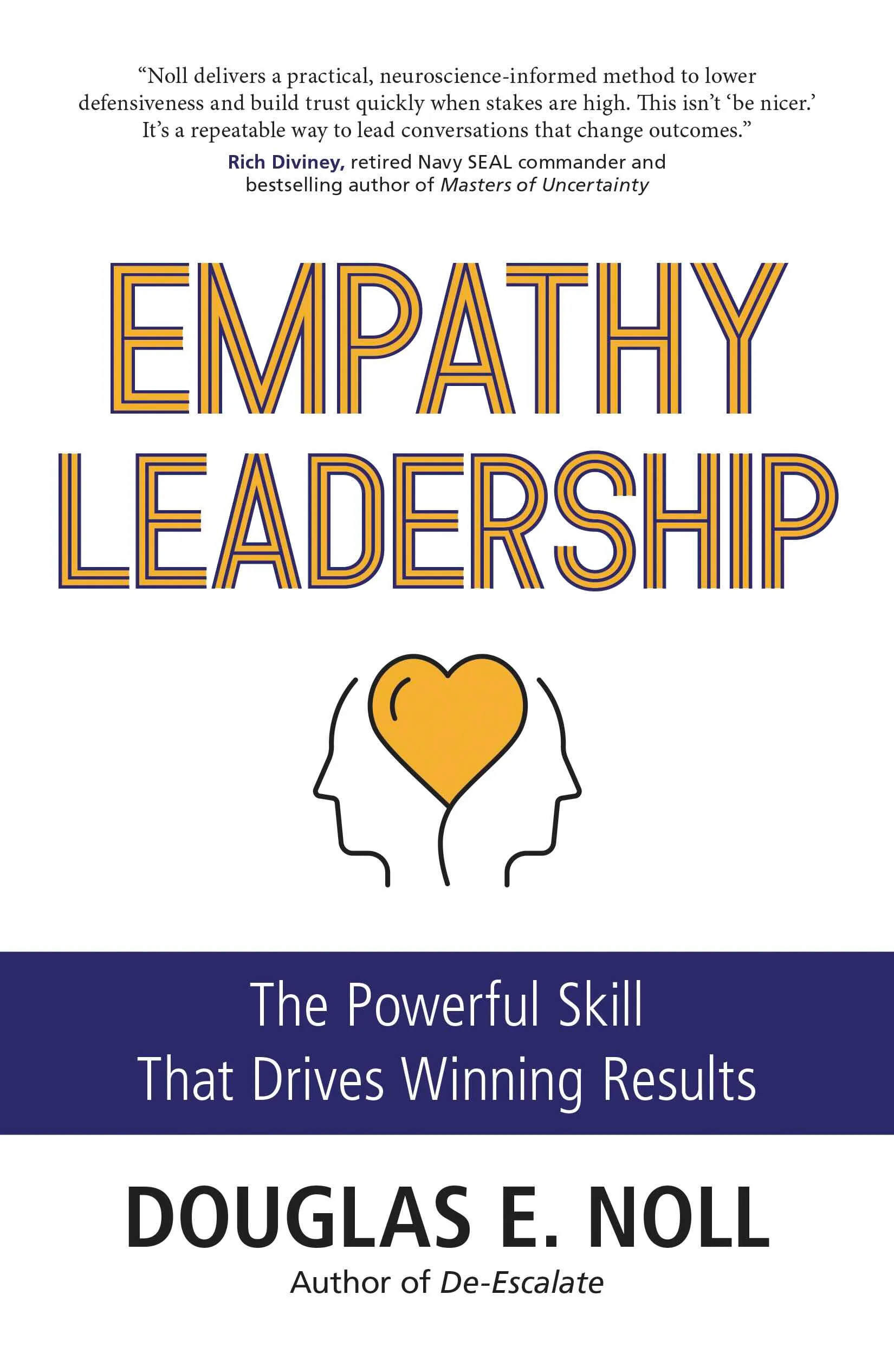
Empathy Leadership: The Powerful Skill That Drives Winning Results is out now. Order on Amazon, or if a 20-minute call would be more useful, Doug's calendar is here.
Emotional Competence Shapes Your Influence as a Leader
This 90-second emotional competence quiz will tell you how your emotions affect the way you are treated at work and how to gain the respect and influence you deserve as a leader.
Take the Free Assessment
Doug’s Books
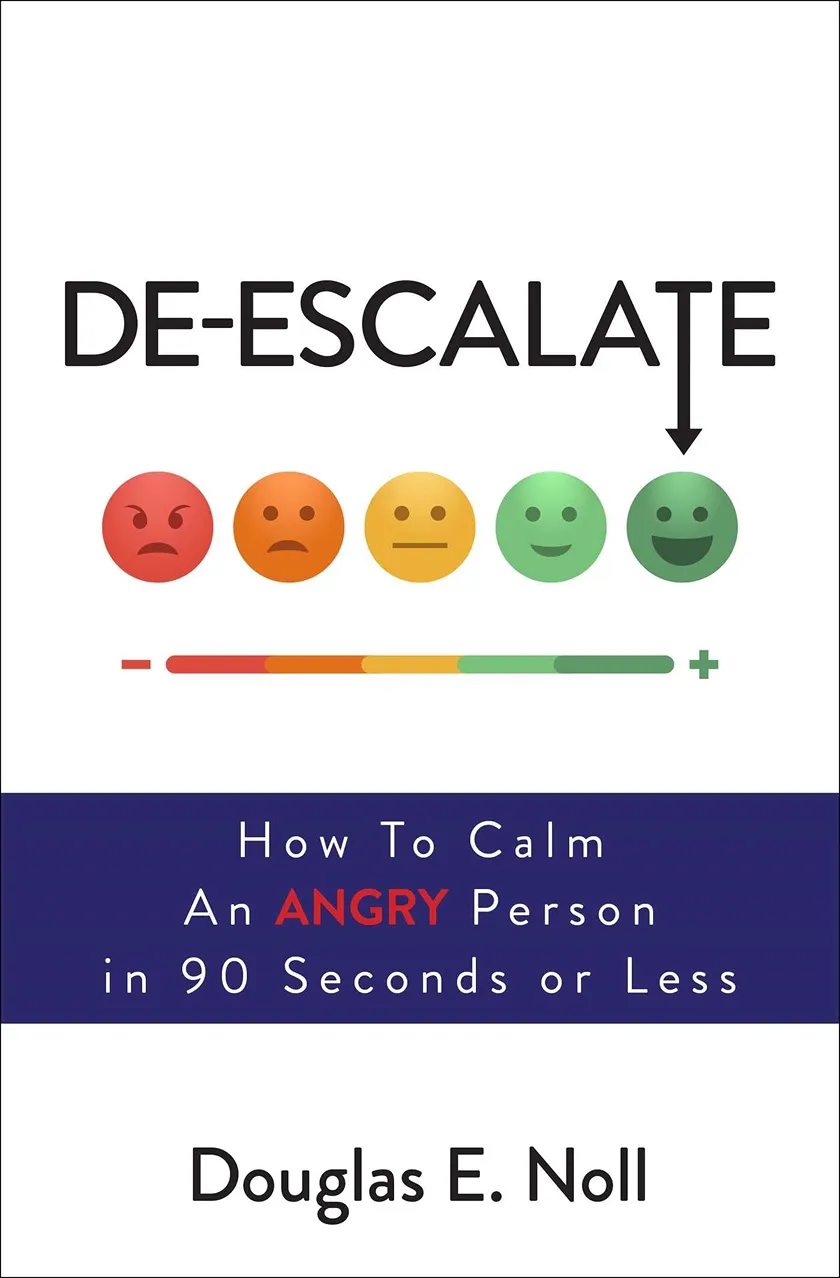
Doug has authored several books on affect labeling and emotional competency, including De-Escalate: How to Calm an Angry Person in 90 Seconds or Less, which won multiple awards and has been adopted by organizations worldwide.