Why the G3 Meeting Turned Into a Funeral
%201.avif)

The agenda said "Vision 2045."
Eleven cousins, aged twenty-six to forty-four, third generation of a business their great-grandfather started in 1951. None of them had met him. Two of them had never met the grandmother either.
The purpose of the two days was to produce a shared view of what the family wanted the enterprise to be in twenty years. There was a facilitator, a good one, and a well-designed process.
Six minutes into the opening session, one of the cousins mentioned the mill.
The mill had been sold in 1994. It was the original business. Nine of the eleven people in the room had no direct memory of it whatsoever.
They spent the next four hours on it.
What was actually happening
Nobody in that room was grieving the mill. You cannot grieve a building you never entered.
They were grieving something they had inherited the shape of without the content. Every one of them had grown up inside a family narrative in which the mill was the thing, the sale of the mill was the wound, and the generation that sold it had a case to answer.
None of them had been present. All of them had absorbed the emotional structure, complete, from parents who had been present and who had never resolved it themselves.
This is inherited grief, and it operates in family enterprises with a force that consistently surprises the people experiencing it. The second generation has an unresolved event. They do not process it. They transmit its emotional signature to the third generation, who receive the feeling without the facts and therefore have no way to work with it.
So a strategy session about 2045 becomes a memorial for 1994.
Why the facilitator let it run
She had a process and she abandoned it inside ten minutes, which is the correct call and most facilitators do not make it.
What she recognised was that the room could not do forward-looking work while carrying something unprocessed, and that the thing was going to surface into whatever container was available. If she had shut it down at minute six, it would have come out at minute two hundred, in a worse form, attached to a live decision.
Emotional contagion in a room like that moves fast. Once two people were visibly upset, the state propagated to people who had no personal connection to the subject at all, because nervous systems synchronise regardless of whether the content applies.
Her judgment was that the four hours were the price of the second day, and she was right.
What she did with the four hours
She did not let it become a general airing. That produces catharsis and no structure, and the room leaves feeling something happened without anything having happened.
She did three specific things.
She separated inherited from direct. She asked, explicitly, who in the room had a personal memory of the mill and who had a family memory of it. Two hands and nine hands. Simply establishing that division changed the temperature, because it named that most people were carrying something borrowed.
She got the two with direct memory to speak first and at length. Both were older cousins who had been children at the time. What they described was substantially less dramatic than the inherited version. The sale had been necessary. Their fathers had disagreed about the timing, not the decision.
She named what the room was doing. "We came here to talk about 2045 and we have spent four hours in 1994. I think that is because nobody has ever told you what actually happened, and you have been carrying a version of it that you assembled yourselves."
That third sentence is the whole intervention. It converts an unexamined inheritance into an examined one.
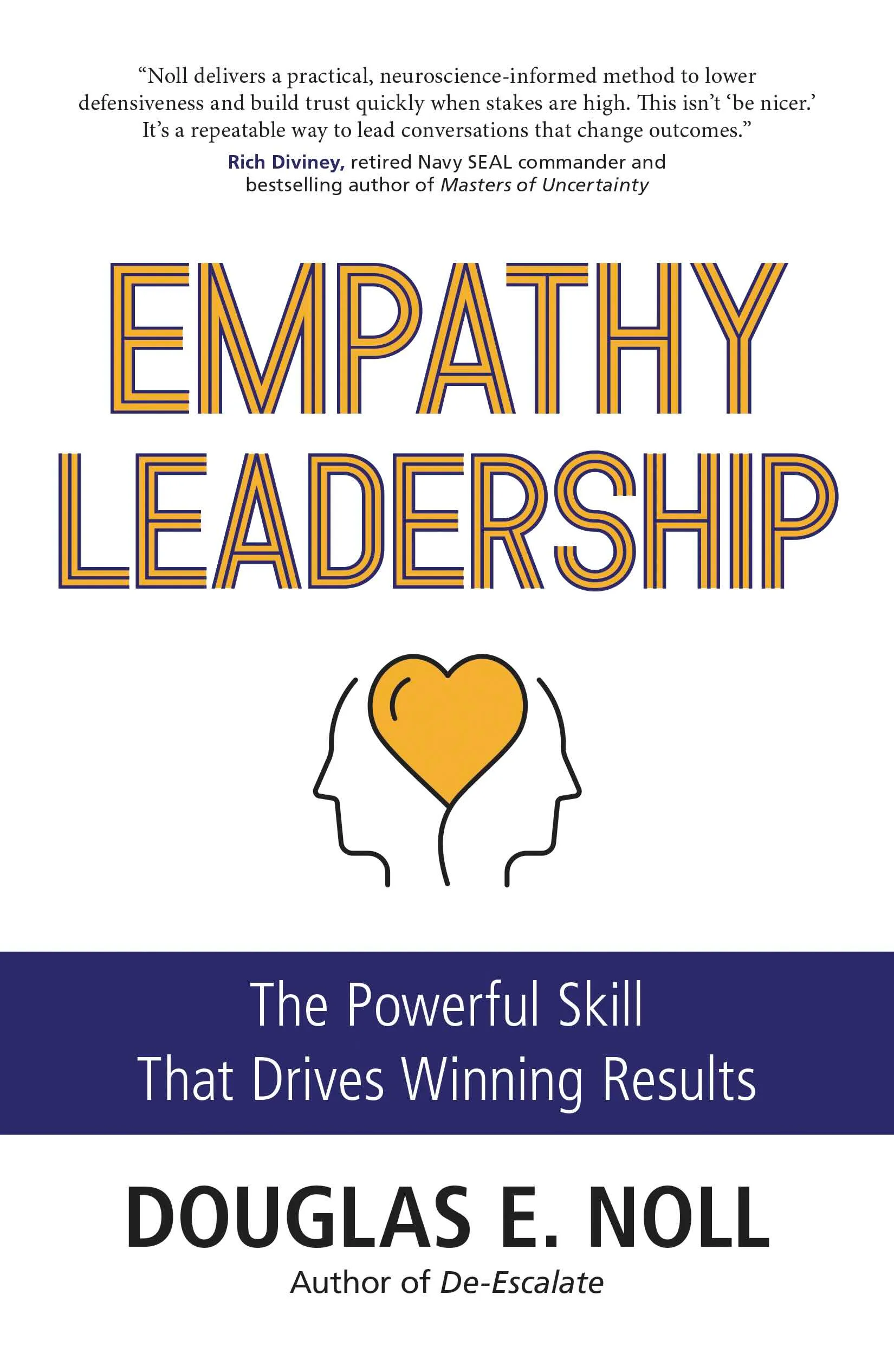
Doug Noll's new book Empathy Leadership: The Powerful Skill That Drives Winning Results covers how families identify and interrupt emotional inheritance. Pre-order it on Books-A-Million.
The second day
They did the 2045 work in about five hours and it was better than it would have been across two full days, because the room was no longer negotiating with a ghost.
The output included one item that was not on the original agenda. They asked the second generation to record, on video, an account of the 1994 decision, including the disagreement about timing, for the fourth generation.
Two of the four surviving members of that generation refused. One agreed and then did not do it. One did it, at length, and it is now the most-viewed thing in the family archive.
The question for any multigenerational family
What does your generation carry that it did not witness?
The events that formed your family's emotional architecture are frequently events that most current members did not experience. They are transmitted as atmosphere rather than as information, which makes them impossible to examine and therefore permanent.
The interruption is simple and nobody does it. Get the people who were there to describe what happened, in detail, including the parts that are less dramatic than the legend.
Most inherited wounds shrink considerably on contact with the actual facts.
For related reads, see Meeting Facilitation Without Force and The Silence Penalty.
If your family keeps relitigating something most of you were not present for, book a no-obligation Zoom call with Doug Noll.
Emotional Competence Shapes Your Influence as a Leader
This 90-second emotional competence quiz will tell you how your emotions affect the way you are treated at work and how to gain the respect and influence you deserve as a leader.
Take the Free Assessment
Doug’s Books
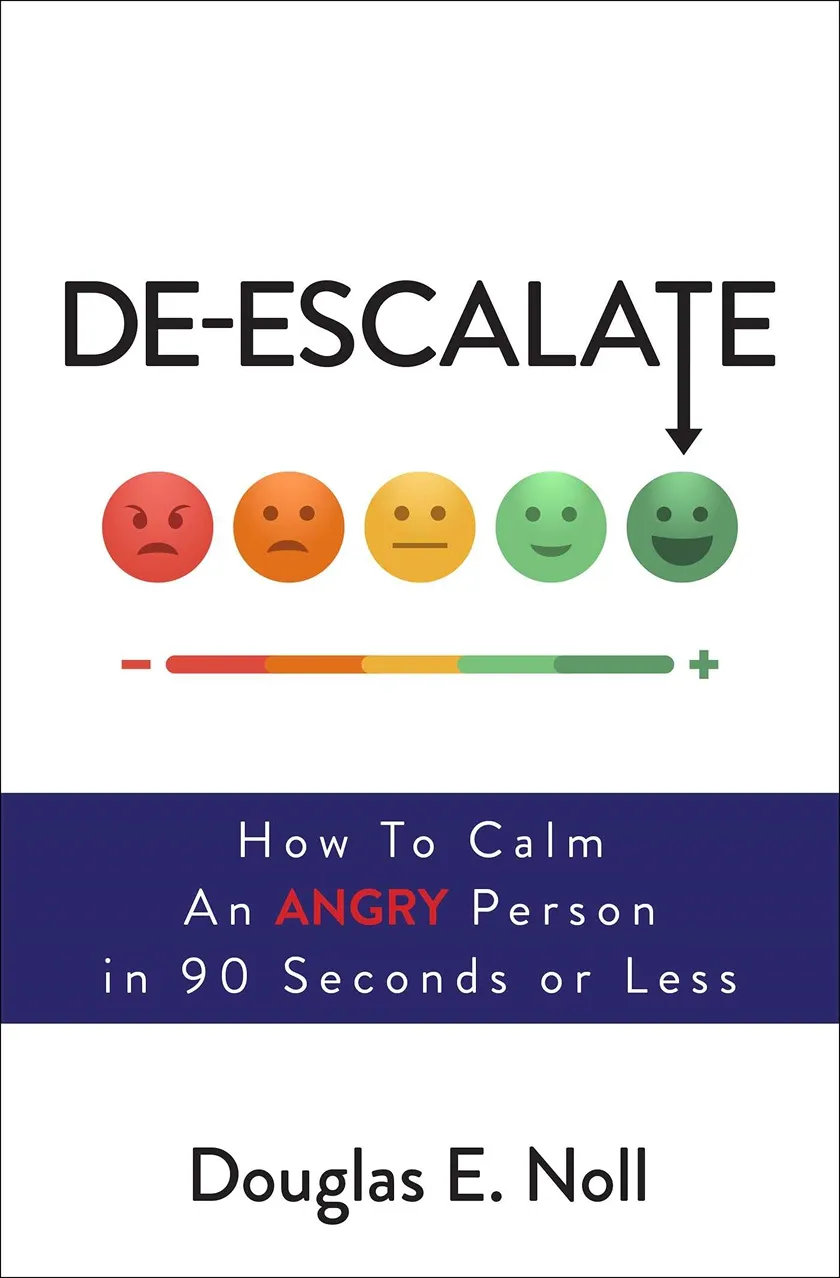
Doug has authored several books on affect labeling and emotional competency, including De-Escalate: How to Calm an Angry Person in 90 Seconds or Less, which won multiple awards and has been adopted by organizations worldwide.