6 Essential Workplace Empathy Habits That Show Up in Quarterly Numbers


The Head of People sat in the Q3 operating review and watched the CFO draw a straight line through her budget.
"Three programmes in two years. Satisfaction scores strong. No movement in anything the executive team can see. Explain to me why I should fund a fourth attempt."
She had the answer she had been working on for six months. Six specific habits, embedded in existing operational rituals, each tied to a quarterly metric the CFO already tracked. Here is what she presented, and the reason each one shows up in the numbers that matter.
1. The five-minute opening to every leadership meeting
Every leadership meeting opens with five minutes of structured emotional check-in. Each person says one thing that is going well and one thing that is not, in two sentences, with no discussion.
The habit changes two downstream metrics. Decision latency drops because the emotional friction between executives surfaces early rather than infecting the agenda silently. Cross-functional velocity improves because executives are more aware of what their peers are carrying.
Measured quarterly, this one habit alone typically produces a 10 to 15 percent drop in time-to-decision on cross-functional items within six months.
2. The post-decision debrief rule
Every material decision made in the leadership meeting is debriefed in the following meeting. One question. "Did this land the way we expected? If not, what did we miss?"
The habit changes the quality of subsequent decisions because the team is systematically learning from its own errors rather than letting them accumulate. The retention effect on top performers is specific: top performers stay in environments where their judgment is incorporated into institutional learning.
Measured quarterly, the number of material decisions that have to be revisited drops within two quarters of this habit being embedded.
3. The named-cost acknowledgment in every reorganisation
When any reorganisation changes someone's role, scope, or reporting line, the leader responsible for the change explicitly names the cost to that person before explaining the strategic rationale.
This habit directly reduces post-reorganisation attrition in the segments affected. The retention lift is measurable within two quarters and compounds across subsequent reorganisations because the organisation develops a reputation for handling changes humanely.
4. The weekly early-signal escalation window
Every leader is required to spend 30 minutes a week asking three direct reports a specific question: "What are you watching that worries you but has not yet become a problem?"
The habit creates a specific channel for early signal escalation. Bad news arrives measurably earlier because the organisation has created a legitimate place for it to be surfaced before it becomes a crisis.
If a 50-person leadership function is losing an average of two weeks of lead time on each of six quarterly issues because the signals arrive late, that is roughly $650,000 a year in avoidable crisis-management time, before counting the compounding cost of the late signals themselves. The exact number is a two-minute input in Doug's cost of conflict calculator.
5. The specific gratitude ritual for honest hard news
In every leadership meeting, the leader publicly names and thanks anyone who raised honest hard news that week. The thanking is specific and attributed, not generic.
The behaviour reinforces the specific action the organisation most needs. Early bad news arrives more frequently because the people who raise it are being visibly rewarded. This produces a self-reinforcing loop that transforms the information environment.
6. The structured disagreement protocol in material decisions
Every material decision in the leadership meeting is preceded by a two-minute structured disagreement round. Each person present has to name the strongest case against the proposed decision, by turn, before the vote.
The habit does two things. It surfaces dissent that would otherwise stay underground. It also normalises disagreement as a legitimate part of the decision process rather than a procedural obstacle.
Measured quarterly, the decision quality improves because the team is making decisions with more complete information. The compounding effect on retention is specific: executives stay in environments where their dissent is valued rather than politely absorbed.
What the Head of People put in front of the CFO
Doug Noll was 2014 Best Lawyers in America Lawyer of the Year for Alternative Dispute Resolution in Northern California. He teaches Decision-Making Under Stress and Conflict at Pepperdine's Straus Institute. His operational empathy programmes are built around specific trainable habits like the six above, each tied to a specific operational metric.
She presented the six habits with baseline metrics for each one. The CFO asked whether she would accept 40 percent of her budget being contingent on movement in those metrics at month six. She said yes. The budget was approved.
If you have a workplace empathy programme that has not survived its CFO conversation and want a measurement framework the CFO will believe, Doug runs a 20-minute diagnostic call before any proposal. Book 20 minutes with Doug.
Six months later
Four of the six metrics had moved materially. Two had moved marginally. The CFO renewed the programme and expanded it to a second business unit.
The habits were not fancy. They were not inspiring. They were specific, measurable, and embedded in existing meetings rather than added as separate events. That is what distinguished them from the three previous programmes that had failed.
For related reads, see the five essential signs of corporate emotional intelligence that actually move numbers and why empathy in leadership keeps dying on Monday.
Workplace empathy that shows up in quarterly numbers is six specific habits embedded in operational rituals. The habits are boring. The results are not.
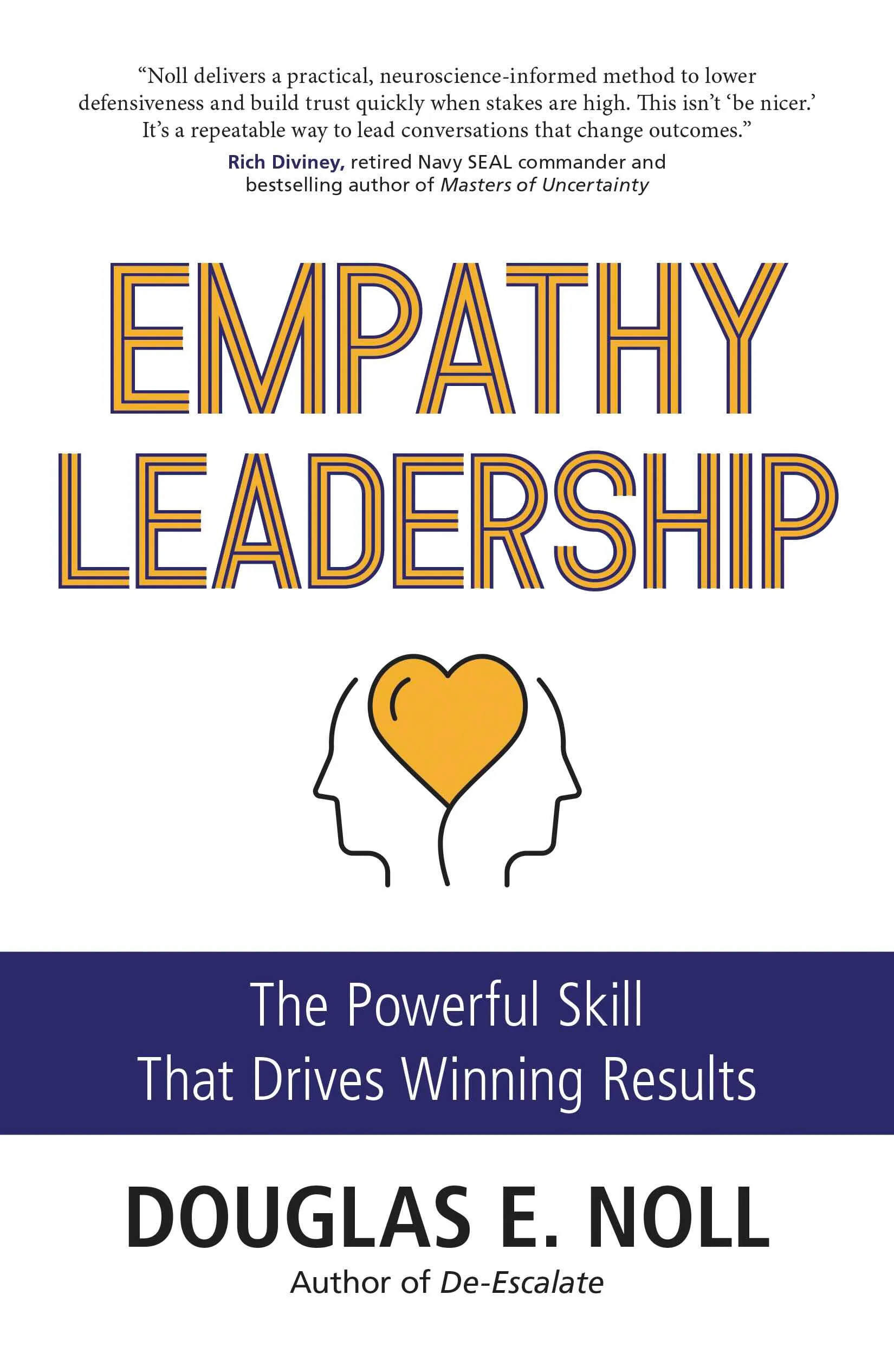
Empathy Leadership: The Powerful Skill That Drives Winning Results is out now. Order on Amazon, or if a 20-minute call would be more useful, Doug's calendar is here.
Emotional Competence Shapes Your Influence as a Leader
This 90-second emotional competence quiz will tell you how your emotions affect the way you are treated at work and how to gain the respect and influence you deserve as a leader.
Take the Free Assessment
Doug’s Books
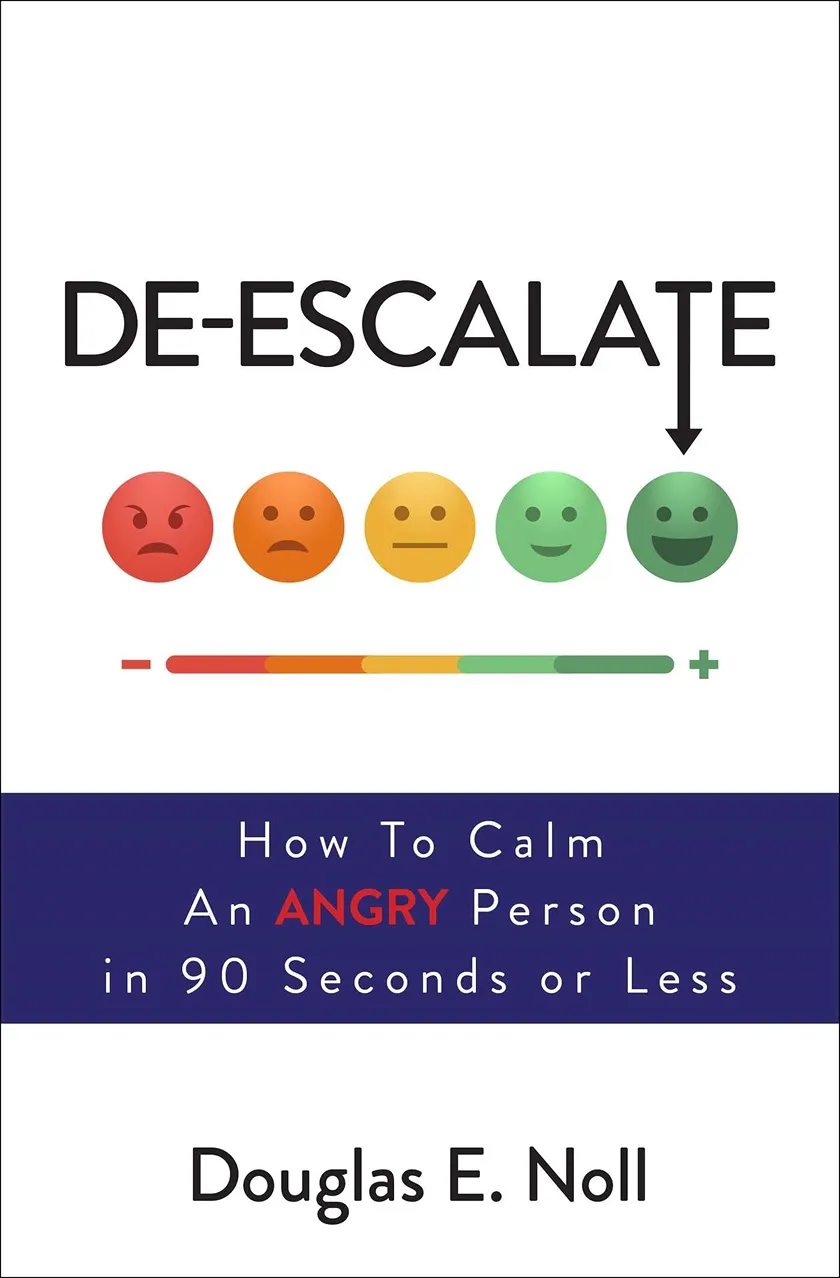
Doug has authored several books on affect labeling and emotional competency, including De-Escalate: How to Calm an Angry Person in 90 Seconds or Less, which won multiple awards and has been adopted by organizations worldwide.