The Founder Whose Team Went Quiet on His Birthday
%201.avif)

The lunch was on his calendar for a month. His leadership team had booked the private room, ordered the cake he liked, chosen the wine themselves.
He walked in expecting the usual noise. The room was quiet in a way he had never noticed before. Polite. Slightly formal. A person he had promoted twice caught his eye and looked away.
He gave the toast. Everyone laughed on cue. Nobody interrupted him. Nobody teased him about the year he turned forty and cried in a pitch meeting.
He drove home and could not stop thinking about it.
Two weeks later, his third strong hire that quarter resigned. In the exit conversation she said something he had not been ready to hear. "The last six months, I stopped bringing you anything hard. Everybody stopped. You did not notice because we got very good at hiding it."
The reflex that closed the room
Nothing dramatic had happened. There was no shouting incident, no fired VP, no public correction. What had happened was smaller and more expensive.
Over eighteen months, he had gotten faster at sharpening his team's thinking in front of the room. He believed he was helping. His team's nervous systems had learned something different. They had learned that being incompletely prepared in front of him carried a social cost their careers could feel.
When a person experiences a small social threat repeatedly from the same source, the amygdala begins to fire on approach rather than on the incident. Cortisol releases in the elevator. By the time they walk into his office, their prefrontal cortex is already compromised. They will speak in shorter sentences. They will hedge. They will bring him the version of the number they can defend rather than the version he needs to see.
He had not built a team of people who could not think. He had built a team whose bodies had learned to protect them from the room he ran.
How much is one unresolved conflict really costing your company?
What his COO said in the parking lot
He asked his COO for the truth on a Friday evening. Not in a meeting. In the parking lot, next to their cars.
His COO took a long breath and said the sentence he had been rehearsing for a year. "The birthday lunch was quiet because the people who used to tease you are the people who have stopped telling you when you are wrong."
He did not defend himself. He said, "I know."
The following Monday he opened the leadership meeting with two sentences. "I have made this room feel unsafe to disagree with me. I am the reason my best people are leaving."
Nobody responded for a full minute. Then his Head of Product said, "Yes." Nothing else. Just yes.
What broke the pattern was not a strategy shift. It was one accurate act of naming. Doug Noll's research on affect labeling shows that naming an emotion the room is already feeling lowers cortisol in the room faster than any argument can. The founder had done it about himself, out loud, in front of the people he had been silencing.
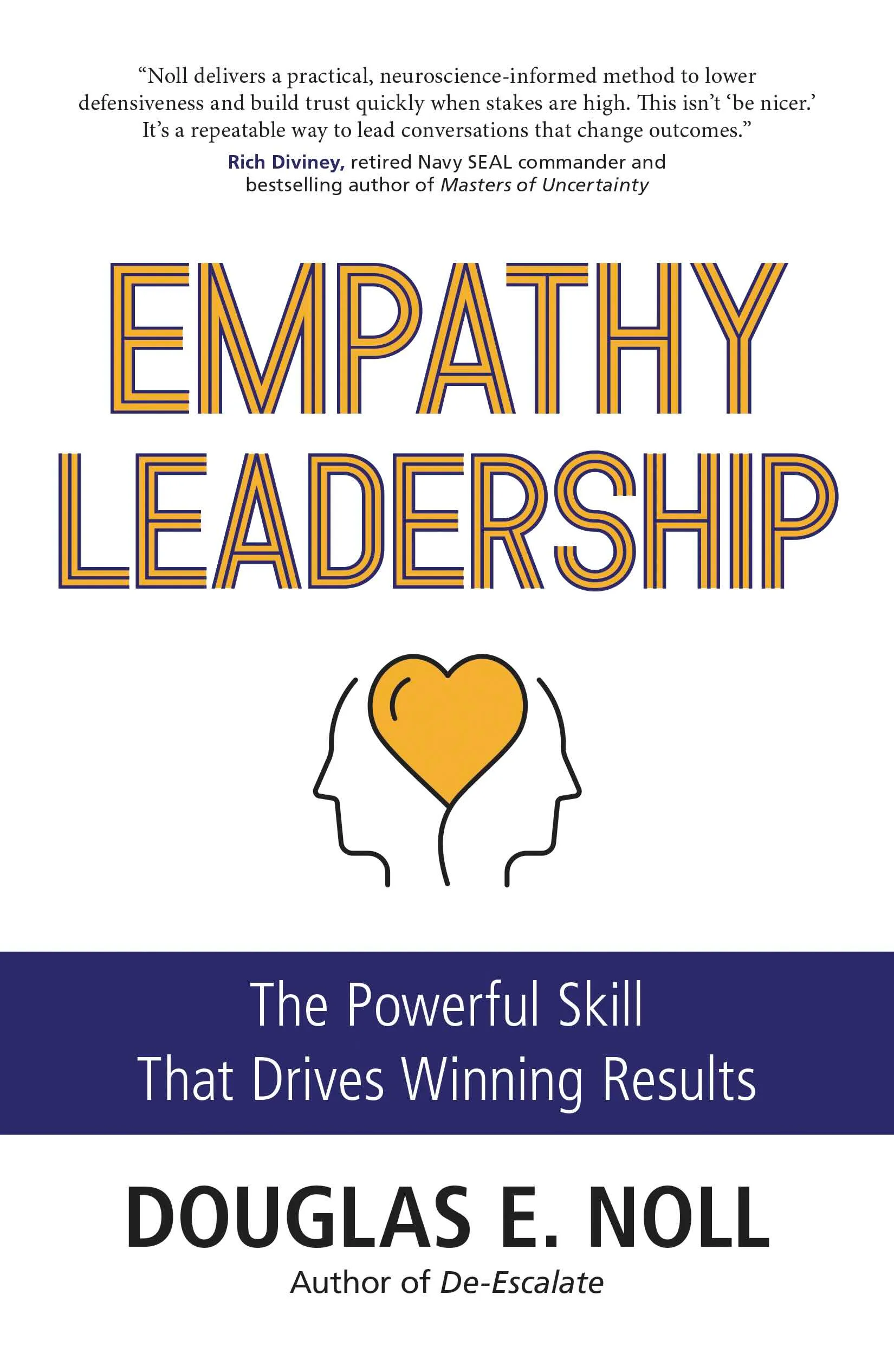
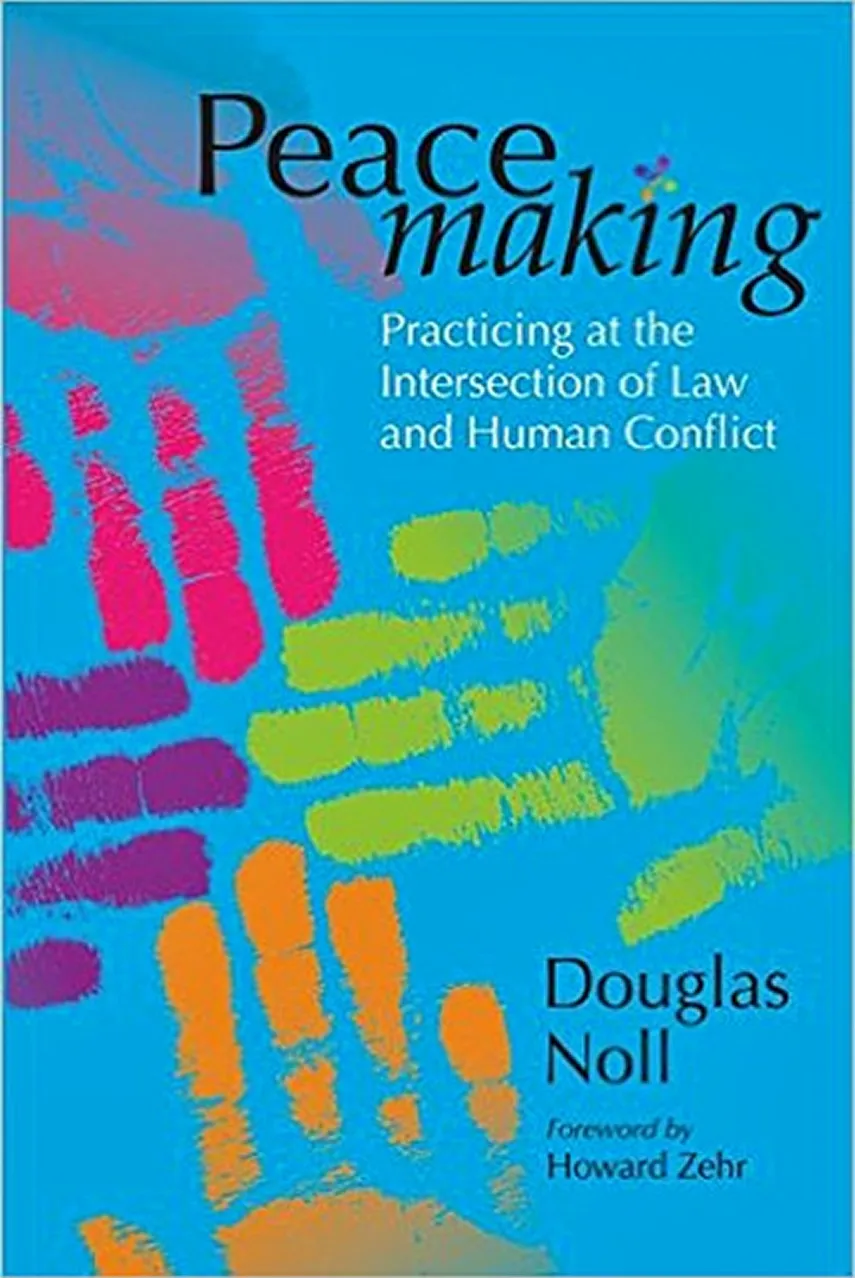
Doug Noll's new book Empathy Leadership: The Powerful Skill That Drives Winning Results lays out the protocol founders use to reopen a room that has gone quiet. See it here.
What the silence was really costing
He went back through his numbers. Three resignations that quarter. Two roadmap slips he had blamed on execution. One forecast miss he had blamed on the market. In every case, the people around him had seen it coming before he had. In every case, they had not brought it to him in time.
The silence in his birthday lunch was not the problem. The silence was a symptom of the problem, and the problem had a price he had never priced.
He kept the practice up for six months. Every hard meeting, he opened by naming what he suspected the room was feeling. Not with a coach's script. With one accurate sentence. Sometimes he got it wrong. When he got it wrong, someone corrected him. That was the point.
The following year, his COO stayed. His sales VP started bringing him the ugly version of the forecast on Monday morning instead of the cleaned version on Thursday afternoon. And at his birthday lunch, three people interrupted his toast.
Emotional Competence Shapes Your Influence as a Leader
This 90-second emotional competence quiz will tell you how your emotions affect the way you are treated at work and how to gain the respect and influence you deserve as a leader.
Take the Free Assessment
Doug’s Books
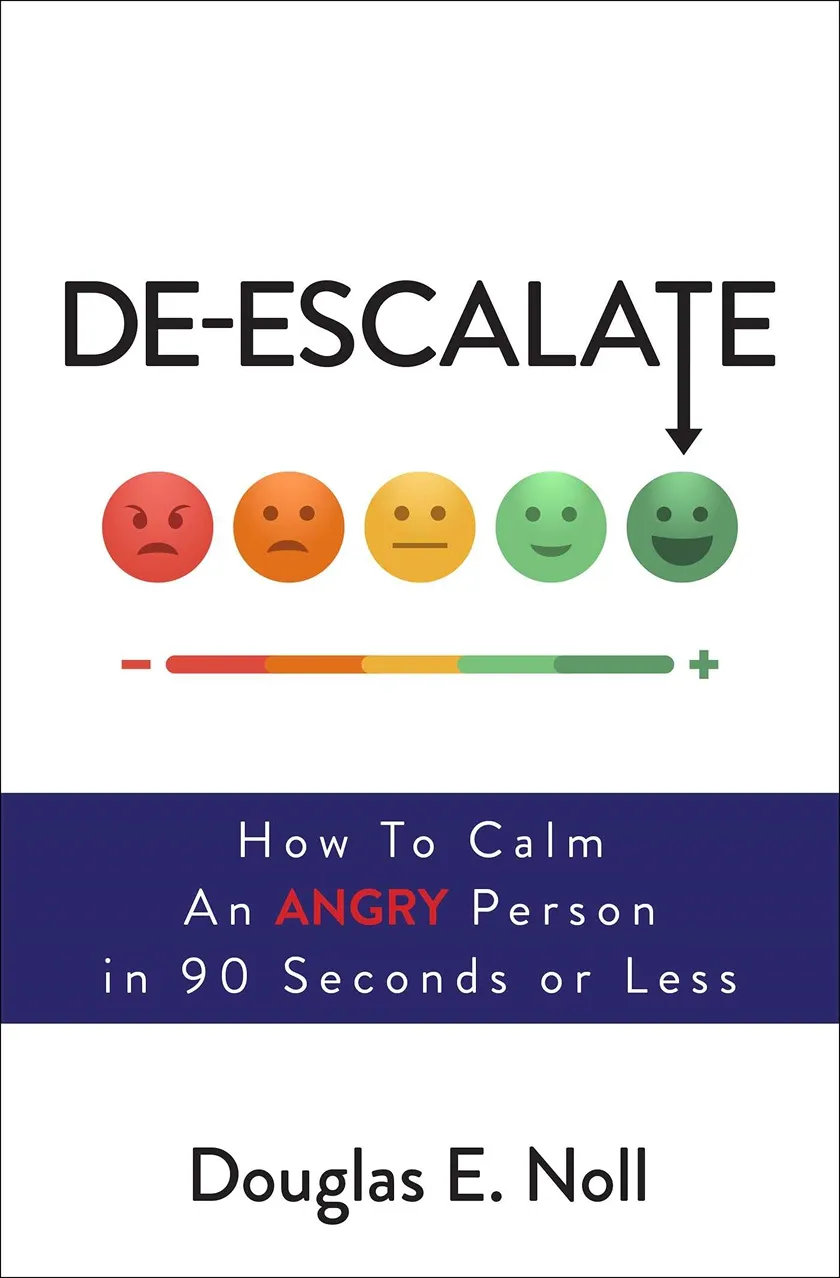
Doug has authored several books on affect labeling and emotional competency, including De-Escalate: How to Calm an Angry Person in 90 Seconds or Less, which won multiple awards and has been adopted by organizations worldwide.