Emotional Safety: Stop Trying to Fix People
%201.avif)

Most leaders think emotional safety means making people comfortable.
So they overexplain.
Overhelp.
Overcoach.
Overfix.
The result is dependency, resentment, and emotional exhaustion.
If managers spend just 5 hours a week emotionally managing problems their team should own, and average managerial cost is $90 per hour, that equals $23,400 annually per manager.
Across 20 managers, that is nearly half a million dollars.
That is before accounting for burnout, slowed decision making, and reduced ownership.
This is the Fixing Tax.
And it grows every time leaders confuse regulation with rescue.
The diagnosis
You believe leadership means solving emotional discomfort quickly.
Someone is frustrated, so you reassure.
Someone is anxious, so you fix the issue.
Someone struggles, so you step in.
You think you are helping.
You are unintentionally teaching the nervous system that discomfort must be externally resolved.
That destroys resilience.
The amygdala activates under emotional threat.
Cortisol rises.
The prefrontal cortex, responsible for reasoning and independent problem solving, loses efficiency.
If leaders immediately take over, employees never learn to regulate internally.
They outsource stability upward.
You become the emotional processing center for the organization.
That is not leadership.
That is organizational overfunctioning.
The four ways leaders create emotional dependence
1. The reassurance addiction loop
Leaders constantly calm employees with reassurance.
“It’s okay.”
“Don’t worry.”
“We’ll handle it.”
Short term relief increases.
Long term resilience decreases.
The brain learns to seek external regulation instead of building internal regulation.
2. The rescue reflex
Someone struggles with pressure.
You remove the challenge immediately.
Pressure disappears temporarily.
Capability growth disappears too.
High performance requires regulated exposure to discomfort.
Not avoidance of it.
3. The emotional takeover pattern
An employee becomes upset.
The leader absorbs the emotion personally and tries to stabilize the situation through excessive involvement.
Now both nervous systems are activated.
Emotional contagion spreads.
The leader becomes exhausted.
4. The ownership erosion effect
The more leaders fix emotional tension for employees, the less accountability employees retain.
Ownership shifts upward.
Managers become overloaded with emotional maintenance instead of strategic leadership.
Execution slows.
The neuroscience of emotional safety
Emotional safety is not the absence of discomfort.
It is the absence of unnecessary threat.
The amygdala constantly evaluates whether emotional expression will lead to humiliation, punishment, or rejection.
When emotional acknowledgment is accurate:
- Cortisol decreases.
- Defensive behavior drops.
- The prefrontal cortex reengages.
- Cognitive flexibility returns.
But regulation does not require rescuing.
The nervous system calms when it feels understood, not when someone removes every challenge.
That distinction matters.
The counterintuitive protocol
Stop fixing emotion.
Name it.
When someone says:
“I can’t handle this project.”
Do not reassure immediately.
Say:
“You are overwhelmed.”
Pause.
If someone becomes defensive, do not argue.
Say:
“You seem frustrated.”
Pause.
If someone struggles under pressure, do not rescue instantly.
Say:
“This feels high stakes for you.”
Pause.
Short, declarative emotion labels.
Nothing more.
Accurate emotional labeling reduces amygdala activation. Cortisol declines. The prefrontal cortex regains control.
Only then ask:
“What do you think needs to happen next?”
Or:
“What support would help without removing ownership?”
Now the person regulates internally instead of depending externally.
That is emotional safety.
Not comfort.
Capability under pressure.
If emotional regulation reduces managerial emotional cleanup by just 3 hours weekly across 20 managers at $90 per hour, the savings exceed $280,000 annually.
If it also improves ownership and reduces burnout related turnover, the value compounds into seven figures.
Weak leadership fixes feelings.
Strong leadership regulates nervous systems without stealing responsibility.
Stop rescuing.
Start building capacity.
Emotional Competence Shapes Your Influence as a Leader
This 90-second emotional competence quiz will tell you how your emotions affect the way you are treated at work and how to gain the respect and influence you deserve as a leader.
Take the Free Assessment
Doug’s Books
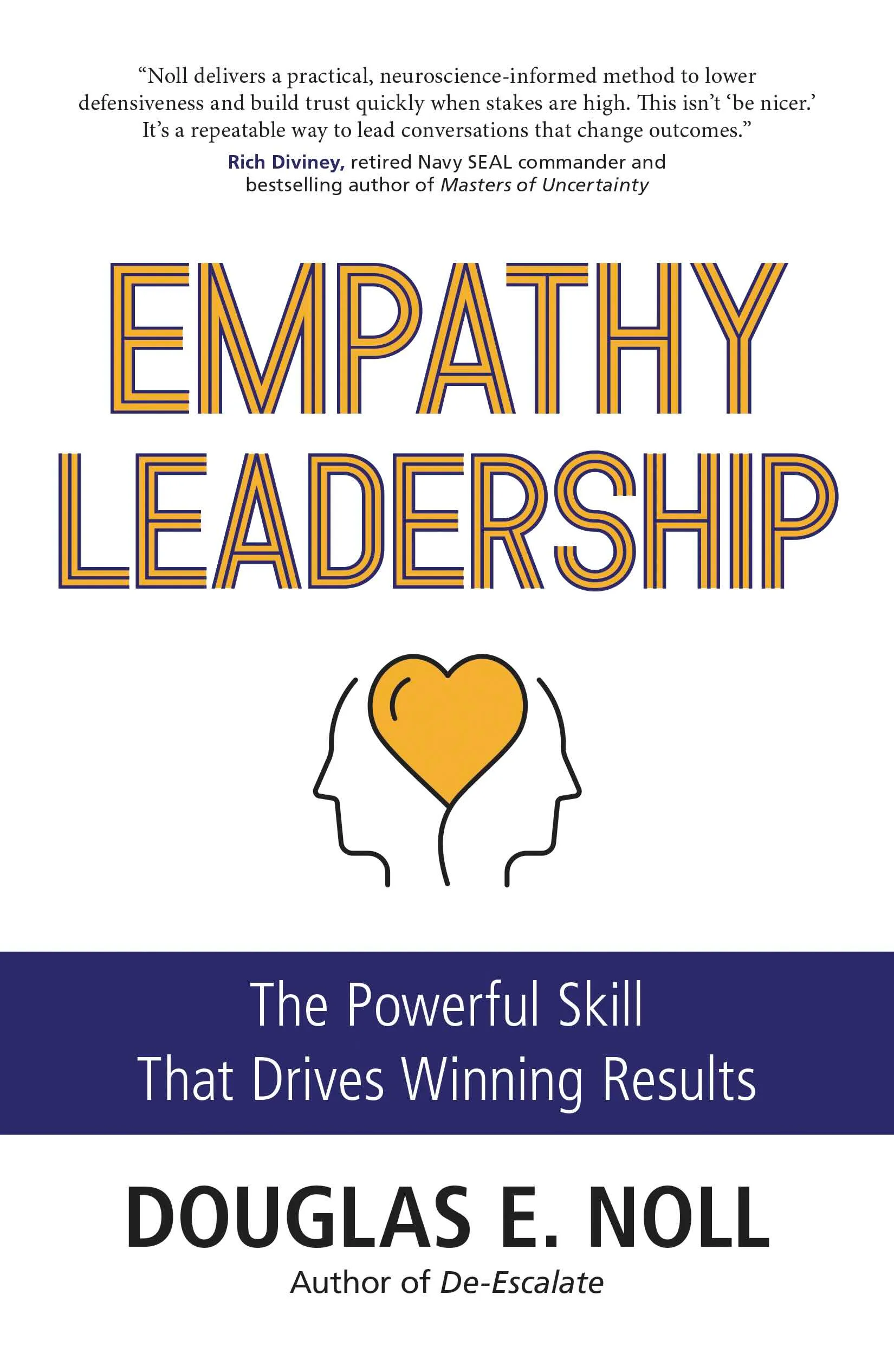
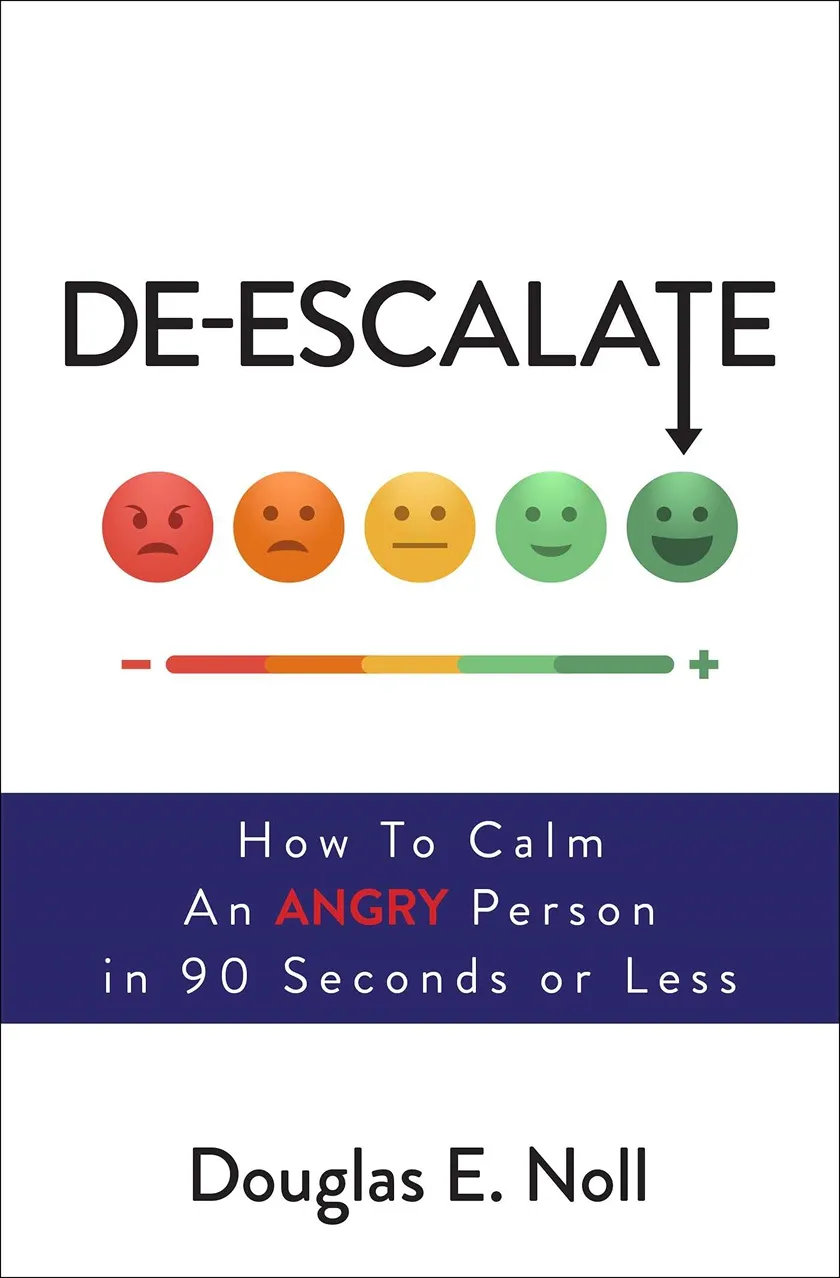
Doug has authored several books on affect labeling and emotional competency, including De-Escalate: How to Calm an Angry Person in 90 Seconds or Less, which won multiple awards and has been adopted by organizations worldwide.


More Blogs
View All

October 23, 2026
6 Powerful Reasons De-Escalation Training for Employees Doesn't Scale (and the Fix)
Read Blog

October 23, 2026
How Executive Dispute Mediation Actually Resolves a Board-Level Rupture
Read Blog

October 22, 2026
4 Critical Failures of Most Corporate Mediation (and the Approach That Works)
Read Blog