The CHRO Who Finally Admitted Her Leadership Training Changed Nothing


She had been Chief Human Resources Officer at the company for seven years and this was the first time she had said it out loud.
"The last three leadership training programmes I approved changed nothing by Monday. I own that. I keep buying this stuff because it is what the role expects me to buy, and I keep approving the vendors who sell well, and I keep sitting through quarterly reviews that show satisfaction scores that bear no relation to behaviour. I am done pretending this is working."
She was alone in her office. The CEO was not there. Her team was not there. She had said it to herself because she needed to hear it before she could say it to anyone else. The next three months were going to be the hardest of her career because the honest conversation she was about to have with her CFO was going to require her to acknowledge seven years of specific professional choices.
The specific pattern she had been running
Every two years she commissioned a leadership development programme. Every two years she worked with the preferred vendors her network kept recommending. Every two years she presented satisfaction scores at the quarterly review and listed verbatim quotes from participants. Every two years the retention data stayed flat and the executive team quietly concluded the programme had not worked.
The pattern was not a failure of judgment. It was a specific professional dynamic. The CPO role carries a specific political requirement to visibly invest in leadership development. Not investing is politically expensive. Investing produces specific measurable deliverables that look like success. The actual outcome, which is behaviour change, is harder to measure and easier to avoid being accountable for.
She had been successful at the political requirement for seven years. She had not been successful at the actual outcome in any of them.
The conversation with the CFO
She brought him the honest version. Seven years of approved leadership programmes. Total spend: $4.1 million. Observable behaviour change in sampled real meetings at month six for any of them: close to zero. Retention data trajectory across the seven years: flat.
The CFO listened without interrupting. When she was finished he said one thing.
"Thank you for telling me this. What do you want to do differently?"
She had the answer because she had been working on it for six months. The answer was a complete redesign of how the CPO function approached leadership development. Measurement by observable behaviour from day one. Vendor contracts with 40 percent of fee contingent on month-six behavioural outcomes. Programme design focused on manager-level reinforcement rather than event-based delivery. CFO co-sponsorship so the function was accountable operationally rather than only culturally.
The CFO signed off on it immediately. He had been waiting for her to arrive at this conversation for several quarters. He had not been willing to force it because the CPO function was hers to run and the honest conversation had to come from her.
What happened in year eight
The next programme was built around the new design. The behavioural data at month six showed meaningful change for the first time in seven years. The retention data in the trained segment moved materially within three quarters.
The CPO's seven-year track record did not change retrospectively. What changed was her trajectory from year eight forward. She stayed in the role for another four years and was recognised internally as having been the specific person who moved the function from political-compliance mode to operational-outcome mode.
The company's eventual acquirer in year 12 specifically cited the people function's measurement discipline as one of the quality signals in the diligence process. The CPO was retained in the acquired entity.
If a $4 million seven-year investment produces zero measurable outcome, the opportunity cost of what else could have been done with the budget is substantial. The exact number for your specific situation is a two-minute input in Doug's cost of conflict calculator.
The pattern that applies to every CPO
The CPO function sits in a specific political position that makes honest assessment of previous investments uncomfortable. The person responsible for the programmes is the person who has to acknowledge that the previous programmes did not work.
The honest acknowledgment is the first intervention. Without it, the function keeps running the same specific pattern across years. With it, the function can redesign around what actually produces behaviour change.
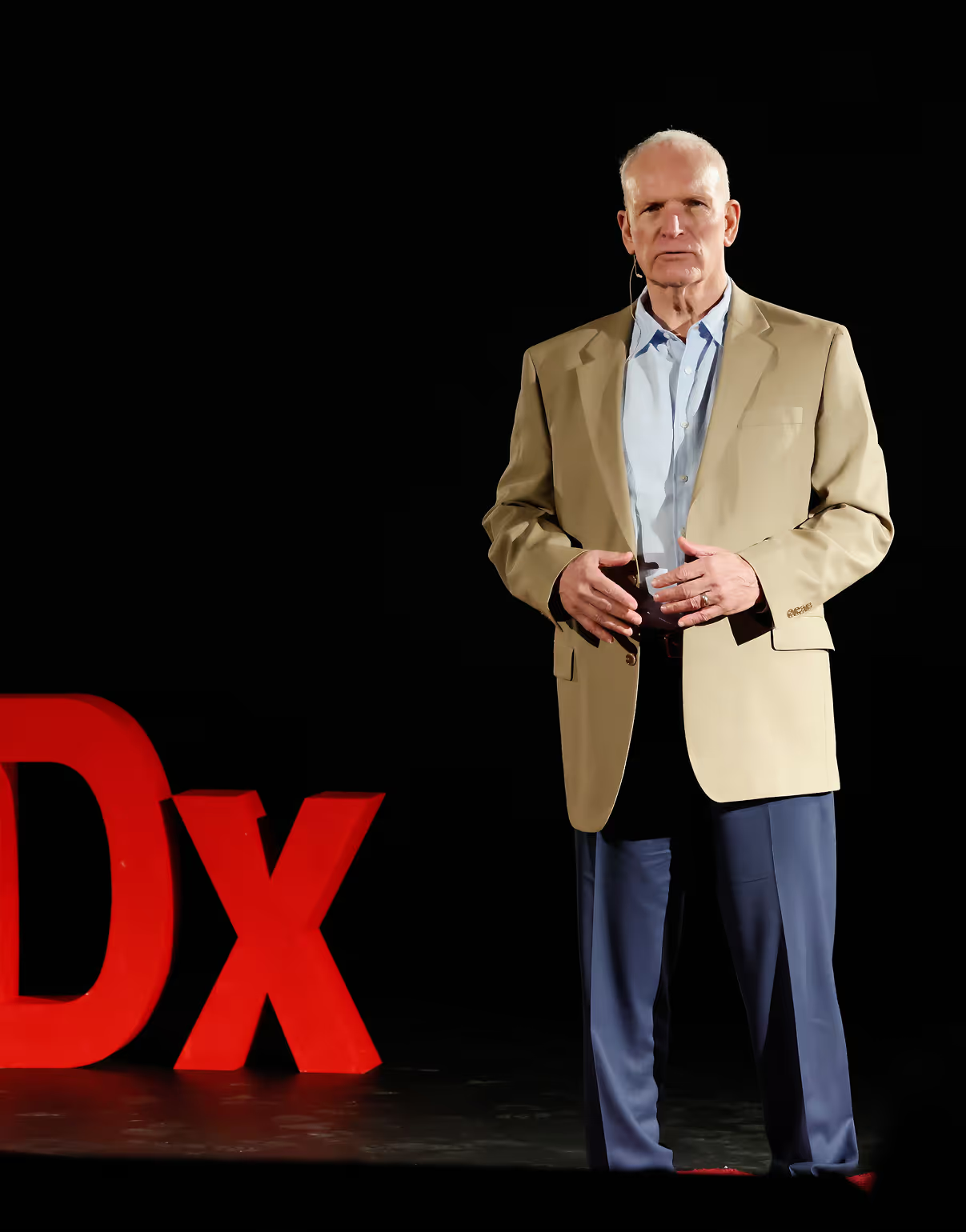
Doug Noll teaches Decision-Making Under Stress and Conflict at Pepperdine's Straus Institute, has mediated complex business disputes for 25 years, and co-founded the Prison of Peace Project. His work with CPO functions is built around supporting the specific honest conversation above, before designing any replacement programme.
If you are a CPO who has been running the pattern above and is ready to redesign around actual outcome, Doug runs a 20-minute diagnostic call. Book 20 minutes with Doug.
The sentence worth sitting with
Every CPO reading this has at least one previous programme they privately know did not change behaviour. The honest acknowledgment of that specific programme is the first intervention. The next programme can only be designed properly once the previous one has been honestly assessed.
The acknowledgment is harder than it sounds. It is also where the actual leadership function begins.
For related reads, see why empathy training in the workplace fades by month three and six essential habits of empathetic leadership training that changes behaviour.
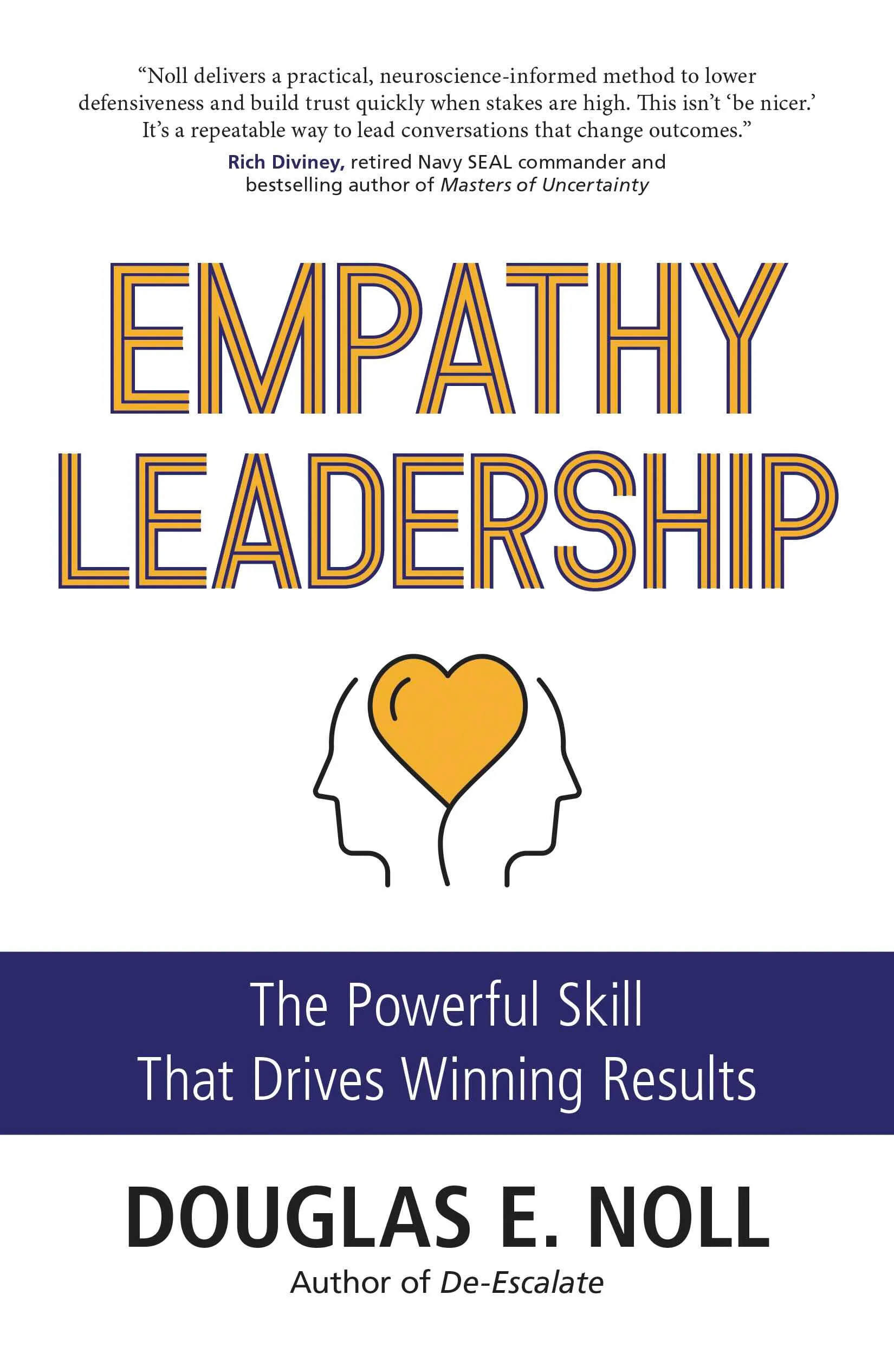
Empathy Leadership: The Powerful Skill That Drives Winning Results is out now. Order on Amazon, or if a 20-minute call would be more useful, Doug's calendar is here.
Emotional Competence Shapes Your Influence as a Leader
This 90-second emotional competence quiz will tell you how your emotions affect the way you are treated at work and how to gain the respect and influence you deserve as a leader.
Take the Free Assessment
Doug’s Books
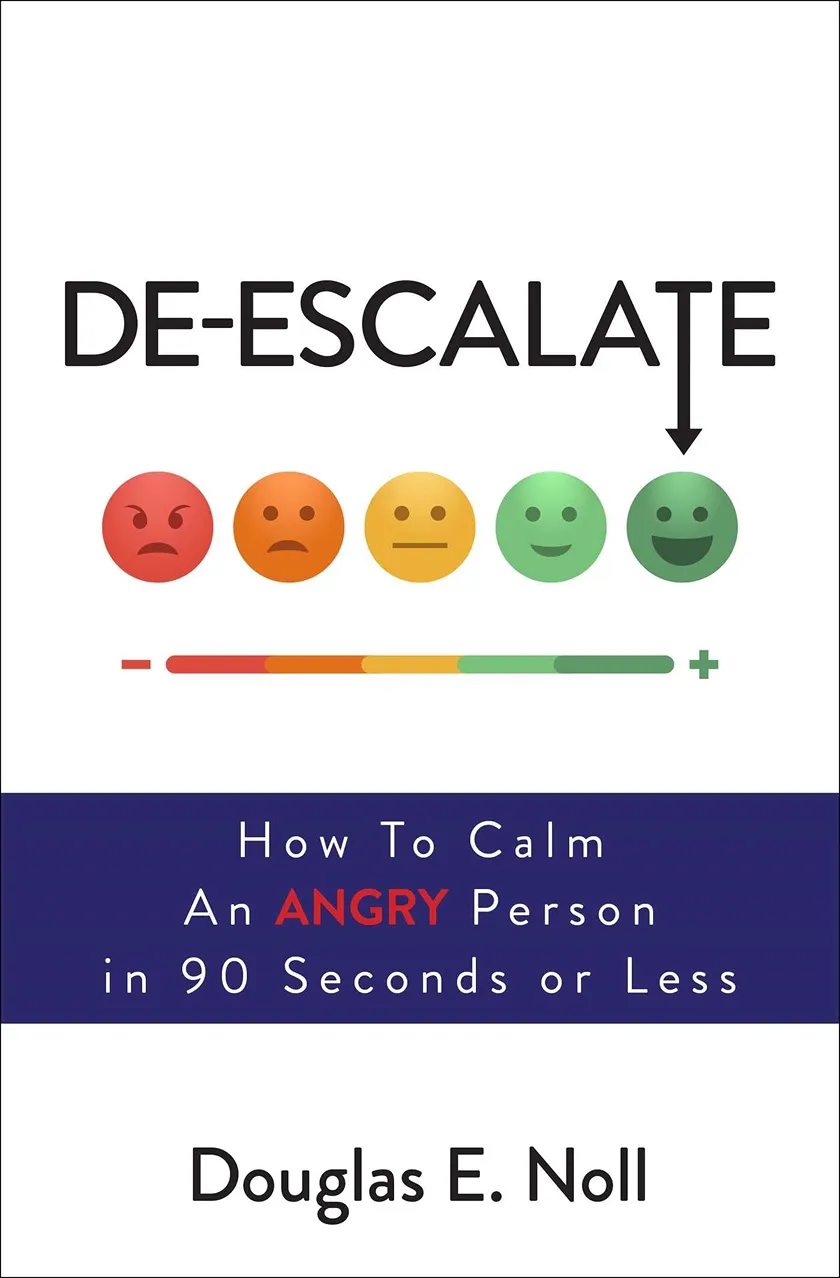
Doug has authored several books on affect labeling and emotional competency, including De-Escalate: How to Calm an Angry Person in 90 Seconds or Less, which won multiple awards and has been adopted by organizations worldwide.
More Blogs
View All

November 25, 2026
The 6 Essential Interpersonal Communication Skills Examples That Separate Senior Leaders
Read Blog

November 25, 2026
7 Powerful Interpersonal Skills Examples Every Executive Should Model
Read Blog

November 24, 2026
How to Overcome Fear of Confrontation in Executive Meetings: 6 Proven Steps
Read Blog