7 Powerful Interpersonal Skills Examples Every Executive Should Model


The talent partner was briefing the search committee on the Chief Operating Officer candidate.
The candidate had the technical skills, the industry experience, and the right resume. What the talent partner had learned over 20 years of executive search was that none of those predicted success in the role as reliably as a specific set of interpersonal skills. The committee was going to ignore the interpersonal data if she presented it in general terms. She had to make it specific.
Here are the seven powerful interpersonal skills examples every executive should model, each one observable and tied to specific operational outcome.
1. Naming the state in the room before addressing the content
Executives who open hard conversations by naming the state in the room before addressing the content produce measurably different outcomes than executives who go straight to content.
"I can tell this is a tense conversation and I want to acknowledge that before we work through it." Eighteen words. The naming regulates the room. The content that follows lands in a less defensive environment.
This specific skill is observable in any difficult meeting. Executives who do it have different trajectories than executives who do not.
2. Changing your position publicly when a direct report is correct
The second skill is the specific behaviour of publicly changing your position when a direct report challenges you with a correct position. "You are right. I was wrong. Let's go with your version."
The behaviour reinforces the environment where challenges happen. Direct reports learn that correct challenges are safe and valued. The organisation becomes self-correcting on a shorter cycle.
Executives who demonstrate this behaviour reliably produce teams that catch leadership errors earlier. Executives who do not, produce teams that watch leadership errors compound.
3. Asking one specific question before offering advice
The third skill is asking one specific question when a direct report brings a problem, before offering any advice. "What have you already tried?" "What is making this harder than it should be?" "What do you think the right next step is?"
The single question does two things. It respects the direct report's own thinking. It also surfaces information the leader would not have had if they went straight to advice. Both outcomes produce better conversations and better operational results.
Leaders who skip this question and go straight to advice develop reputations for not listening, which propagates through the organisation.
4. Delivering difficult feedback with specific acknowledgment of cost
The fourth skill is the pairing of difficult feedback with explicit acknowledgment of what the feedback costs the recipient.
"I know this is not the review you were expecting. I know you put real work into this quarter. I want to acknowledge both of those before I walk you through the specific concerns I have."
The acknowledgment does not change the content of the feedback. It changes whether the recipient can hear it. Difficult feedback that lands properly produces behaviour change. Difficult feedback that lands as attack produces defensiveness and no change.
If an executive team is losing an average of 15 percent of expected behaviour change from difficult-feedback conversations that landed badly, that is roughly $400,000 a year in developmental investment that did not produce the intended outcomes. The exact number is a two-minute input in Doug's cost of conflict calculator.
5. Ending conversations when the useful part is complete
The fifth skill is the specific discipline of ending conversations when the useful part is over, rather than letting them drift past the useful point.
"I think we have landed where we need to for now. Let's close here." Twelve words. The conversation ends deliberately rather than drifting.
Executives who do this consistently respect their own time and their counterparties' time. The signal is read as professional confidence. Executives who do not develop reputations for meetings that could have been shorter.
6. Attributing credit specifically and publicly
The sixth skill is specific public attribution of credit for ideas, decisions, and successes. Not generic team acknowledgment. Named individuals, specific contributions.
"The pricing analysis Marcus produced in Q2 was the single most important input to this decision. I want to make sure the committee knows that."
Specific attribution reinforces the specific behaviours leaders want to see repeated. It also builds the specific political support that successful executives need internally. Generic acknowledgment does neither.
7. Managing visible transitions between adjacent emotional registers
The seventh skill is the specific capability of transitioning between adjacent emotional registers visibly and cleanly. From the hard conversation to the strategic planning session. From the celebration to the hard review.
Executives who cannot manage these transitions bring the emotional residue of each meeting into the next one, which degrades decision quality across the day. Executives who can transition cleanly produce better decisions in every meeting.
The transition is a specific physical and mental protocol. Thirty seconds between meetings to deliberately close out the previous register and prepare for the next one. Deployed consistently it changes how the whole day of executive work lands.
Doug Noll teaches Decision-Making Under Stress and Conflict at Pepperdine's Straus Institute, has mediated complex business disputes for 25 years, and co-founded the Prison of Peace Project. His work on executive interpersonal skills focuses on the specific behaviours above, each tied to operational outcome.
If you want to pressure-test executive candidates or current executives against the seven specific interpersonal skills, Doug runs a 20-minute diagnostic call. Book 20 minutes with Doug.
The talent partner's committee presentation
She presented the candidate's performance against the seven specific skills with observational data from the diligence process. The committee adjusted their evaluation. The candidate was hired. Eighteen months in, the committee reported that the candidate's performance was tracking closely to the behavioural prediction from the seven-skills assessment.
For related reads, see the six essential interpersonal communication skills examples that separate senior leaders and six hidden habits that separate empathetic leaders from the rest.
Executive interpersonal skills are seven specific observable behaviours. The behaviours are trainable and consequential. Any assessment that evaluates them specifically produces better executive selection and development than assessments that treat interpersonal skills in general terms.
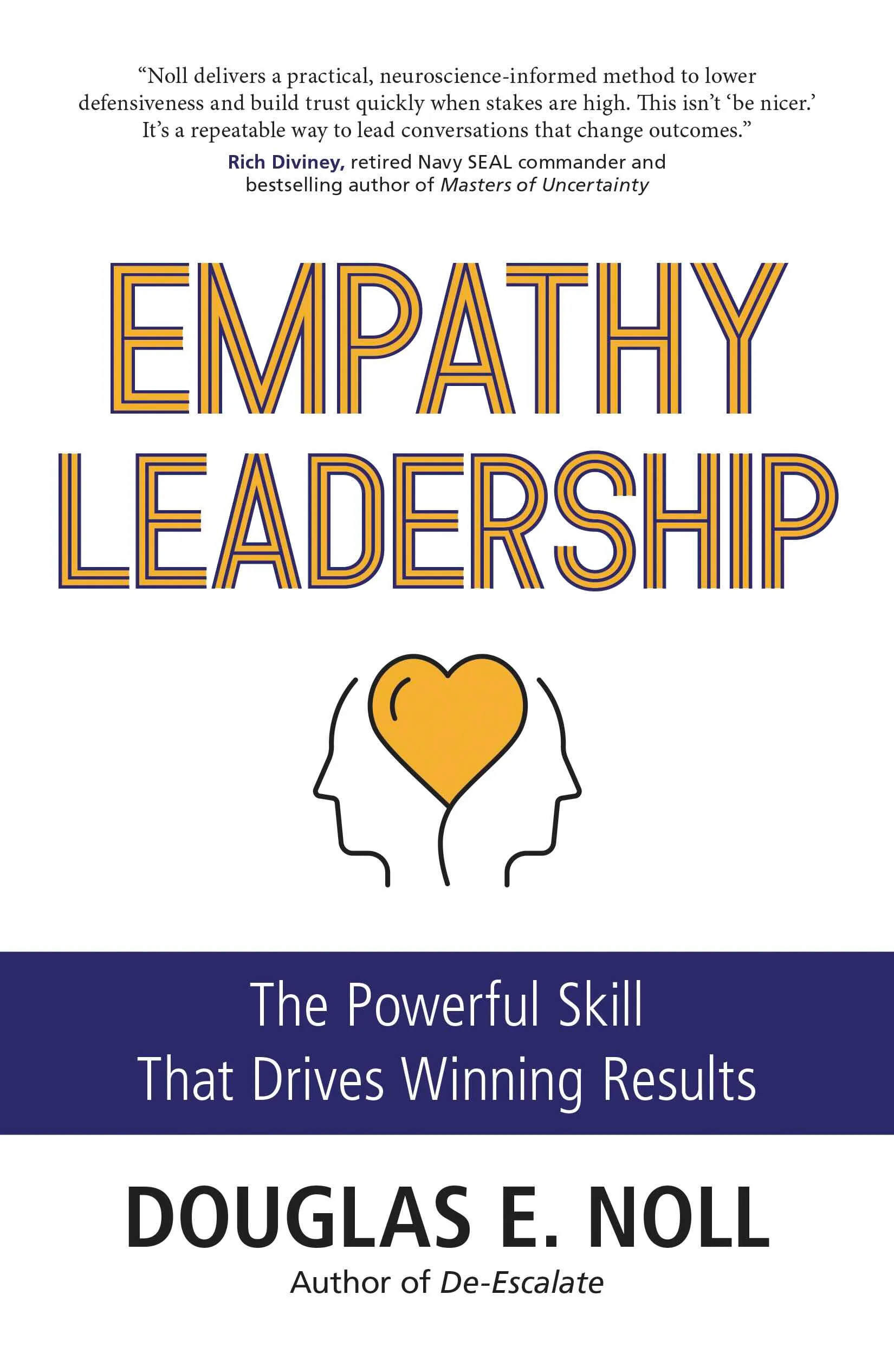
Empathy Leadership: The Powerful Skill That Drives Winning Results is out now. Order on Amazon, or if a 20-minute call would be more useful, Doug's calendar is here.
Emotional Competence Shapes Your Influence as a Leader
This 90-second emotional competence quiz will tell you how your emotions affect the way you are treated at work and how to gain the respect and influence you deserve as a leader.
Take the Free Assessment
Doug’s Books
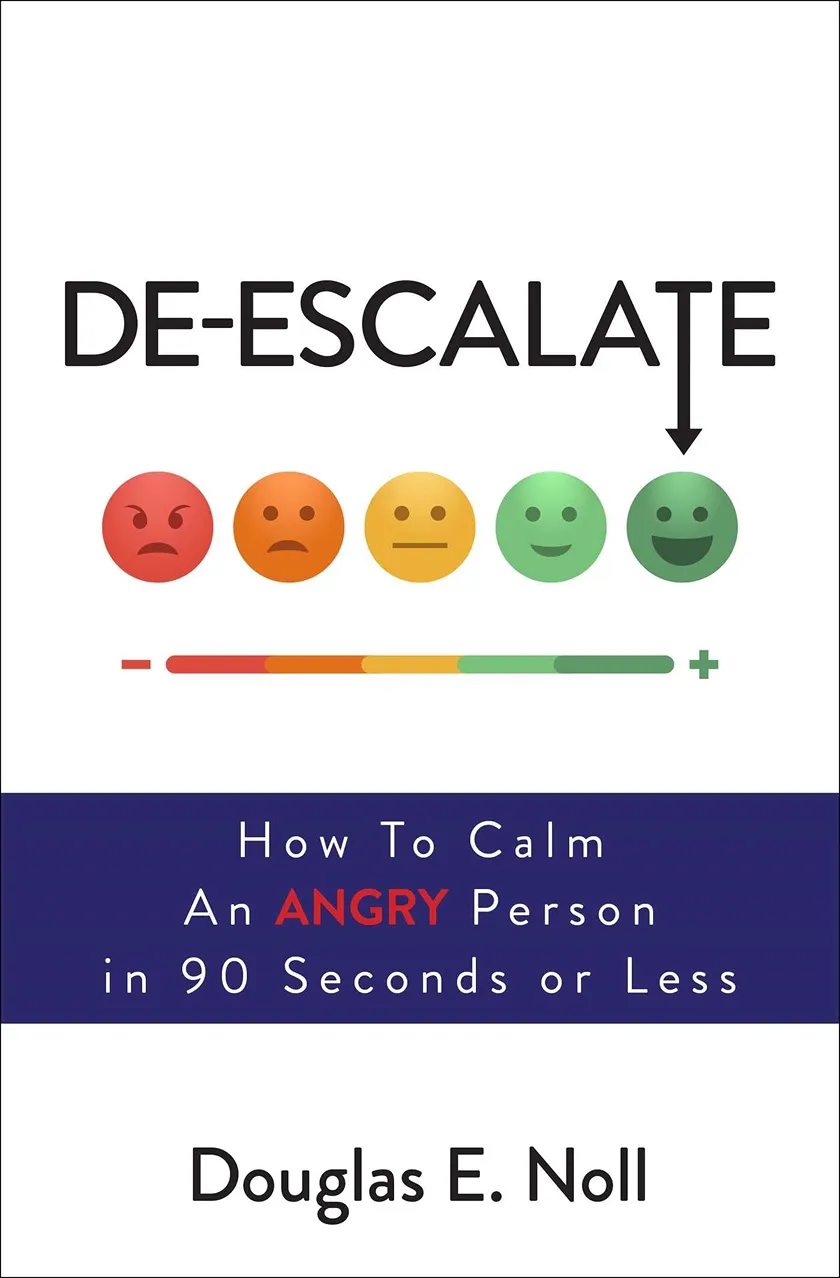
Doug has authored several books on affect labeling and emotional competency, including De-Escalate: How to Calm an Angry Person in 90 Seconds or Less, which won multiple awards and has been adopted by organizations worldwide.

More Blogs
View All