The CEO Who Stopped Firing People and Watched Retention Fix Itself


He had been CEO for eleven years and he had fired more than fifty executives across his career.
He fired reflexively, early, decisively. His stated philosophy was that keeping underperformers damaged the team's standards. His board had always supported the pattern. His retention metrics for the general workforce were poor and he had always attributed this to industry conditions. His retention of senior executives was particularly poor and he had always attributed this to the natural velocity of modern leadership roles.
In year twelve, after his sixth senior executive exit in eighteen months, he had a specific conversation with a board member that changed how he thought about firing. The retention problem was not the industry. It was him.
The specific conversation
The board member asked him one question. "What percentage of your senior exits were people you fired, and what percentage were people who resigned to pre-empt being fired?"
He thought about it. The answer was that almost all of them fell into one of those two categories. Very few of his senior exits were people who had left for better opportunities. Most were people who had been removed, directly or indirectly, by him.
The second question was harder. "Have you ever considered that the pattern of fast firing might be producing the behaviour you are firing people for?"
He had not considered it. The specific hypothesis the board member was offering was that senior people who worked for him operated under constant anticipation of being fired, which produced defensive behaviour, risk aversion, and the specific kind of underperformance he kept firing them for. The firing pattern was producing its own validation.
The experiment he ran
He committed to a specific experiment for the following twelve months. He would not fire any senior executive on his standard timeline. He would still address underperformance. He would address it earlier, through specific feedback and development conversations. He would commit to a six-month window before any firing decision.
The experiment was uncomfortable for him because it felt like he was tolerating underperformance. His board supported the experiment and committed to not pressuring him on senior exits during the twelve-month period.
What happened was specific and surprising.
Three senior executives whose performance he would have ended in his previous pattern improved materially within the six-month window. One of them became a top performer. The other two became solid contributors. All three attributed the change to the specific feeling that they had space to work out what was going wrong without the anticipation of imminent dismissal.
Two senior executives did not improve. He eventually transitioned them, with substantially more notice and support than his previous pattern would have provided. Both transitions were handled with specific care. Neither produced the public damage his previous firings had often produced.
The downstream effect on retention
The specific effect on general retention took about nine months to show up in the data. Senior executive retention improved first because the senior layer was the first to notice the pattern change. Within six months the senior layer had communicated the change downward through the organisation. The general retention trend started improving at month nine.
By month eighteen, retention across the organisation had improved by substantially more than any specific intervention his HR function had attempted in the previous decade. The CFO quantified the retention improvement at roughly $12 million a year in direct replacement cost savings.
What he had been producing without knowing it
The retroactive analysis was uncomfortable. He had been producing the exact pattern of behaviour he had been firing people for. Senior executives who knew they were operating under constant firing anticipation made defensive decisions, took fewer risks, and performed below their actual capability. He had been reading this behaviour as inadequate and firing them for it.
The pattern was invisible to him because he had never operated under his own management. He could not see what his leadership style was producing in the people who worked for him. The board member's question was the specific intervention that made the pattern visible.
If a CEO is losing six senior executives a year to firing-anticipation effects, at a replacement cost of 1.5 to 2 times salary each, that is roughly $5 million to $8 million a year in direct cost before counting the general-workforce effects. The exact number for your organisation is a two-minute input in Doug's cost of conflict calculator.
What he did differently in year thirteen
He did not change his standards. The standards for senior executive performance remained what they had always been. What changed was the specific pattern around how underperformance was addressed. More time. More explicit development conversations. More specific feedback earlier. More investment in understanding why specific executives were underperforming before concluding they could not perform.
Doug Noll teaches Decision-Making Under Stress and Conflict at Pepperdine's Straus Institute, has mediated complex business disputes for 25 years, and co-founded the Prison of Peace Project. His work with CEOs on retention is built around identifying the specific patterns the CEO is producing that are driving the retention problem the CEO is trying to solve.
If you are a CEO watching senior retention decline and suspect your own pattern might be part of the cause, Doug runs a 20-minute diagnostic call. Book 20 minutes with Doug.
The pattern worth watching for
Every CEO has specific behaviours that are producing specific effects in the people who work for them. Most CEOs cannot see those behaviours because they have never worked for themselves. The visibility usually requires an external observer willing to ask the specific question nobody internal is positioned to ask.
For related reads, see emotional invalidation and why top talent quiet quits and the six hidden signs of emotional invalidation at work.
The CEO in this story did not become softer. He became more thoughtful about the specific pattern he was producing. The retention problem he had been trying to solve for a decade resolved itself within eighteen months of the pattern change.
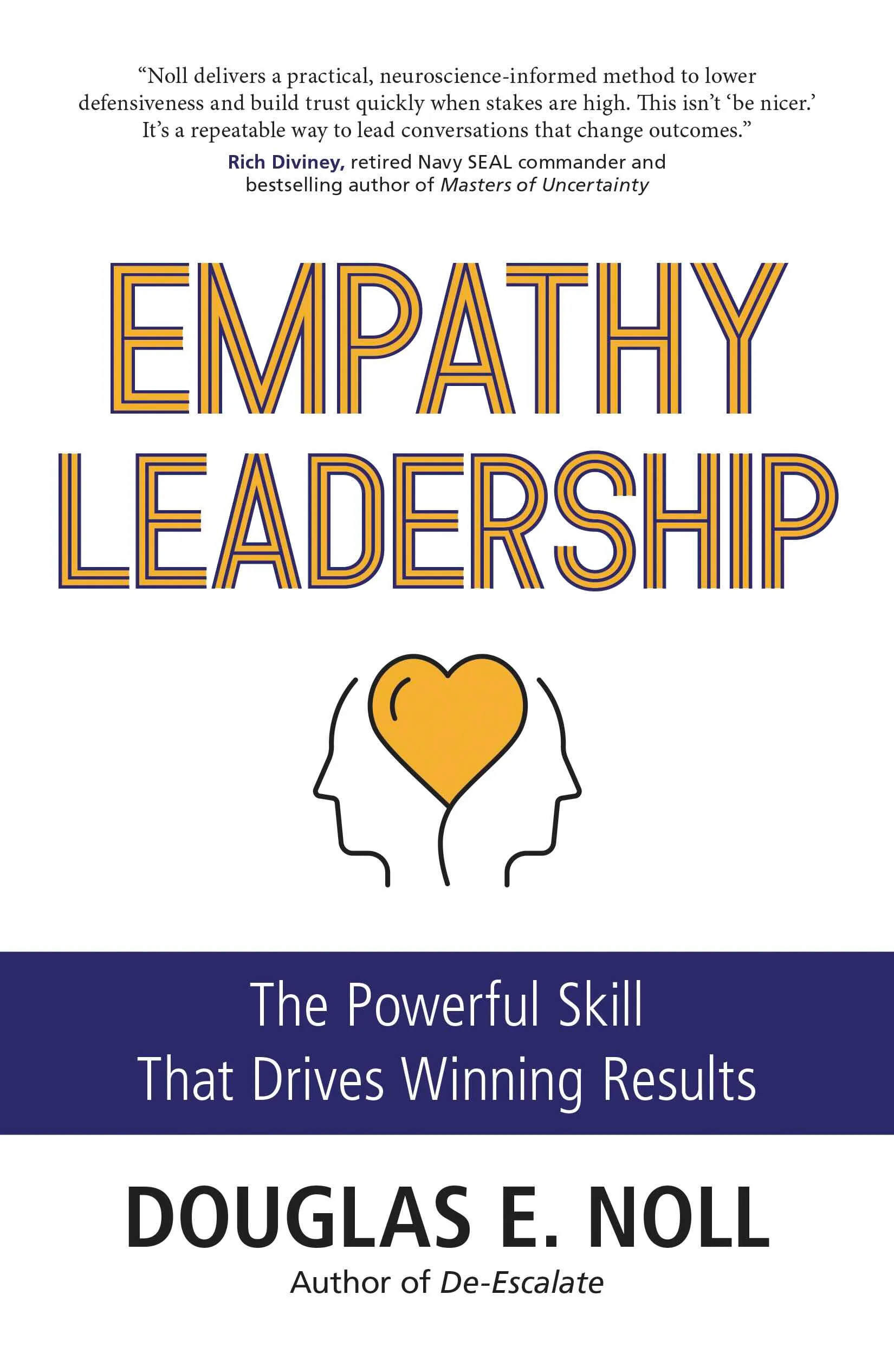
Empathy Leadership: The Powerful Skill That Drives Winning Results is out now. Order on Amazon, or if a 20-minute call would be more useful, Doug's calendar is here.
Emotional Competence Shapes Your Influence as a Leader
This 90-second emotional competence quiz will tell you how your emotions affect the way you are treated at work and how to gain the respect and influence you deserve as a leader.
Take the Free Assessment
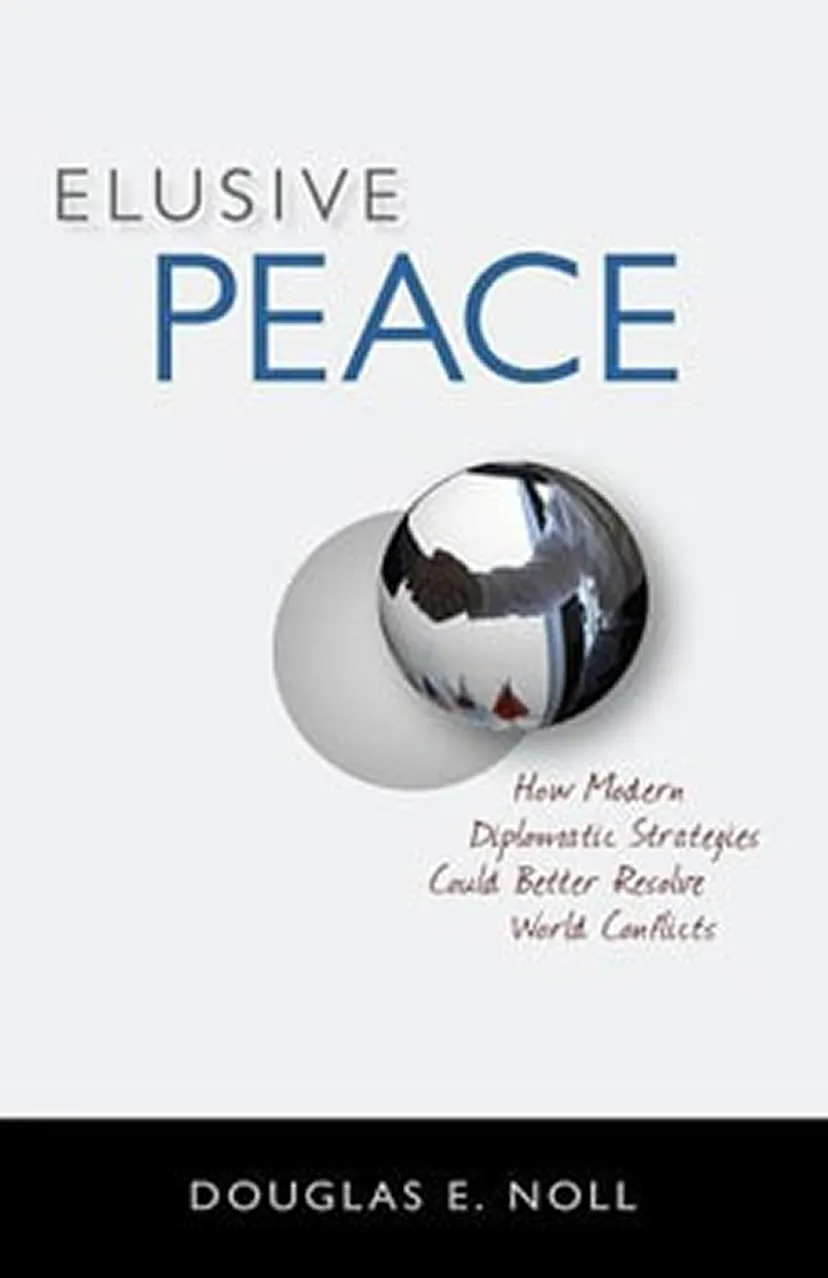
Doug’s Books
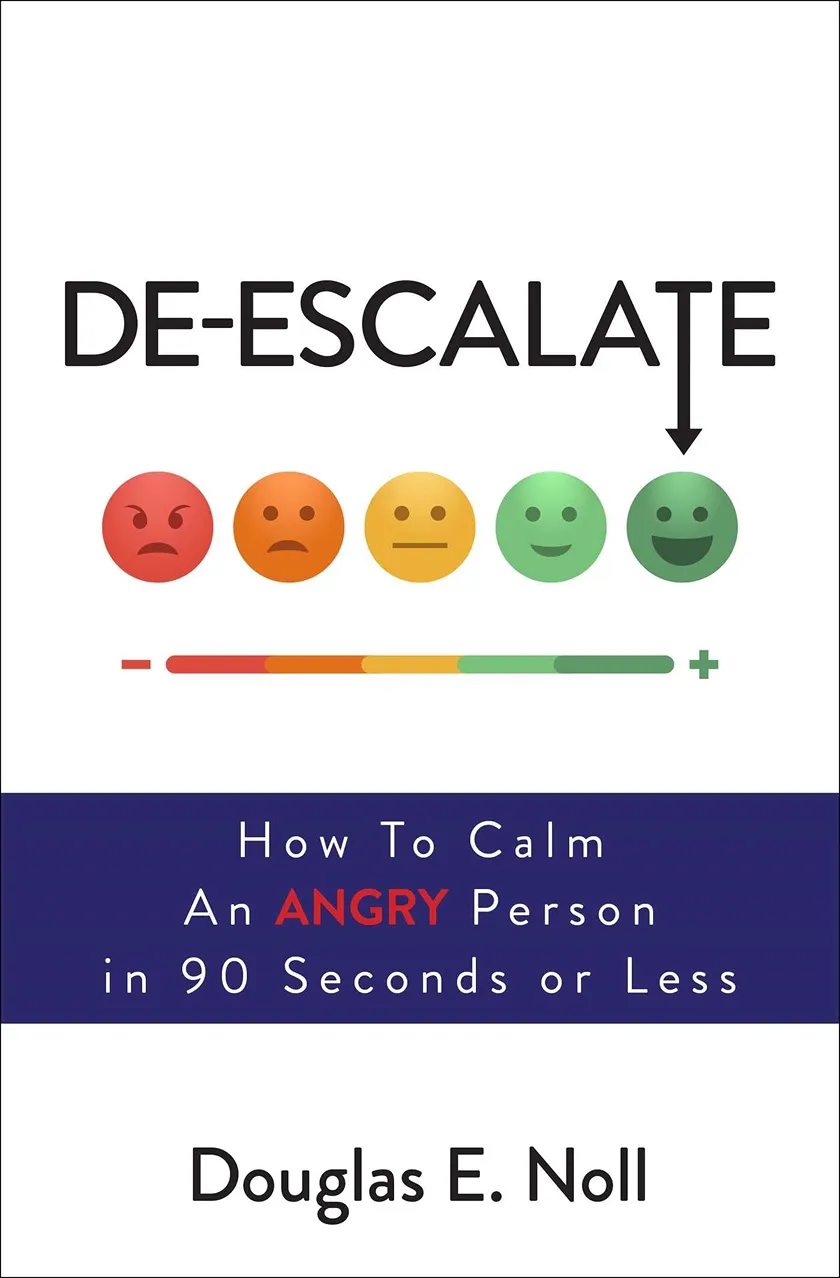
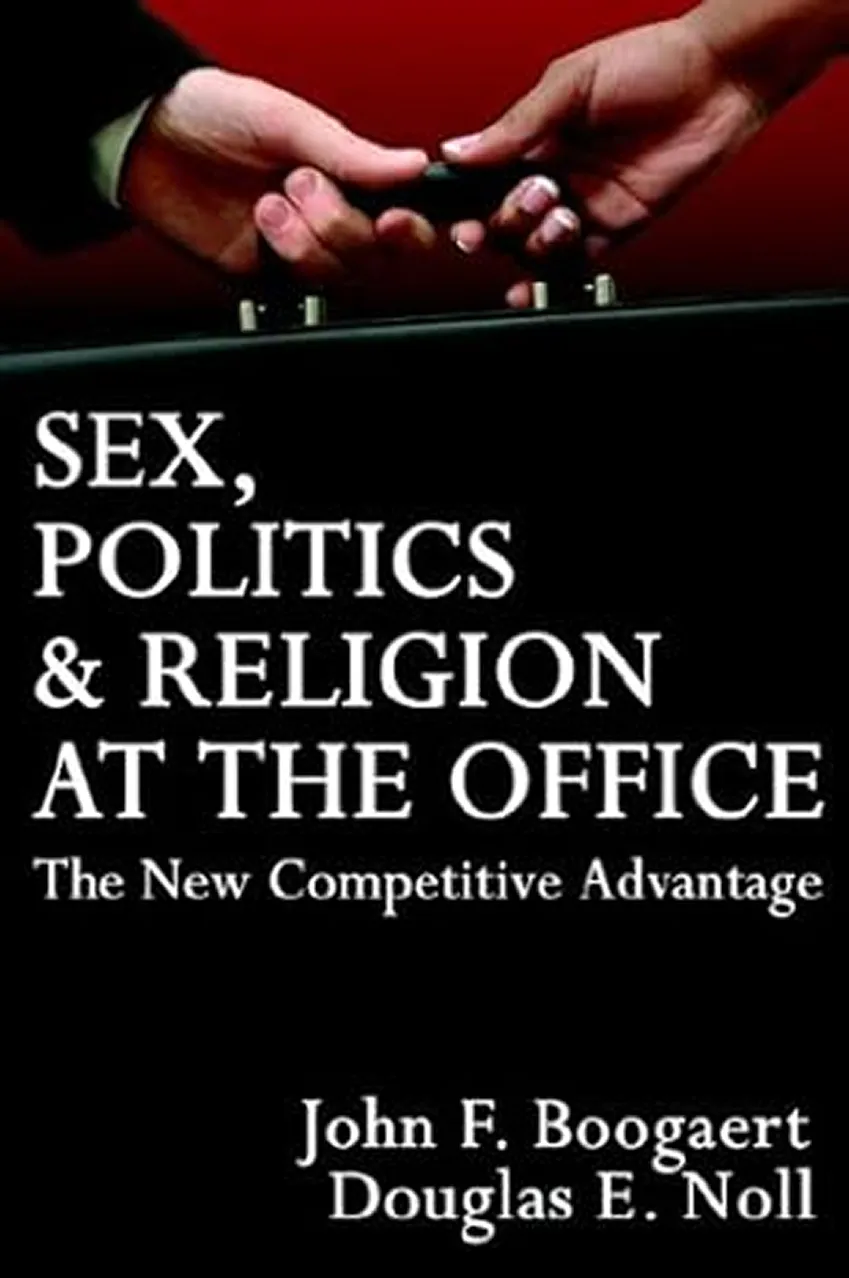
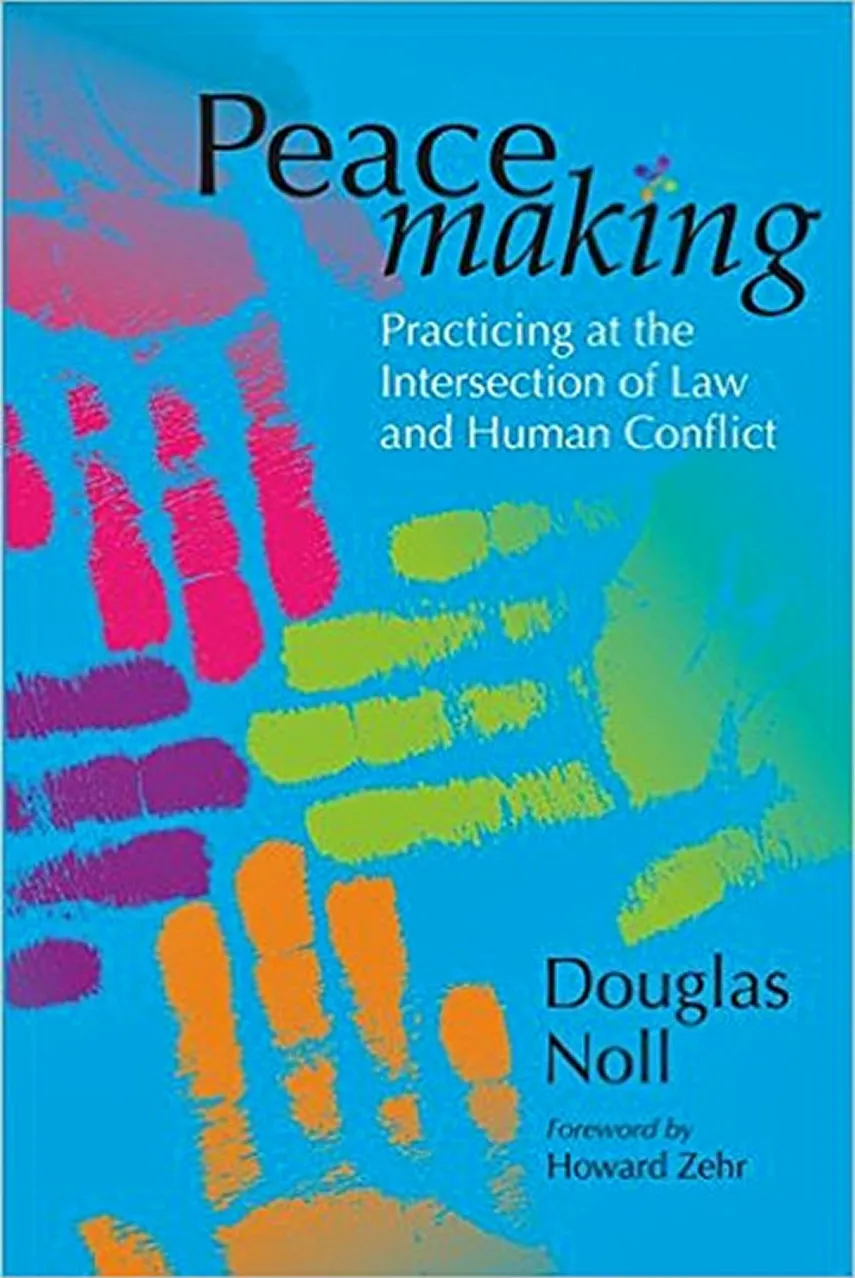
Doug has authored several books on affect labeling and emotional competency, including De-Escalate: How to Calm an Angry Person in 90 Seconds or Less, which won multiple awards and has been adopted by organizations worldwide.
More Blogs
View All

November 26, 2026
The CHRO Who Finally Admitted Her Leadership Training Changed Nothing
Read Blog
November 25, 2026
The 6 Essential Interpersonal Communication Skills Examples That Separate Senior Leaders
Read Blog

November 25, 2026
7 Powerful Interpersonal Skills Examples Every Executive Should Model
Read Blog