Big Calls on Filtered Information
%201.avif)

He killed a product line in Q1 based on a churn rate that turned out to be seventy percent of the actual number. He green-lit a hire in Q2 that his VP of Engineering had known was a mistake but had presented as workable. He approved a marketing spend in Q3 on a projection his CMO had rounded up because she knew he liked rounder numbers.
He caught the pattern in Q4, only because he happened to see the original CFO spreadsheet before it had been reformatted for his review.
The original had shown a range. The version he had been receiving for the previous six quarters had shown only the midpoint. Nobody had lied. Everybody had made a small adjustment. The adjustments compounded.
How the filter forms
The filter was not built by his team. It was built by him, without his knowledge, through a thousand small responses to information he had received.
When his CFO had presented a wide range on a number two years earlier, he had responded by asking a series of sharp questions. Reasonable questions. Fair questions. His CFO had answered them and left the meeting slightly bruised. The following quarter, his CFO had presented a tighter range. Sharp questions again. The following quarter, his CFO had presented a single number. The sharp questions had stopped.
His CFO had not decided to hide information. Her nervous system had learned that a wide range triggered a specific cost. A single number did not. She had, without conscious intent, evolved a presentation style that minimized the emotional expense of being in the room with him.
Every executive who reported to him had done a version of the same evolution. The forecasts got cleaner. The status reports got tidier. The bad news arrived later, softer, and in fewer words. He had received all of this as competence. It had been survival.
How much is one unresolved conflict really costing your company?
What it cost to remove the filter
He could not simply announce it was safe to give him wider ranges. He had announced things like that before. His team had heard the words and continued behaving the way their bodies had learned to behave.
He had to prove it in a specific way. He had to receive a piece of ugly information and respond to it in a way his executive's amygdala would code as safe.
The next time his CFO brought him a number, he asked her what the range around it looked like. She said, "The midpoint is what I brought you." He said, "I know. I am asking what you did not bring me."
She hesitated. He waited. Eventually she gave him the range. It was three times wider than the midpoint suggested.
His instinct was to ask sharp questions. He noticed the instinct. He did not follow it. Instead he said, "You have been worried I would react badly if you showed me the range." She said yes. He said, "I understand why. That is on me. Bring me the range next quarter."
The move he used is called affect labeling. Naming her emotion accurately lowered her nervous system's threat response in real time. Her prefrontal cortex reopened. She was able to think about the number rather than about him.
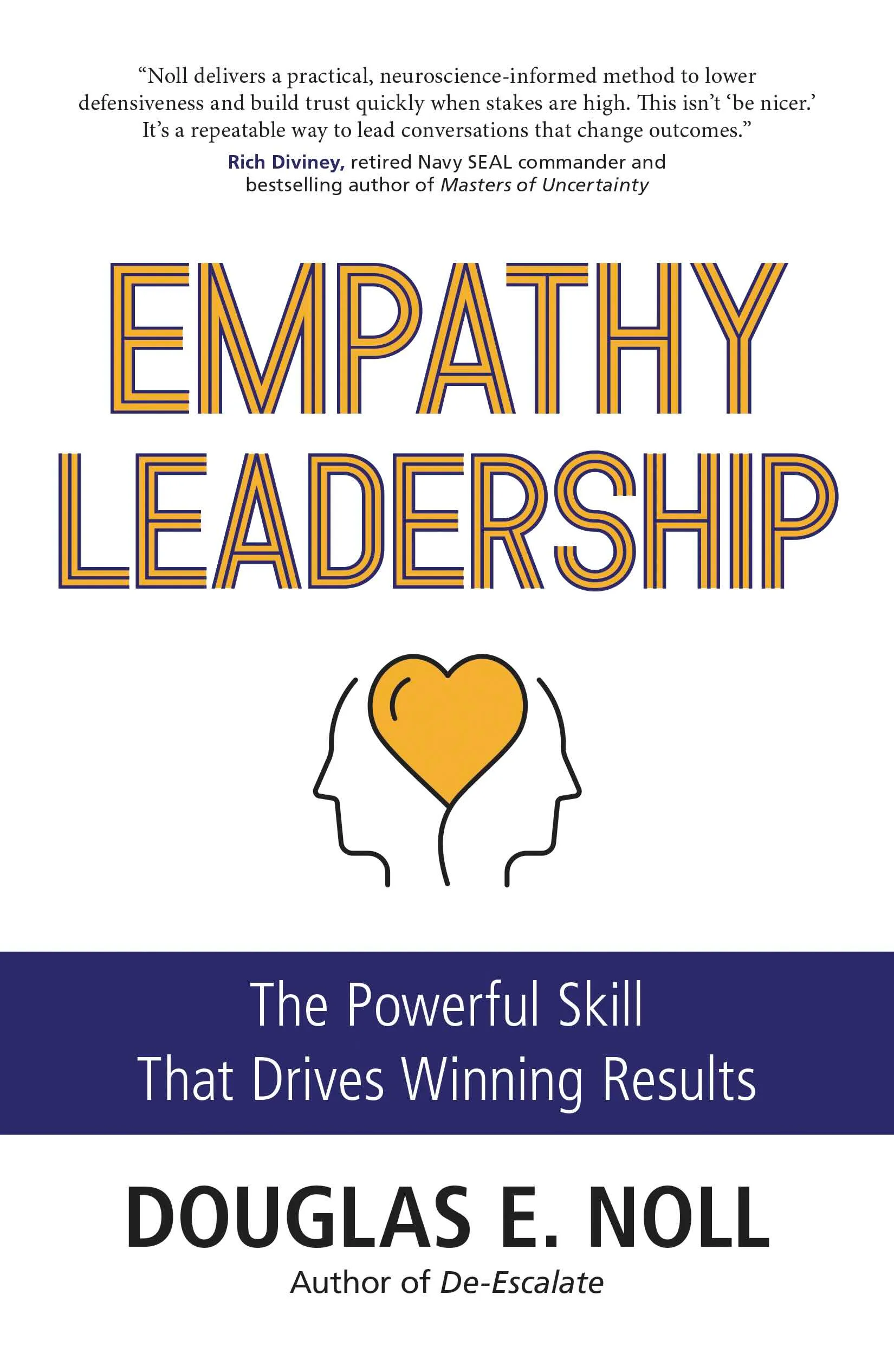
Doug Noll's new book Empathy Leadership: The Powerful Skill That Drives Winning Results lays out the moves leaders use to remove the filter they did not know they had installed. See it here.
What arrived once the filter was gone
The information got harder. It also got useful.
He learned that his Head of Sales had known for two quarters that a major account was at risk. She had not raised it because she had been trying to save it herself. Once she trusted the room, she surfaced it early enough for the company to defend.
He learned that his Head of Product had two significant concerns about the roadmap. Concerns his CFO had not been aware of and could not have addressed without them being spoken. The concerns were solvable. They had not been solved because they had not been said.
The decisions he made in the following year were not smarter. They were made on better inputs, which is a different variable. Better inputs did not require a new coach or a new operating cadence. They required him to be a room his team could tell the truth to. That was cheaper to fix than he had assumed, and more expensive to have kept broken than he had understood.
Emotional Competence Shapes Your Influence as a Leader
This 90-second emotional competence quiz will tell you how your emotions affect the way you are treated at work and how to gain the respect and influence you deserve as a leader.
Take the Free Assessment
Doug’s Books
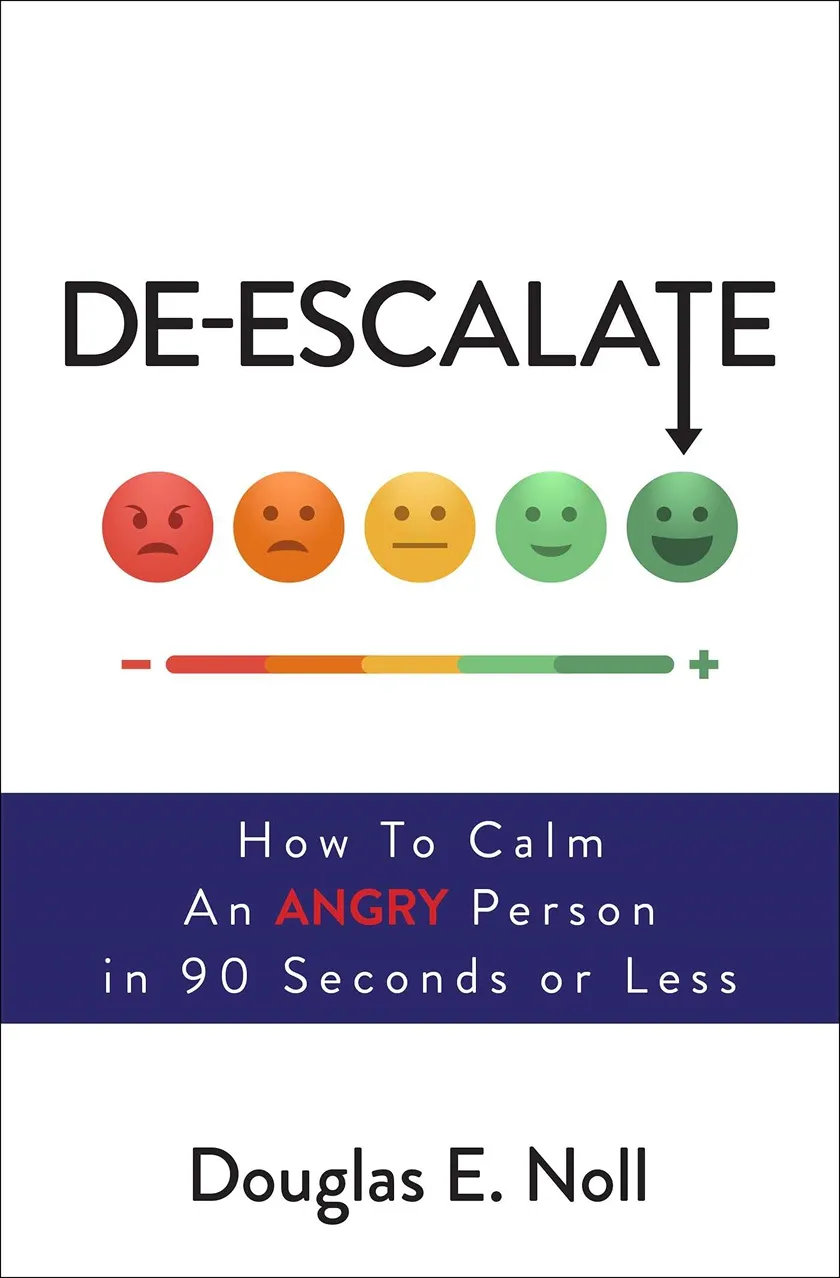
Doug has authored several books on affect labeling and emotional competency, including De-Escalate: How to Calm an Angry Person in 90 Seconds or Less, which won multiple awards and has been adopted by organizations worldwide.

More Blogs
View All

October 23, 2026
6 Powerful Reasons De-Escalation Training for Employees Doesn't Scale (and the Fix)
Read Blog

October 23, 2026
How Executive Dispute Mediation Actually Resolves a Board-Level Rupture
Read Blog

October 22, 2026
4 Critical Failures of Most Corporate Mediation (and the Approach That Works)
Read Blog