The 360 That Confirmed What Everyone Already Knew
%201.avif)

The report was seventy pages. The consulting firm had done thirty-two interviews. His team, his board, his direct reports, three former employees who agreed to speak on background.
The findings were not surprising to anyone. He interrupted more than he thought he did. He was harder on his female VPs than his male ones in ways he had never noticed. He communicated with sharpness when he felt cornered. His team loved him and were also slightly afraid of him.
He read the report in one sitting on a Sunday morning. He made himself a second coffee. He genuinely wanted to change.
Six months later, the coach who had commissioned the 360 asked his COO for an honest read. She said, "He read the report. He apologized to two people. Nothing else is different."
Why 360s do not usually move behavior
A 360 review delivers information. That is the entire product.
Information is what changes strategy. Information is not what changes behavior. Behavior lives in the nervous system, and the nervous system is not moved by a report. It is moved by rehearsal.
The CEO who read his 360 on Sunday morning was in a regulated state. His prefrontal cortex had full access to every finding in the report. He could see himself accurately. He could plan differently. He could commit to change with genuine intent.
By Monday at 10 AM, he was in a leadership meeting where his Head of Product raised a concern he found insulting. His amygdala fired within a second. The version of him that had read the report on Sunday was no longer in the room. The version of him that was in the room was the version that had produced the patterns in the report in the first place.
Behavior does not change when we know we should behave differently. Behavior changes when the nervous system can stay regulated long enough for the prefrontal cortex to choose.
How much is one unresolved conflict really costing your company?
What the coach could have done differently
She could have skipped the report entirely.
She could have spent the same budget on twelve weekly one-hour sessions in which the CEO practiced one specific move under mild stress. Not information. Rehearsal. The nervous system learns by repetition under conditions similar to the ones it will need to perform in.
The move he needed to practice was small. When someone said something that felt like an attack, the move was to pause for two seconds, name what the person was feeling in one flat sentence, and then respond to what they had said. Doug Noll's work on affect labeling shows that this specific move, done accurately, drops cortisol in both the speaker and the listener within seconds.
Practiced weekly for three months, under progressively higher stakes, that move becomes available in the moment. The CEO's Monday-morning nervous system starts to reach for it before the amygdala can hijack the room.
The 360 could have been thrown out. Not because the findings were wrong. Because knowing the findings was not what would change anything.
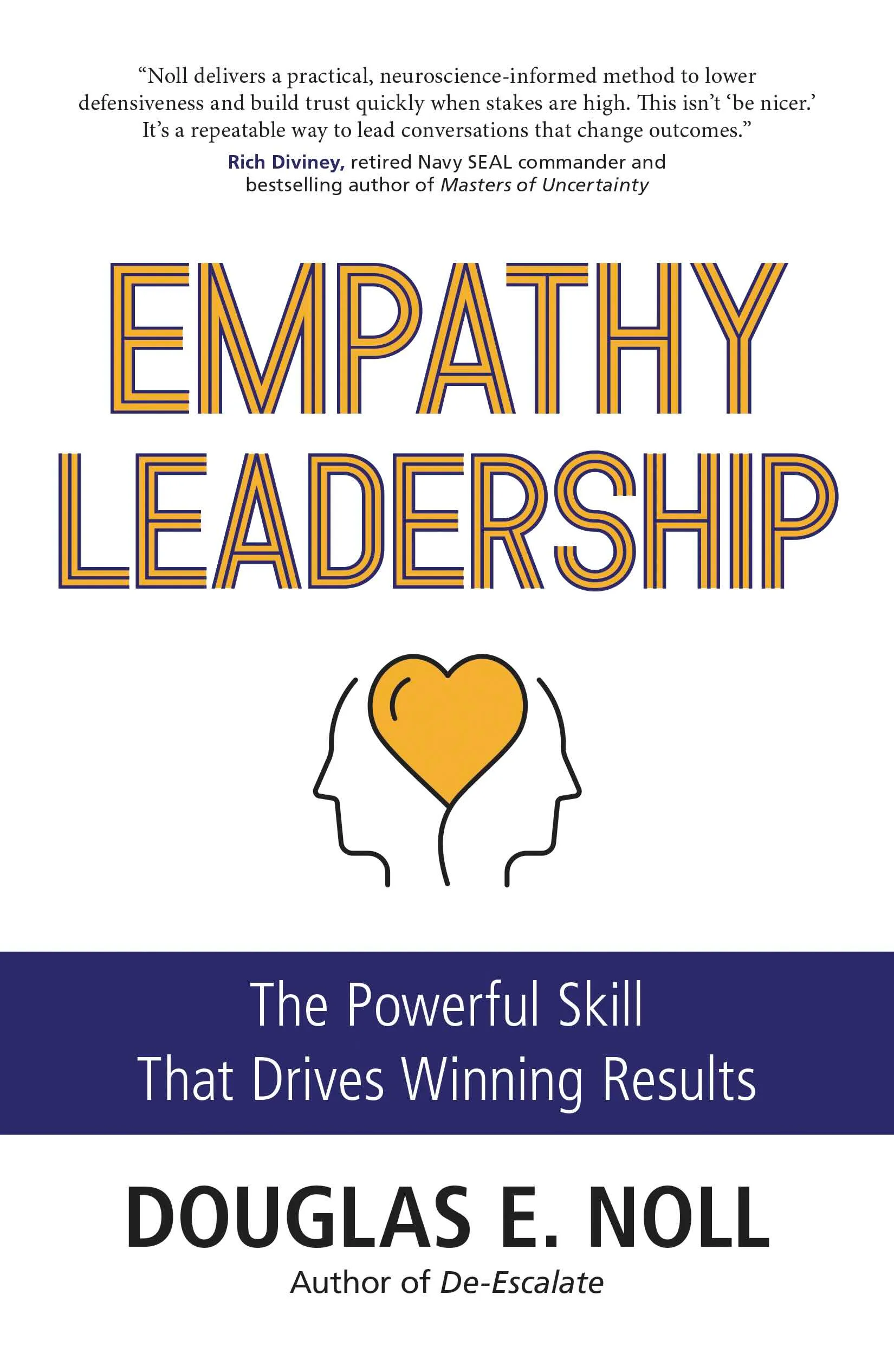
Doug Noll's new book Empathy Leadership: The Powerful Skill That Drives Winning Results lays out the practice leaders use to install what their 360 could only diagnose. See it here.
What the CEO did in the end
He hired a different kind of coach the following year. Not one who wrote reports.
She did not send him a document. She sent him a calendar invitation for a weekly hour on Wednesdays. The first six weeks they worked on one sentence. Just one. The sentence he would say when he felt the impulse to interrupt.
By month three, his COO noticed he had started interrupting his Head of Product less. She was not sure when it had happened. It was small enough that nobody named it, and important enough that his Head of Product started raising concerns in the room again.
The 360 was in a drawer. The change was in the room.
Emotional Competence Shapes Your Influence as a Leader
This 90-second emotional competence quiz will tell you how your emotions affect the way you are treated at work and how to gain the respect and influence you deserve as a leader.
Take the Free Assessment
Doug’s Books
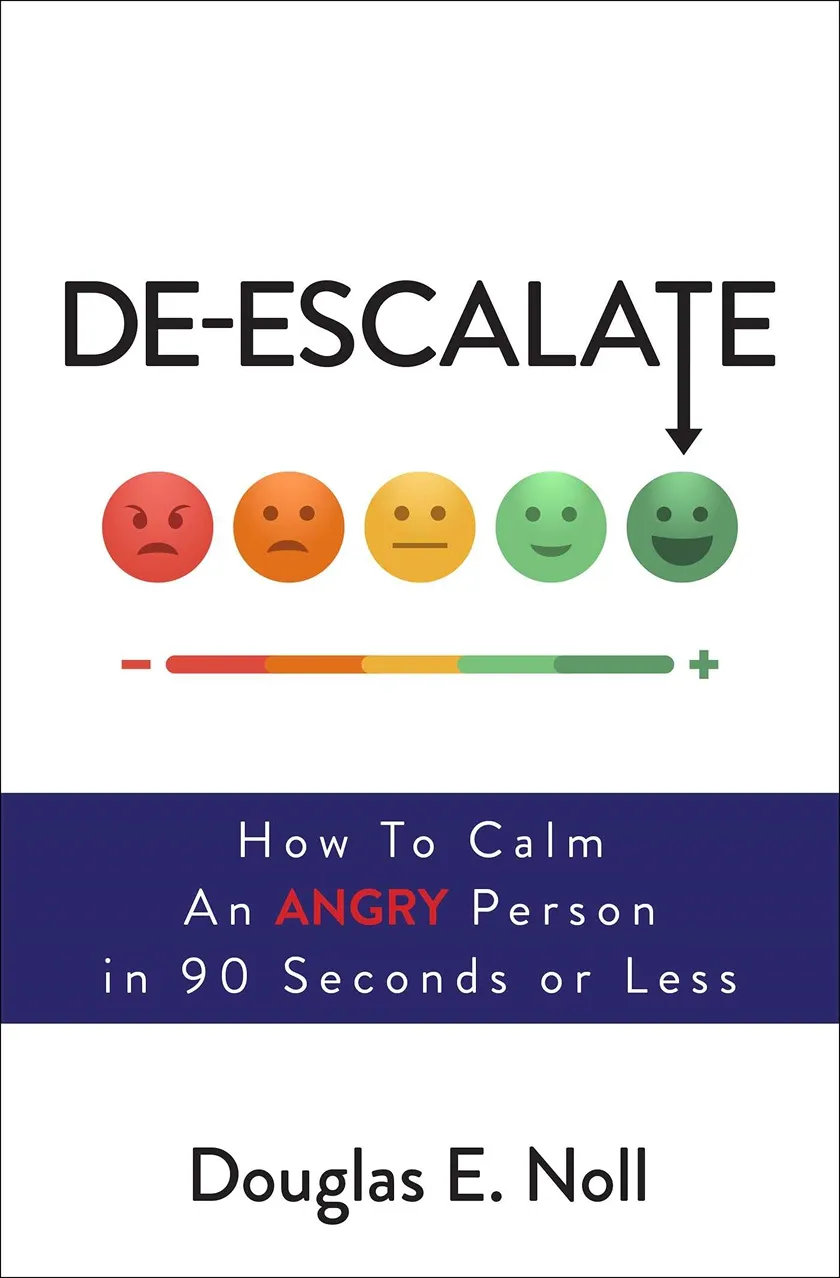
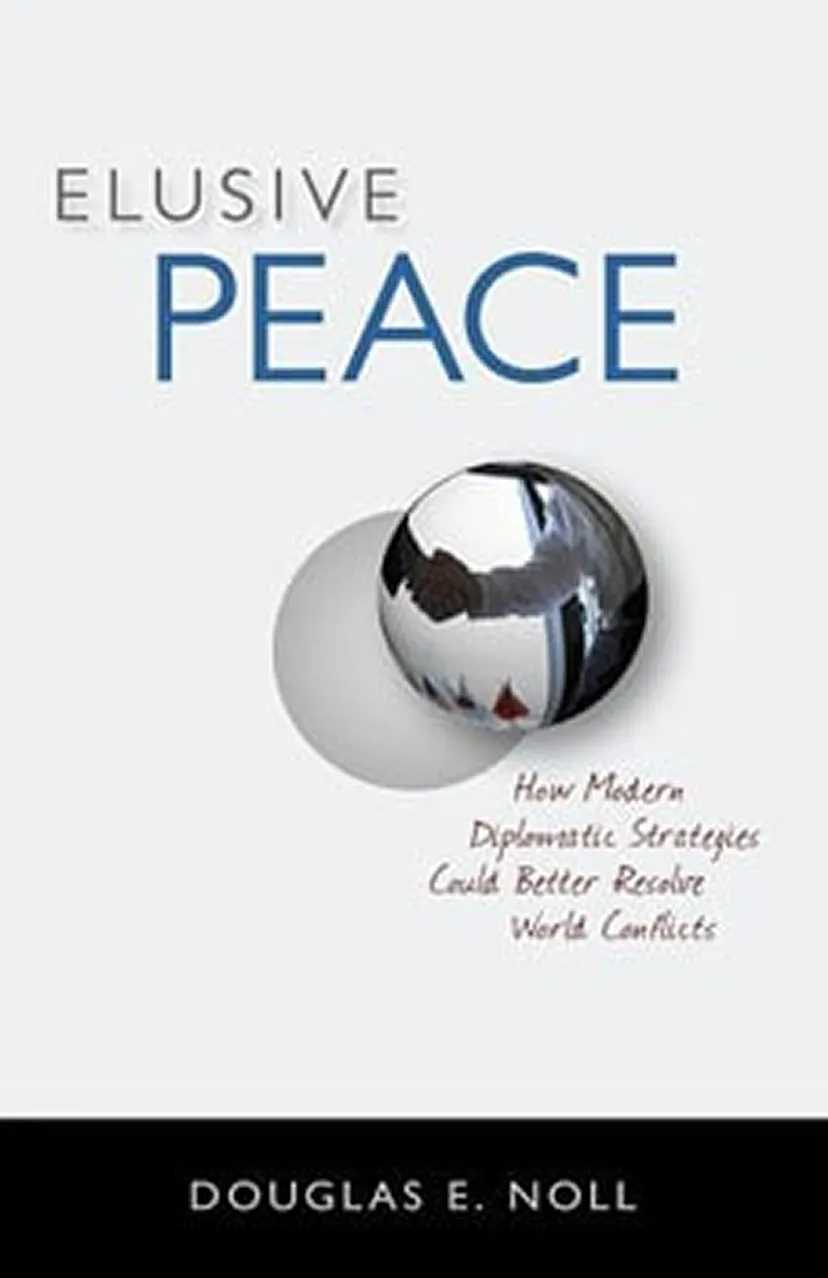
Doug has authored several books on affect labeling and emotional competency, including De-Escalate: How to Calm an Angry Person in 90 Seconds or Less, which won multiple awards and has been adopted by organizations worldwide.

.jpg)