Why Empathy in Leadership Keeps Dying on Monday: 6 Hidden Causes


Monday morning. The CEO sat down with his coffee and realised, with mild dread, that nothing substantive had changed in his leadership meetings for three months.
The agenda ran smoothly. The updates landed on time. People left on schedule. He had been reading about empathy in leadership for two years, had sent his executive team through an empathy programme, and had worked with a coach on his own listening skills. On paper, everything was in place. In practice, the leadership meetings had the specific flatness that comes from empathy being talked about but not deployed.
Here are the six hidden causes of empathy in leadership dying on Monday morning, and the one structural change that reverses the pattern.
1. The empathy was pointed outward and never practised inward
Most empathy training teaches leaders to understand what their reports are feeling. Almost no training teaches leaders to notice what they themselves are feeling. The result is a leader who can label others accurately and remains blind to their own activation.
A leader whose own nervous system is dysregulated cannot deploy empathy, no matter how well-trained they are. Their own state interferes with their reading of the room. By 10am Monday, the CEO's cortisol is already elevated from the weekend's email backlog, and the empathy skill set is offline for the rest of the day.
The reversal starts with inward noticing. Three times a day, the leader checks their own state. Shoulders. Breath. Jaw. The data from this becomes the input to whether empathy is available at all in the next conversation.
2. The empathy requires space that leadership meetings do not create
Standard leadership meetings run on efficient agendas with time pressure. Empathy requires space. The two are incompatible. A leader cannot deploy real empathy in a meeting designed to process twelve agenda items in 60 minutes.
The structural fix is to leave specific empathy space in the meeting design. Five minutes at the start where each person says one true thing about the week. Three minutes at the end where anyone can name something unresolved. The space does not have to be large. It has to exist.
Meetings without any empathy space produce leaders who treat empathy as an aspiration rather than a practice. By Monday afternoon the aspiration is gone.
3. The leader above the CEO was never addressed
If the CEO is the top of the organisation, their only reinforcement is their board and their own peers. If neither of those is doing empathy work, the CEO's empathy practice has nowhere to land outside their own leadership team. The organisation reinforces the behaviour below the CEO and ignores it above.
In this specific case, the CEO had a board that treated every interaction as a quarterly review. His own practice could not survive the board context, so it quietly weakened across the year.
The fix for a CEO is to work on their own peer environment. Peer groups, roundtables, or structured relationships with other CEOs who are doing the same practice. Without a peer environment, the CEO's empathy work has no horizontal reinforcement and tends to decay.
4. The organisation reads empathy as a project, not a protocol
If empathy has been positioned as a project (a programme, an initiative, a workshop), the organisation treats it as something that can be completed. Once completed, it moves off the active-attention list. The behaviour fades because the organisation has decided the work is done.
If empathy is positioned as a protocol (a specific practice that is run continuously), the organisation treats it as ongoing work. The behaviour sustains because the organisation is still paying attention to whether it is happening.
The language choice matters more than it seems. "Our empathy programme" dies by Monday. "Our affect labeling protocol" is still running six months later.
If a 10-person leadership team is losing 90 minutes a week to decisions that have to be revisited because they were made without empathy input, that is roughly $235,000 a year at exec hourly rates. The exact number is a two-minute input in Doug's cost of conflict calculator.
5. The pressure situations were the training rooms, not the actual meetings
Empathy skills get built where they are rehearsed under stress. Most empathy training rehearses under calm, which produces no transferable capability. By Monday morning, under real pressure, the skill is not available because it was never built for pressure.
The fix is to put rehearsal under stress into the training design, with trained resistant partners who actively push back on the leader until the leader can deploy the protocol while physiologically activated. This is uncomfortable training. It is also what produces behaviour that survives Monday.
6. The CEO was the only person who went through meaningful depth
The CEO had done more empathy work than any of his executives. His coach, his reading, his personal practice. The rest of the leadership team had received the one-off programme. The gap between the CEO and the team meant the CEO was deploying a protocol the team did not recognise, so the team did not reciprocate, so the CEO's protocol kept being met with normal operational behaviour and gradually faded.
A leader cannot sustain empathy practice alone in a team that does not share the practice. The team has to be trained to the same depth, or the leader's practice erodes.
Doug Noll teaches Decision-Making Under Stress and Conflict at Pepperdine's Straus Institute, has mediated complex business disputes for 25 years, and co-founded the Prison of Peace Project. His work with CEOs focuses on building the structural conditions that sustain empathy practice past the point where motivation runs out.
Doug runs a quarterly Roundtable with six to eight founders working the same leadership-room problem in one room. The next one is $7,500 a seat. See if the Roundtable fits.
The structural change
The CEO rebuilt his leadership meeting design around five minutes of structured empathy practice at the start and three minutes of unresolved-thing acknowledgment at the end. He trained his entire executive team to the same depth he had done personally. He joined a peer group of three other CEOs working the same practice.
Six months later, the Monday leadership meetings had substantive content again. Not because anyone had taken another workshop. Because the structural conditions had changed.
For related reads, see why empathy as a leader is still mistaken for weakness and what emotional mastery for leaders looks like in a boardroom crisis.
Empathy in leadership does not die from lack of commitment. It dies from six specific structural conditions. Change the conditions and the behaviour sustains.
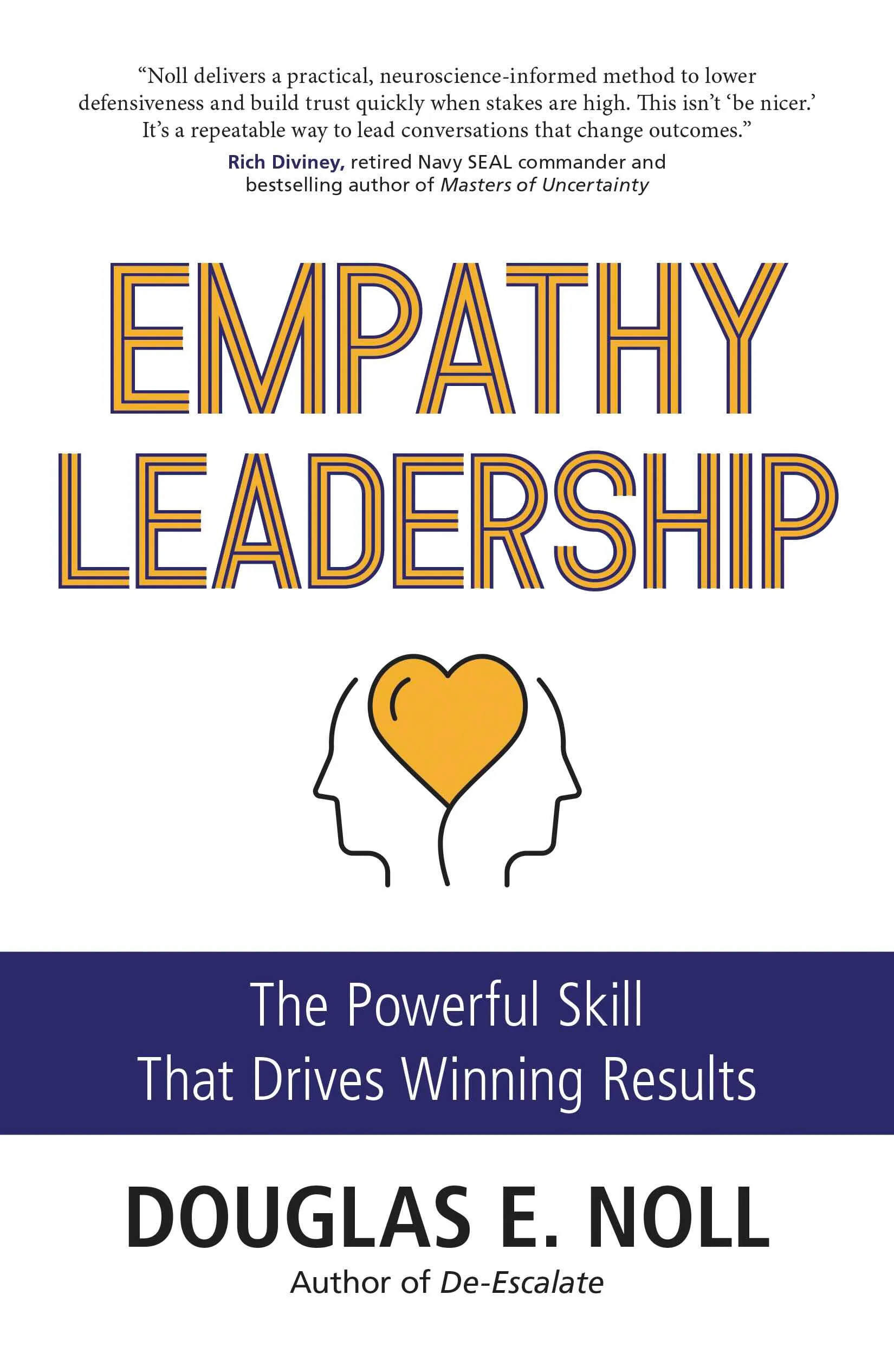
Empathy Leadership: The Powerful Skill That Drives Winning Results is out now. Order on Amazon, or if a 20-minute call would be more useful, Doug's calendar is here.
Emotional Competence Shapes Your Influence as a Leader
This 90-second emotional competence quiz will tell you how your emotions affect the way you are treated at work and how to gain the respect and influence you deserve as a leader.
Take the Free Assessment
Doug’s Books
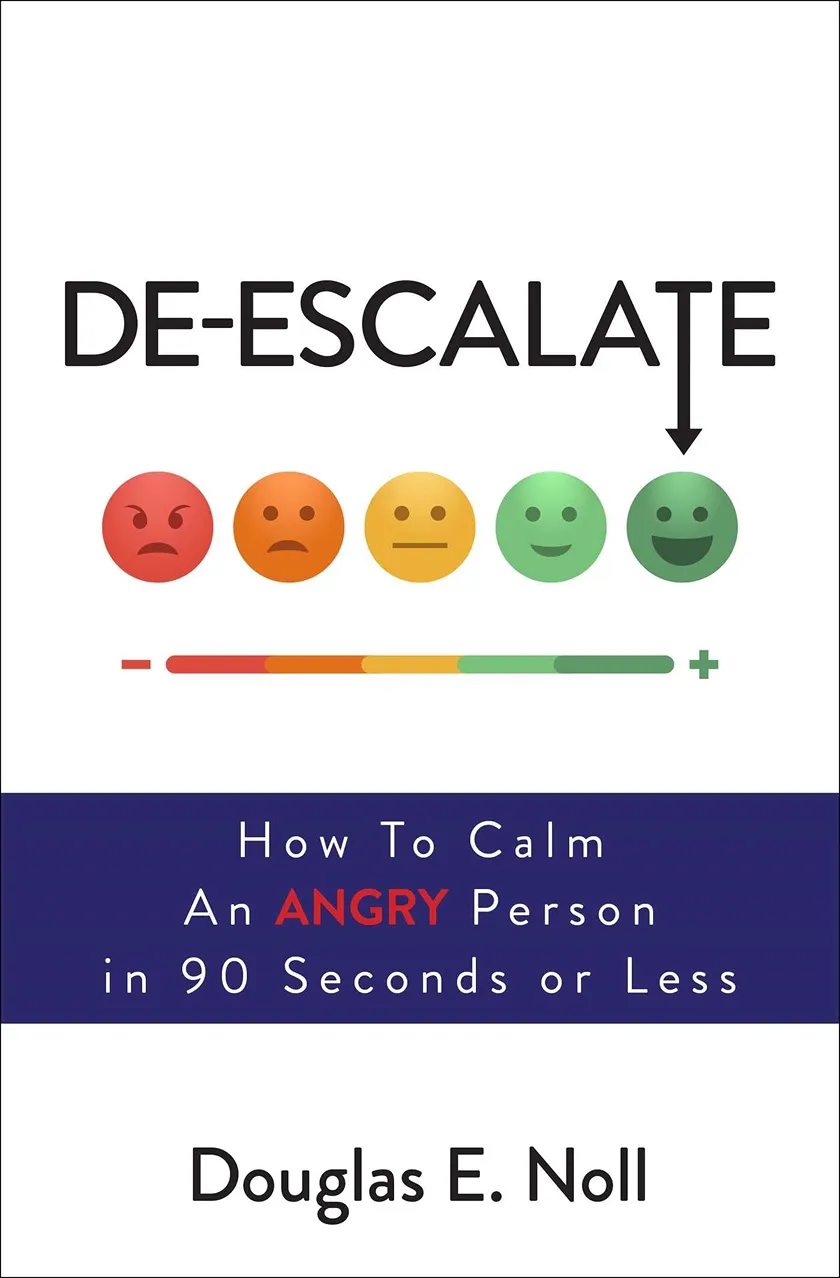
Doug has authored several books on affect labeling and emotional competency, including De-Escalate: How to Calm an Angry Person in 90 Seconds or Less, which won multiple awards and has been adopted by organizations worldwide.