She Won the Deal by Refusing to Present
%201.avif)
The RFP had a two-hour slot and a required format.
Company overview, methodology, team, case studies, commercials, questions. Four firms shortlisted. She was the smallest by a factor of six.
She had been told informally by someone on the client side that two of the other three had already presented and that one of them was the incumbent's obvious successor.
She walked in with no deck.
What she said first
"I have a presentation and I will send it after. I would rather use the two hours on something else if you will let me. Can I ask you three questions instead?"
The senior client in the room, a COO, said, "Go ahead," in the tone of someone who has decided to be entertained for ten minutes before the meeting resumes as expected.
The three questions
"What has the last agency got wrong that you have not put in the brief?"
The room hesitated. Then the marketing director said something that was not in the brief, which was that the last agency had been technically excellent and had never once pushed back on anything, and that the work had been mediocre as a result.
"Who in this room disagreed with the brief and got overruled?"
Longer hesitation. The COO laughed. A younger person on the client side, who had not spoken, said, "I did."
She asked him what his position had been. He gave a version of the brief that was materially different in scope, and better.
"If this goes badly in eighteen months, what will have happened?"
Everyone answered this one. Four different answers, three of which contradicted each other, which told her the room had never aligned on what failure looked like and therefore had never aligned on what success required.
What the two hours became
She spent the remaining ninety minutes on the gap between the brief and what the room actually wanted.
She did not pitch. She did not describe her methodology. At one point the COO asked her about team composition and she said she would send it, because it was not the most useful thing they could be doing with the time.
At the end she said, "I do not think you should run this brief. I think you should run the one Marcus described, and I would like to come back in a week with a version of that if you are open to it."
She was not asked back in a week. She was awarded the work in the room, subject to a commercial conversation.
Why it worked
Not because the questions were clever. They are reasonable questions and any competent consultant could produce them.
It worked because of what the questions did to the state of the room.
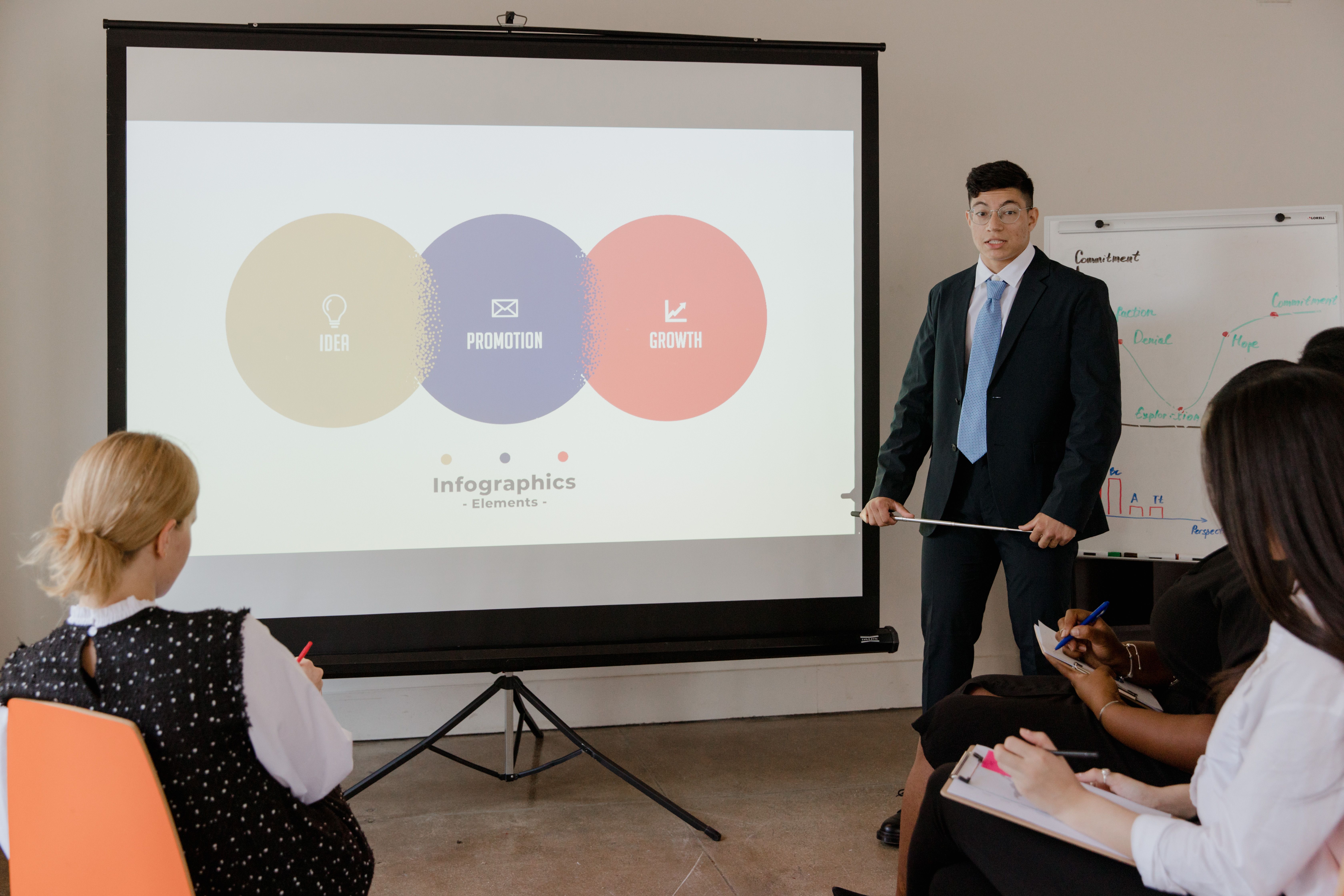
A pitch puts the client in an evaluative posture. They sit back, they assess, they compare against the other three. It is a low-information state for both parties and everyone has been in it many times.
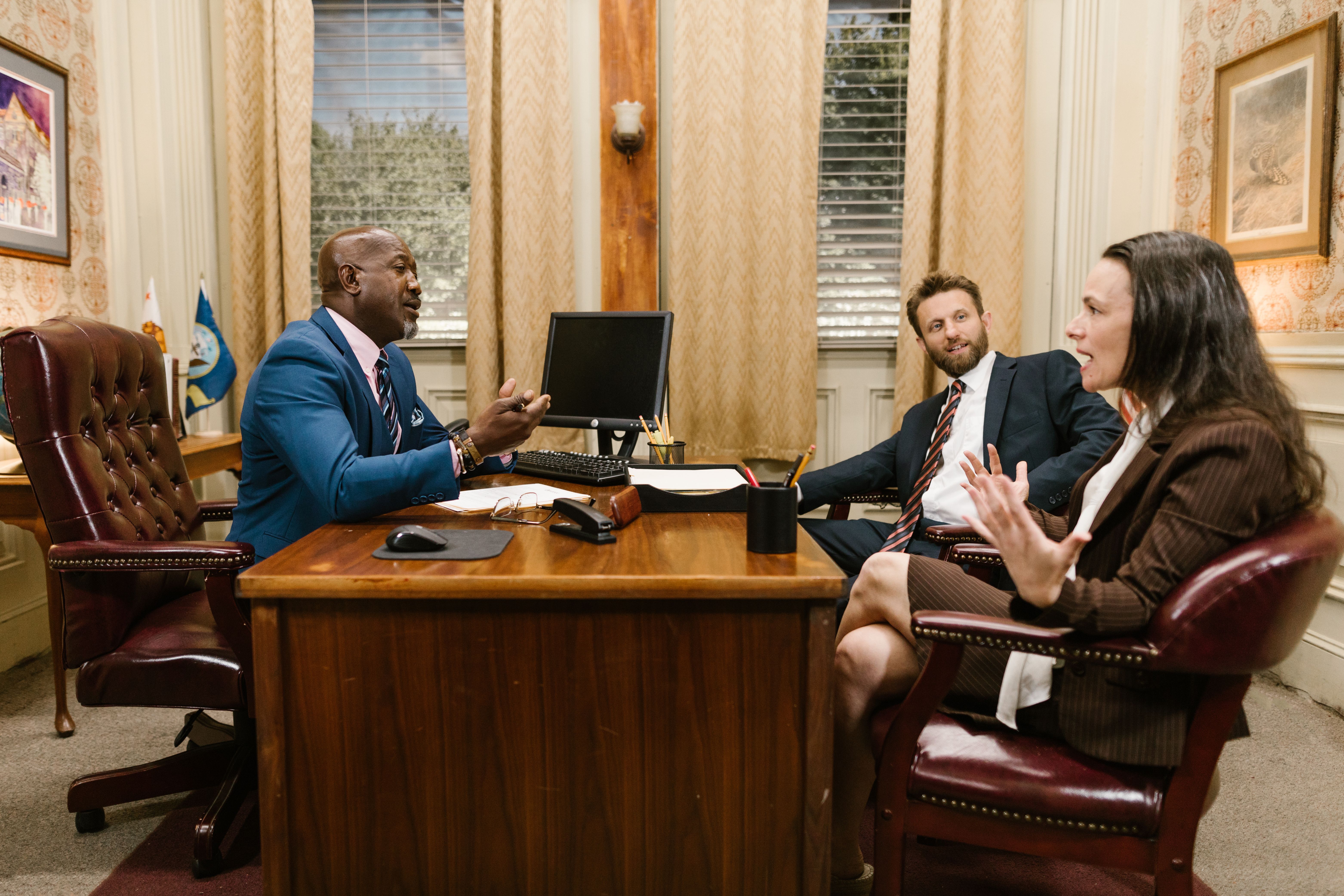
Questions put the client in a disclosive posture, and disclosure changes the relationship immediately. By the time the third question was answered, the room had told her four things that were not in the brief, and had experienced her as someone who could hear them.
This is active listening in its useful form rather than its performed form. She was not reflecting back or demonstrating attention. She was asking questions designed to surface what the brief had suppressed.
Doug Noll's new book Empathy Leadership: The Powerful Skill That Drives Winning Results covers the questions that change what a room is willing to tell you. Pre-order it on Beyond Words.
The risk, honestly
This does not always work and she has lost deals doing it.
It fails in two situations. When the buying process is genuinely procurement-led and the decision is being made on a matrix, refusing to present the matrix inputs is disqualifying. And when the room is junior and does not have the authority to redefine the brief, the questions produce discomfort with no available outcome.
She now asks one thing before deciding whether to do this. "Who will be in the room and can they change the brief?"
If the answer is no, she presents.
The transferable part
You do not have to refuse to present.
The transferable move is the second question, and it works in almost any negotiation or sales context: "Who here disagreed with this and got overruled?"
It presupposes disagreement, which gives permission. It is specific enough that "nobody" is a visible dodge. And the person who answers it becomes your best source of information about what the deal actually requires, because they have been thinking about the gap for longer than anyone.
Most rooms have one. Almost nobody asks.
For related reads, see Empathetic Listening Beyond Scripts and Active Listening That Backfires.
If you keep losing to larger competitors on process, book a no-obligation Zoom call with Doug Noll.
Emotional Competence Shapes Your Influence as a Leader
This 90-second emotional competence quiz will tell you how your emotions affect the way you are treated at work and how to gain the respect and influence you deserve as a leader.
Take the Free Assessment
Doug’s Books
Doug has authored several books on affect labeling and emotional competency, including De-Escalate: How to Calm an Angry Person in 90 Seconds or Less, which won multiple awards and has been adopted by organizations worldwide.