Why the Retreat Photos Aged Badly
%201.avif)

The photo from the leadership retreat hung in the hallway outside the CEO's office for over a year. Twelve people, arms around each other, genuinely laughing at something off camera. It had been a good weekend. People had opened up during the evening sessions in ways that surprised even the facilitator.
Eight months after the photo was taken, four of the twelve people in it were gone. Two had resigned. One had been quietly performance-managed out. One had transferred to a different division specifically to get out from under a manager who was standing two people to her left in the photo, smiling.
The CEO noticed the pattern only when he was choosing a new photo to replace the old one and realized he could not use it, because a third of the faces no longer worked there.
What a good retreat weekend actually measures
The connection in that photo was real. People had genuinely bonded over the weekend, shared real stories, felt closer to each other by Sunday than they had on Friday. None of that was staged or false.
What the weekend had not measured, and could not measure, was what happened on the Tuesday four months later when one of those same warm relationships hit a real disagreement under real pressure. The retreat had built goodwill. It had not built a mechanism for what to do with that goodwill once a hard, high-stakes conflict actually arrived. Goodwill built in a low-stakes weekend evaporates fast under the load of a genuine dispute over budget, credit, or a missed deadline, unless the team has also practiced a specific way of handling that dispute when it shows up.
The four people who left had each, independently, described a version of the same experience afterward. The retreat had felt real. The following months back at work had felt like nothing from the retreat had carried over into how actual disagreements got handled.
How much is one unresolved conflict really costing your company?
What the retreat was missing structurally
The retreat had been designed around connection exercises: shared meals, a ropes course, an evening of vulnerable storytelling. It had not included a single exercise built around practicing an actual disagreement, the kind that would inevitably arise back at the office within weeks.
A team that has practiced feeling close to each other has not necessarily practiced the specific skill of staying regulated during a real conflict. Nervous system regulation under conflict is trainable, and the amygdala does not care that everyone got along on Sunday. Those are different capacities, built by different kinds of practice. The retreat had optimized entirely for the first and never touched the second, which meant the goodwill it built had no operational tool attached to it once the first real conflict tested it.
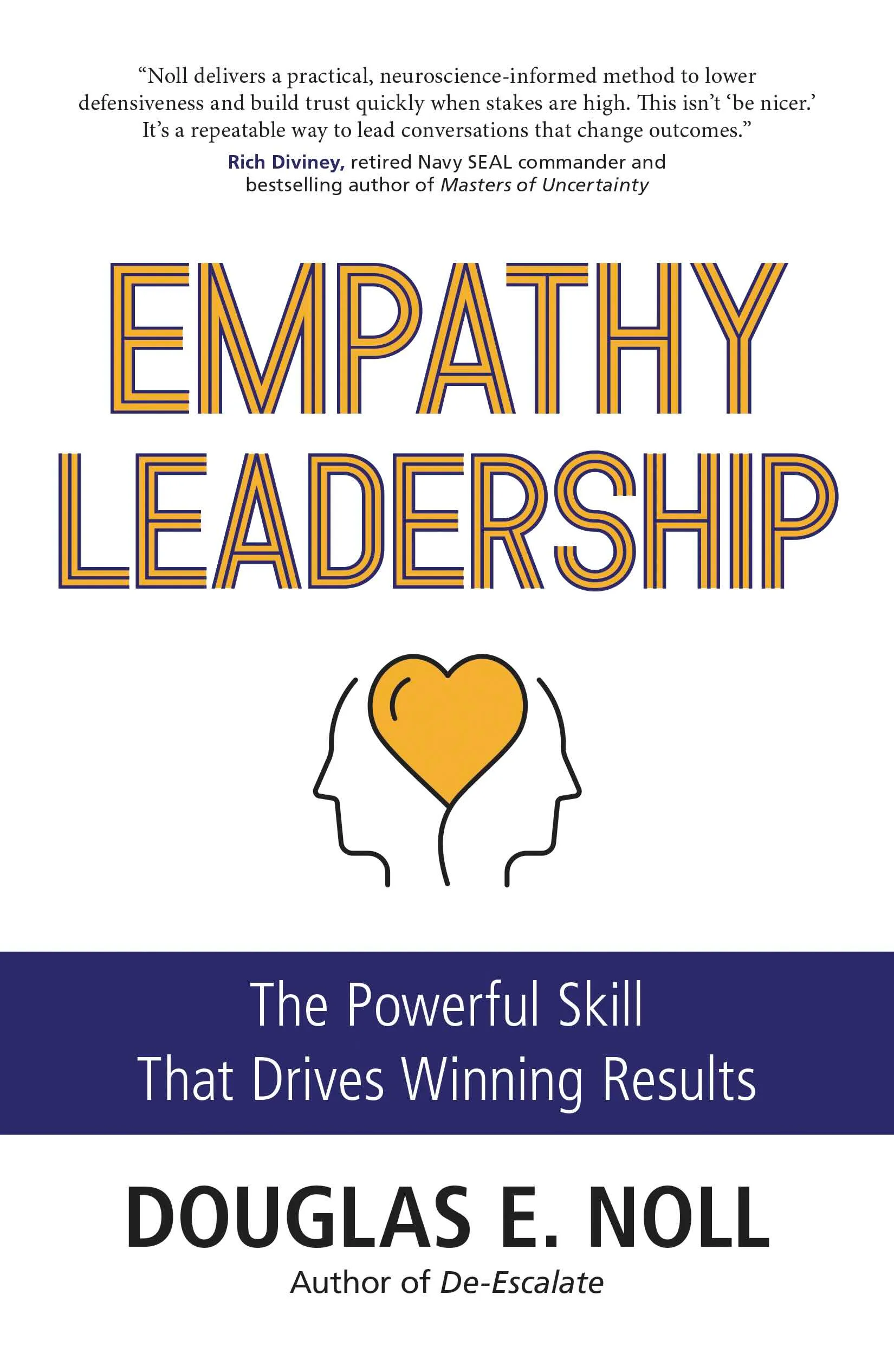
Doug Noll's new book Empathy Leadership: The Powerful Skill That Drives Winning Results lays out why a team that feels close on a retreat can still fall apart under its first real disagreement back at the office. See it here.
What the next retreat included
The following year's offsite kept the connection-building elements, because they were not the problem. It added a half-day session where each leader brought a real, unresolved disagreement from the last quarter and practiced working through it in front of the group, using a structured process for naming what each side felt before addressing the content.
It was a noticeably less comfortable day than the rest of the retreat. Three real disagreements got meaningfully closer to resolution during that half day than they had in months of avoiding them at the office. The new photo from that retreat is still on the wall. So is everyone in it.
Emotional Competence Shapes Your Influence as a Leader
This 90-second emotional competence quiz will tell you how your emotions affect the way you are treated at work and how to gain the respect and influence you deserve as a leader.
Take the Free Assessment
Doug’s Books
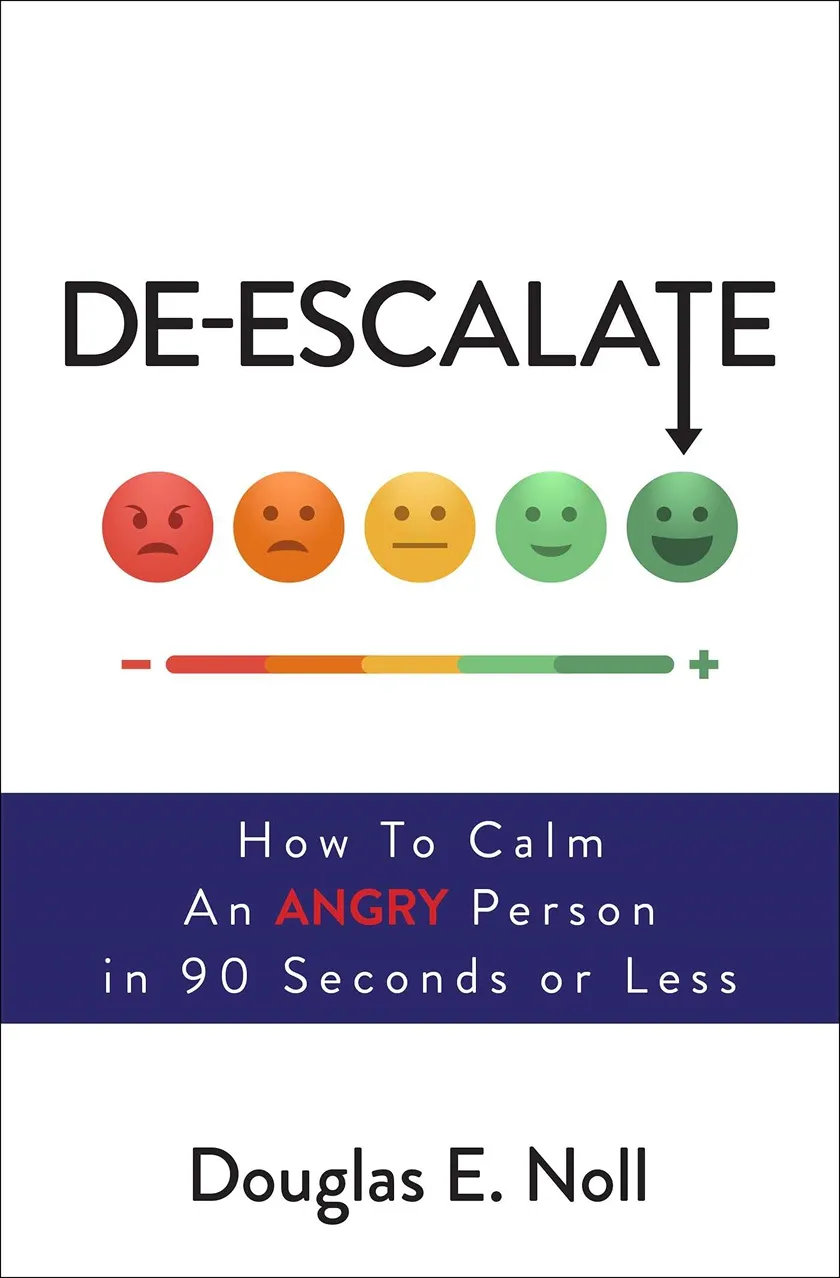
Doug has authored several books on affect labeling and emotional competency, including De-Escalate: How to Calm an Angry Person in 90 Seconds or Less, which won multiple awards and has been adopted by organizations worldwide.