The Term Sheet That Died Over One Sentence
%201.avif)

The term sheet had been in drafting for four weeks.
Series B, $34 million, a lead the founder had wanted since his first company. Economics agreed. Board composition agreed. The remaining items were a protective provision on future debt and a small disagreement about the option pool refresh, both of which the lawyers described as ordinary course.
On a Thursday evening the founder sent a follow-up email to the lead partner summarising where things stood.
Eleven paragraphs. Clear, organised, and reasonable. The tenth paragraph contained this sentence:
"To be honest, I'm not sure why this is still open given we agreed the principle three weeks ago."
The deal died the following Tuesday. The stated reason was portfolio construction.
What that sentence does
Take it apart.
"To be honest." Signals that what preceded it was not. Nobody means this, and it lands anyway, every time.
"I'm not sure why." Presented as confusion, received as an accusation of bad faith or incompetence. The reader supplies the missing subject, and the missing subject is you.
"Given we agreed the principle." Asserts a shared understanding that the other party has apparently violated. If they believe the principle was agreed differently, or was agreed subject to the drafting that is currently happening, this sentence tells them you consider them to be reneging.
"Three weeks ago." Adds duration, which converts a disagreement into a pattern of behaviour.
Twenty-one words, and the partner reading them at 9pm on a Thursday has just been told, by someone who wants his money, that he is being slow, unclear, and possibly dishonest.
What the founder meant
He was frustrated with his own counsel, who he privately thought was over-lawyering. He had drafted the email quickly, at the end of a hard day, and the sentence was aimed at nobody in particular.
He read it back before sending and thought it was direct. Direct was the culture he had built and he was proud of it.
He was also, in a way he did not fully register at the time, testing something. He had been slightly anxious for two weeks about whether the round was real, and there is a specific move that anxious people make, which is to press on the thing they are afraid of to find out where it stands.
Why the partner did not raise it
This is the part that founders consistently fail to model.
The partner was mildly irritated. Not enough to end a deal. He did not reply that evening.
On Friday he mentioned it in passing to a colleague, who asked to see it. The colleague's read was less charitable than his own, which is what happens when a sentence is read without the relationship around it.
On Monday, in the partners' meeting where the investment was being confirmed, someone who had not been close to the deal asked how the founder was to work with.
The lead partner said, accurately, "Mostly excellent. Slightly prickly when things move slowly."
That sentence, in that meeting, in a fund that had two other deals competing for the same allocation, was enough.
Nobody made a decision about the email. The email adjusted one input by a small amount at a moment when small amounts mattered.
The version that works
Same frustration. Same directness. Same request.
"On the debt provision, I want to make sure I understand where we are. My read was that we landed the principle three weeks ago and I may be missing what has opened back up. Can you tell me what is still live from your side so I can be useful?"
The information conveyed is identical. The founder is still pressing. The difference is that this version assumes the other party has a reason, which is both more likely to be true and considerably harder to take offence at.
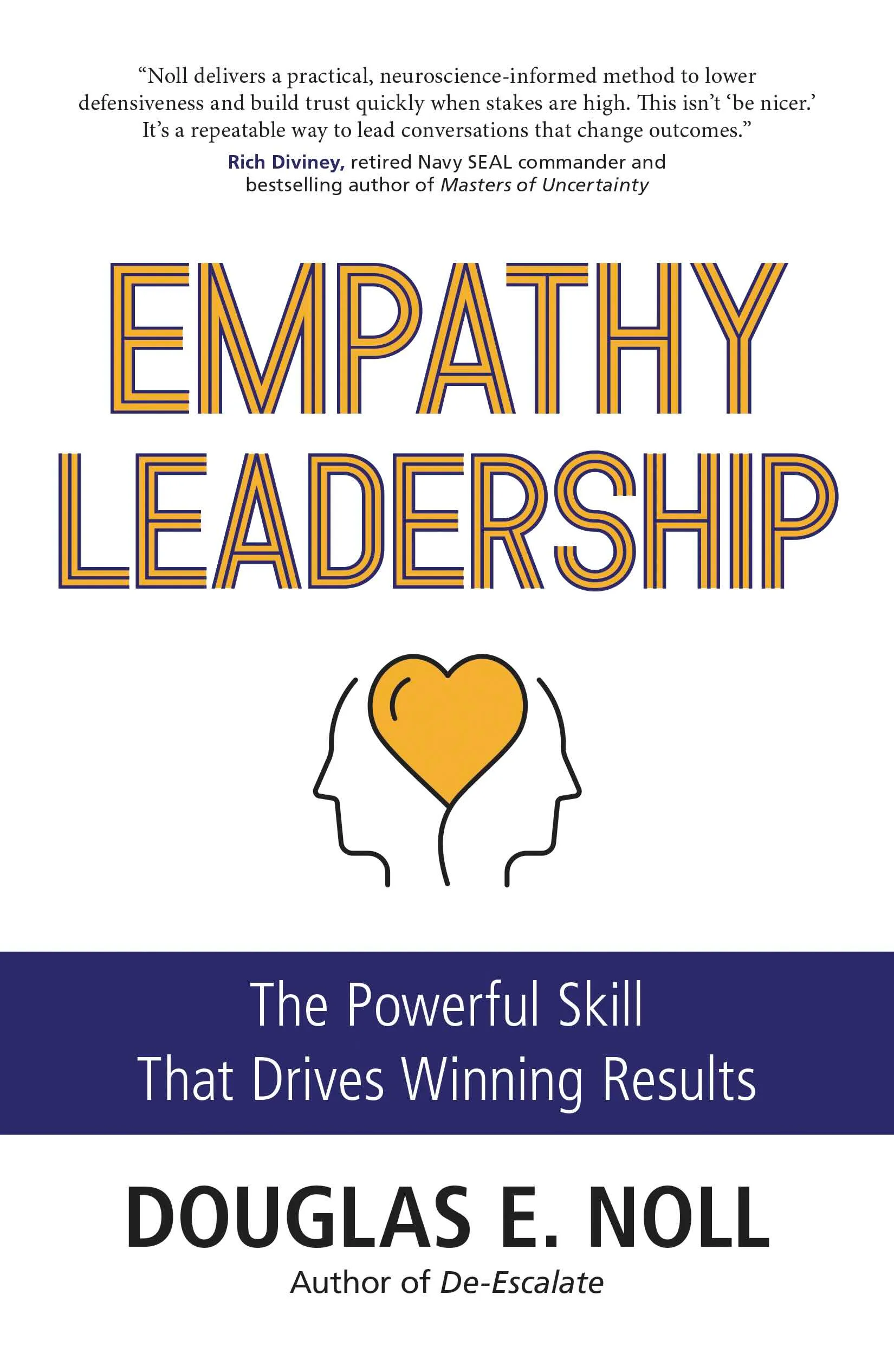
Doug Noll's new book Empathy Leadership: The Powerful Skill That Drives Winning Results covers the language that keeps a negotiation open when you are frustrated inside it. Pre-order it on Bookshop.
The rule for live deals
While a term sheet is open, no email that carries frustration gets sent the same day it is written.
Not softened. Not reconsidered. Delayed by twelve hours and reread in the morning.
You will send about eighty percent of them anyway. The twenty percent you rewrite are the ones that would have cost you something, and you cannot reliably tell which is which at 9pm.
There is a second rule that is harder. Anything with real temperature belongs on a phone call. A phone call has tone, correction, and no permanent record that can be forwarded to a colleague who has no context and no relationship with you.
What it cost
He raised eleven weeks later from a different fund, at a lower valuation, with worse terms on exactly the protective provision he had been arguing about.
The difference, on his own estimate, was somewhere around $4 million of dilution.
For related reads, see Communication Failures That Kill Morale and Negotiation Tactics That Win Without Fighting.
If you have a live process and can feel yourself getting frustrated inside it, book a no-obligation Zoom call with Doug Noll.
Emotional Competence Shapes Your Influence as a Leader
This 90-second emotional competence quiz will tell you how your emotions affect the way you are treated at work and how to gain the respect and influence you deserve as a leader.
Take the Free Assessment
Doug’s Books
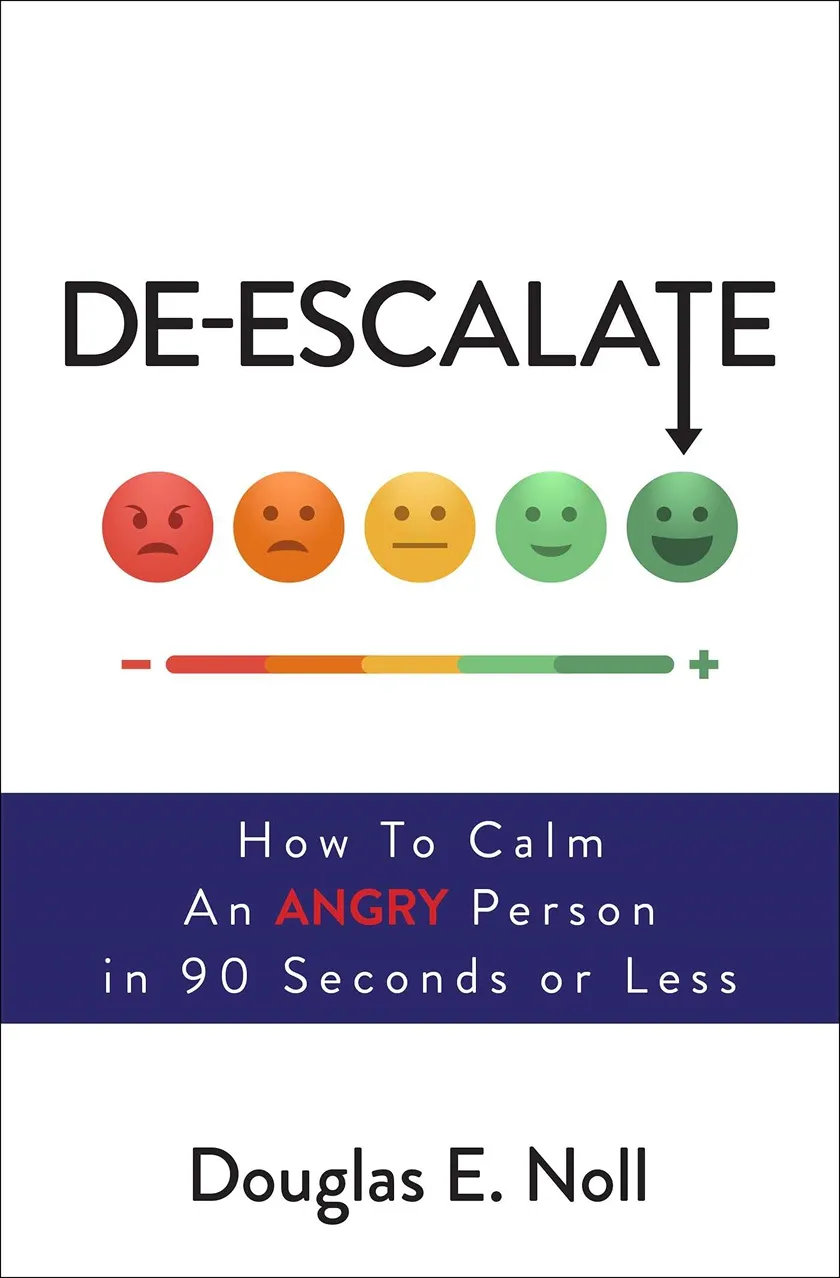
Doug has authored several books on affect labeling and emotional competency, including De-Escalate: How to Calm an Angry Person in 90 Seconds or Less, which won multiple awards and has been adopted by organizations worldwide.