4 Critical Failures of Most Corporate Mediation (and the Approach That Works)


The mediation went for two days and the companies walked away with a signed settlement that neither of them executed on.
Six months later the dispute was back, in a different form, with the same two founders at the centre of it. The lawyers were different. The clauses were tighter. The underlying thing was identical.
This is the pattern most corporate mediation produces when it is run as a legal exercise rather than a relational one. The document holds. The relationship does not. Within a year the parties are back in a different room with a different mediator, resolving a dispute that is a direct consequence of the one they thought they settled.
Here are the four critical failures that produce this outcome, and the approach that resolves the actual rupture rather than the stated one.
1. The mediation treats the stated conflict instead of the actual one
The stated conflict is usually about money, scope, or performance. The actual conflict is usually about something that happened eighteen months earlier, between two specific people, that nobody has said out loud. The stated conflict is what the lawyers can work with. The actual conflict is what has to be addressed if the resolution is going to hold.
Most corporate mediators do not have standing to raise the actual conflict. They were hired by counsel. They are expected to produce a document. If they start asking about the eighteen-month-old meeting that neither party has mentioned, counsel on both sides gets nervous. So the mediator stays in the stated territory, produces the document, and the actual conflict stays live underneath.
This is why so many settlements get re-opened. The paper resolved the symptom.
2. The mediator optimises for the agreement instead of the understanding
A good mediator produces a signed agreement. A great mediator produces a signed agreement that both parties want to execute. The difference is whether the parties walked out understanding each other.
Understanding takes time the mediation often does not have, and vulnerability counsel often advises against. So the mediator pushes toward resolution, both parties sign to get out of the room, and the understanding never happens. The agreement becomes a treaty between two parties who are still in cold war.
3. The emotional layer is treated as a nuisance instead of the subject
In most corporate mediations, when a founder's voice cracks or an executive pushes back from the table, counsel suggests a break. The emotional moment is treated as an obstacle to the mediation. In reality, that moment is almost always the mediation. The thing that produces the crack is the thing that has to be addressed.
A mediator trained in handling emotion under pressure stays in that moment. They name what just happened. They give it a sentence. "You just heard something you have been waiting a long time to hear." Then they stop. The room moves. The subsequent conversation is about the actual thing, not the proxy for it.
If an executive team is losing six hours a week across two leaders who cannot be in a room together, that is roughly $125,000 a year at exec hourly rates. The exact number for your situation is a two-minute input in Doug's cost of conflict calculator.
4. The mediator never meets the parties separately for long enough to find the actual conflict
Corporate mediation tends to compress separate caucuses into efficient 20-minute slots. In that time, the mediator can confirm positions, test flexibility on specific terms, and move toward settlement. What they cannot do in 20 minutes is build enough trust with each party to hear what each party has not been able to say.
The actual conflict usually surfaces in the second hour of a private conversation, not the first. If the mediator does not create space for that, the actual conflict stays private and the mediation stays stuck on the stated one.
The approach that resolves the real rupture
Doug Noll was 2014 Best Lawyers in America Lawyer of the Year for Alternative Dispute Resolution in Northern California, and now teaches the same protocol at Pepperdine's Straus Institute to a mix of law students and corporate leadership teams. The method has four moves specific to high-stakes business disputes.
Separate the stated from the actual, early. The mediator asks each party, in private, one specific question. "What happened between the two of you that neither of you has said?" The answer is almost never the subject of the mediation. It is almost always the thing that will determine whether the mediation holds.
Address the actual, in the room, with both parties present. Once each party has named the thing privately, the mediator brings it into the room with permission from both sides. This is uncomfortable and it is the entire mechanism. The thing that has been running the dispute from underneath has to be said out loud, in front of the person it concerns, for the resolution to hold.
Use affect labeling to regulate the moment the actual conflict surfaces. When one party says the thing and the other party has the physiological response, the mediator names it. "That just landed hard." Then stops. The regulation move keeps the conversation in the room long enough for the other party to respond rather than defend.
Produce the agreement second, not first. The document is drafted after the understanding, not before. It becomes a record of what the parties agreed to, not a treaty that holds them apart.
If you have a corporate dispute heading into mediation and want to think through what the actual conflict is before the mediator does, Doug runs a 20-minute diagnostic call. Book 20 minutes with Doug.
The settlement that holds
A mediation that addresses the actual conflict produces a document that both parties want to execute. The next twelve months prove whether it worked. In Doug's practice, mediations run this way have a measurably lower rate of return-engagement than mediations run as pure legal exercises.
For related reads, see how executive dispute mediation actually resolves a board-level rupture and resolving workplace conflict without a lawsuit.
If your mediation produces a signed document that nobody executes on, the mediation did not resolve the dispute. It archived it.
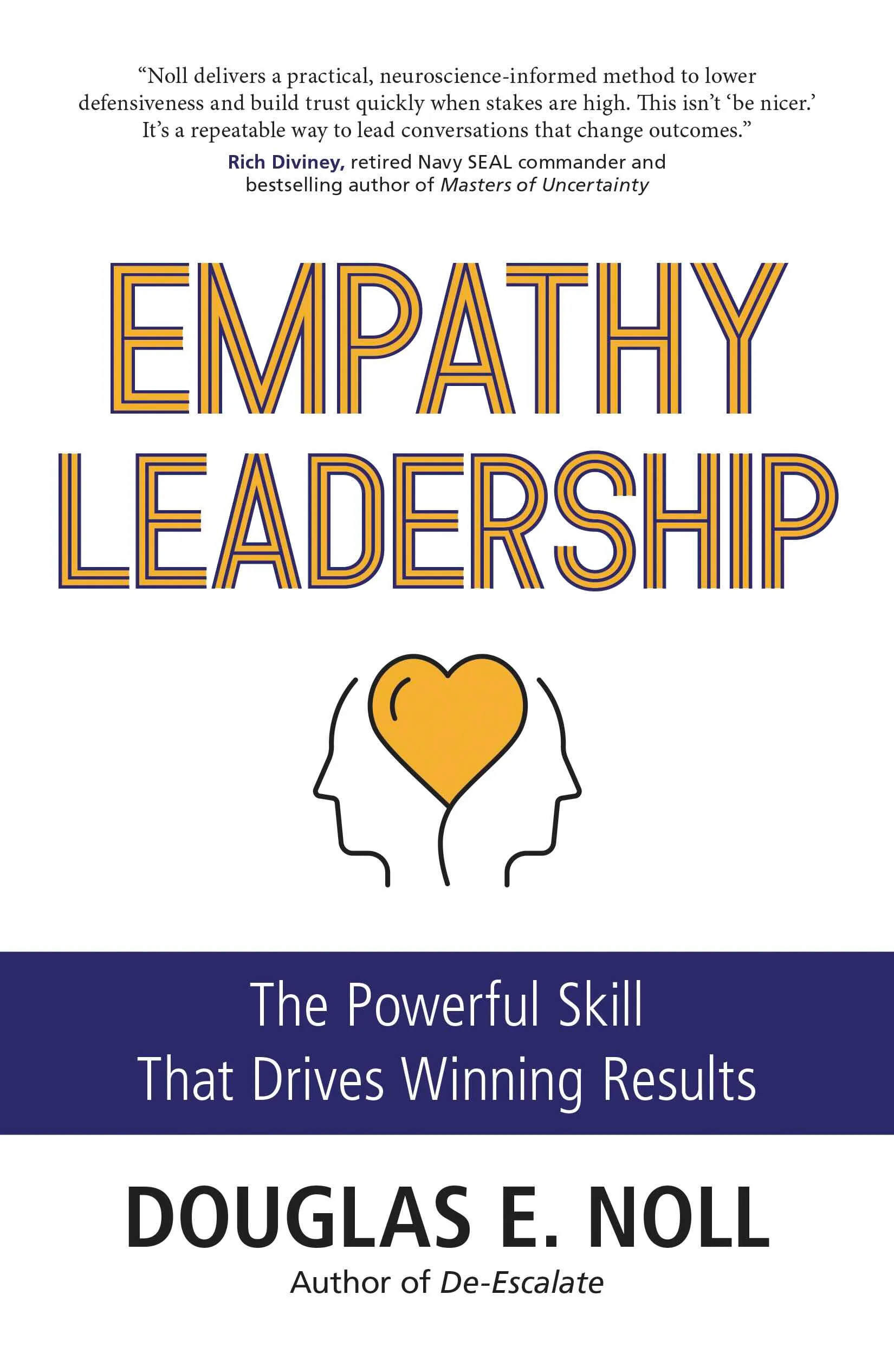
Empathy Leadership: The Powerful Skill That Drives Winning Results is out now. Order on Amazon, or if a 20-minute call would be more useful, Doug's calendar is here.
Emotional Competence Shapes Your Influence as a Leader
This 90-second emotional competence quiz will tell you how your emotions affect the way you are treated at work and how to gain the respect and influence you deserve as a leader.
Take the Free Assessment
Doug’s Books
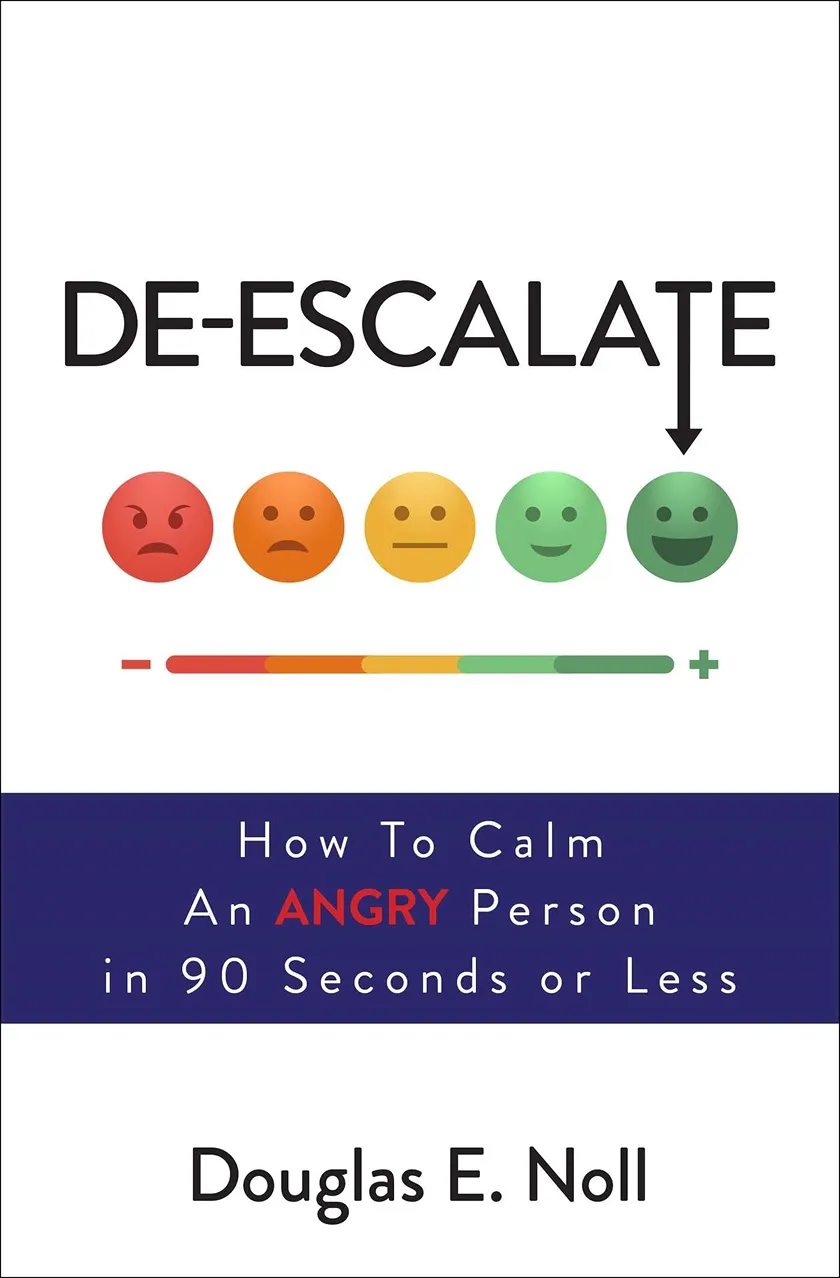
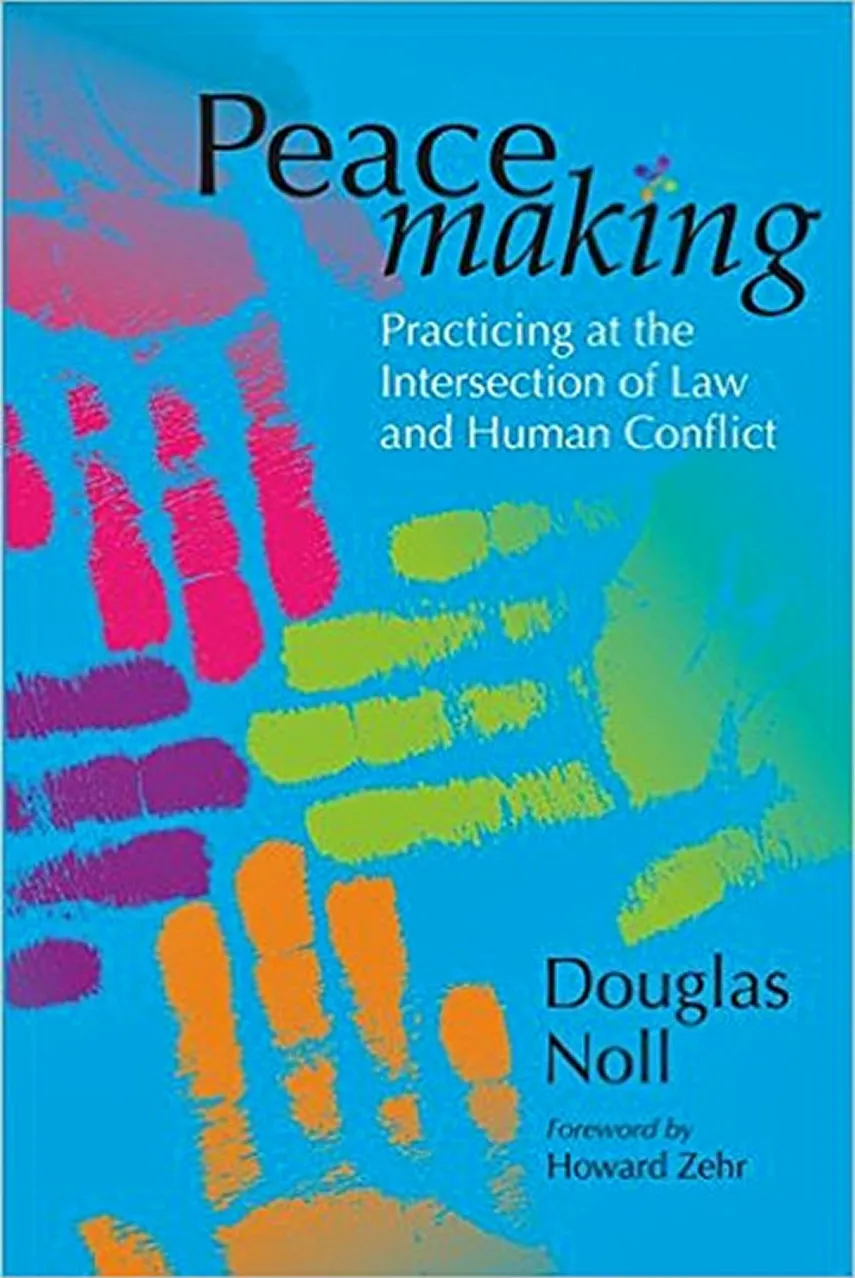
Doug has authored several books on affect labeling and emotional competency, including De-Escalate: How to Calm an Angry Person in 90 Seconds or Less, which won multiple awards and has been adopted by organizations worldwide.
More Blogs
View All

October 22, 2026
What Leading With Empathy Looks Like in a Hard Quarter: 5 Executive Examples
Read Blog
October 21, 2026
The 6 Essential Elements of Empathy Training for Managers That Actually Sticks
Read Blog

October 21, 2026
5 Hidden Reasons Empathy Training in the Workplace Fades by Month Three
Read Blog