The Meeting That Ended in Agreement and Nothing Moved
%201.avif)

The decision was to consolidate the two product lines under a single P and L by end of Q2. Every executive in the room agreed. The founder called it the cleanest decision the leadership team had made in a year.
End of Q2 came. The two product lines were still separate. Nobody could point to who had blocked it. Nobody had actively opposed it. It had simply not happened.
He blamed execution. He hired a Chief of Staff. He set up a monthly operating review. The following quarter, a different decision died the same way.
What the agreement was actually made of
The room had agreed. The people in the room had not.
His Head of Product had a set of concerns about the consolidation he had never voiced. His concerns had merit. Six months earlier he had voiced a concern about a different decision. The founder had responded by walking through the concern in front of the room and demonstrating why it was wrong. The Head of Product's concern had, in fact, been wrong. He had also spent the next two weeks feeling foolish in front of his peers.
His nervous system had learned. Not that the founder was cruel. Something smaller and more permanent. That raising a concern in the room carried a specific cost he did not want to pay again.
By the time the consolidation decision came up, he had a full page of concerns and no available channel to raise them. He agreed in the room. He agreed sincerely. Then he went back to his desk and continued running the two product lines in a way that would not survive consolidation.
He was not sabotaging. He was managing his own nervous system the only way it knew how, which was to protect itself from a room that had become unsafe.
How much is one unresolved conflict really costing your company?
What the founder discovered when he asked
He did not discover it in a monthly operating review. He discovered it in a two-hour walk with his Head of Product.
He asked one question and stayed quiet. "The consolidation. What were you not saying in the room?"
The Head of Product walked for a full minute before speaking. Then he told the founder about seven specific concerns, three of which the founder had never considered. Two of the seven changed the sequencing of the entire consolidation plan.
The founder asked the harder question at the end of the walk. "Why did you not tell me any of this in the meeting?"
His Head of Product said, "You made a decision faster than I could think, and I did not want to be the person who slowed it down." Then he added the sentence the founder had needed to hear for a year. "I am not the only one."
The founder ran a small experiment the following week. Before making any decision in the leadership meeting, he did one thing. He named what he suspected each executive was feeling about the option on the table. He got it wrong twice. Both executives corrected him. Both corrections contained information he had not had.
The move is called affect labeling. Naming the emotion accurately lowers cortisol in the room. The prefrontal cortex reopens. The concerns that were being managed silently move into the room where they can be addressed.
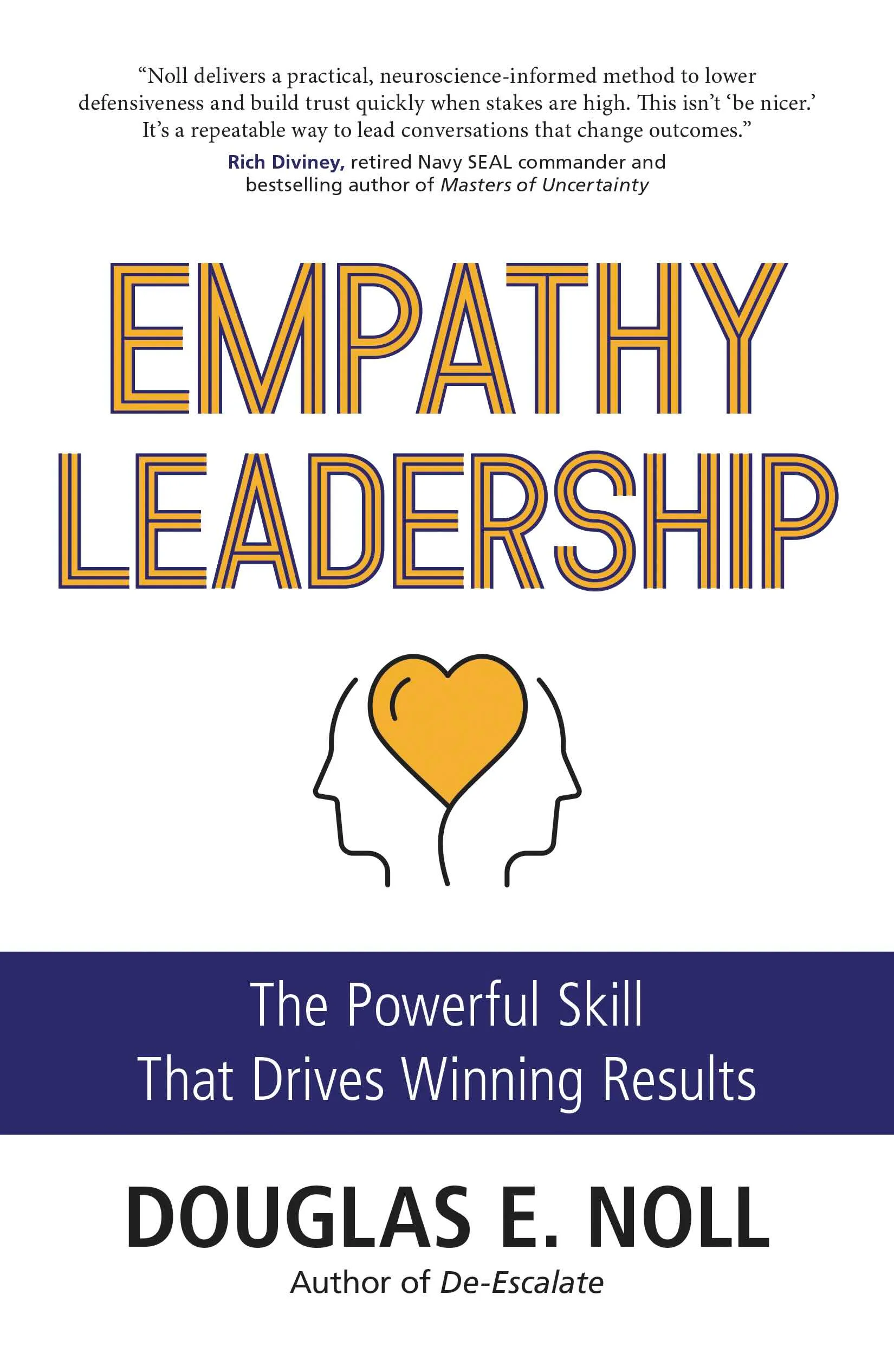
Doug Noll's new book Empathy Leadership: The Powerful Skill That Drives Winning Results lays out the moves leaders use to turn agreement in the room into decisions the room actually executes. See it here.
What changed
Leadership meetings got longer. That was the first thing he noticed and it made him uncomfortable.
Decisions took two meetings instead of one. Both meetings surfaced concerns. Both meetings ended with executives who had actually agreed rather than executives who had agreed in the room.
The consolidation happened the following quarter. On time. The Head of Product ran it. He raised four blockers in the first two weeks. Each blocker was solvable. Each one would have killed the project three months earlier if it had not been raised.
The Chief of Staff was still useful. He was not the fix. The fix had been the founder learning to notice what his room had learned to hide.
Emotional Competence Shapes Your Influence as a Leader
This 90-second emotional competence quiz will tell you how your emotions affect the way you are treated at work and how to gain the respect and influence you deserve as a leader.
Take the Free Assessment
Doug’s Books
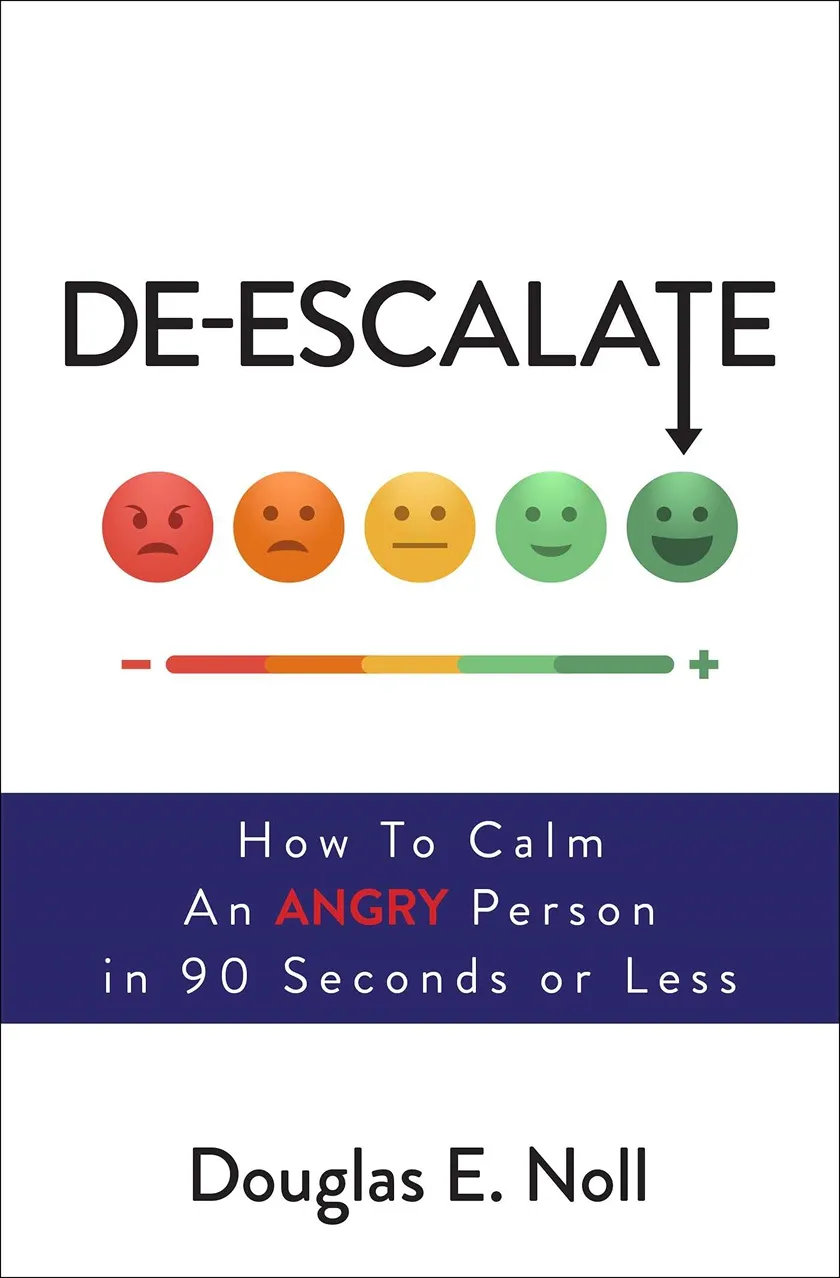
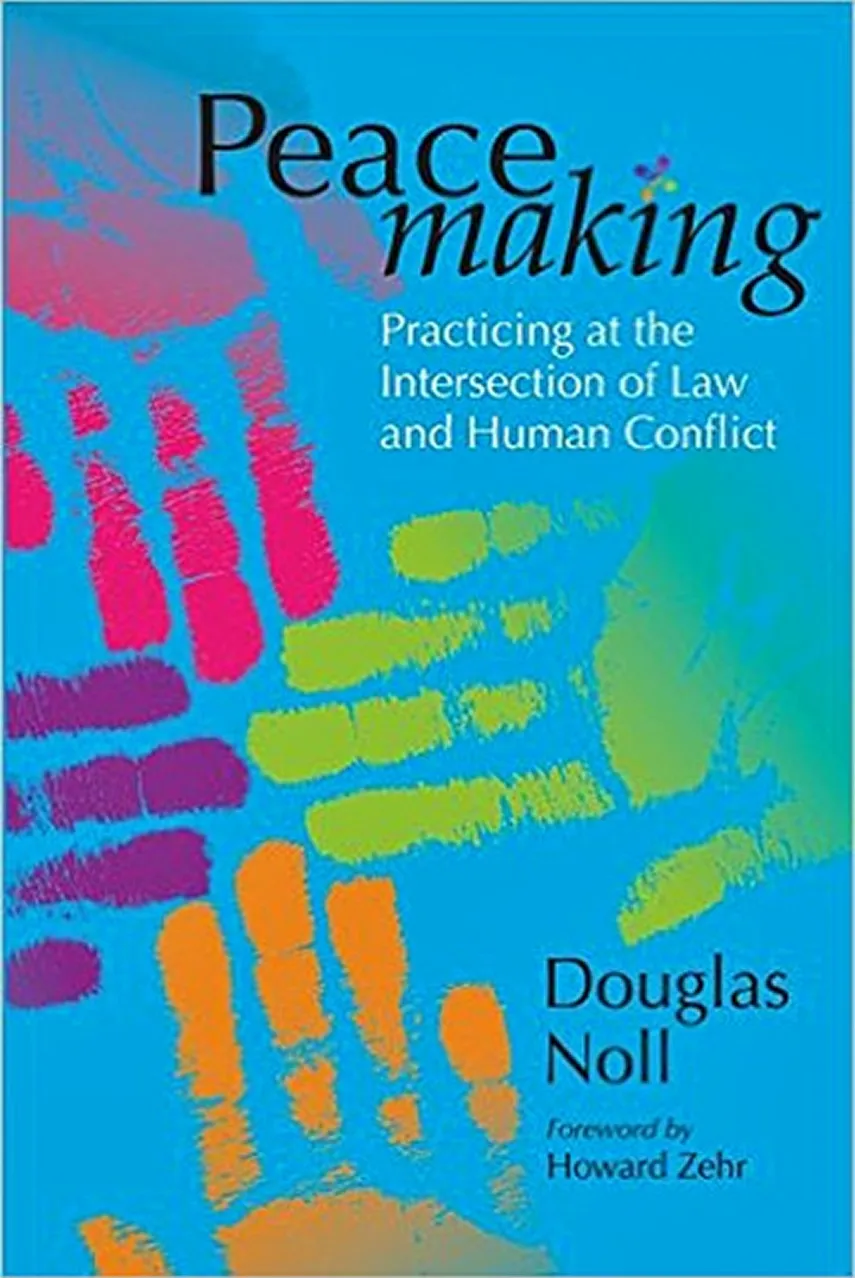
Doug has authored several books on affect labeling and emotional competency, including De-Escalate: How to Calm an Angry Person in 90 Seconds or Less, which won multiple awards and has been adopted by organizations worldwide.
More Blogs
View All

October 22, 2026
What Leading With Empathy Looks Like in a Hard Quarter: 5 Executive Examples
Read Blog
October 21, 2026
The 6 Essential Elements of Empathy Training for Managers That Actually Sticks
Read Blog

October 21, 2026
5 Hidden Reasons Empathy Training in the Workplace Fades by Month Three
Read Blog