5 Shocking Reasons Fear of Confrontation Costs Leaders Their Credibility


The CEO had been avoiding one specific conversation for 11 months.
He knew he needed to replace his Chief Revenue Officer. The CRO had been missing numbers for three quarters. The pipeline analysis was clear. The commercial team was leaking confidence. Every person on the executive team except the CEO had privately named the problem. The CEO had not acted because the specific conversation he would need to have was one he was afraid of.
Here are the five shocking ways fear of confrontation costs leaders their credibility, each one specific enough to recognise once named.
1. The avoided conversation becomes visible to the entire organisation
Fear of confrontation is almost never private. The team watches the CEO avoid the specific conversation. They watch for 11 months. They draw a specific conclusion.
The conclusion is that the CEO cannot make the hard calls the role requires. The conclusion propagates through the leadership team, then through the manager layer, then through the organisation. By the end of the 11 months, the credibility cost is extensive and almost impossible to recover without specific action.
The direct cost of the avoided conversation (one difficult meeting, one transition period, one organisational adjustment) is small. The compounding credibility cost of the avoidance is enormous.
2. The team around the issue starts making decisions around the CEO rather than through them
As the specific issue persists, the people most affected start making decisions that route around the CEO. They avoid raising the issue because raising it has produced no action. They adjust their own work to minimise exposure to the issue. They stop treating the CEO as the person who makes the decision on this specific thing.
The pattern propagates. Once the organisation has learned that one specific decision is being routed around the CEO, other decisions start getting routed around the CEO on other topics. The CEO's authority erodes in domains well beyond the original issue.
3. The affected person's performance degrades further because they know
The underperforming executive almost always knows the CEO has concerns and is avoiding addressing them. The specific psychological effect of knowing you are being carried but not addressed is corrosive. The executive's performance usually degrades further because the lack of confrontation produces the specific anxiety that drives bad judgment.
The avoidance that is intended to spare the executive actually damages them. The humane move is almost always the direct conversation, early. The avoidance is a form of unkindness that disguises itself as consideration.
4. The CEO starts making compensating decisions that cost more than the original decision would have
A CEO avoiding a specific confrontation often starts making specific compensating decisions. Reorganising to work around the problem executive. Hiring additional people to cover gaps. Adjusting strategic plans to accommodate the executive's limitations.
Each compensation decision has its own cost. The compound cost of the compensations usually exceeds the cost of the original confrontation substantially. The avoidance that was intended to protect the organisation from one difficult conversation ends up producing many smaller costly decisions.
If a CEO is making an average of two compensation decisions a quarter at $150,000 each in organisational cost, that is roughly $1.2 million a year, all attributable to one avoided conversation. The exact number is a two-minute input in Doug's cost of conflict calculator.
5. The CEO's own capability starts to degrade across the role
Fear of confrontation in one specific area has specific spillover effects. The CEO starts avoiding other difficult conversations. The avoidance becomes a pattern that defines the CEO's leadership style. The leadership team learns which topics are safe to raise and which will produce no action.
Over 18 to 24 months, the CEO becomes a specific kind of leader. The kind who manages carefully, avoids friction, and lets specific issues compound. The organisation adapts to this leadership style, which usually means slower decisions, more political work, and worse outcomes.
The CEO at the end of this trajectory often loses the role entirely, not because of any specific failure but because the accumulated avoidance has produced an organisation that cannot execute at the required level.
The reversal
Doug Noll teaches Decision-Making Under Stress and Conflict at Pepperdine's Straus Institute, has mediated complex business disputes for 25 years, and co-founded the Prison of Peace Project. His work with CEOs on fear of confrontation is built around a specific protocol that converts the specific physiological fear response into usable executive behaviour.
The reversal starts with one specific confrontation, done well. The CEO prepares specifically. Rehearses the opening sentences. Deploys the regulation protocols. Delivers the message cleanly. The confrontation goes substantially better than the CEO had feared. The reversal of credibility starts immediately.
Doug runs a quarterly Roundtable with six to eight founders working the same leadership-room problem in one room. The next one is $7,500 a seat. See if the Roundtable fits.
The CEO's eventual conversation
He had the conversation in month 12. It went better than he had feared. The CRO had been expecting it. The transition was handled with specific care over the following six weeks. The new CRO started 90 days later. The CEO's credibility with his leadership team recovered within six months.
The 11 months he avoided the conversation cost the company somewhere between $4 million and $8 million by his later estimate. The conversation itself took 40 minutes.
For related reads, see how to overcome fear of confrontation in executive meetings and how to be assertive without being aggressive at work.
Fear of confrontation costs leaders their credibility in five specific ways. The costs compound. The reversal is one specific confrontation, done well. Every CEO has at least one of these conversations they are currently avoiding.
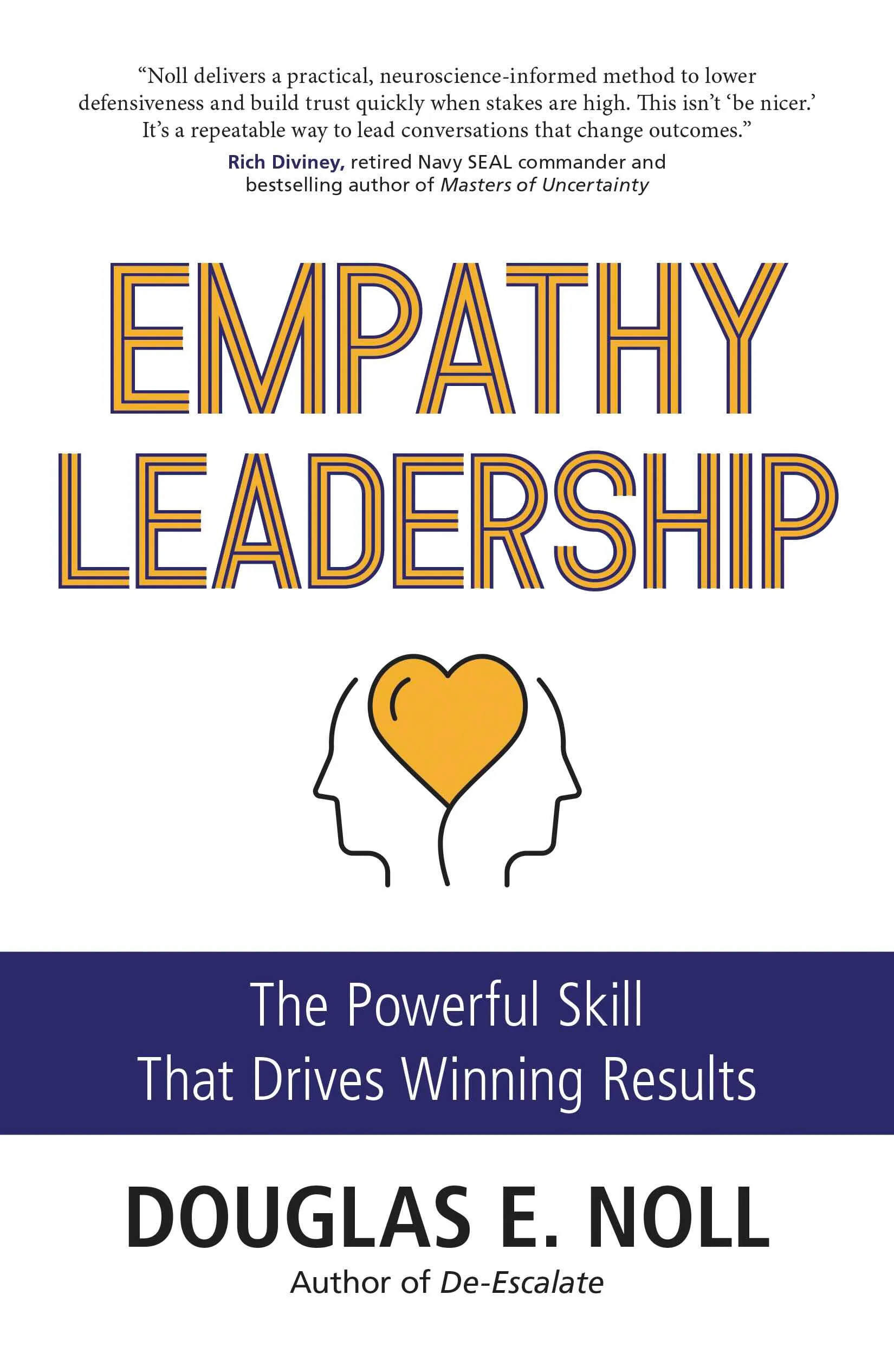
Empathy Leadership: The Powerful Skill That Drives Winning Results is out now. Order on Amazon, or if a 20-minute call would be more useful, Doug's calendar is here.
Emotional Competence Shapes Your Influence as a Leader
This 90-second emotional competence quiz will tell you how your emotions affect the way you are treated at work and how to gain the respect and influence you deserve as a leader.
Take the Free Assessment
Doug’s Books
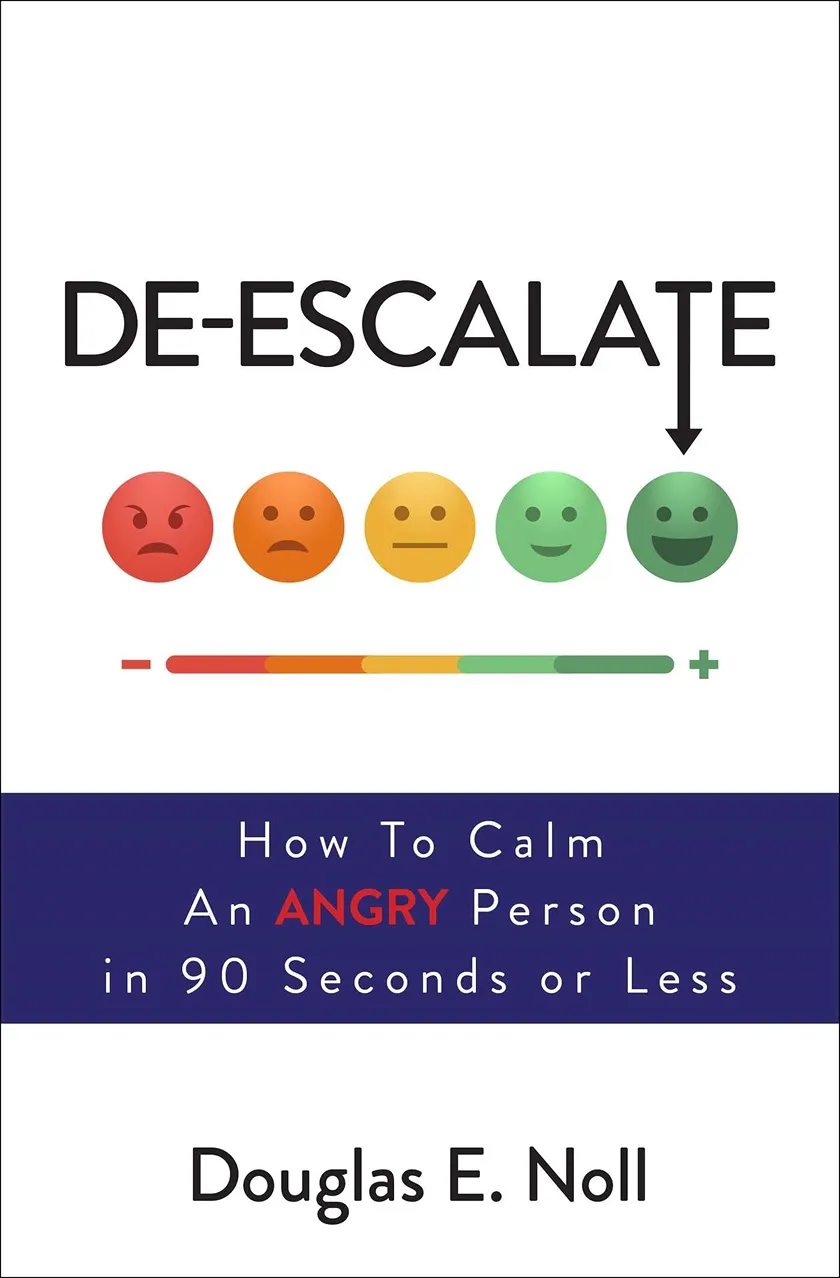
Doug has authored several books on affect labeling and emotional competency, including De-Escalate: How to Calm an Angry Person in 90 Seconds or Less, which won multiple awards and has been adopted by organizations worldwide.
More Blogs
View All