The Feedback That Made Him Quit. And He Was Right.
%201.avif)

He read the review twice, then closed the laptop and sat still for a while.
Three years at the company. Two promotions. A team that had grown from four to nineteen under him. The review was strong. Exceeds expectations in four of five categories.
The fifth category had one line in it.
"Needs to be more strategic."
He resigned eleven days later.
His manager was genuinely blindsided. She told the CPO he had been thin-skinned about a minor development note in an otherwise glowing review. She was not being unkind. She believed it.
She had missed what he actually heard.
What that sentence sounds like from the other side
He had spent three years doing work he considered strategic. Rebuilding the platform roadmap. Killing two product lines that were bleeding margin. Restructuring his org twice to get the interfaces right.
None of that had ever been named. Not in a review, not in a one-on-one, not in a leadership meeting.
So when the only line of development feedback in three years said "needs to be more strategic," it did not land as a growth area. It landed as evidence.
Evidence that after three years, the person deciding his career could not see the category of work he had spent those three years doing.
That is emotional invalidation in its most common corporate form. Not cruelty. Not even criticism. A statement that quietly contradicts a person's own experience of their contribution, delivered by someone with the authority to define what counts.
Why vague feedback does more damage than harsh feedback
Harsh feedback is specific. Specific feedback is workable. You can argue with it, act on it, or reject it on the merits.
Vague feedback cannot be worked. "Be more strategic" has no edges. It cannot be verified, refuted, or completed. So the recipient does the only thing available, which is to interpret it. And interpretation runs through whatever the person already fears.
If he already suspected his work was invisible, the sentence confirmed it.
The manager thought she was giving him a development direction. She was actually handing him a mirror and letting him fill it in.
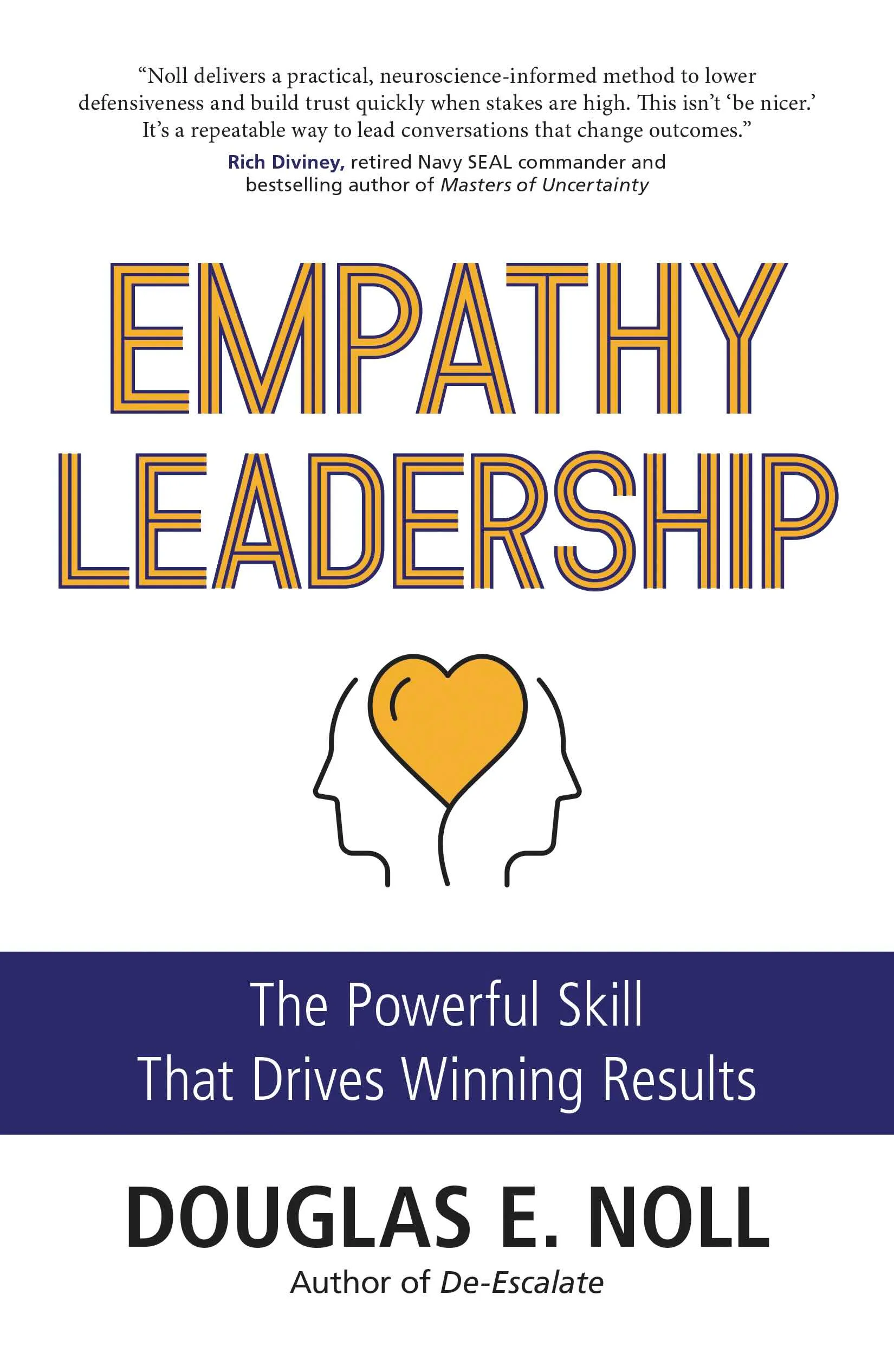
Doug Noll's new book Empathy Leadership: The Powerful Skill That Drives Winning Results covers how to deliver hard feedback without triggering the defensive response that makes it useless. Pre-order it on Beyond Words.
What the sentence should have been
Three components, in this order.
Name what you see. "In the last three years you rebuilt the platform roadmap, killed two products that were losing money, and restructured twice. That is strategic work and I have not said that to you clearly enough."
Name the specific gap. Not a category. A behavior. "Where I want more from you is bringing that thinking to the exec team earlier. You arrive with conclusions. I want the reasoning in the room while it is still forming."
Name what you do not know. "There may be a reason you hold it back that I am not seeing. If so, tell me."
Same feedback. Nothing softened. The difference is that the first component makes the second one survivable.
Feedback without acknowledgment is heard as a verdict on everything that came before it. Feedback with acknowledgment is heard as a next step.
The pattern to look for in your own reviews
Open the last five reviews you wrote. Count how many development notes are categories rather than behaviors.
"More strategic." "More executive presence." "More commercial." "More ownership."
Every one of those is a mirror. You are not giving direction. You are handing the person a blank and letting their nervous system fill it in, and it will fill it in with the least generous reading available.
The test is simple. If the person cannot tell you, in one sentence, what they would do differently on Monday, you have not given feedback. You have given a judgment with no exit.
What happened after
She called him three days after the resignation, not to counter-offer, but to ask what the line had meant to him.
He told her. She listened for a long time and then said, "I have written that sentence in probably forty reviews."
He said, "I know."
He did not come back. She changed how she wrote reviews, which is a smaller outcome than keeping him and a real one.
For related reads, see Emotional Invalidation and Top Talent and Performance Reviews Without Tears.
Your best people are not fragile. They are calibrated. When someone with authority tells them their three years did not register, they believe it, and then they act on it.
If you are about to run a review cycle and want to pressure-test how your feedback will actually land, book a no-obligation Zoom call with Doug Noll.
Emotional Competence Shapes Your Influence as a Leader
This 90-second emotional competence quiz will tell you how your emotions affect the way you are treated at work and how to gain the respect and influence you deserve as a leader.
Take the Free Assessment
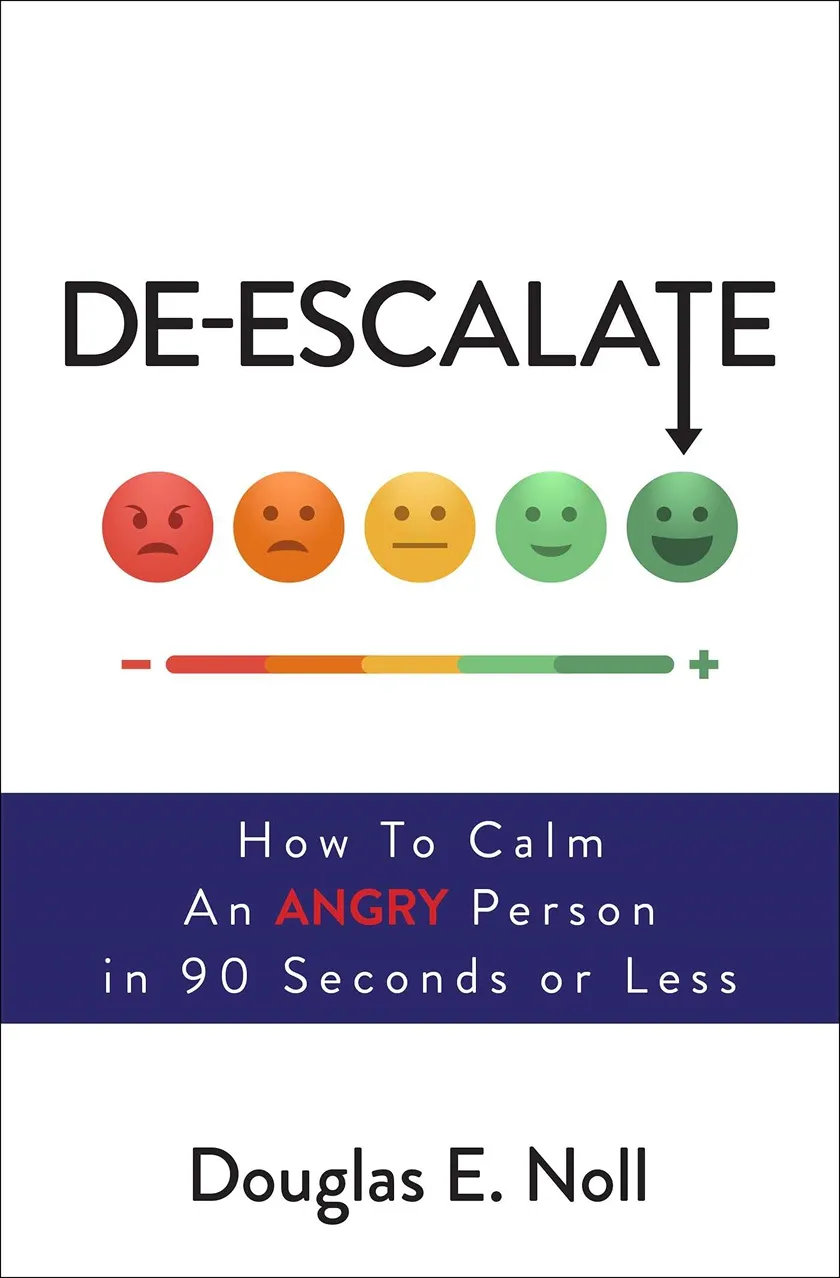
Doug’s Books
Doug has authored several books on affect labeling and emotional competency, including De-Escalate: How to Calm an Angry Person in 90 Seconds or Less, which won multiple awards and has been adopted by organizations worldwide.

More Blogs
View All

October 26, 2026
De-Escalation Training for Large Companies: 7 Shocking Reasons Yours Isn't Working
Read Blog

October 26, 2026
What Enterprise De-Escalation Programs Get Wrong: 5 Operational Fixes
Read Blog

October 23, 2026
6 Powerful Reasons De-Escalation Training for Employees Doesn't Scale (and the Fix)
Read Blog