6 Shocking Ways Empathy Activities for Workplace Programmes Backfire


The empathy activities budget line for the year was $180,000.
By December, the Head of Talent Development had run six activities across the organisation. Lunch-and-learns. Partner interviews. Vulnerability circles. A listening workshop. A personality assessment. A two-day retreat. The exit surveys were strong. The behavioural outcome in sampled real meetings was zero. The CFO was going to cut the line in next year's budget.
The problem was not that the activities were bad. Some of them were quite good. The problem was that the activities were doing specific damage underneath, in ways nobody had tracked. Here are the six shocking ways empathy activities for workplace programmes backfire, and what to do instead.
1. They train the organisation to associate empathy with special events
The core problem with empathy activities is that they signal empathy is something you do in a specific room on a specific day. The implicit message is that the rest of the time, normal operational behaviour applies. Empathy becomes a mode you enter and exit, not a baseline you operate from.
This is the opposite of what the programme is trying to produce. By making empathy an event, the activities train the organisation to not do it the rest of the time.
The alternative is embedding empathy practice into existing operational rituals. The weekly one-on-one. The quarterly review. The post-decision debrief. Empathy becomes how work gets done, not something that takes a break from work.
2. They expose vulnerability without a container for processing it
A vulnerability circle produces disclosure. Disclosure without a trained container often does damage. A junior employee shares something significant about their personal life or professional struggle. The room is sympathetic in the moment. Then everyone leaves the room, the disclosure sits in the hallway, and the junior employee has to navigate the altered social landscape without any support structure.
Within a month, half the people who disclosed in a vulnerability circle report that the circle made things worse for them, not better. The data on this is consistent across industries.
Vulnerability as an activity is a specific liability. Vulnerability as a byproduct of trusted ongoing relationships is a benefit. The activity format converts the second kind into the first.
3. The activities produce performative empathy that corrupts the vocabulary
A workforce that has been through a listening workshop starts using listening-workshop vocabulary. "I hear that you feel frustrated." "I'm reflecting back what you said." The vocabulary becomes a performance of empathy that both parties can hear as performance. The authenticity that empathy depends on gets degraded.
Within three months of a listening workshop, trained observers in real meetings can identify the specific phrases from the workshop and the specific social discomfort they produce. The programme has corrupted the organisation's normal conversational register in a way that is hard to reverse.
If a 30-person leadership cohort is losing 20 minutes a week to listening-workshop vocabulary that nobody can respond to naturally, that is roughly $130,000 a year in time alone. The exact number is a two-minute input in Doug's cost of conflict calculator.
4. The activities select for the people who were already going to do this and ignore the people who needed it
Voluntary empathy activities fill up with people who are already empathetic. The managers whose behaviour the programme is trying to change do not attend, or attend reluctantly, or attend and disengage. The budget pays for the enthusiasts to feel validated and does nothing for the behaviour that needed changing.
Mandatory empathy activities produce a different problem: resentment from the managers who most needed the training and who now have an actively negative association with the content.
Either way, the activity format fails to reach the behavioural centre of gravity.
5. The activities get measured by participant satisfaction, which has a known inflation
Participants rate empathy activities highly because they are being asked to rate an experience that was explicitly designed to make them feel good. The rating does not reflect behaviour change. It reflects how the activity felt in the room.
Satisfaction scores for empathy programmes consistently run 4.3 to 4.7 out of 5. Observed behaviour change in sampled real meetings runs close to zero. The gap is where the budget quietly fails to produce outcome, and the measurement system cannot see the gap because the measurement system is reporting on the wrong number.
6. The activities set an expectation that empathy work is enjoyable, which it often is not
Real empathy work in the workplace is often uncomfortable. It involves naming difficult emotions, hearing hard feedback, and sitting through tense moments without rushing to resolution. The activities present empathy as warm, connecting, and pleasant. The gap between the activity and the real work is where the workforce loses the thread.
Managers who try to use empathy skills in a difficult meeting discover the real work is nothing like the activity. Many stop trying. The programme has given them an incorrect model of what the capability actually looks like in practice.
What to run instead
Doug Noll was named 2018 Neutral of the Year by the National Academy of Distinguished Neutrals. He teaches Decision-Making Under Stress and Conflict at Pepperdine Law and designs workplace empathy programmes without any activity component. The programme embeds specific micro-practices into existing operational rituals, trains the manager layer in a protocol they can rehearse under stress, and measures outcome through observable behaviour in sampled real meetings.
The programme is less fun. It is more effective. The budget is defended by data instead of by anecdote.
If you have an empathy activity line in next year's budget and are not sure whether to defend it, Doug runs a 20-minute diagnostic call before you fight that fight. Book 20 minutes with Doug.
The Head of Talent Development's budget cycle
She converted the $180,000 activity budget into a $120,000 protocol-training programme embedded in existing manager rituals. The exit survey scores were lower in year one. The observed behaviour change was substantially higher. The CFO renewed the line and expanded it in year two.
For related reads, see why empathy training in the workplace fades by month three and the six essential habits of empathetic leadership training that changes behaviour.
Empathy activities backfire in specific ways that are predictable and avoidable. The programmes that produce behaviour change are built around protocols, not activities.
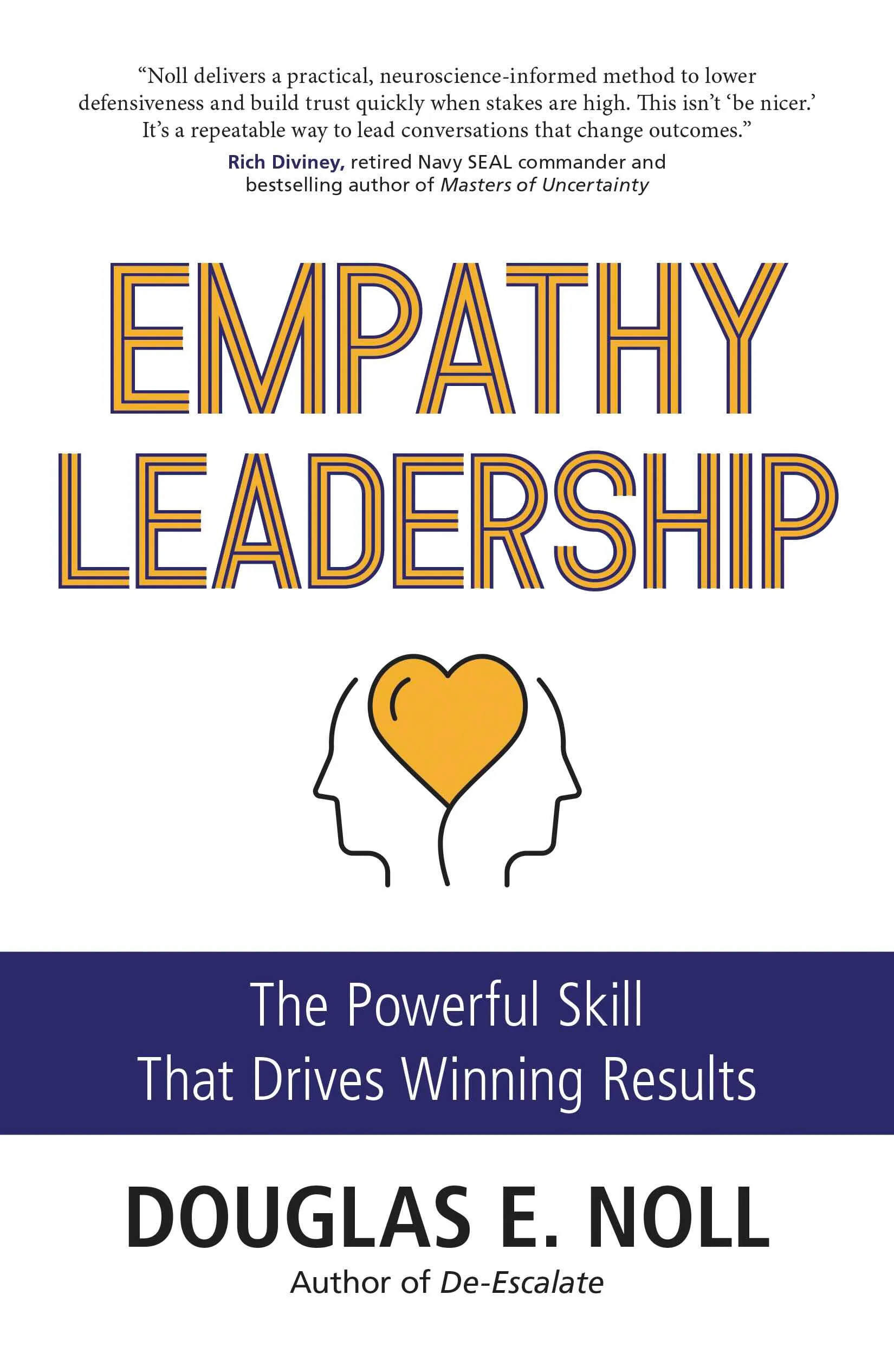
Empathy Leadership: The Powerful Skill That Drives Winning Results is out now. Order on Amazon, or if a 20-minute call would be more useful, Doug's calendar is here.
Emotional Competence Shapes Your Influence as a Leader
This 90-second emotional competence quiz will tell you how your emotions affect the way you are treated at work and how to gain the respect and influence you deserve as a leader.
Take the Free Assessment
Doug’s Books
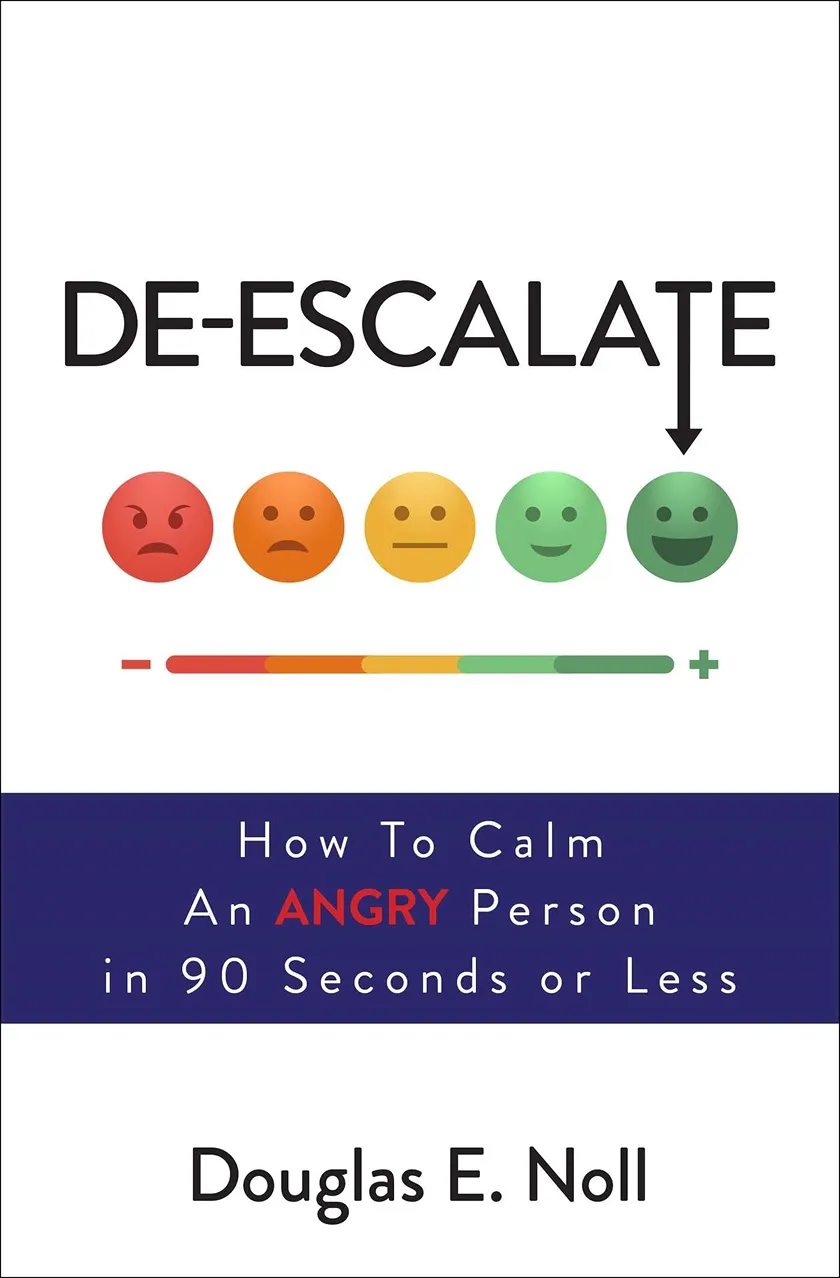
Doug has authored several books on affect labeling and emotional competency, including De-Escalate: How to Calm an Angry Person in 90 Seconds or Less, which won multiple awards and has been adopted by organizations worldwide.

More Blogs
View All

October 30, 2026
5 Powerful Examples of Demonstrating Empathy in the Workplace Without Playing Therapist
Read Blog

October 29, 2026
What Emotion Regulation for Executives Actually Looks Like: 4 Proven Protocols
Read Blog

October 29, 2026
6 Essential Habits of Empathetic Leadership Training That Changes Behaviour
Read Blog