7 Powerful Reasons Emotional Intelligence in the C-Suite Fails the Pressure Test


The quarterly results call was going well until a sell-side analyst asked about customer concentration in the enterprise segment.
The CFO took the question. On the recording, you can hear the specific moment his voice tightened. The answer was accurate. It was also three seconds longer than it needed to be and included one defensive clause that nobody asked for. The stock dropped 4 percent in after-hours trading. The CEO called the CFO that evening to debrief. Neither of them said what they both knew: the CFO's emotional intelligence under pressure had cost the company roughly $140 million in market cap in ninety minutes.
Here are the seven reasons emotional intelligence in the C-suite fails the pressure test, and the one capability that separates the executives who hold.
1. The EQ was learned in low-stakes environments and never tested in high-stakes ones
Most C-suite emotional intelligence training happens in offsites, workshops, and coaching sessions. All three are low-stakes environments. The executive learns the vocabulary, the frameworks, and the self-awareness practices in rooms where nothing is actually at risk.
The pressure test is a different room. A hostile analyst. A board that just saw the numbers. A regulator who is deciding whether to open an investigation. In those rooms, the EQ learned in the low-stakes environment is almost completely unavailable, because the executive's nervous system has moved into a state the training never addressed.
The capability that survives the pressure test is the capability that was built under pressure. Everything else is theatre.
2. The executive confuses composure with regulation
A composed executive looks regulated. An actually regulated executive is working on the inside and visible on the outside. The gap between them is where most C-suite EQ failures live.
Composure is a performance. The executive looks calm, speaks slowly, maintains eye contact. The nervous system is activated underneath. Decisions made in that state are often worse than decisions made in visible agitation, because the executive has no feedback loop telling them they are compromised.
Real regulation is physiological. Breath, muscle tone, blood flow. The composed executive who is not actually regulated will fail the pressure test in subtle ways that only show up in retrospect, often in a cost like $140 million of market cap.
3. The executive has no protocol for the first three seconds
The first three seconds of a high-pressure response are where the whole thing is decided. Most C-suite executives have no specific protocol for those three seconds. They either answer immediately, which produces the compromised answer, or they pause awkwardly, which signals weakness.
The protocol that works is a specific short sentence that buys three seconds without signalling. "Let me think about that for a moment." "That's a specific one." "Give me a second with it." The content is irrelevant. The three seconds matter.
Executives who have this protocol built in reliably produce better responses in high-pressure moments than executives who do not. The capability takes less than a day to acquire and most C-suites never bother.
4. The executive's EQ is pointed outward and never inward
C-suite EQ training usually focuses on reading other people. Rooms, boards, direct reports. Almost no training focuses on reading your own state in real time. The executive becomes skilled at labelling other people's emotions and remains blind to their own activation.
An executive who cannot notice their own cortisol spike cannot deploy any regulation protocol, because they do not know they need one. The outward-facing EQ is useless without inward-facing awareness.
If an executive team is losing 15 hours a week to decisions made under unmanaged activation, that is roughly $470,000 a year at exec hourly rates, before counting the compounded cost of the decisions themselves. The exact number is a two-minute input in Doug's cost of conflict calculator.
5. The executive has never rehearsed with a trained adversary
Peer role-play produces responses to peers. Real high-stakes conversations are not with peers. They are with adversarial counterparties: hostile analysts, aggressive investors, regulators, difficult board members. The executive's nervous system responds to adversarial pressure differently than to peer pressure.
Rehearsing with trained adversaries, in sessions designed to replicate the actual pressure environment, is what builds the capability. This is expensive and uncomfortable, which is why most C-suite programmes do not include it. The ones that do produce measurably different outcomes.
6. The executive has no post-event mechanism for learning from failures
Most C-suite emotional intelligence failures are discussed privately, if at all, and never structured for learning. The executive feels bad for a week, talks to their coach, and moves on. No specific pattern recognition happens.
Executives who develop real EQ over time have a post-event mechanism. A short written debrief after any conversation that went badly. What happened physically. What was said. What should have been said. What the specific earlier signal was that would have allowed a different response. Over 50 to 100 instances, patterns emerge and the executive catches themselves earlier.
Without this mechanism, the executive keeps making the same specific error for years.
7. The executive has no peer group doing the same work
The CEO's work is lonely in a specific way. The direct reports cannot be the sounding board. The board is not available for this kind of conversation. The spouse does not have the context. The result is a CEO who has nowhere to process the emotional-intelligence failures with people who have the same job.
The executives who develop real EQ over time have a peer group of other executives working the same practice. This is not a mastermind. It is a small structured group with explicit focus on the specific capability. The peer environment reinforces the practice, catches patterns the individual misses, and provides the horizontal accountability that CEOs otherwise lack.
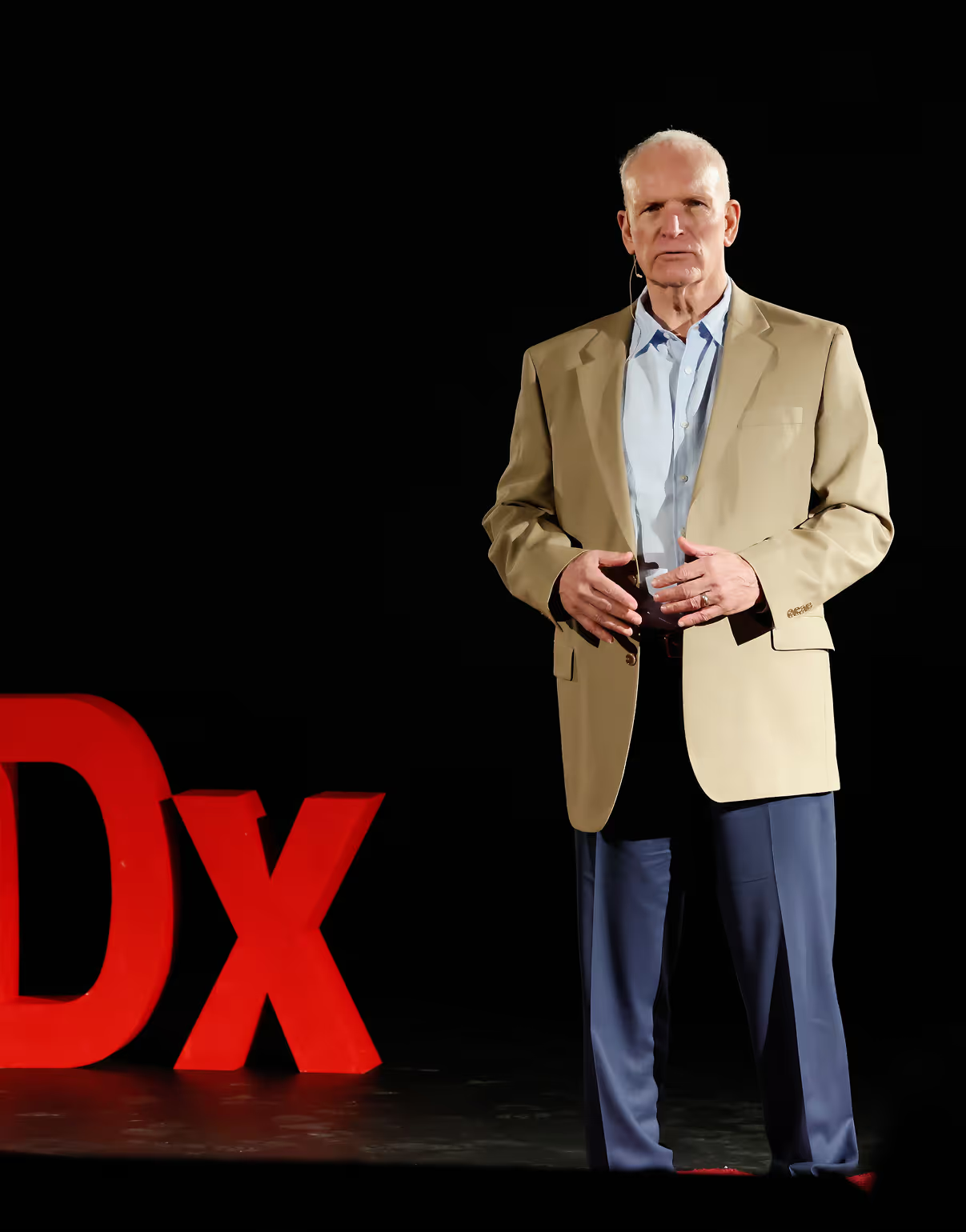
Doug Noll was 2014 Best Lawyers in America Lawyer of the Year for Alternative Dispute Resolution in Northern California. He teaches Decision-Making Under Stress and Conflict at Pepperdine's Straus Institute. His work with C-suite executives on emotional regulation under pressure is specifically designed around the seven failure modes above.
Doug runs a quarterly Roundtable with six to eight founders working the same leadership-room problem in one room. The next one is $7,500 a seat. See if the Roundtable fits.
The capability that separates the executives who hold
It is not calm. It is not EQ as a trait. It is the capability to notice your own physiological activation and deploy a specific regulation protocol within three seconds of noticing. That capability is trainable, it is specific, and almost no C-suite programme actually builds it.
The CFO on that quarterly results call went through a specific training programme the following year. His next earnings call featured four questions on customer concentration. He handled all four without the voice tightening. The stock did not move.
For related reads, see what emotional mastery for leaders looks like in a boardroom crisis and what emotion regulation for executives actually looks like.
Emotional intelligence in the C-suite fails the pressure test because the training never addressed the pressure. Build the capability for pressure specifically and the C-suite stops costing the company market cap in the moments that matter.
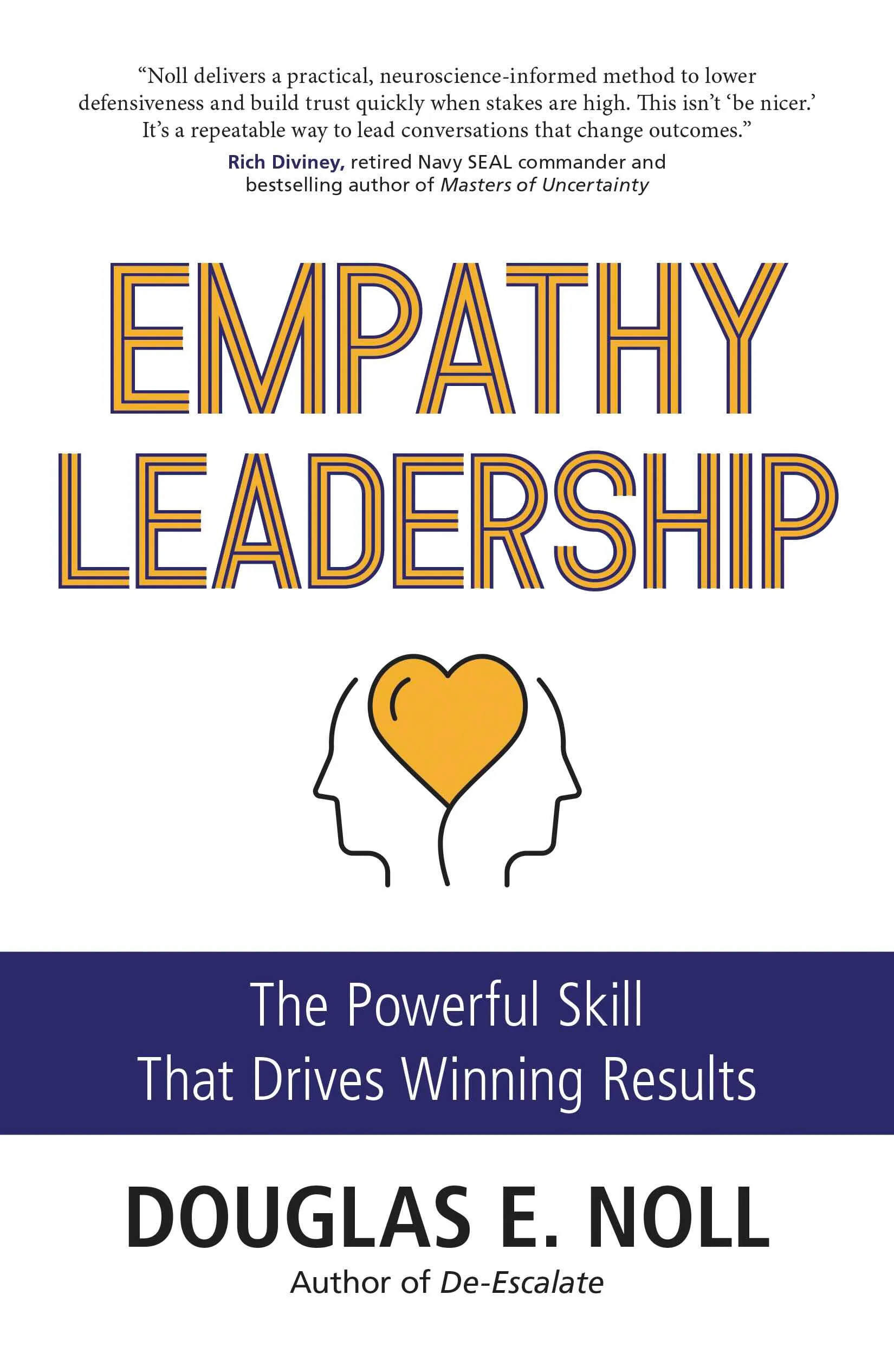
Empathy Leadership: The Powerful Skill That Drives Winning Results is out now. Order on Amazon, or if a 20-minute call would be more useful, Doug's calendar is here.
Emotional Competence Shapes Your Influence as a Leader
This 90-second emotional competence quiz will tell you how your emotions affect the way you are treated at work and how to gain the respect and influence you deserve as a leader.
Take the Free Assessment
Doug’s Books
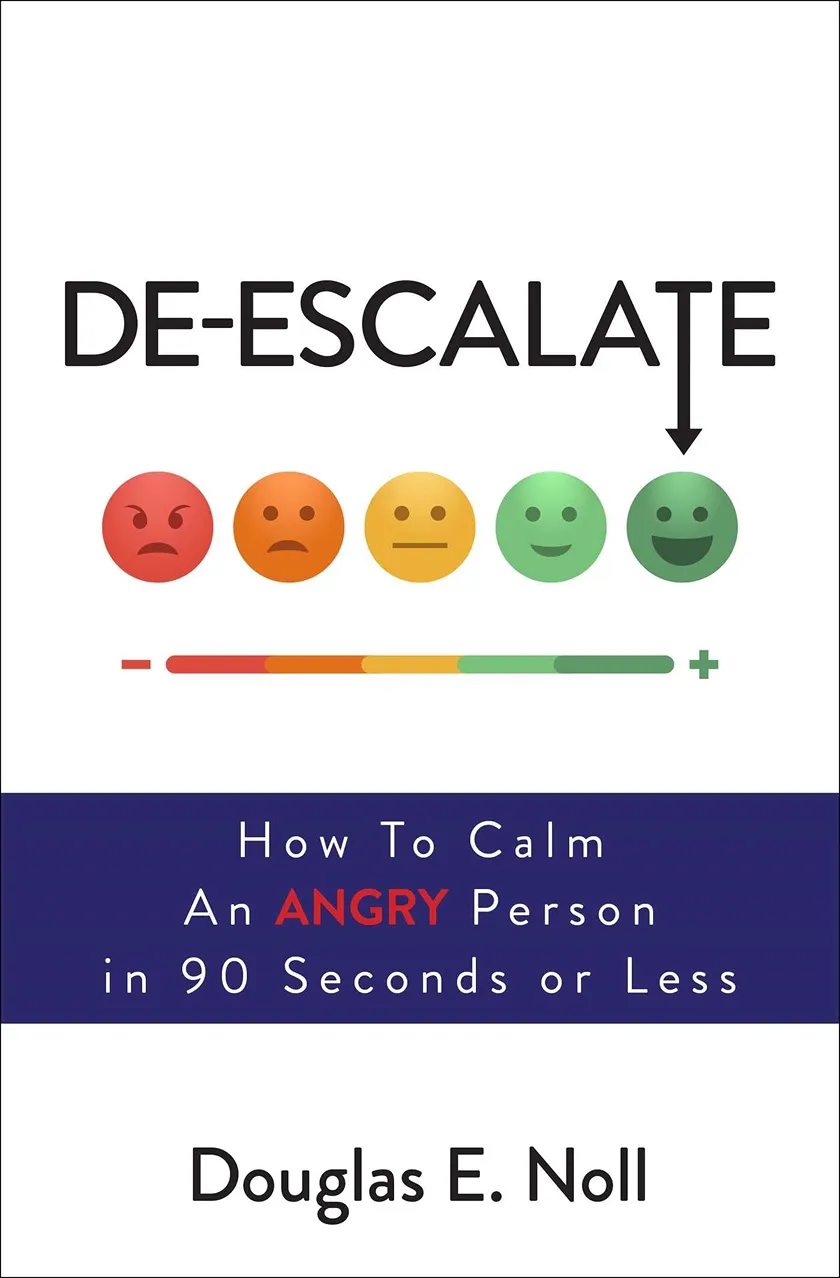
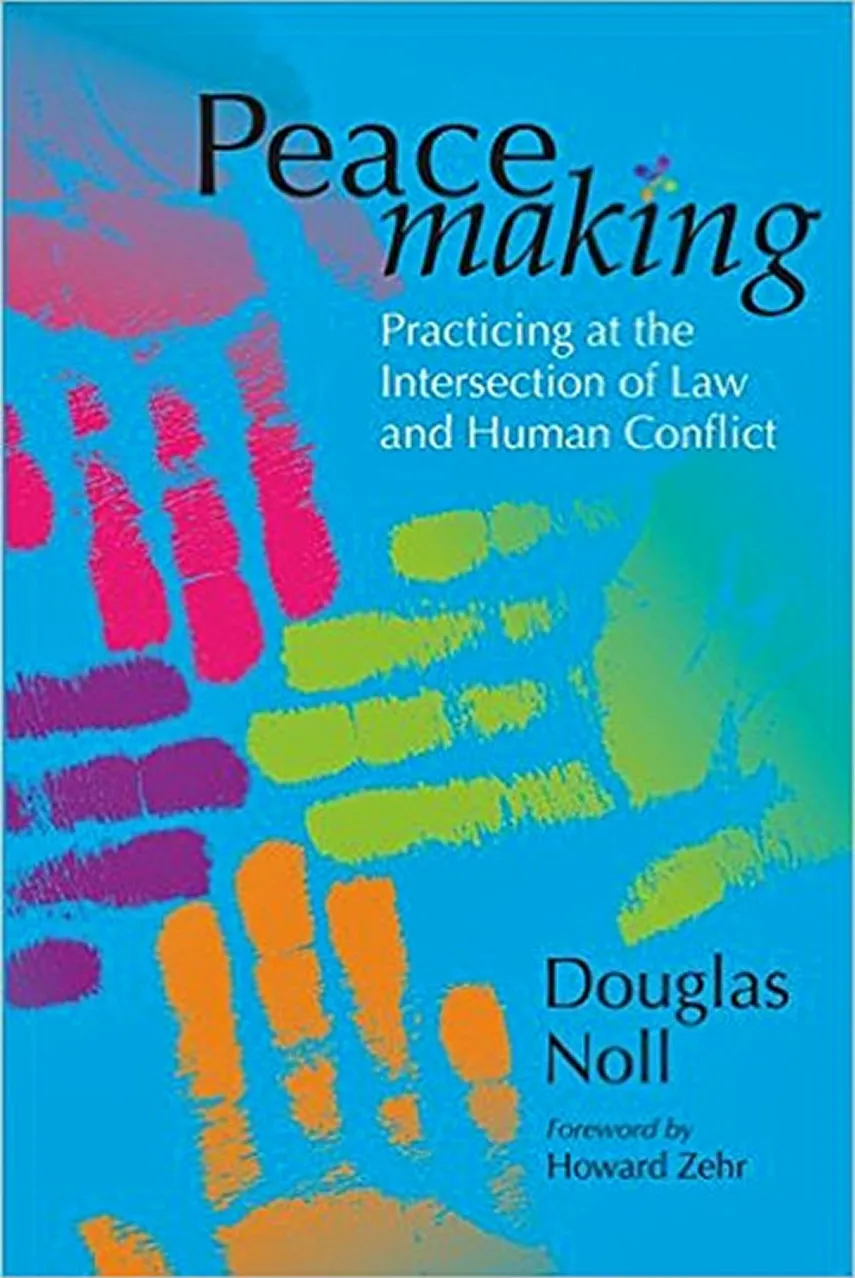
Doug has authored several books on affect labeling and emotional competency, including De-Escalate: How to Calm an Angry Person in 90 Seconds or Less, which won multiple awards and has been adopted by organizations worldwide.