How Executive Dispute Mediation Actually Resolves a Board-Level Rupture


The board meeting was supposed to be routine.
Instead the chair called the independent director into a private room afterwards and said two sentences. "The CEO and the COO cannot be in a room together without the temperature changing. The investors noticed on the last call. I need you to fix it before the February review."
The independent director had sat on seven boards. She had seen this specific rupture three times before. Each time, the standard playbook had been applied: a leadership coach, an executive team offsite, maybe a facilitated session. Each time, the rupture had resurfaced within six months, usually worse.
This is why most board-level ruptures do not resolve through the standard interventions. They are not performance problems. They are not communication problems. They are specific, named, unaddressed things between two specific executives, and they require a different method.
Why coaching does not resolve a board-level rupture
Executive coaching works on an individual's behaviour. It is excellent for building capability, improving self-awareness, and addressing patterns the executive wants to change.
It does not resolve a rupture between two executives, because the rupture is not a feature of either individual. It is a feature of the relationship, which neither coach has standing to work on directly. The CEO's coach can help the CEO become a better communicator. The COO's coach can do the same. Neither of them can get the two of them in a room and name the thing that happened in 2024 that they both remember and neither has mentioned since.
Coaching treats the symptoms the rupture produces in each individual. It does not treat the rupture.
Why offsites make it worse
A leadership offsite often brings the rupture into the open briefly, under the pressure of a facilitator who is paid to produce resolution before everyone goes home. The two executives make statements of commitment. The team witnesses the breakthrough. Monday morning, the behaviour reverts and now the whole leadership team has watched a vulnerable moment that produced no durable change.
The offsite converts a private rupture into a public one with the same operational consequence and a reduced appetite for repeat intervention.
If an executive team is losing six hours a week across two leaders who cannot be in a room together, that is roughly $125,000 a year at exec hourly rates, plus the compounding cost of every decision that has to route around them. The exact number is a two-minute input in Doug's cost of conflict calculator.
What executive dispute mediation actually does
Executive dispute mediation designed for board-level ruptures runs on four specific moves.
Private sessions long enough to find the actual rupture. The mediator meets with each executive separately, for several hours, over multiple sessions if needed. The goal is not to prepare them for a joint conversation. The goal is to get each of them to name, out loud to a third party, the specific thing between them that has never been said. In Doug Noll's practice, this is almost always a specific event with a specific date, not a general dynamic.
A joint session structured around that specific event, not around the current symptoms. The mediator does not open the joint session by asking the executives to talk about their working relationship. The mediator opens by naming the specific event that each has privately identified as the one that mattered. The surprise this produces is the mechanism. Both executives realise, in the same moment, that they have each been carrying the same thing from the same date, independently, for the same amount of time.
Affect labeling at the moment the event lands in the room. When one executive hears the other acknowledge the event, there is a physiological response. The mediator names it. "That just landed." Then stops. The regulation keeps the room functional long enough for the second part of the conversation to happen, which is where the actual understanding gets built.
A specific operational agreement for the next ninety days, written in the room. Not a general statement of commitment. Specific behavioural agreements. "You will not raise concerns about my function in front of the leadership team without raising them to me privately first." "I will not reorganise reporting lines in your domain without a direct conversation two weeks before." The agreement is boring. That is the point. Boring is what holds.
Why this method works at board level specifically
Board-level ruptures are different from middle-management conflicts in two ways. The parties have long memories, which means the rupture usually traces to a specific identifiable event. The parties also have significant professional capability, which means they can execute a specific behavioural agreement if they understand why it matters. Both of these make the above method particularly effective at the executive layer.
It fails at junior levels because the specific-event anchor often does not exist and the discipline to execute the agreement is less reliable. At the C-suite, both conditions are usually met.
Doug Noll teaches Decision-Making Under Stress and Conflict at Pepperdine's Straus Institute, has mediated complex business disputes for 25 years, and co-founded the Prison of Peace Project, now active in 15 California prisons. His board-level dispute work draws on the same affect labeling protocol tested in environments where failure had physical consequences.
If you have a C-suite rupture that coaching and offsites have not resolved, Doug runs a 20-minute diagnostic call to work out whether this method would fit your specific situation. Book 20 minutes with Doug.
The February review
The independent director brought in the mediator in November. The CEO and COO each had three private sessions. The joint session ran for two hours in mid-December. By February the board noticed the temperature was different. The investors noticed on the next quarterly call.
The relationship was not warm. It was functional. For board-level work, functional is the entire objective.
For related reads, see four critical failures of most corporate mediation and the vote that should have been unanimous.
Board-level ruptures do not resolve through the standard playbook. They require a method designed for the specific pattern they follow. That method is executive dispute mediation done properly.
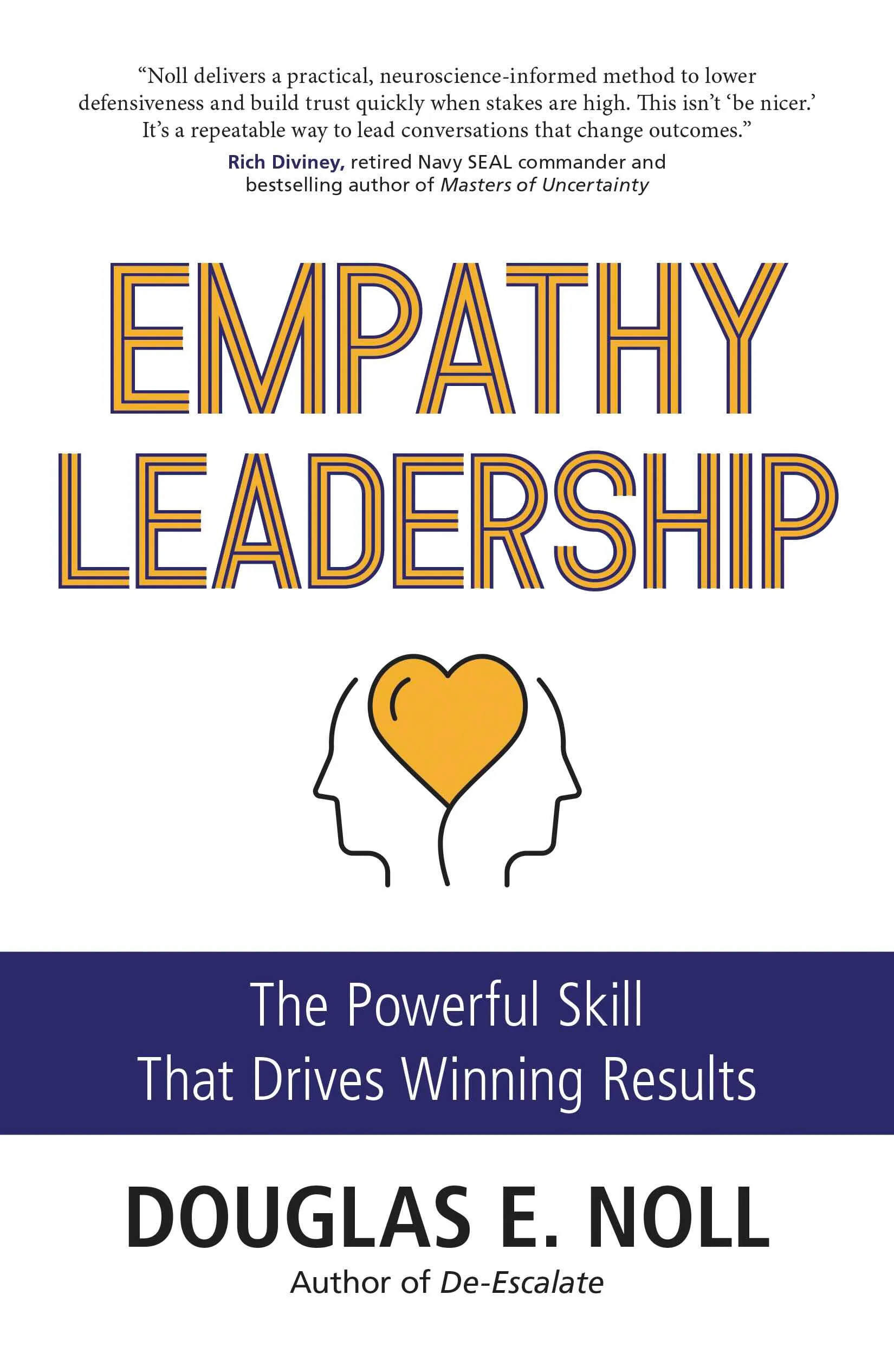
Empathy Leadership: The Powerful Skill That Drives Winning Results is out now. Order on Amazon, or if a 20-minute call would be more useful, Doug's calendar is here.
Emotional Competence Shapes Your Influence as a Leader
This 90-second emotional competence quiz will tell you how your emotions affect the way you are treated at work and how to gain the respect and influence you deserve as a leader.
Take the Free Assessment
Doug’s Books
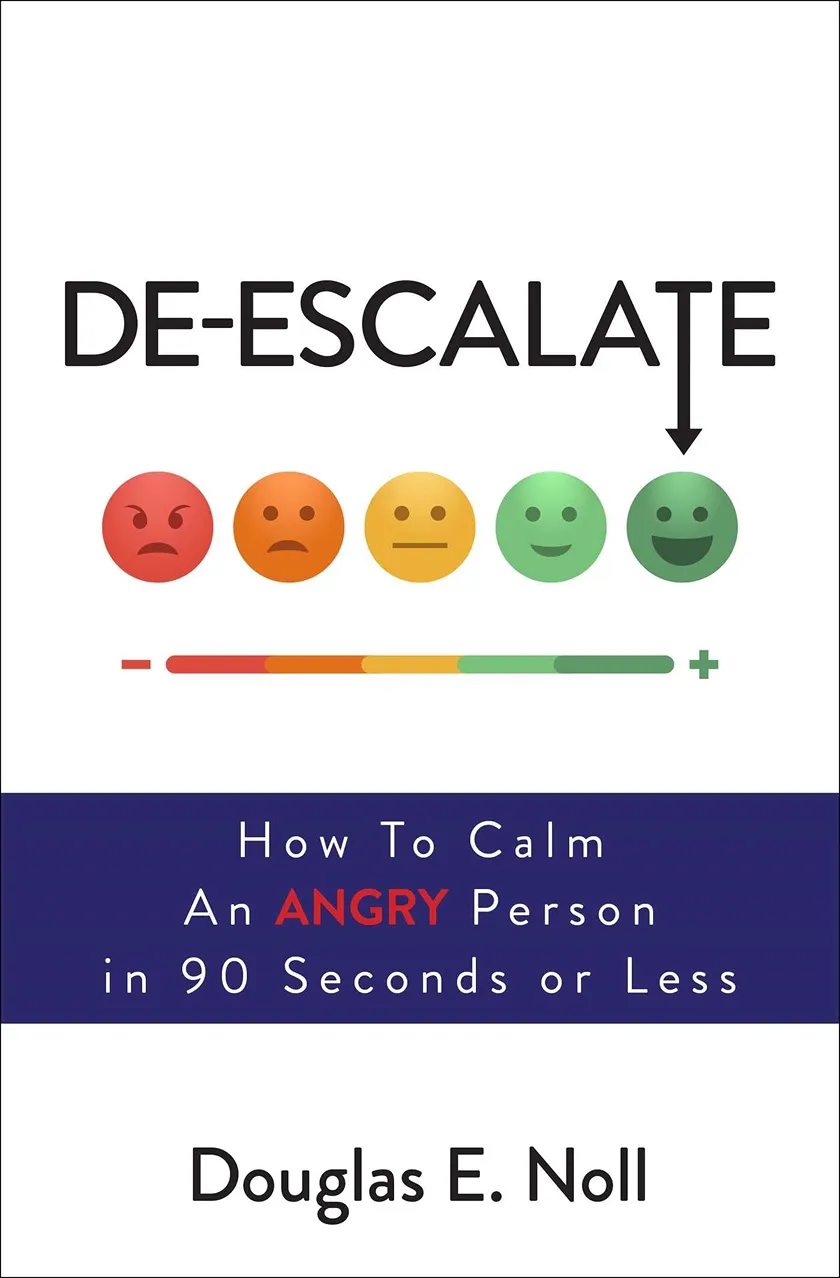
Doug has authored several books on affect labeling and emotional competency, including De-Escalate: How to Calm an Angry Person in 90 Seconds or Less, which won multiple awards and has been adopted by organizations worldwide.