Meeting facilitation: Control the room without force
%201.avif)

A meeting does not become expensive when people disagree.
It becomes expensive when the room loses regulation.
Ten senior leaders in a 90 minute meeting at $500 per hour each costs $7,500.
If the meeting ends with no decision, then creates 3 follow up meetings, 12 side conversations, and 2 weeks of delayed execution, the real cost is not $7,500.
It is closer to $50,000 before the first business consequence appears.
If that delay affects a $5 million initiative by even 5 percent, another $250,000 is at risk.
That is the Facilitation Tax.
Most leaders try to control the room with force.
Force creates compliance.
Regulation creates movement.
The diagnosis
You believe meeting control comes from agenda discipline.
You set time limits.
You interrupt rambling.
You push for decisions.
You shut down side debates.
You “bring people back to the point.”
Sometimes that works.
Under emotional pressure, it fails.
The moment people feel dismissed, exposed, rushed, or overruled, the amygdala activates.
Cortisol rises.
The prefrontal cortex, responsible for reasoning, sequencing, and trade off analysis, loses efficiency.
Now the meeting is no longer about the agenda.
It is about threat.
People repeat points.
People interrupt.
People go silent.
People posture.
People protect status.
You think the room lacks discipline.
The room lacks regulation.
The five ways leaders lose the room
1. The forceful redirect
Someone speaks too long.
You cut them off sharply.
The room gets quieter.
You think you regained control.
You created status threat.
The speaker now feels embarrassed.
Others become cautious.
The meeting becomes cleaner on the surface and less honest underneath.
That is not control.
That is suppression.
2. The logic pile-on
Two people disagree.
You add more facts.
More context.
More data.
More explanation.
But the room is already activated.
Cortisol reduces cognitive flexibility.
More logic now creates more resistance.
The debate becomes circular because the nervous system is defending, not evaluating.
3. The false neutrality move
You say:
“Let’s keep this professional.”
That sounds balanced.
It often lands as invalidation.
The room hears:
“Your emotion is the problem.”
Invalidation increases activation.
The tension goes underground.
Now the meeting looks polite and becomes politically useless.
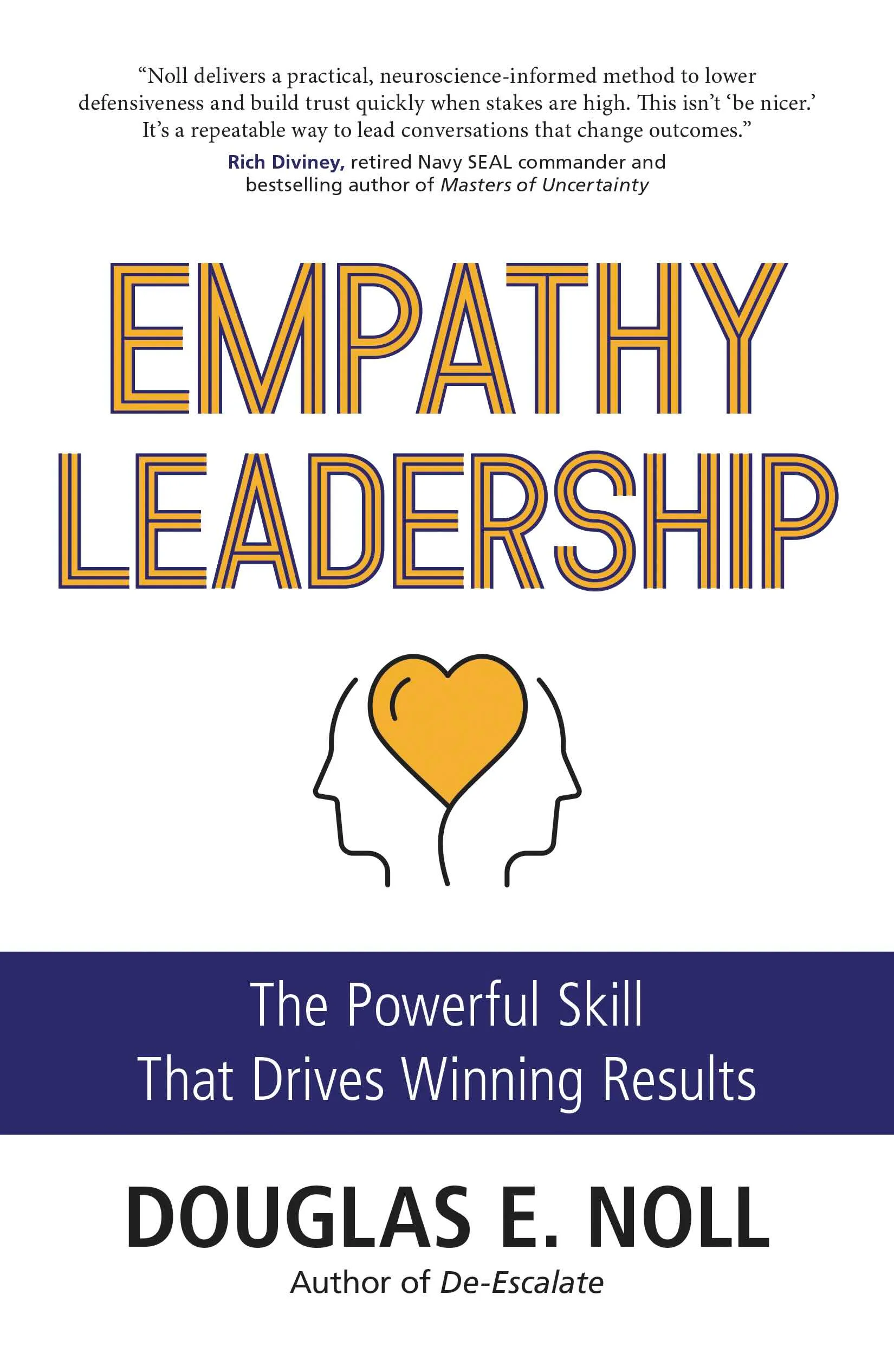
This is the neuroscience at the heart of Doug Noll's new book, Empathy Leadership: The Powerful Skill That Drives Winning Results.
4. The premature decision push
You sense time running out.
You force a decision before the emotional conflict is resolved.
People nod.
They do not align.
After the meeting, side conversations begin.
The decision is reopened informally.
Execution slows.
A forced decision is not the same as a committed decision.
5. The dominant voice problem
One person takes too much space.
The leader lets it happen because that person is senior, loud, or politically useful.
The rest of the room learns the rule.
Power beats truth.
Psychological safety drops.
Information quality declines.
The meeting becomes a performance, not a decision system.
The neuroscience of room control
The amygdala scans meetings constantly for social threat.
Threat includes interruption, public correction, exclusion, humiliation, and loss of influence.
When threat appears:
- Cortisol rises.
- Listening decreases.
- Status protection increases.
- Cognitive flexibility narrows.
- Collaboration drops.
The prefrontal cortex cannot run a high quality discussion inside an activated room.
That is why force fails.
Force increases threat.
Threat reduces thinking.
Reduced thinking creates worse meetings.
A leader who controls through pressure gets surface order and hidden resistance.
A leader who controls through regulation gets truth, speed, and commitment.
The counterintuitive protocol
Do not control the conversation first.
Control the nervous system first.
When someone repeats the same point, do not say:
“We already covered that.”
Say:
“You are concerned this has not been heard.”
Pause.
When two people start debating sharply, do not summarize both sides immediately.
Say:
“You are frustrated this feels blocked.”
Pause.
To the other person:
“You are worried about the risk.”
Pause.
When someone goes quiet, do not call them out aggressively.
Say:
“You seem hesitant to weigh in.”
Pause.
When the room gets tense, do not force calm.
Say:
“There is pressure in the room.”
Pause.
Short. Declarative. Precise.
No lecture.
No performance.
No domination.
Accurate emotional labeling reduces amygdala activation. Cortisol declines. The prefrontal cortex begins to reengage.
Only then does facilitation work.
The room control sequence
Use this sequence when a meeting starts drifting into tension.
1. Name the emotional state
“You are frustrated.”
“You seem concerned.”
“There is hesitation here.”
This interrupts threat without attacking anyone.
2. Pause
Do not rush the next sentence.
The pause gives the nervous system time to process recognition.
Silence is not weakness.
Silence is control.
3. Clarify the real issue
Ask:
“What outcome are we trying to protect?”
Or:
“What risk is driving this concern?”
Now the discussion moves from position to purpose.
4. Set the standard
Say:
“We are going to disagree directly, not through side comments.”
Or:
“We are going to separate facts from assumptions.”
Or:
“We are making a decision today, but first we need the real concern on the table.”
Standards after regulation land cleanly.
Standards before regulation feel like threat.
5. Create the decision path
Ask:
“What do we know?”
“What is still uncertain?”
“What trade off are we accepting?”
“Who owns the next action?”
Now the meeting has sequence.
Sequence reduces anxiety.
Reduced anxiety improves speed.
The scripts that control without force
When someone dominates:
“You feel strongly about this.”
Pause.
“I want the room to hear the other constraints now.”
When someone interrupts:
“You are eager to respond.”
Pause.
“Hold that. Let them finish.”
When the room avoids the real issue:
“There is something not being said.”
Pause.
“You may be cautious naming it.”
Pause.
“Say it directly.”
When two departments fight:
“Product is concerned about speed.”
Pause.
“Engineering is concerned about stability.”
Pause.
“The decision is the trade off between speed and stability.”
When the group delays:
“You are worried about making the wrong call.”
Pause.
“What information would materially change this decision?”
These scripts reduce threat and restore movement.
They do not ask for permission.
They regulate and direct.
The leadership standard
Meeting facilitation is not note taking.
It is not timekeeping.
It is not letting everyone speak equally for the sake of politeness.
Meeting facilitation is the disciplined regulation of group threat so the room can think, decide, and commit.
The leader’s job is to prevent three things:
Emotional flooding.
Status warfare.
Decision avoidance.
The sequence is always the same.
Name emotion.
Pause.
Clarify risk.
Set standard.
Move to decision.
If better facilitation saves 20 minutes in one weekly executive meeting with 10 leaders at $500 per hour, that saves over $80,000 annually in time alone.
If it prevents one delayed initiative, one political breakdown, or one bad decision, the value moves into seven figures.
Control through force creates fear.
Control through regulation creates velocity.
The room does not need a louder leader.
It needs a steadier nervous system.
Emotional Competence Shapes Your Influence as a Leader
This 90-second emotional competence quiz will tell you how your emotions affect the way you are treated at work and how to gain the respect and influence you deserve as a leader.
Take the Free Assessment
Doug’s Books
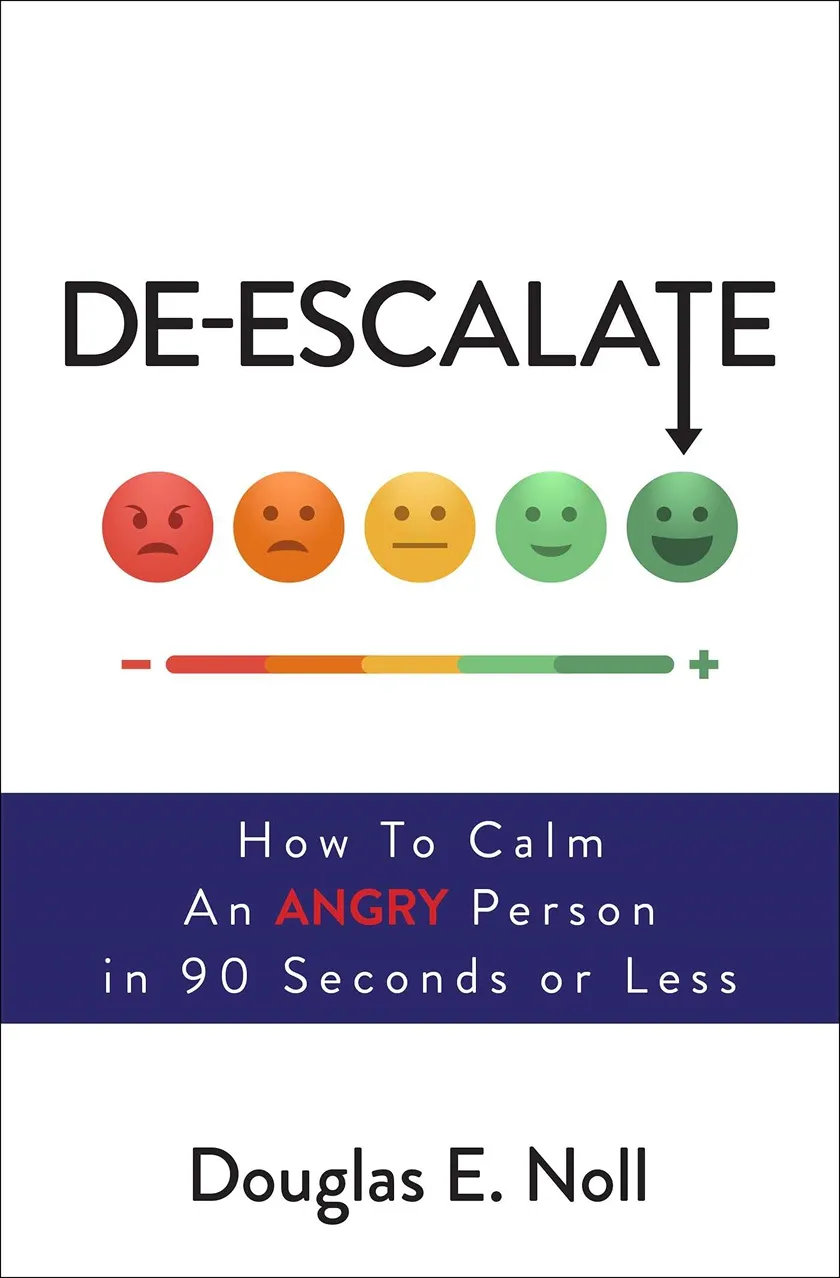
Doug has authored several books on affect labeling and emotional competency, including De-Escalate: How to Calm an Angry Person in 90 Seconds or Less, which won multiple awards and has been adopted by organizations worldwide.