The CFO Who Stopped Interrupting
%201.avif)

Everyone on the finance team had a version of the same joke. You could get through about six words of a sentence in a meeting with him before he finished it for you, usually correctly, usually faster than you would have gotten there yourself. People laughed about it. Nobody had ever told him it was a problem.
His controller told him, eventually, not as a joke. She had been sitting on a discrepancy in a vendor reconciliation for two weeks before bringing it to him, because the last three times she had raised something incomplete, he had finished her explanation before she got to the part that actually mattered and moved on with the wrong conclusion.
The two-week delay had let the discrepancy grow from a five-figure question into a six-figure one by the time he finally heard the full version.
What the interrupting reflex actually did to information
He had always understood his habit as efficiency. He was quick, he could usually see where a sentence was going, and finishing it saved time in a busy day. What he had not understood was that his speed was frequently wrong in a specific, costly way. He was pattern-matching to the most common version of a problem, not the actual one in front of him, and the actual one usually differed in exactly the detail he cut off before hearing.
His controller had learned, the same way anyone learns a pattern under repeated exposure, that bringing him a half-formed concern got her a fast, confident, frequently incorrect answer, while bringing him a fully-formed concern took more of her prep time up front with no guarantee he would let her finish it anyway. She had started over-preparing before every conversation with him, which slowed down exactly the kind of early, rough flag that catches a problem while it is still small.
The discrepancy that reached him at six figures could have reached him at five if his habit had not taught her, over many small repetitions, that raising something incomplete to him was not worth the risk.
How much is one unresolved conflict really costing your company?
What he practiced instead
He did not try to become a slower thinker. He practiced one narrow behavior: waiting for a full stop, an actual pause of at least two seconds, before saying anything, even when he was confident he already knew where the sentence was going. The mechanism it interrupts sits closer to affect labeling than to willpower.
The first few weeks felt, in his own words, "like holding my breath." He caught himself starting to interrupt dozens of times and stopped mid-word more than once. His controller noticed within the first two weeks and said so directly, which reinforced the new pattern faster than any internal willpower could have.
The two-second pause did something else he had not anticipated. It gave the person speaking room to add the detail that mattered, the one his fast pattern-match would have skipped past. Several times in the first month, that extra detail changed his answer entirely.
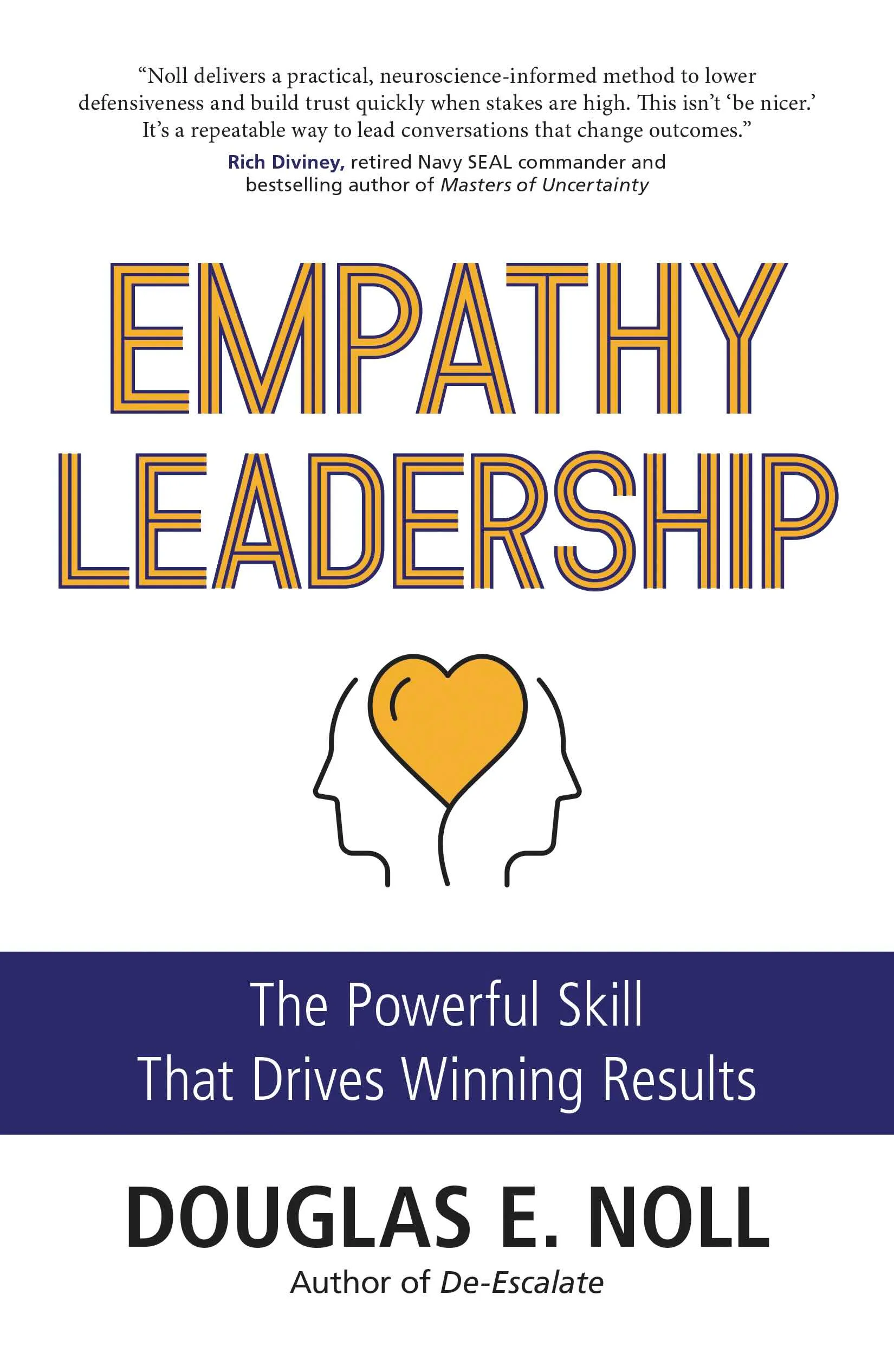
Doug Noll's new book Empathy Leadership: The Powerful Skill That Drives Winning Results lays out why a two-second pause catches information a faster mind reliably misses. See it here.
What his team brings him now
His controller told him, a year later, that she now brought him problems at half the size she used to wait for. Not because he had told her to. Because she had learned, through repetition, that a rough, early version of a concern would get heard all the way through instead of finished for her.
The joke about finishing sentences is mostly gone from the team now. He still notices the urge arrive. He just no longer acts on it as quickly as he used to.
Emotional Competence Shapes Your Influence as a Leader
This 90-second emotional competence quiz will tell you how your emotions affect the way you are treated at work and how to gain the respect and influence you deserve as a leader.
Take the Free Assessment
Doug’s Books
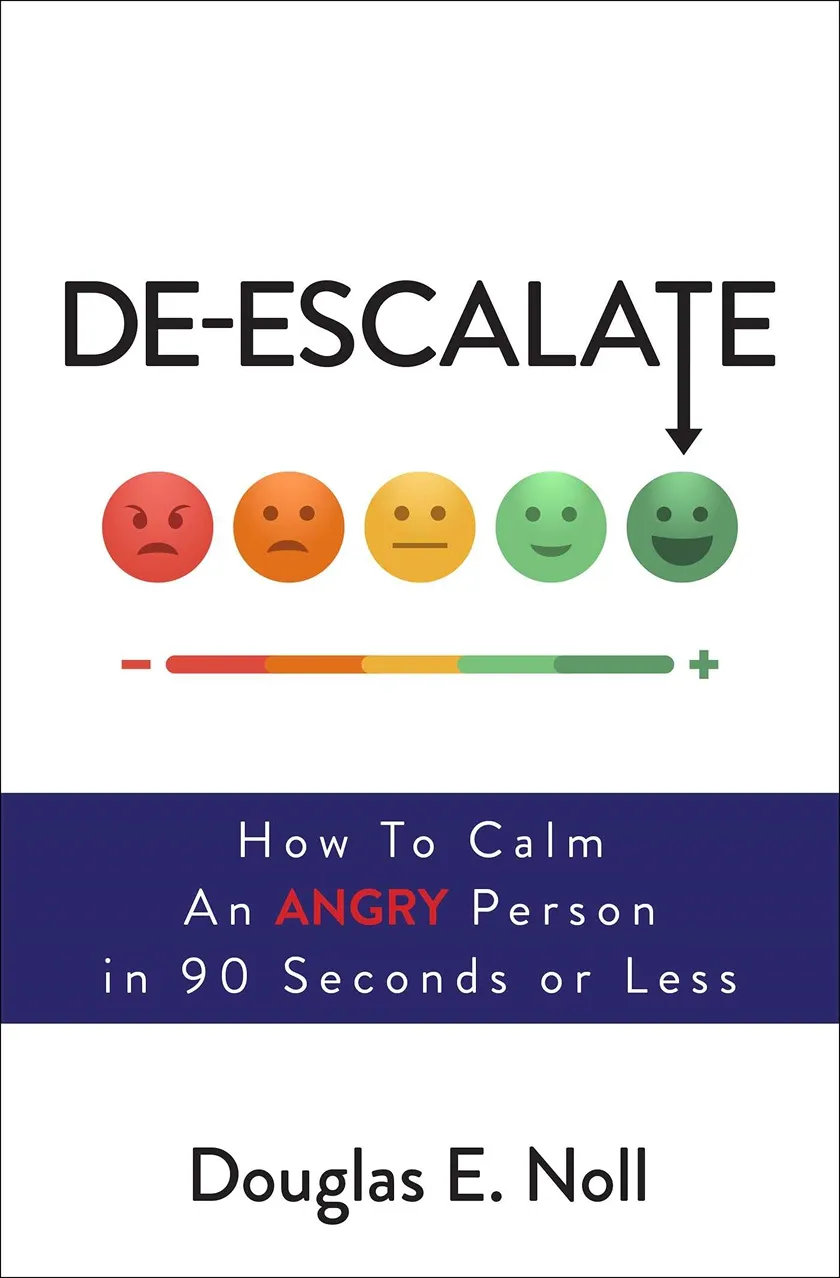
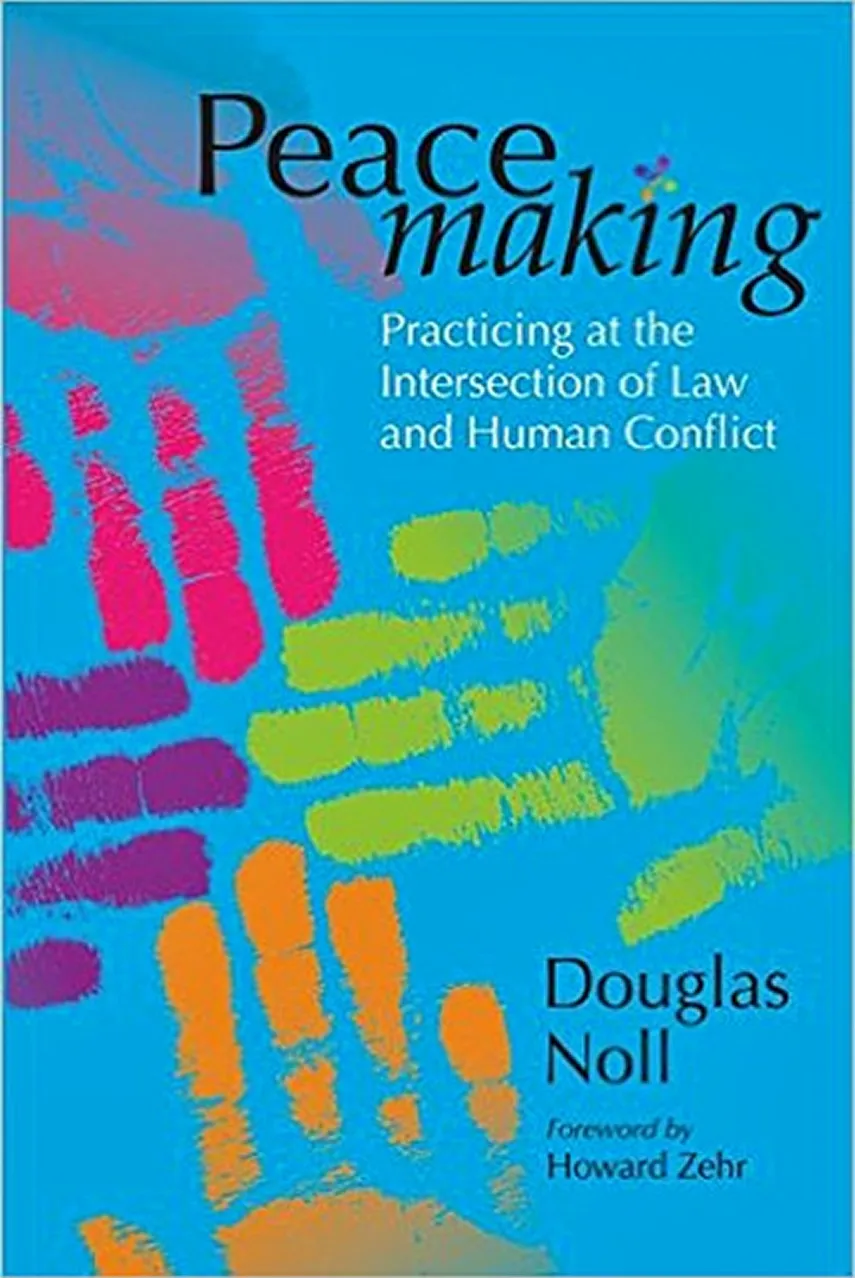
Doug has authored several books on affect labeling and emotional competency, including De-Escalate: How to Calm an Angry Person in 90 Seconds or Less, which won multiple awards and has been adopted by organizations worldwide.
More Blogs
View All

October 22, 2026
4 Critical Failures of Most Corporate Mediation (and the Approach That Works)
Read Blog

October 22, 2026
What Leading With Empathy Looks Like in a Hard Quarter: 5 Executive Examples
Read Blog
October 21, 2026
The 6 Essential Elements of Empathy Training for Managers That Actually Sticks
Read Blog