The Compounding Cost of a CEO Who Corrects Every Sentence
%201.avif)

He corrected a rounding error mid-sentence in the Monday meeting. "Slightly under a third" became, before the speaker could finish the thought, "thirty-one point four percent, to be precise." Nobody reacted. It was such a small, familiar habit that his team had long since stopped noticing it happened at all.
His new Chief of Staff noticed, because she was new enough not to have gone numb to it. She started quietly counting how often it happened across a full week of his meetings. By Friday, she had logged forty-one instances of him correcting a minor, non-substantive detail mid-sentence, across eleven separate meetings.
She showed him the count without commentary. He was visibly surprised. He had genuinely believed the habit happened "occasionally."
What forty-one small corrections a week actually train
Each individual correction was accurate and, taken alone, harmless. Precision is not a flaw. But a person interrupted mid-sentence to be corrected on a minor detail experiences the interruption as a small social event regardless of whether the correction itself was fair, and forty-one such events a week, repeated across a team of a dozen people, adds up to a meaningful volume of small social friction that nobody had ever measured.
Over time, a team subjected to this pattern learns something specific in their own nervous systems: precision matters more in this room than momentum, and a rough but directionally correct point will get derailed before its actual substance is heard. The mechanism resembles a low-grade version of what the amygdala tracks in higher-threat environments. The rational adaptation is to over-prepare every number before speaking, slowing down exactly the kind of quick, rough contribution that a fast-moving strategy discussion depends on. Several team members had, independently, started pre-checking their figures obsessively before any meeting with him, not because the stakes required that level of precision but because the correction itself had become the thing they were trying to avoid.
How much is one unresolved conflict really costing your company?
What the habit was costing in actual time
The Chief of Staff timed the corrections across the same week. Forty-one interruptions averaged fifteen seconds each, a small number in isolation, adding up to roughly ten minutes of pure meeting time spent on corrections that changed no decision. Ten minutes a week does not sound large until it is multiplied across a year of meetings and against the fully loaded cost of everyone sitting in them.
The larger, unmeasured cost was the one nobody could put a clean number on: the ideas that never got raised at all because someone anticipated the correction and decided the rough version of their point was not worth the interruption. The CEO could not know how many of those there had been, which was itself part of the argument for changing the habit.
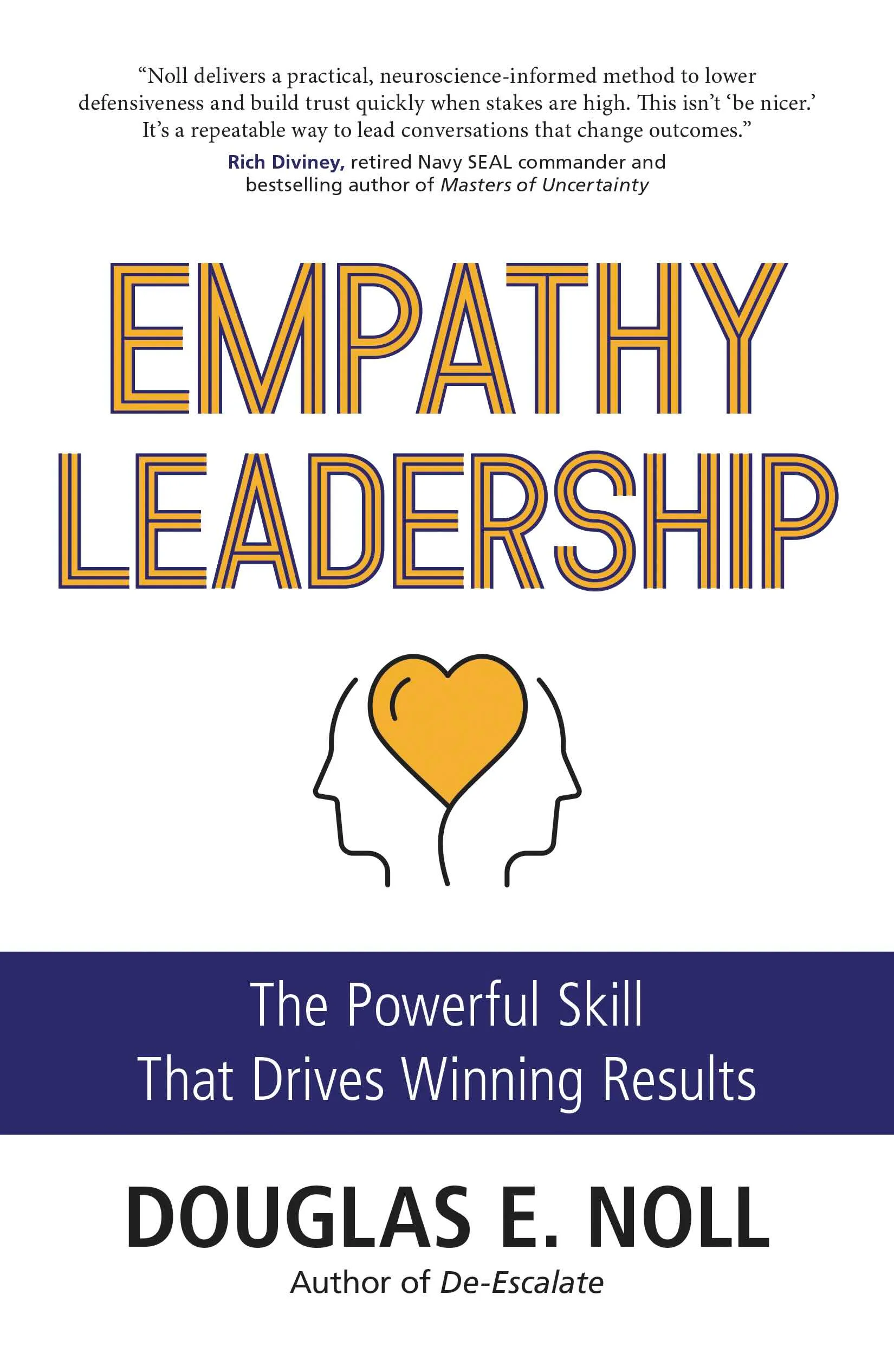
Doug Noll's new book Empathy Leadership: The Powerful Skill That Drives Winning Results lays out how a small, well-intentioned habit repeated dozens of times a week can quietly reshape what a team is willing to say out loud. See it here.
What he did with the count
He asked his Chief of Staff to keep logging it, silently, as a personal accountability measure, and he set himself a simple rule: let the point finish, then decide whether the correction actually mattered to the decision at hand before making it out loud.
Four weeks later, the count had dropped from forty-one to twelve. He still corrects real errors that matter. He has stopped correcting the ones that don't, and the ten minutes a week he got back is smaller than the change he noticed in how quickly people started finishing their own sentences again.
Emotional Competence Shapes Your Influence as a Leader
This 90-second emotional competence quiz will tell you how your emotions affect the way you are treated at work and how to gain the respect and influence you deserve as a leader.
Take the Free Assessment
Doug’s Books
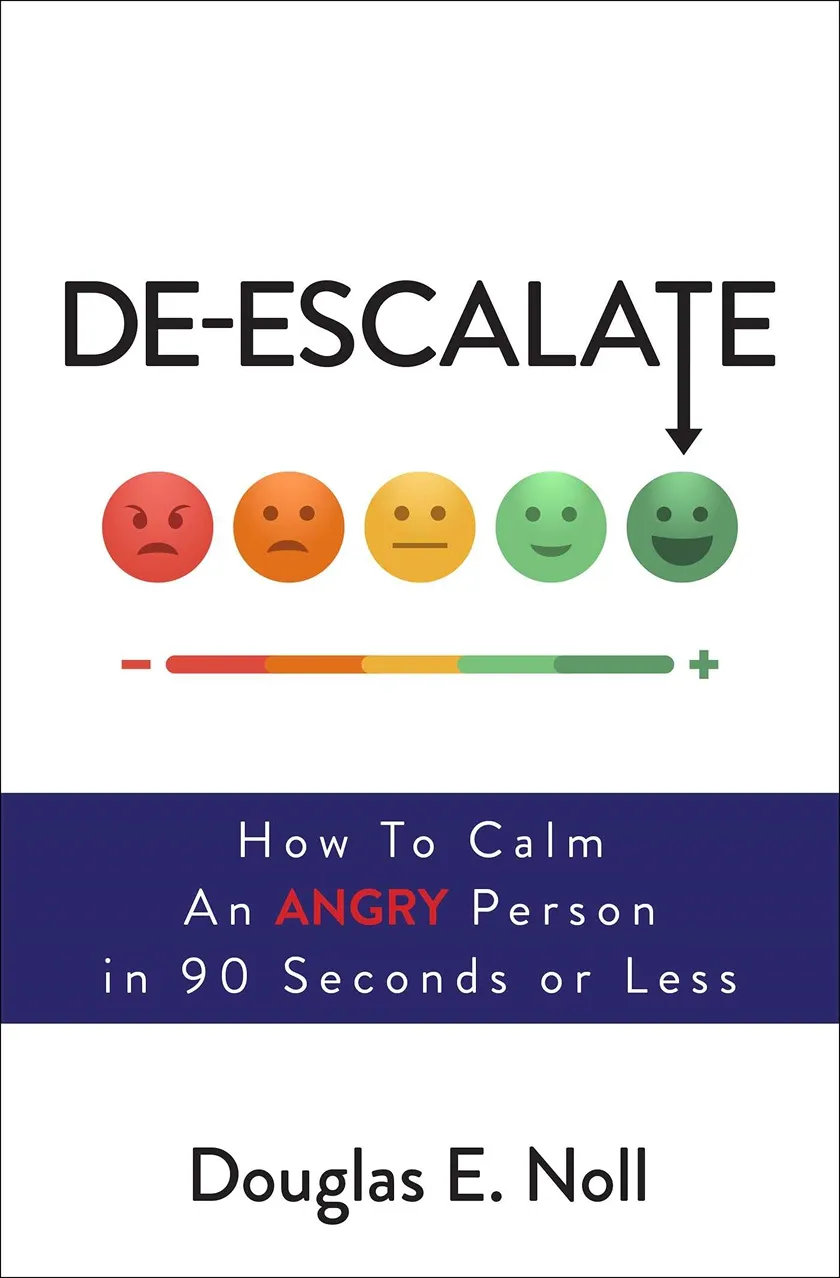
Doug has authored several books on affect labeling and emotional competency, including De-Escalate: How to Calm an Angry Person in 90 Seconds or Less, which won multiple awards and has been adopted by organizations worldwide.