Building Trust De-Escalate Without Giving In
%201.avif)

Most leaders think de-escalation means surrender.
They imagine softer standards, weaker boundaries, or losing control of the room.
So instead of regulating conflict, they dominate it.
The result is expensive.
If one emotionally escalated conflict drives out a senior employee earning $180,000, replacement costs can exceed $360,000.
If unresolved tension slows execution across a $15 million division by 5 percent, another $750,000 disappears.
That is over $1 million lost because leadership confused regulation with weakness.
This is the Trust Paradox.
The people who de-escalate best usually hold authority most effectively.
The diagnosis
You believe trust comes from certainty and control.
You believe calming people down requires compromise.
You believe strong leadership means “holding the line.”
The nervous system interprets something else first.
Threat.
When people feel dismissed, humiliated, cornered, or emotionally invisible, the amygdala activates.
Cortisol rises.
The prefrontal cortex, responsible for reasoning and collaboration, loses influence.
Now the conflict is no longer about the issue.
It becomes about survival, status, and emotional recognition.
The harder you push logic into an activated brain, the harder the resistance becomes.
You think you are protecting standards.
You are increasing threat.
The four myths that destroy trust during conflict
1. The false choice myth
Leaders assume there are only two options:
Give in.
Or fight harder.
There is a third option.
Regulate emotion without changing the boundary.
You can lower threat while maintaining accountability completely.
2. The authority escalation trap
Leaders use forceful tone, rapid logic, or positional authority to regain control.
This activates stronger amygdala response.
The room becomes emotionally defensive.
Compliance may happen temporarily.
Trust collapses long term.
3. The overexplaining pattern
Leaders flood conflict with justification.
The activated nervous system does not hear nuance.
It hears self protection.
The more you explain while someone is emotionally activated, the more invalidated they feel.
4. The emotional avoidance problem
Some leaders skip acknowledgment entirely.
They move straight to policy, process, or solutions.
The other person feels unseen.
Unseen people escalate until emotional reality is recognized.
The neuroscience of trust under pressure
Trust is not built when things are easy.
Trust is built when threat appears and leadership reduces it.
The amygdala constantly evaluates social safety.
When leaders regulate emotion accurately:
- Cortisol decreases.
- Defensive behavior drops.
- Listening improves.
- The prefrontal cortex reengages.
This creates cognitive safety.
Cognitive safety allows disagreement without emotional collapse.
That is real trust.
Not agreement.
Not compliance.
Stability under tension.
The counterintuitive protocol
Do not defend your position first.
Regulate the nervous system first.
When someone pushes back aggressively, do not counter immediately.
Say:
“You are frustrated by this decision.”
Pause.
If someone feels unheard, say:
“You feel overlooked here.”
Pause.
If tension rises around accountability, say:
“You are concerned this is unfair.”
Pause.
Short, declarative emotion labels.
No surrender.
No apology unless necessary.
No retreat from standards.
Accurate emotional labeling reduces amygdala activation. Cortisol declines. The prefrontal cortex regains control.
Only after regulation do you restate the boundary:
“This is still the direction we are taking.”
Or:
“The expectation remains the same.”
Now the nervous system can hear it without interpreting it as attack.
If emotional regulation prevents one executive conflict from escalating into attrition costing $300,000 and improves productivity by 5 percent across a $10 million payroll, the financial return exceeds $800,000.
Weak leaders think de-escalation means giving in.
Strong leaders understand that reducing threat increases influence.
You do not build trust by overpowering emotion.
You build trust by regulating it while holding the line.
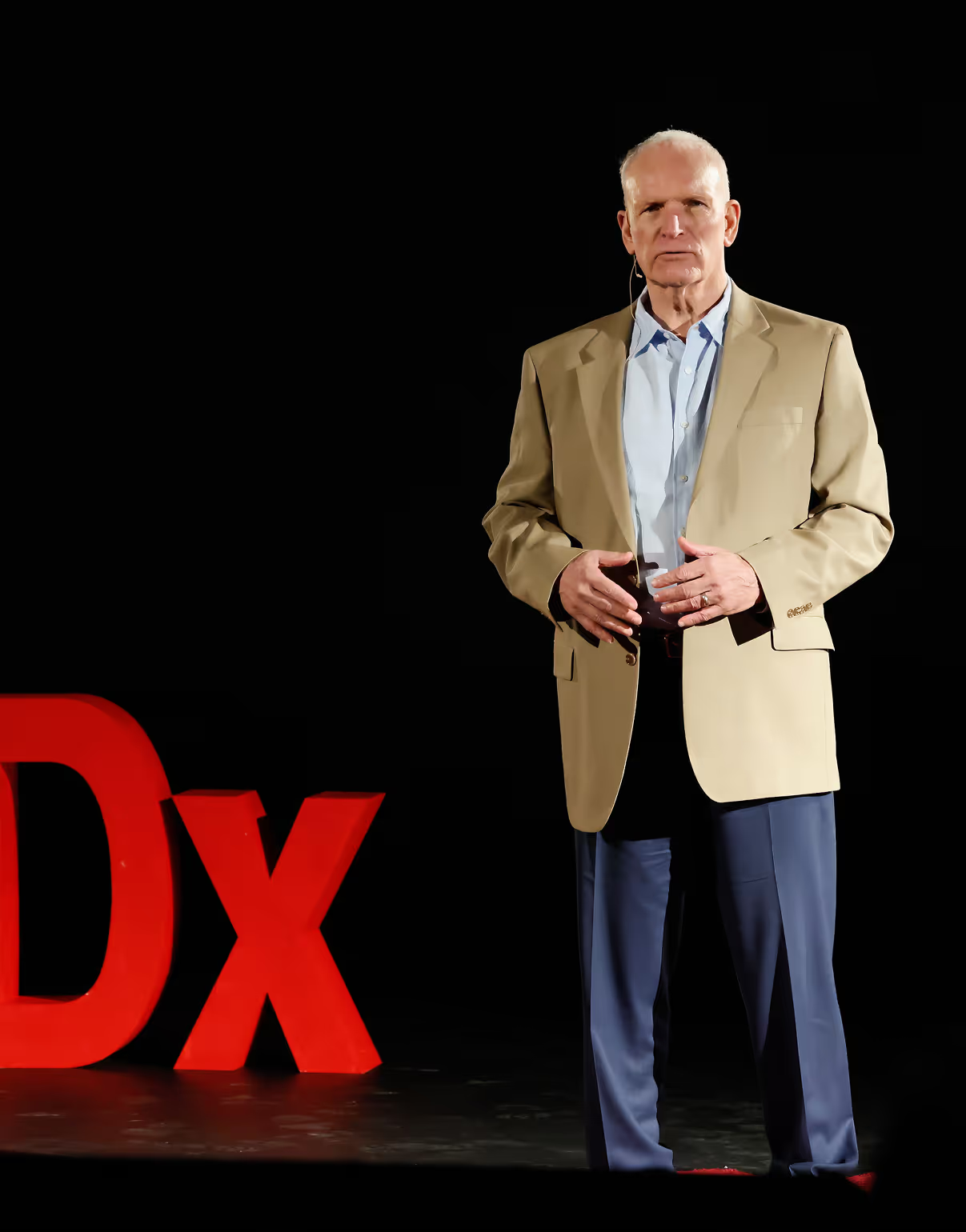
Want Doug to walk your leadership team through the Noll Method? Book a no-obligation Zoom call with Doug Noll.
Emotional Competence Shapes Your Influence as a Leader
This 90-second emotional competence quiz will tell you how your emotions affect the way you are treated at work and how to gain the respect and influence you deserve as a leader.
Take the Free Assessment
Doug’s Books
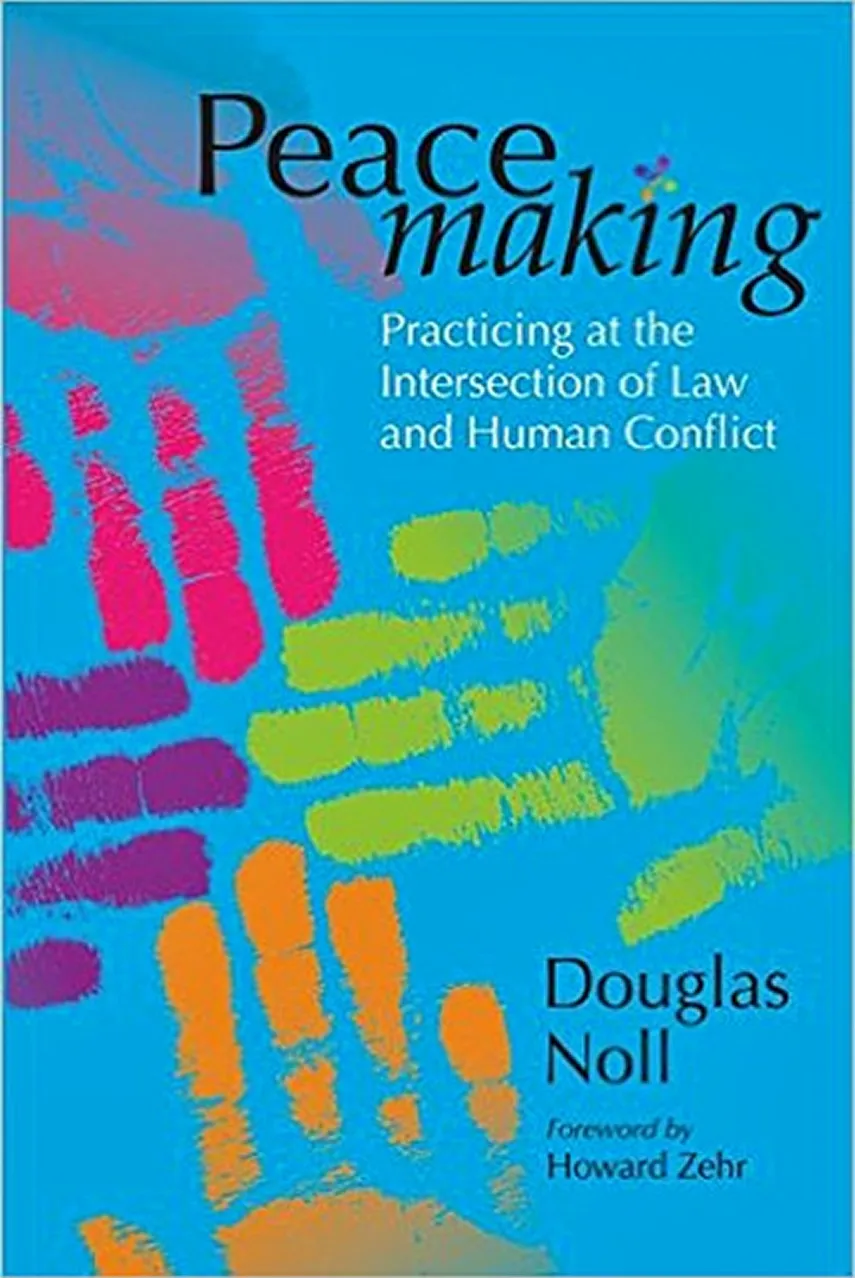
Doug has authored several books on affect labeling and emotional competency, including De-Escalate: How to Calm an Angry Person in 90 Seconds or Less, which won multiple awards and has been adopted by organizations worldwide.