Building Trust: A Formula to Stop Talent Bleed
%201.avif)

One high performer leaving costs far more than salary.
If a senior employee earning $180,000 exits and replacement cost reaches 200 percent of salary, the direct impact can exceed $360,000.
Add lost institutional knowledge, slower execution, client disruption, and morale decline, and the real number climbs higher.
If three top performers leave in one year, the cost easily crosses $1 million.
Most organizations blame compensation.
The real issue is trust erosion.
People do not stay where their nervous system feels unsafe.
The diagnosis
You believe trust comes from perks, vision statements, or culture decks.
You believe talented people leave for better offers.
High performers leave because chronic threat exhausts them.
The amygdala constantly scans for social danger.
Dismissal.
Humiliation.
Inconsistency.
Political instability.
When these signals repeat, cortisol remains elevated.
The prefrontal cortex, responsible for creativity, strategic thinking, and collaboration, loses efficiency.
People stop investing emotionally.
Once emotional withdrawal begins, physical departure follows.
Talent bleed starts neurologically long before resignation letters appear.
The four trust leaks draining your organization
1. The inconsistency problem
Leaders say one thing and reward another.
The nervous system detects incongruence instantly.
If accountability standards shift based on politics or favoritism, trust collapses.
Predictability creates safety.
Inconsistency creates threat.
2. The emotional invisibility effect
Employees feel unseen.
Their concerns are acknowledged logically but ignored emotionally.
When people feel emotionally invisible, amygdala activation increases.
They disengage quietly.
Disengagement reduces discretionary effort.
If a 10 percent discretionary effort drop occurs across a 40 person team averaging $130,000 salary, that equals $520,000 in lost contribution annually.
3. The punishment memory loop
Someone speaks up and gets embarrassed, ignored, or punished indirectly.
The brain encodes the event as danger.
Others observe it.
Silence spreads.
Innovation declines because visibility feels risky.
4. The defensive leadership pattern
Leaders who cannot admit fault increase collective threat levels.
Teams stop surfacing problems early.
Small issues compound into expensive failures.
Trust declines every time reality cannot be spoken safely.
The neuroscience of trust
Trust is not abstract.
It is biological prediction.
The amygdala continuously asks:
“Am I safe here?”
When emotional safety exists:
- Cortisol decreases.
- The prefrontal cortex engages fully.
- Collaboration improves.
- Risk tolerance increases.
- Creativity expands.
When safety disappears:
- Defensive behavior rises.
- Listening decreases.
- Political behavior increases.
- Attrition risk accelerates.
Trust is a nervous system state before it becomes a cultural value.
The formula for trust
Trust is built through four repeated signals:
1. Predictability
Stable emotional responses reduce threat.
If leaders react unpredictably, the team remains hypervigilant.
Hypervigilance destroys focus.
2. Emotional accuracy
People calm down when they feel understood.
Say:
“You seem frustrated.”
Pause.
Or:
“You are concerned this could backfire.”
Pause.
Accurate emotional labeling reduces amygdala activation immediately.
3. Accountability without humiliation
Correct behavior without attacking identity.
Public embarrassment creates long term threat memory.
Threat memory drives attrition.
4. Congruence
Say what is true.
Own mistakes directly.
The nervous system trusts clarity more than perfection.
The counterintuitive protocol
Stop trying to motivate retention.
Regulate the emotional climate.
When tension appears, label it early.
When mistakes happen, own them clearly.
When employees raise concerns, regulate before solving.
Say:
“You seem disappointed.”
Pause.
Or:
“You feel overlooked.”
Pause.
Short, declarative emotion labels.
Nothing more.
Accurate labeling lowers cortisol and restores prefrontal cortex function.
People stay where their nervous system can relax.
If emotional regulation reduces attrition by just two high performers annually at $300,000 replacement cost each, that preserves $600,000 immediately.
Trust is not built through slogans.
It is built through repeated nervous system safety.
Reduce threat.
Talent stays.
Emotional Competence Shapes Your Influence as a Leader
This 90-second emotional competence quiz will tell you how your emotions affect the way you are treated at work and how to gain the respect and influence you deserve as a leader.
Take the Free Assessment
Doug’s Books
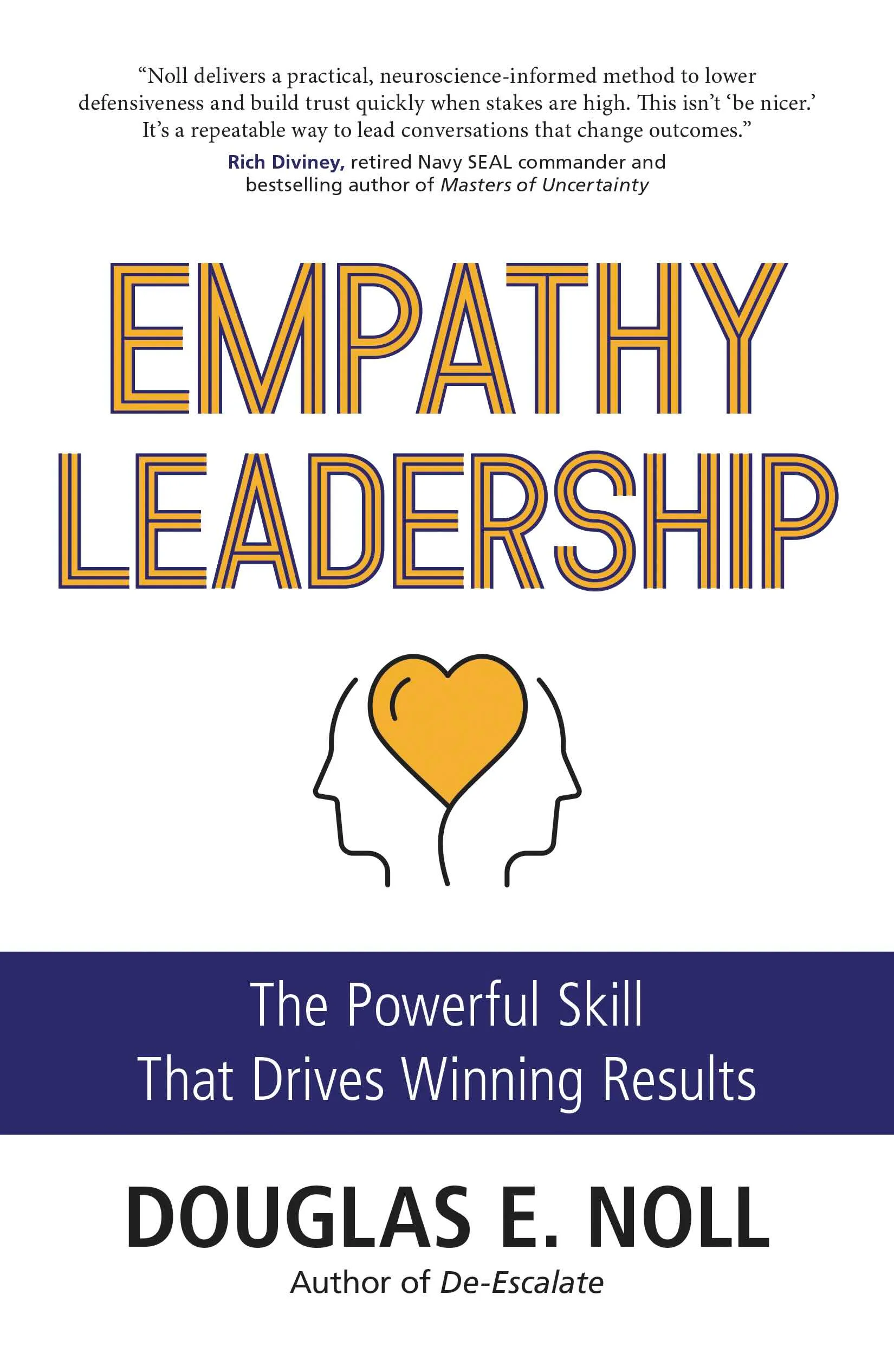
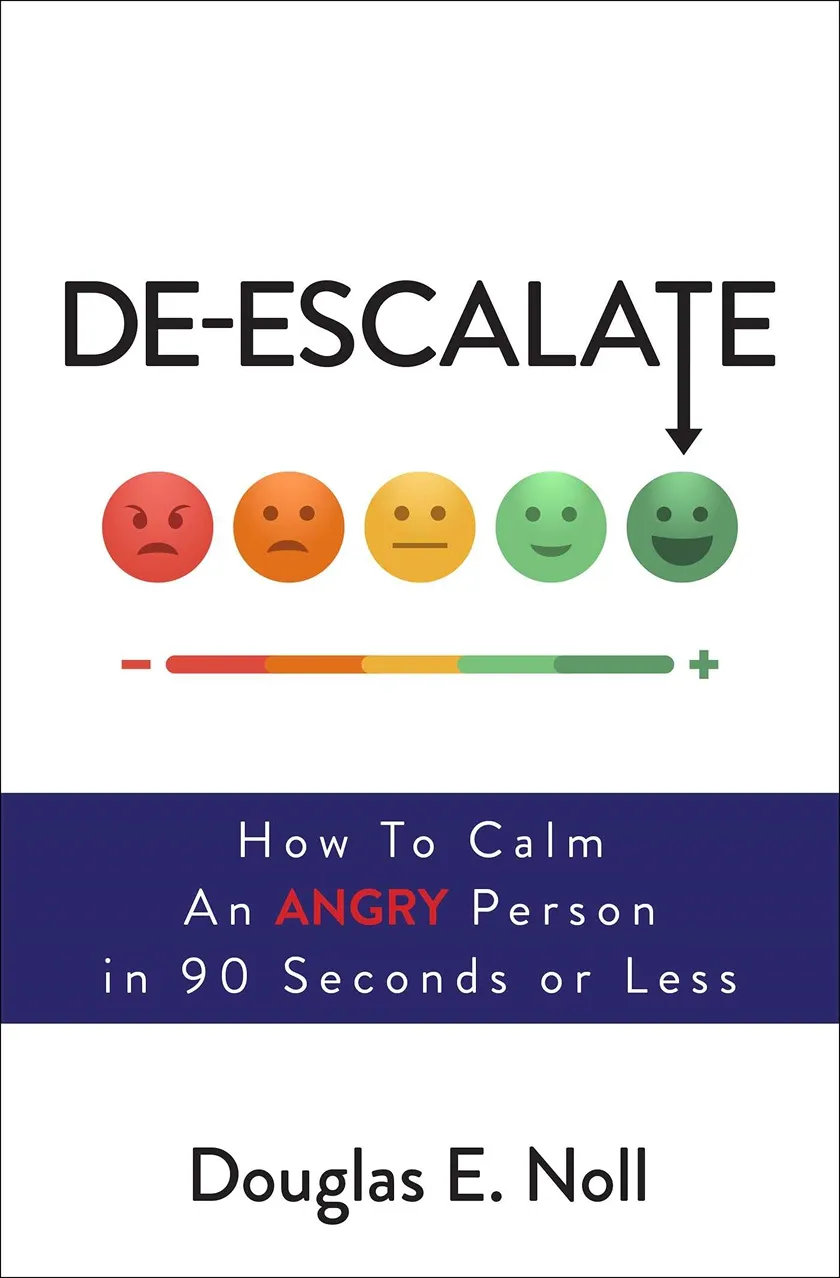
Doug has authored several books on affect labeling and emotional competency, including De-Escalate: How to Calm an Angry Person in 90 Seconds or Less, which won multiple awards and has been adopted by organizations worldwide.