Your Best Person Went Quiet Three Weeks Ago
%201.avif)

His strongest engineer had always been the third or fourth voice in stand-ups. Not the loudest. The most useful. She would ask the one question that unstuck the room. She would offer the option nobody else had considered.
He noticed one Thursday morning that she had not spoken in stand-up for three weeks. He counted back. Three Thursdays in a row. Camera on, present, silent.
He told himself she was heads down on the migration project. He was probably right.
He was also missing a signal that was three weeks old and would be six weeks old by the time it fully arrived in his inbox as a resignation email.
What quiet actually means
A high performer going quiet is not usually a workload story. Workload changes show up as fewer commitments, longer response times, missed deadlines. Voice going quiet is a different data point.
Voice is expensive to produce. Every comment in a stand-up costs a small amount of social risk. A person offering an option is exposing themselves to being told the option is wrong. A person asking the unlocking question is exposing themselves to being told the question missed the point.
When a high performer's nervous system starts protecting itself from a room, it will silence voice first. It is the cheapest thing to give up and the last thing anyone notices, because silence in stand-up looks like focus.
Quiet is early. Missed deadlines are late. Resignation is later than late. If a manager waits until the deliverables start slipping, the timeline has already moved past recoverable.
How much is one unresolved conflict really costing your company?
The conversation that mattered
He booked a walking meeting with her the following Wednesday. Not a one-on-one at the desk. A walk around the block during the coffee window.
He opened with a sentence he had rehearsed on the drive in. "You have been quiet in stand-ups for a few weeks. I do not want to solve it. I want to know what you are protecting yourself from."
She walked for half a block before answering. Then she said, "The last time I raised an option in stand-up, our tech lead spent five minutes explaining why I had misunderstood the architecture. I had not misunderstood it. He had. I did not correct him because it would have taken another ten minutes. I decided it was cheaper to stop offering options."
He did not defend the tech lead. He did not promise to talk to him. He said, "You are worried I am about to fix this by talking to him, and that it will make things worse." She said yes.
He said, "I am not going to. Tell me what you would do if this were your team."
The move he used is called affect labeling. He named what she was feeling before responding to what she had said. Her nervous system's threat response dropped in real time. Her prefrontal cortex reopened. She thought about the actual problem for the first time in three weeks and gave him an answer he could work with.
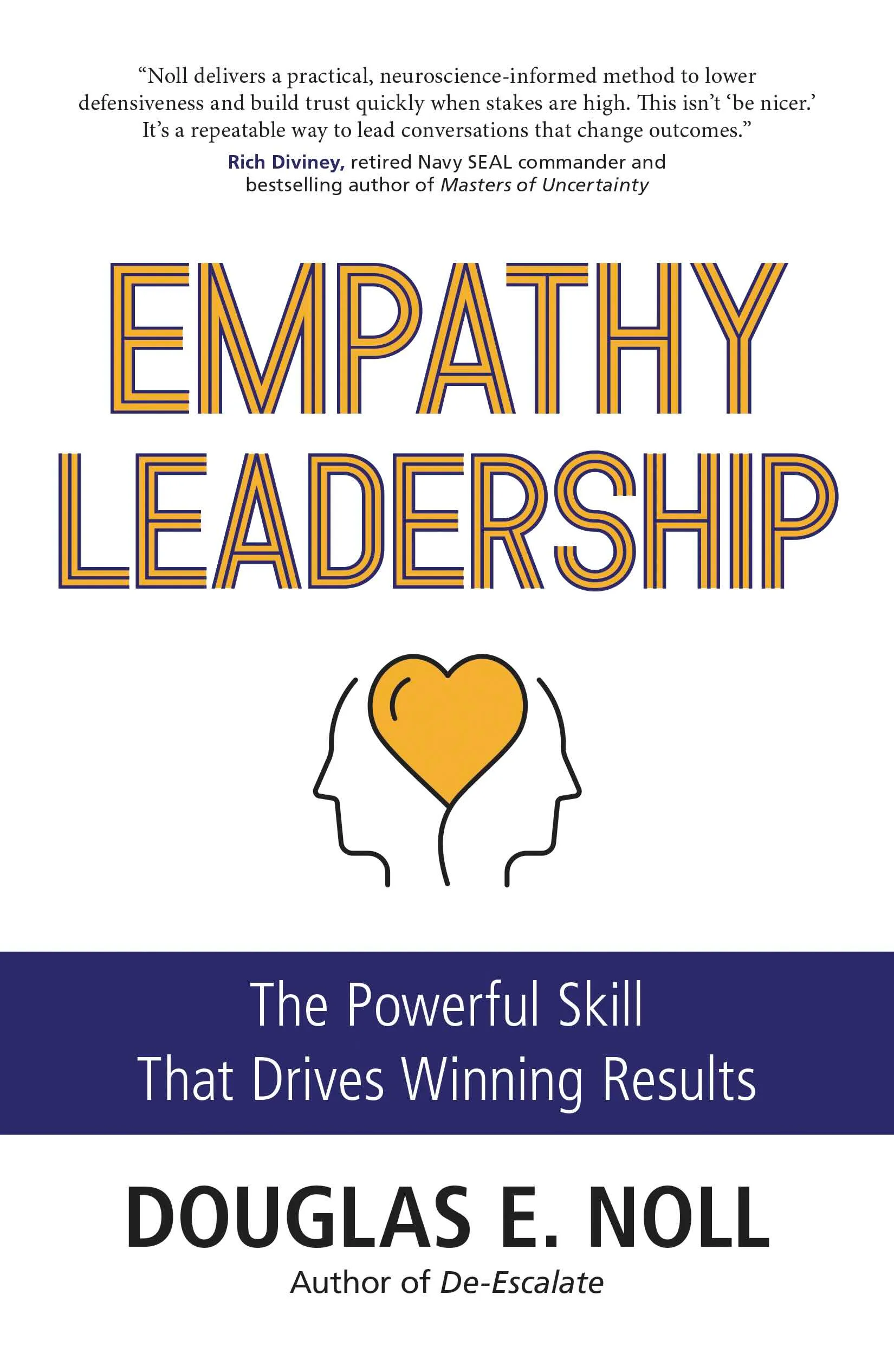
Doug Noll's new book Empathy Leadership: The Powerful Skill That Drives Winning Results lays out the moves managers use to catch what quiet is really telling them. See it here.
What she said at the end of the walk
She said one sentence. "I was going to start interviewing next month. I was not going to tell you until I had an offer."
He absorbed it and said thank you. He did not promise she would never feel silenced again. He said one thing that turned out to matter. "If it happens again, I want to hear about it the same week. Not the same month."
She stayed. Three months later she raised an architectural concern in stand-up that saved the migration project a rewrite of a critical service. The concern surfaced because she was talking again. She was talking again because the room had become one her nervous system did not need to protect her from.
He did not need to know if he had caught her at week three or week six. What he needed to know was that the signal had been available at week three and he had almost missed it. He built a habit of scanning for voice, not just for output. Nobody on his team called it that. His team just noticed that when they went quiet, he asked.
Emotional Competence Shapes Your Influence as a Leader
This 90-second emotional competence quiz will tell you how your emotions affect the way you are treated at work and how to gain the respect and influence you deserve as a leader.
Take the Free Assessment
Doug’s Books
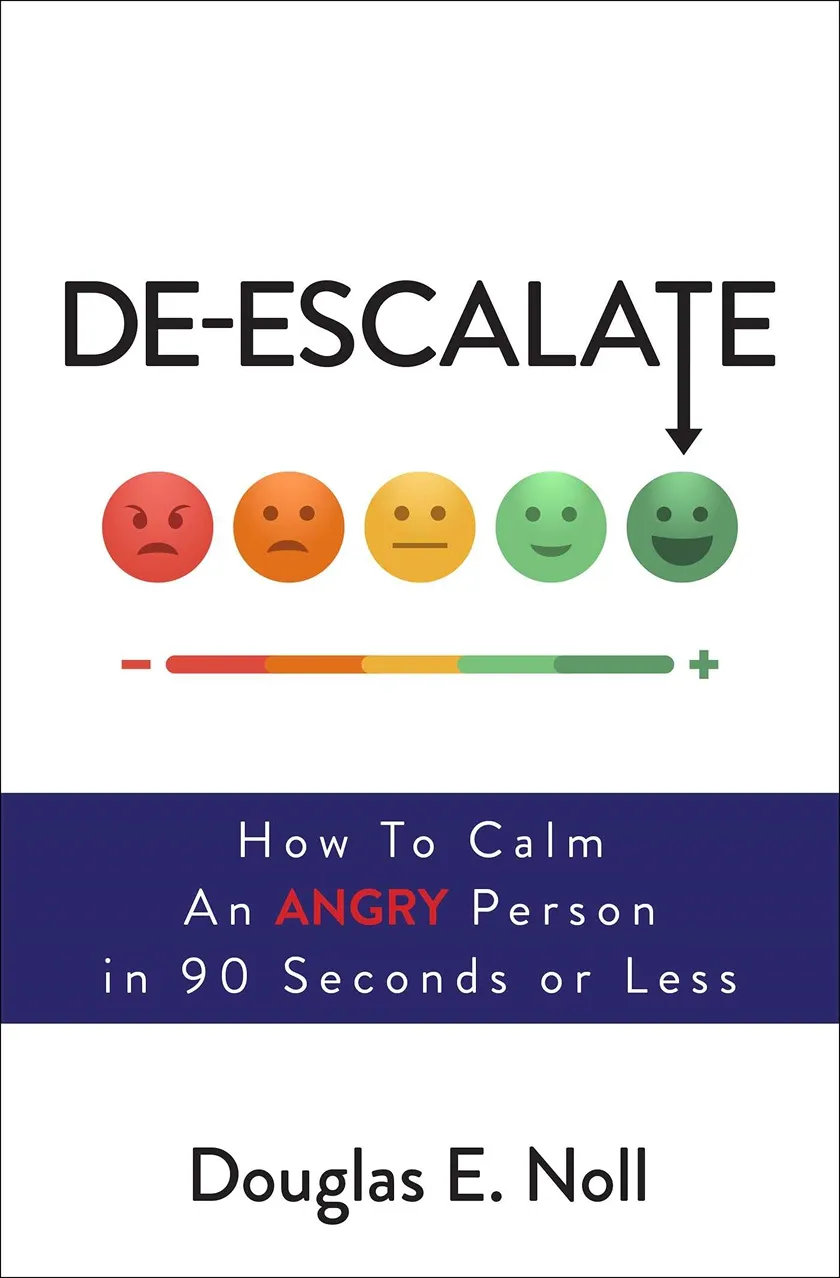
Doug has authored several books on affect labeling and emotional competency, including De-Escalate: How to Calm an Angry Person in 90 Seconds or Less, which won multiple awards and has been adopted by organizations worldwide.
More Blogs
View All