What a Bad Reorg Costs When Nobody in the Room Will Push Back
%201.avif)

The reorg went through in one meeting. The CEO presented a new structure that consolidated three product teams under a single director, explained his reasoning, and asked for questions. Nobody had any. The plan was implemented the following Monday.
Five months later, two of the three consolidated teams had missed major deadlines they had never missed before. The new director was visibly overwhelmed, managing a scope roughly triple his previous one. The CEO quietly began reversing the structure, splitting the teams back apart under two directors instead of one.
In a private conversation months afterward, two VPs who had been in the original meeting separately admitted they had seen the scope problem coming immediately and had said nothing at the time.
Why nobody raised it when it mattered
Both VPs gave a similar explanation, independently. The CEO had presented the reorg with clear conviction and had, in a previous meeting eight months earlier, responded sharply to a VP who raised a structural concern about a different decision, calling the objection "second-guessing after the fact" even though it had been raised in real time.
Neither VP consciously decided the new reorg was flawed and then chose to hide that belief out of malice or laziness. Each ran a quick, mostly unconscious calculation: raising the concern risked the same sharp reaction as before, the CEO seemed confident, and maybe the concern was wrong anyway. The calculation resolved toward silence in under a second, for both of them, in the same meeting, without either knowing the other had run the identical calculation.
This is how a single sharp reaction eight months earlier can quietly cost a company five months of degraded execution on an unrelated decision. The amygdala does not forget a punished disagreement just because the topic has changed. It generalizes the lesson to the room itself.
How much is one unresolved conflict really costing your company?
What the reversal actually cost
The CFO ran the number on the five months of degraded execution: two missed launches, a client escalation that required a discount to retain, and the overwhelmed director's own departure three months into the new role, which the company had not anticipated and had to backfill under pressure. It totaled well into six figures, attached entirely to a decision two people in the room had privately known was flawed before it was ever implemented.
The CEO, once he learned this, did not blame the two VPs. He recognized, correctly, that he had built the exact room where staying silent was the rational individual choice, even though it was collectively expensive.
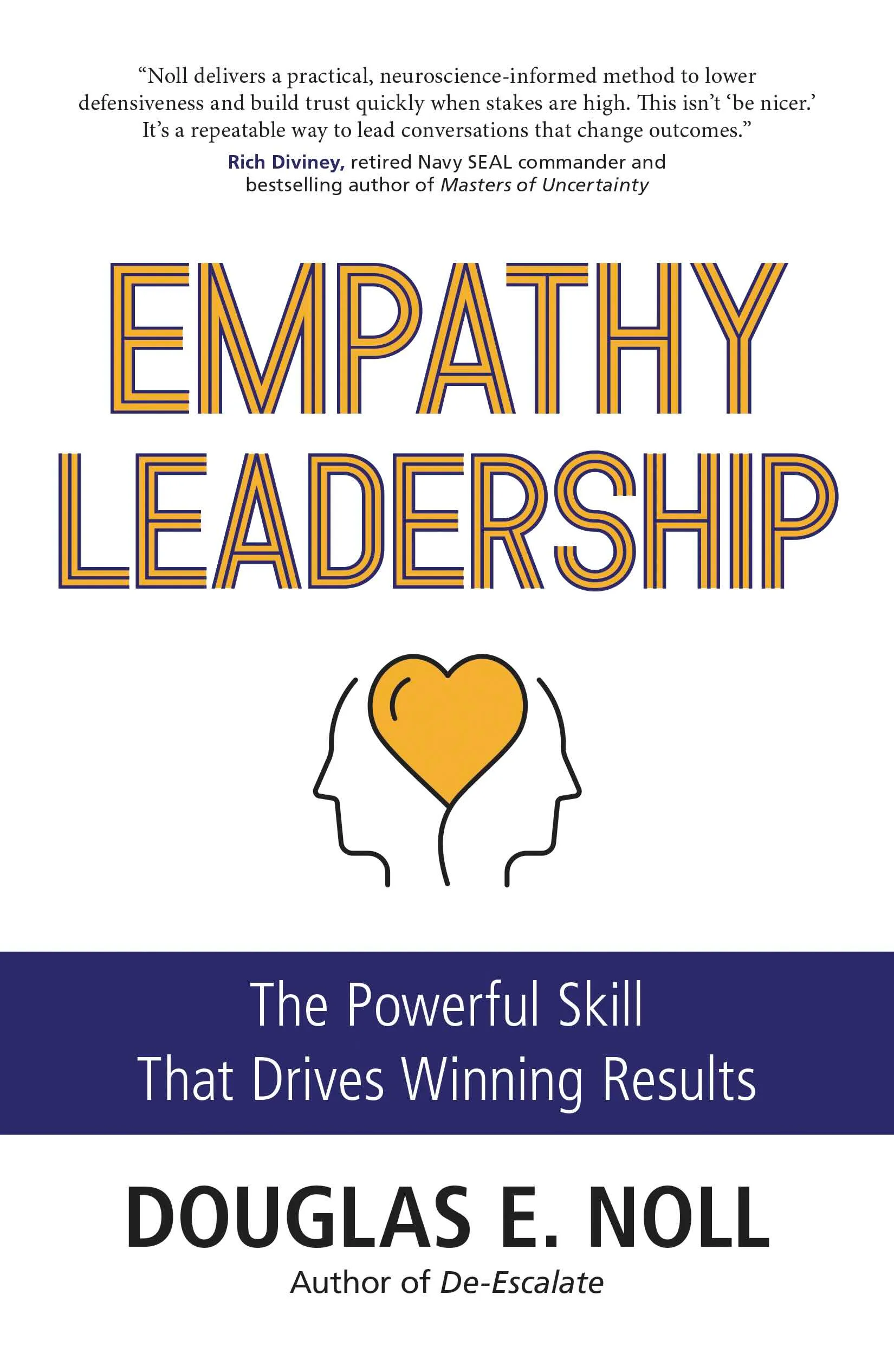
Doug Noll's new book Empathy Leadership: The Powerful Skill That Drives Winning Results lays out why a single sharp reaction to disagreement can silence a room on every decision that follows it, not just the one it happened on. See it here.
What he changed about how decisions get approved
He instituted a rule for any major structural decision going forward: before final approval, he would explicitly ask each leader in the room to name the single biggest risk they saw, one at a time, and would write each answer down visibly before responding to any of them.
The first time he tried it, on a smaller staffing decision, three real risks surfaced that would previously have gone unspoken. One of them changed the final plan meaningfully. The room had not gotten smarter. It had simply been given a structure where silence was no longer the safest option in it.
Emotional Competence Shapes Your Influence as a Leader
This 90-second emotional competence quiz will tell you how your emotions affect the way you are treated at work and how to gain the respect and influence you deserve as a leader.
Take the Free Assessment
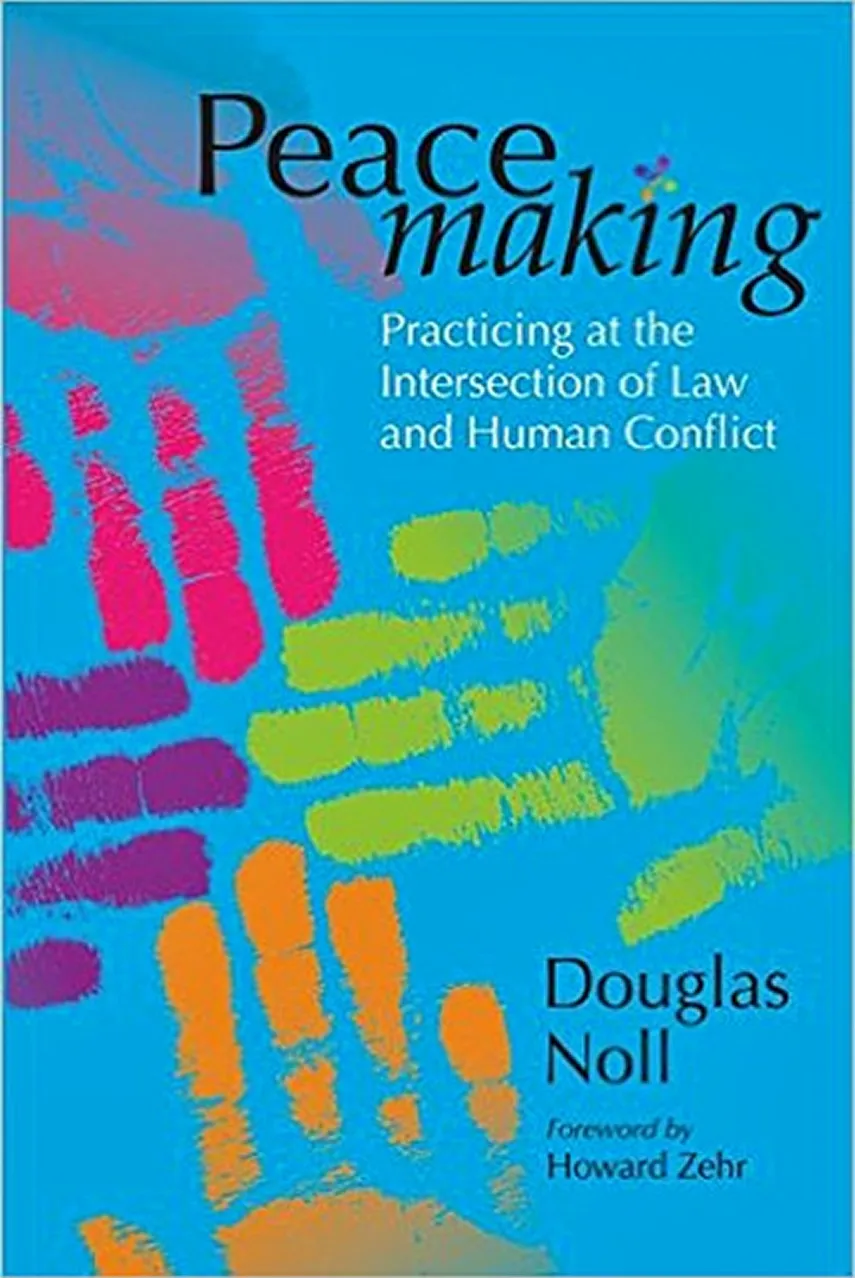
Doug’s Books
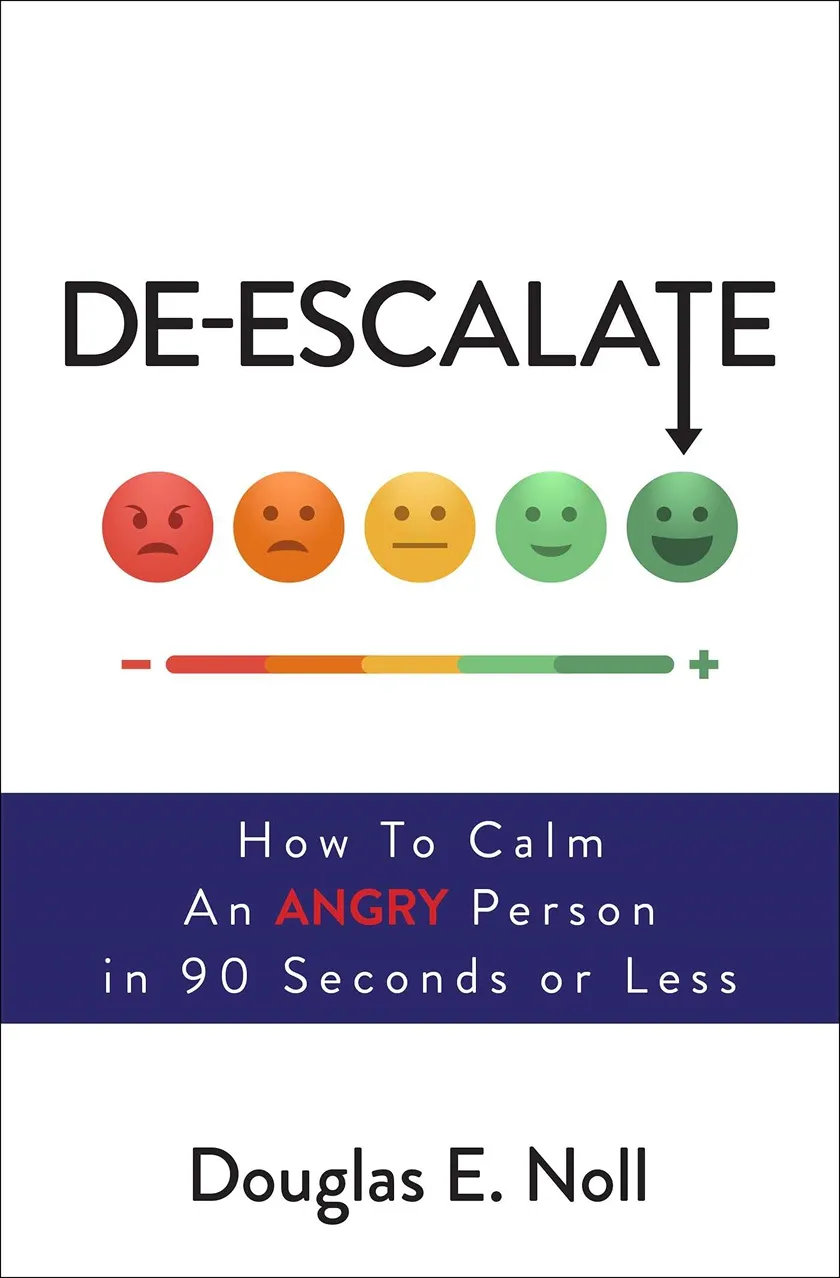
Doug has authored several books on affect labeling and emotional competency, including De-Escalate: How to Calm an Angry Person in 90 Seconds or Less, which won multiple awards and has been adopted by organizations worldwide.