The All-Hands Where He Realized His Team Was Done
%201.avif)

The applause was polite.
That was the first thing he noticed, though he did not name it until the drive home. Polite. The right length. It stopped cleanly.
The second thing was the Q&A. Four questions in twenty minutes, all logistical. One about the office move, one about the holiday calendar, two about the new expense tool. He filled the remaining time himself, riffing on the roadmap, and ended nine minutes early.
Eighteen months earlier the same all-hands had run forty minutes long because people would not stop asking things. Someone had challenged the pricing strategy in front of two hundred people and he had loved it.
He walked to his car with a feeling he could not attach to any specific event.
The signal is not the silence
Every founder eventually learns to read a quiet all-hands as a problem. That part is not subtle.
The subtle part is which questions disappear first.
Hard questions do not vanish all at once. They degrade in a specific order. First the strategic challenges go, the ones that imply leadership might be wrong about something. Then the resourcing questions go, the ones that imply a team is under-supported. Then the career questions go, the ones that imply someone is thinking about their own future here.
What remains is logistics. Expense tools and holiday calendars.
A company that only asks logistical questions in public is not a calm company. It is a company that has concluded the other categories are not worth the exposure.
Why people stop asking before they stop caring
The cost of asking a hard question in front of two hundred people is entirely borne by the asker. The benefit is diffuse. Everyone gets the answer. Only one person carries the risk of being seen as difficult, negative, or not a team player.
That asymmetry always exists. In a company with high psychological safety, people absorb the cost anyway, because they have evidence that the risk is low.
The evidence is not the leader's stated policy. It is what happened to the last person who did it.
He went back through the previous three all-hands with his chief of staff. In the one before last, a senior engineer had asked why the company was hiring aggressively in one function while another had been on a freeze for two quarters. It was a fair question, asked plainly.
He had answered it accurately and slightly defensively. Then, in the leadership meeting the following week, he had referred to it as "the thing in the all-hands" in a tone that two people in that room repeated to others.
That was it. That was the whole mechanism. Nobody was punished. A tone travelled.
The cost that does not show up anywhere
The questions people stop asking in public do not stop existing. They move.
They go to private Slack groups, to one-on-ones with skip-level managers, to conversations in the parking lot, and eventually to recruiters. The emotional labor of holding a concern you have decided is not safe to raise is significant, and it is paid entirely by the person holding it.
Meanwhile the leadership team loses its cheapest source of information. An all-hands question is a free signal from the part of the company that can actually see the thing you are asking about.
He had traded that signal for nine minutes of comfort.
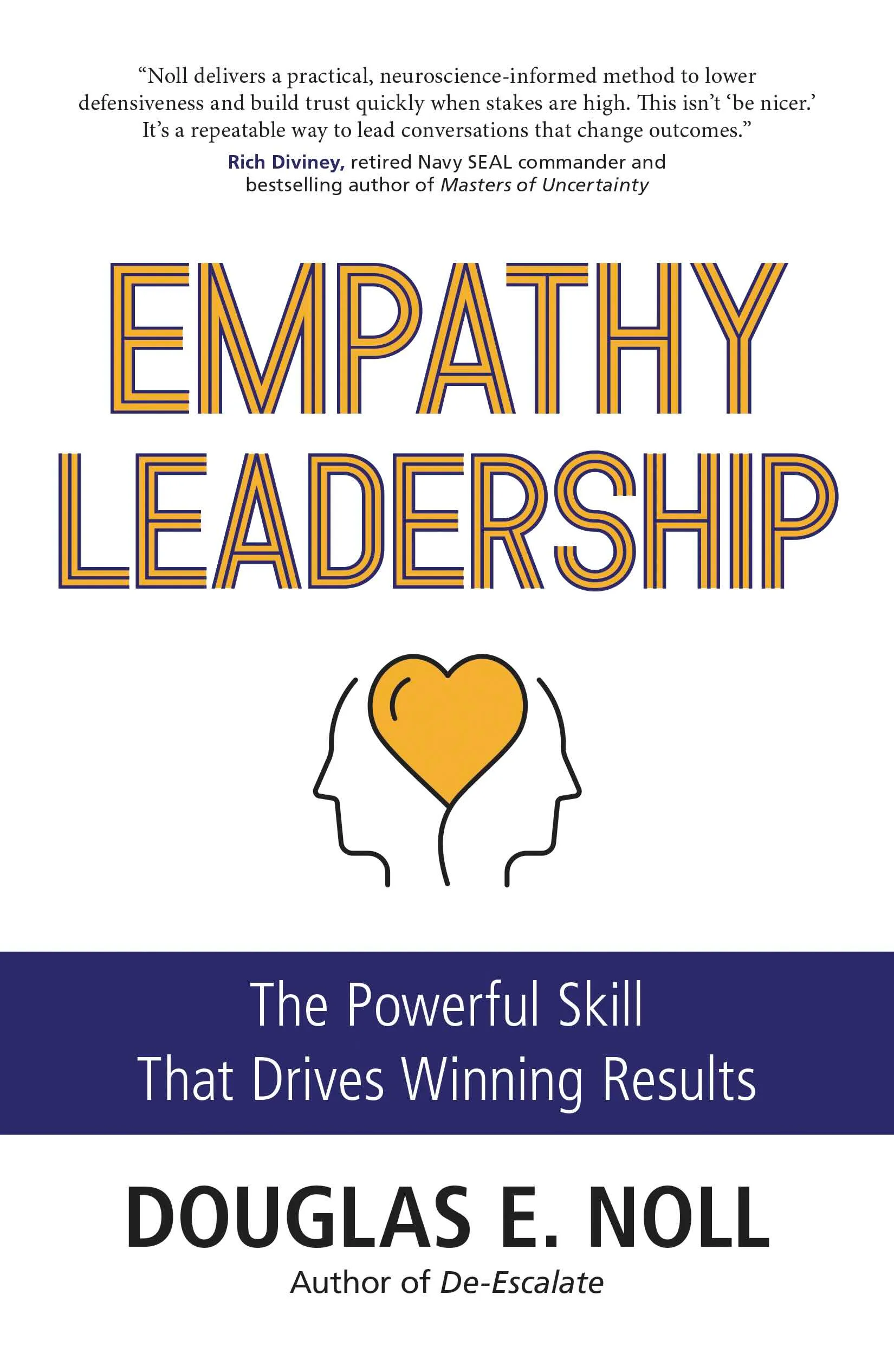
Doug Noll's new book Empathy Leadership: The Powerful Skill That Drives Winning Results covers how leaders rebuild the conditions for public honesty. Pre-order it on Books-A-Million.
What he did at the next one
He did not give a speech about wanting more questions. Asking for candor does not produce candor. It produces a room that now feels tested.
He did three things instead.
He opened by naming the thing he least wanted to be asked about, which was the freeze in one function while another kept hiring, and he gave the real reason rather than the tidy one.
He named the previous questioner by name and said the question had been right, and that he had been defensive about it, and that the defensiveness was his and not the question's problem.
Then he asked one specific question rather than a general invitation. Not "any questions?" but "who thinks we are wrong about the pricing move?"
Three hands went up. Two of them from people who had not spoken in an all-hands in a year.
The read to take back to your own company
Do not measure the number of questions. Measure the category.
If the last three all-hands produced only logistics, go find the most recent hard question anyone asked and trace what happened to the person who asked it. Not what happened officially. What happened in the room afterward, in the hallway, in the tone somebody used a week later.
That is where your candor went.
For related reads, see Team Dynamics and the Cost of Drama and Meeting Facilitation Without Force.
A quiet room is not a settled room. It is a room that has done the math and decided the return on honesty is negative.
If your all-hands has gone quiet and you want to understand what your company stopped telling you, book a no-obligation Zoom call with Doug Noll.
Emotional Competence Shapes Your Influence as a Leader
This 90-second emotional competence quiz will tell you how your emotions affect the way you are treated at work and how to gain the respect and influence you deserve as a leader.
Take the Free Assessment
Doug’s Books
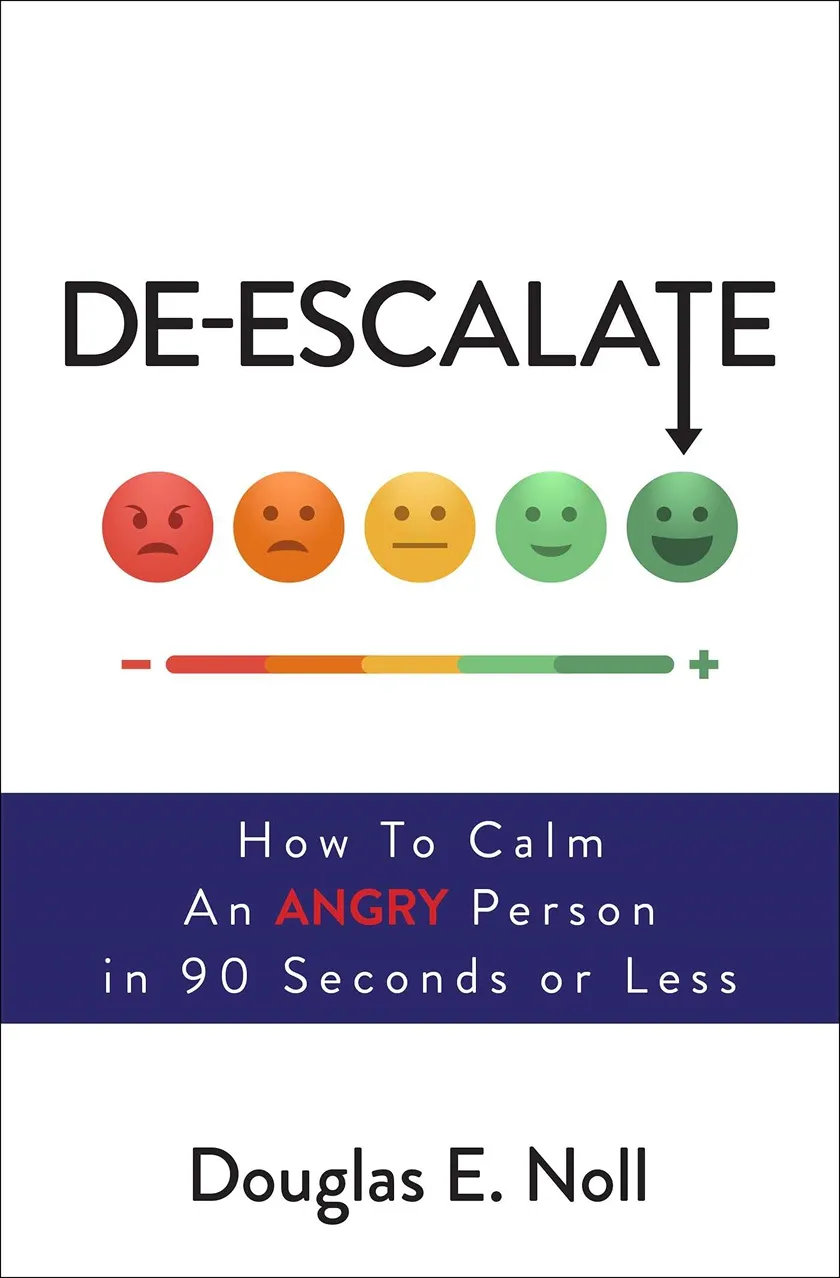
Doug has authored several books on affect labeling and emotional competency, including De-Escalate: How to Calm an Angry Person in 90 Seconds or Less, which won multiple awards and has been adopted by organizations worldwide.

More Blogs
View All