8 Effective Methods To Develop Emotional Competency For Educators
%201.avif)

Introduction:
Emotional Competency plays a crucial role in the field of education. Educators who possess Emotional Competency are better equipped to create a positive learning environment, build strong relationships with students, and effectively manage classroom dynamics. Developing emotional competency is a continuous process that requires self-reflection and intentional effort. In this blog, we will explore eight effective methods that educators can utilize to enhance their Emotional Competency and improve their overall effectiveness in the classroom.
1.Self-Awareness:
Self-awareness is crucial for educators to develop Emotional Competency because it allows them to understand and manage their own emotions effectively. Here are some reasons why self-awareness is important in developing emotional competency for educators:
- Recognizing and managing personal biases: Self-awareness helps educators become aware of their personal biases and prejudices that may affect their interactions with students. By understanding their own biases, educators can work towards overcoming them and ensure that they treat all students fairly and without discrimination.
- Emotional regulation: Educators who are self-aware can recognize and regulate their emotions effectively. This skill is essential for maintaining composure and professionalism in challenging situations. By managing their own emotions, educators can create a positive and supportive classroom environment that promotes learning and emotional well-being.
- Modeling emotional intelligence: Educators serve as role models for their students. When educators are self-aware and emotionally competent, they can demonstrate healthy ways of managing emotions, resolving conflicts, and building positive relationships. This modeling can significantly influence students' emotional development and teach them essential life skills.
- Empathy and understanding: Self-awareness allows educators to develop a deeper sense of empathy and understanding towards their students' emotions and experiences. By being aware of their own emotions, educators can relate to their students' feelings, perspectives, and challenges more effectively. This empathy fosters better communication, trust, and connection between educators and students.2.Active Listening:Active listening is important for educators to develop Emotional Competency because it enhances their ability to understand and empathize with their students' emotions and needs. Here are a few reasons why active listening is crucial for educators in developing emotional competency:
- Building Trust and Rapport: Active listening creates a safe and supportive environment where students feel heard and valued. When educators actively listen to their students, they demonstrate genuine interest in their thoughts and feelings. This helps to build trust and rapport, fostering stronger relationships between educators and students.
- Understanding Students' Perspectives: Active listening allows educators to gain a deeper understanding of their students' perspectives and experiences. By listening attentively, educators can grasp the emotions, motivations, and challenges faced by their students. This understanding helps educators tailor their teaching strategies and support systems to meet individual needs.
- Emotional Support: Active listening enables educators to provide emotional support to their students. When students feel comfortable sharing their emotions, concerns, or difficulties, educators who actively listen can validate their feelings and provide appropriate guidance or assistance. This support can contribute to students' emotional well-being and academic success.
- Conflict Resolution: Conflict or disagreements may arise in an educational setting. Active listening plays a vital role in resolving conflicts effectively. By attentively listening to all parties involved, educators can comprehend different perspectives, address underlying emotions, and facilitate open and respectful dialogue. This can lead to better conflict resolution and the development of essential conflict management skills in students.

Conclusion:
Emotional competency is a critical skill for educators to cultivate. By developing self-awareness, active listening, empathy, emotional regulation, conflict resolution, cultural competence, self-care, and a commitment to continuous learning, educators can enhance their ability to connect with students, create a positive learning environment, and support the emotional well-being of those they teach. By prioritising emotional competency, educators can make a lasting impact on the lives of their students and contribute to their overall success.
Emotional Competence Shapes Your Influence as a Leader
This 90-second emotional competence quiz will tell you how your emotions affect the way you are treated at work and how to gain the respect and influence you deserve as a leader.
Take the Free Assessment
Doug’s Books
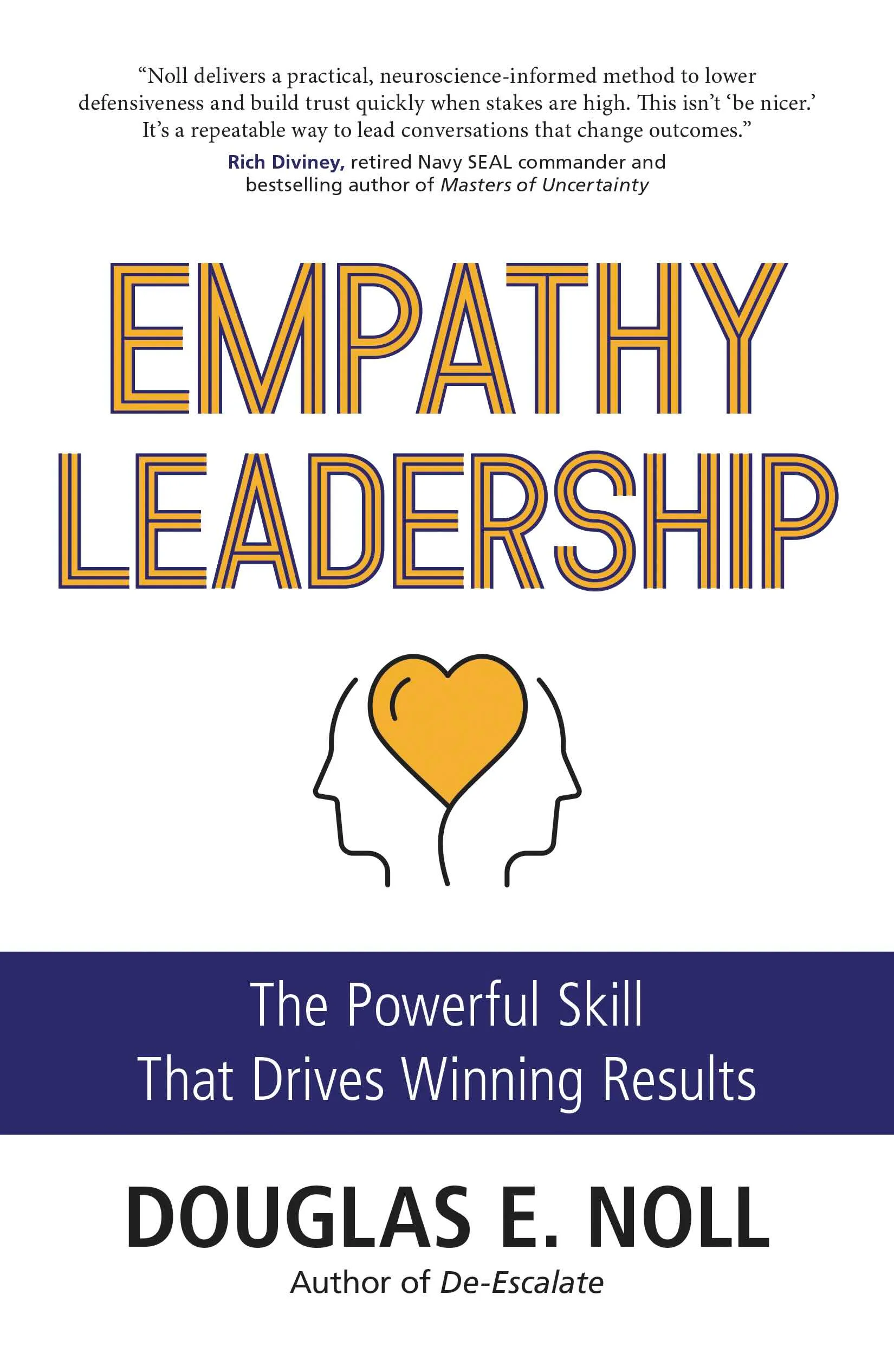
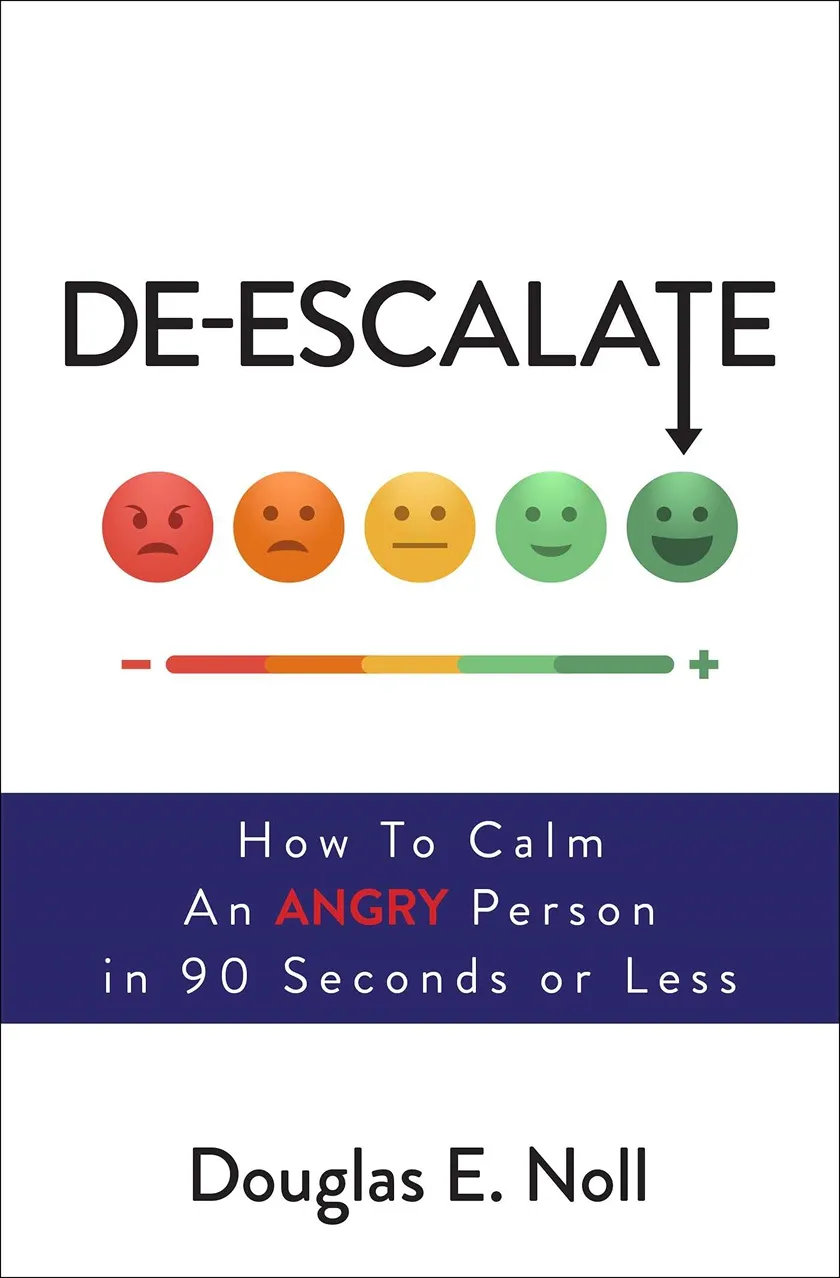
Doug has authored several books on affect labeling and emotional competency, including De-Escalate: How to Calm an Angry Person in 90 Seconds or Less, which won multiple awards and has been adopted by organizations worldwide.



More Blogs
View All

October 22, 2026
4 Critical Failures of Most Corporate Mediation (and the Approach That Works)
Read Blog

October 22, 2026
What Leading With Empathy Looks Like in a Hard Quarter: 5 Executive Examples
Read Blog

October 21, 2026
The 6 Essential Elements of Empathy Training for Managers That Actually Sticks
Read Blog