Whether You Can Do This Without Doug in the Room


The CEO asked it near the end of the first call, after hearing enough to be genuinely interested. "I need to know this isn't a dependency. If we sign up, get real results, and then the engagement ends, does this all quietly revert once Doug isn't the one running the room?"
It is exactly the right question for a CEO to ask before committing budget to any outside practitioner, and it deserves a direct answer rather than a reassurance.
Where the question comes from
He had watched a previous consulting engagement produce real, visible improvement in his leadership team's communication for the six months the consultant was actively involved, and then watched it fade within a quarter of the engagement ending. The consultant had been skilled. The skill, however, had lived with the consultant, not with the company.
His concern was structural, not personal. He was not questioning whether the work itself was real. He was questioning whether the company was paying to rent a capability or paying to build one that it would still own after the invoices stopped.
How much is one unresolved conflict really costing your company?
The honest answer
The honest answer is that the underlying skill, naming what a person is feeling accurately before responding to the content of what they said, does not require Doug Noll or any outside facilitator to execute once it has actually been installed as a reflex in the person doing it. It is a trained capability that lives in the practitioner, the same way a musician does not need their original teacher present to keep playing an instrument correctly.
What does require deliberate design is the transition itself. If the only people ever coached in the moment are frontline managers, with no internal person trained to continue that coaching after the engagement ends, the practice will likely fade, not because the skill was fake but because nobody internal was equipped to keep reinforcing it. The honest answer includes naming this explicitly rather than glossing over it: sustaining the result requires training at least a few internal people, not just the frontline managers, specifically in how to observe and correct the behavior in real time.
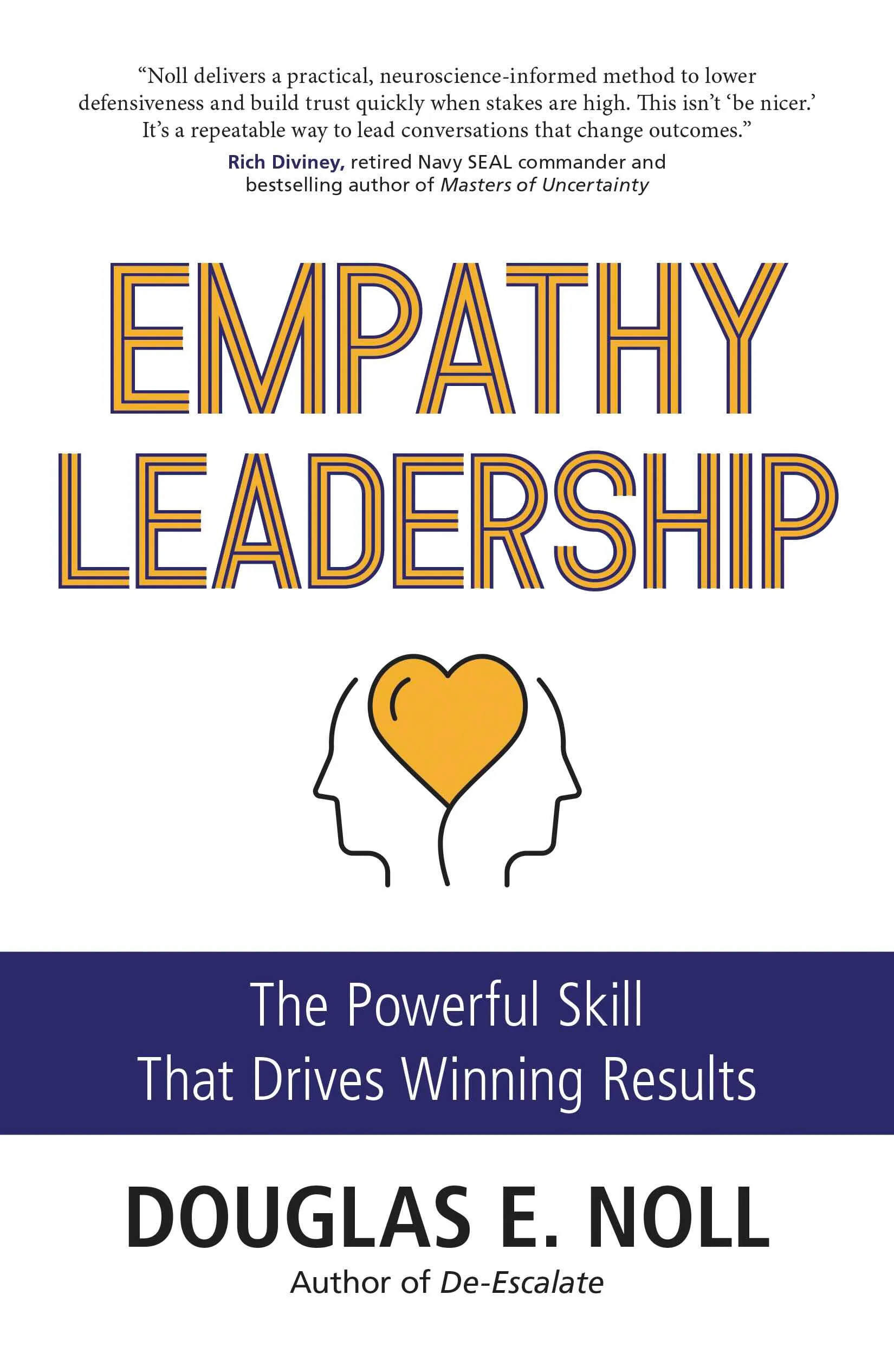
Doug Noll's new book Empathy Leadership: The Powerful Skill That Drives Winning Results lays out how a company builds internal capacity to sustain this work long after any outside facilitator has left the room. See it here.
What to say when someone still pushes back
If a stakeholder remains worried that the whole thing is a dependency in disguise, the direct answer is to insist on the internal-capacity piece as a condition of the engagement, not an optional add-on. "Don't just buy the coaching for your managers. Buy the training that lets two or three of your own people carry the coaching forward. If that piece isn't in the proposal, that's a fair reason to walk away."
Framing it that way turns a reasonable worry into a specific, checkable requirement, which is a much stronger position for a CEO to negotiate from than simply hoping the results happen to stick on their own.
Emotional Competence Shapes Your Influence as a Leader
This 90-second emotional competence quiz will tell you how your emotions affect the way you are treated at work and how to gain the respect and influence you deserve as a leader.
Take the Free Assessment
Doug’s Books
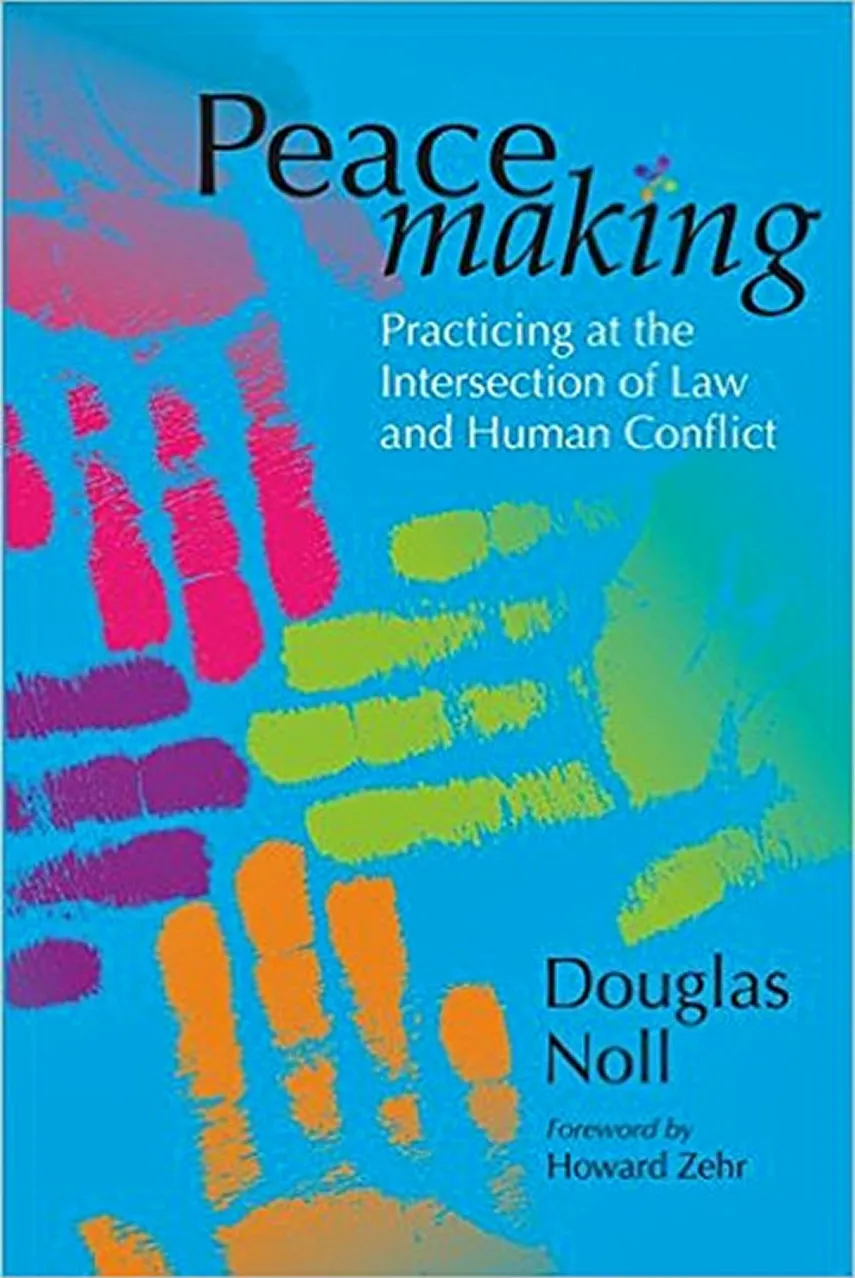
Doug has authored several books on affect labeling and emotional competency, including De-Escalate: How to Calm an Angry Person in 90 Seconds or Less, which won multiple awards and has been adopted by organizations worldwide.