What the Second Resignation in a Team Actually Costs
%201.avif)

The first resignation on the design team, in January, had an obvious explanation. The designer's spouse had taken a job in another city. Nobody thought twice about it.
The second resignation, in March, came from a designer with no relocation, no competing offer she'd been chasing, no obvious external driver. The founder told his CFO it was "just one of those things" and moved on to the next agenda item.
In May, a third designer resigned. This time the CFO stopped the meeting and asked to look at the pattern before approving the backfill requisition.
Why a second unrelated resignation is not actually unrelated
A single resignation on a team tells you very little. People leave for reasons that have nothing to do with the team itself, constantly, and treating every departure as a five-alarm signal would paralyze any growing company.
A second resignation on the same team within a few months, with no obvious external cause, is a different statistical object. It moves the base rate. One departure is noise. Two, absent a clear shared external explanation like a relocation or a family event, starts to look like a shared internal cause the team members have in common, most often their manager, and it deserves a direct look before a third one confirms it the expensive way.
The founder had applied the "just one of those things" framing a second time, treating each resignation as an isolated event, when the correct frame by resignation two was to ask what the two departed designers had privately agreed on, even without saying so explicitly on the way out.
How much is one unresolved conflict really costing your company?
What the CFO found when he finally looked
He asked the remaining three designers, individually and informally, what they thought was going on. All three, independently, described the same design director as someone who reassigned credit for strong work to himself in front of clients and rarely acknowledged individual contributions in team reviews.
Neither of the two departed designers had said this explicitly in their exit interviews. Both had used some version of "looking for new challenges." The remaining three designers had watched the pattern repeat twice and had each concluded, privately, that raising it directly would not change anything, since nothing had changed after the first departure either.
The design director was not acting maliciously. He genuinely believed he was appropriately representing his team's work to clients. His nervous system had never registered the difference between representing the team and displacing individual credit, because nobody had ever named the distinction to him directly, using anything close to affect labeling, in the moment it happened, rather than after the fact in an exit interview he never saw.
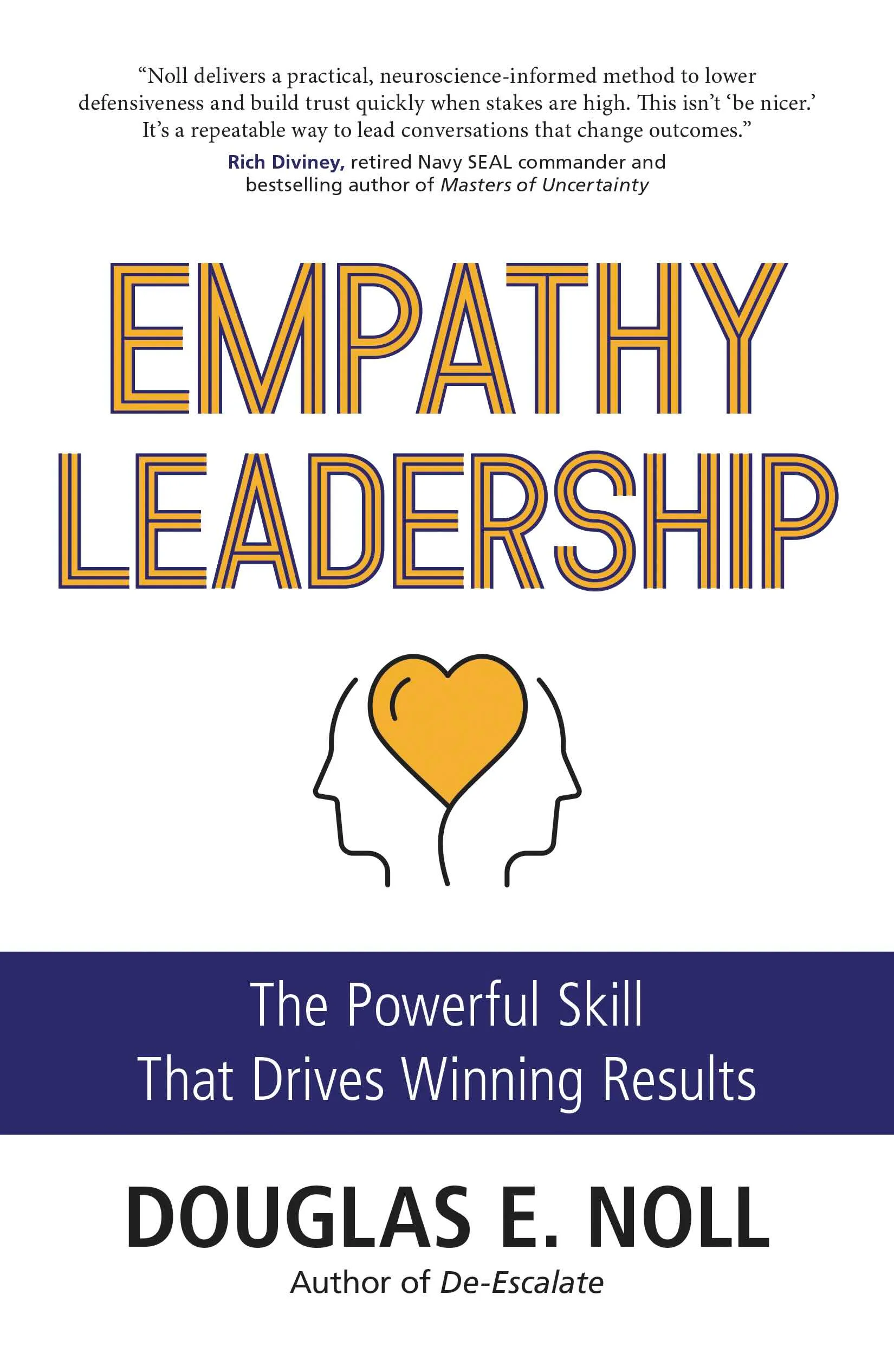
Doug Noll's new book Empathy Leadership: The Powerful Skill That Drives Winning Results lays out why the second resignation on a team is the signal worth acting on, not the third. See it here.
What changed after the third resignation
The CFO and the founder sat down with the design director together, named the specific pattern the remaining three designers had described, and watched him absorb it without defensiveness once it was presented as behavior rather than character. He had genuinely not known.
He started naming individual contributors by name in every client-facing presentation going forward, a small change that cost nothing and reversed the pattern within a single quarter. No one else on that team has resigned since. The founder now treats a second unexplained resignation as the trigger point, not the third.
Emotional Competence Shapes Your Influence as a Leader
This 90-second emotional competence quiz will tell you how your emotions affect the way you are treated at work and how to gain the respect and influence you deserve as a leader.
Take the Free Assessment
Doug’s Books
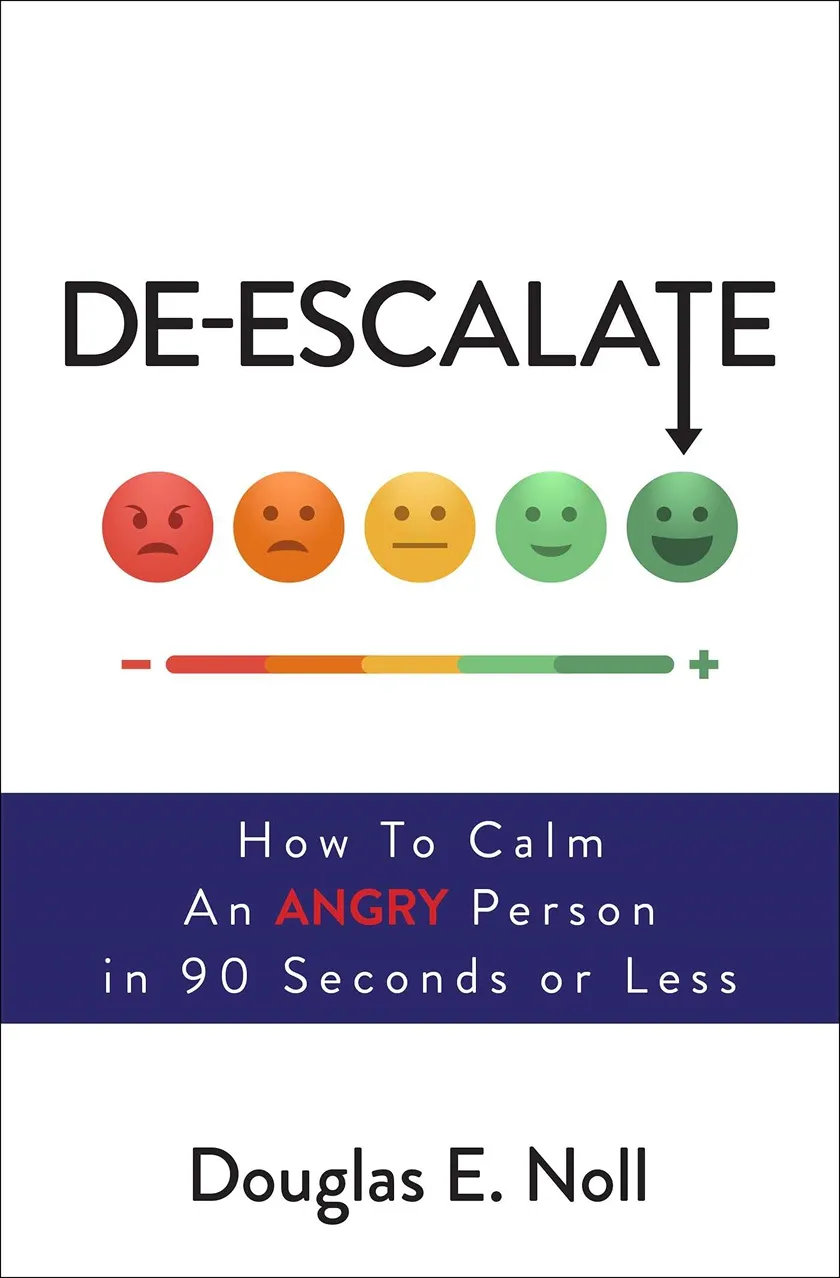
Doug has authored several books on affect labeling and emotional competency, including De-Escalate: How to Calm an Angry Person in 90 Seconds or Less, which won multiple awards and has been adopted by organizations worldwide.