Why the Most Trusted Advisor in the Room Said Almost Nothing
%201.avif)

He said almost nothing for the first ninety minutes.
Four external advisors were in the room. A tax counsel, a partner from a large accounting firm, an investment consultant, and him. Nine family members. On the table, a liquidity event that would move roughly forty million dollars and would, depending on structure, either equalize three branches of the family or permanently entrench one.
The tax counsel presented for thirty-five minutes and was excellent.
The accounting partner ran four scenarios and was thorough.
The investment consultant had modelling that the family's own CFO later described as the best work anyone had ever done for them.
By hour two the meeting had produced no decision and two people were speaking in the flat, careful register that families use immediately before someone stops attending things.
He had contributed one question in ninety minutes, and it had been about the coffee.
The nine seconds
The middle sister said something about the timeline, and the way she said it did not match what she said.
He put down his pen and said, "You are worried this gets decided without you again."
She did not answer for a moment. Then she started crying, which she apologized for twice, and then she said the thing she had come to say and had not been able to find a route to for two hours.
Which was that in 2011 a similar decision had been made while she was on maternity leave, that she had never been consulted, that she had never raised it, and that she had spent thirteen years assuming that her branch of the family was structurally second.
Nobody in the room had known that. Her own brother had not known that.
The decision they made ninety minutes later was different from the one they had been circling, and it was better. Not because the modelling changed. Because the actual constraint finally entered the room.
What he was doing during the ninety minutes
Not waiting his turn. Not thinking about tax structure.
He was watching for the gap between what people said and how they said it, which is where the real position always sits in a family conversation.
He had noticed the middle sister's timeline comment because it was the third time she had raised a procedural objection to something that was not procedurally objectionable. Three procedural objections to a non-procedural problem means the objection is not the objection.
That is the whole read. When someone raises the same category of concern repeatedly and the concern does not resolve when it is answered, the stated concern is a proxy.
Why this is the fiduciary act and not a soft add-on
There is a view of advisory work in which the emotional layer is something you handle so you can get to the real work.
That view has the order backwards, and it is expensive.
A fiduciary obligation is to act in the client's best interest. In a family context, you cannot identify the client's best interest until the actual constraints are on the table. If a thirteen-year-old grievance is silently determining one member's position on every structural question, then every model you build is optimizing against a false set of inputs.
The tax counsel's work was correct and irrelevant, because the family could not have executed it. The consultant's modelling was excellent and would have produced a structure that detonated within three years.
Naming the emotion was not the soft part of the meeting. It was the part that made the technical work usable.
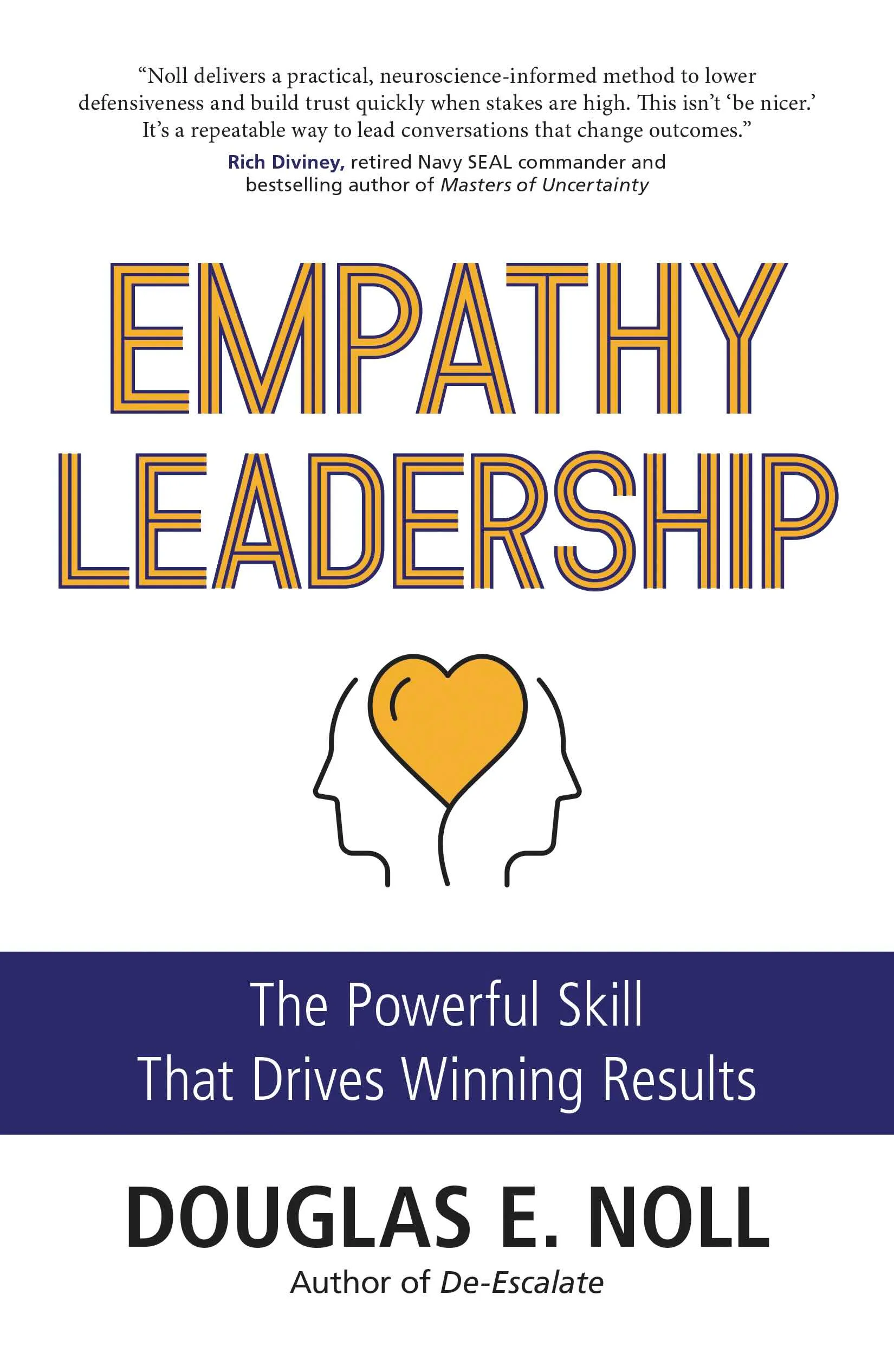
Doug Noll's new book Empathy Leadership: The Powerful Skill That Drives Winning Results covers the specific technique of affect labeling that this advisor used, and how professionals deploy it without becoming therapists. Pre-order it on Bookshop.
What he did not do
He did not ask her how she felt. That question puts the burden of articulation on someone who is, by definition, not currently able to articulate it.
He did not say "it sounds like you might be feeling somewhat sidelined." Hedged labels do not work. The nervous system reads the hedging and treats the whole statement as tentative.
He did not follow it with advice, or a solution, or a reassurance that she would be included this time.
He said one short declarative sentence, accurately, and then he stopped talking and let the silence do the rest.
That is the entire technique. The precision matters and the stopping matters more than the precision.
What separates the advisor who gets the second mandate
Any competent firm can produce the modelling. The modelling is a commodity and the family can buy it from four places.
What they cannot buy easily is someone in the room who can hear the thing under the thing and has the standing to say it out loud without it being presumptuous.
That advisor has held the relationship for nineteen years across two generations. He is not the smartest technical person in any room he sits in. He has never once been the smartest technical person in the room.
He is the only one who has ever been able to say what is actually happening.
For related reads, see Empathetic Listening Beyond Scripts and Emotional Competency Without Playing Therapist.
If you advise families and your technical work keeps stalling on something you cannot name, book a no-obligation Zoom call with Doug Noll.
Emotional Competence Shapes Your Influence as a Leader
This 90-second emotional competence quiz will tell you how your emotions affect the way you are treated at work and how to gain the respect and influence you deserve as a leader.
Take the Free Assessment
Doug’s Books
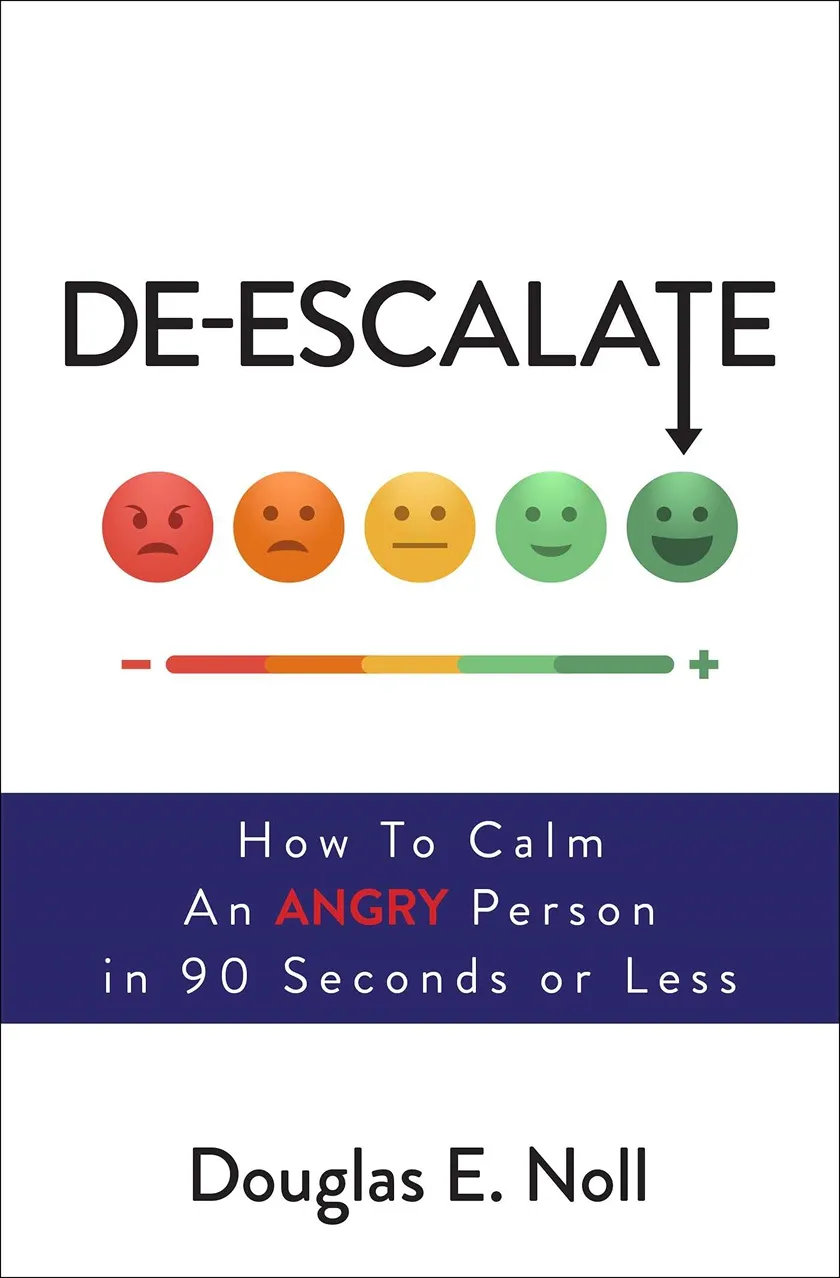
Doug has authored several books on affect labeling and emotional competency, including De-Escalate: How to Calm an Angry Person in 90 Seconds or Less, which won multiple awards and has been adopted by organizations worldwide.