The Manager Who Discovered His Best Report Had Already Interviewed Elsewhere
%201.avif)

The resignation email arrived on a Monday morning, two weeks' notice, competitive offer, nothing negotiable. The manager was blindsided. He had rated her performance as exceptional just two months earlier and had privately started planning her promotion for the following cycle.
In the exit conversation, she mentioned, almost casually, that she had done three rounds of interviews with the new company over the previous two months. He asked why he hadn't noticed anything. She said she had taken the calls and the final round during what she'd told the team were dentist appointments.
He went back through his calendar. There had been four such appointments in ten weeks, more than her usual pattern, and he had not registered it as unusual at the time.
What he had missed and why
The calendar gaps were not the real signal, or not the only one. Looking back with her gone, he remembered two other things he had noticed in real time and dismissed. She had stopped volunteering for a stretch project she used to actively pursue. She had started leaving promptly at six, after a year of regularly staying later without being asked.
Each of those, individually, had a plausible innocent explanation available, and he had reached for the innocent explanation each time because it required nothing further from him. Together, they described a person who had begun quietly disengaging from the long-term trajectory of her role, which is a common precursor to an active job search, well before any calendar gap appeared.
He had not missed the signals because they were subtle. He had missed them because noticing them would have required a direct, slightly uncomfortable conversation, and his own nervous system had learned to route around it without a concrete reason to justify starting it. Naming a small observed change early is a form of everyday affect labeling, done long before it becomes an official conversation.
How much is one unresolved conflict really costing your company?
The two-minute conversation that never happened
He realized, in hindsight, that a very short, direct check-in six weeks earlier could have surfaced everything. Not an interrogation about the dentist appointments. A simple, honest observation. "I've noticed you've pulled back a bit from the stretch project and you're leaving right at six most days. That's a real change from a few months ago. What's going on?"
That sentence does not accuse anyone of interviewing elsewhere. It names an observed change and invites an honest answer, without forcing the other person to either lie or confess. Whether or not she would have answered fully, the sentence itself would have signaled that he was paying attention to her as a person, not just to her output, which is frequently the actual thing missing before someone starts looking elsewhere in the first place.
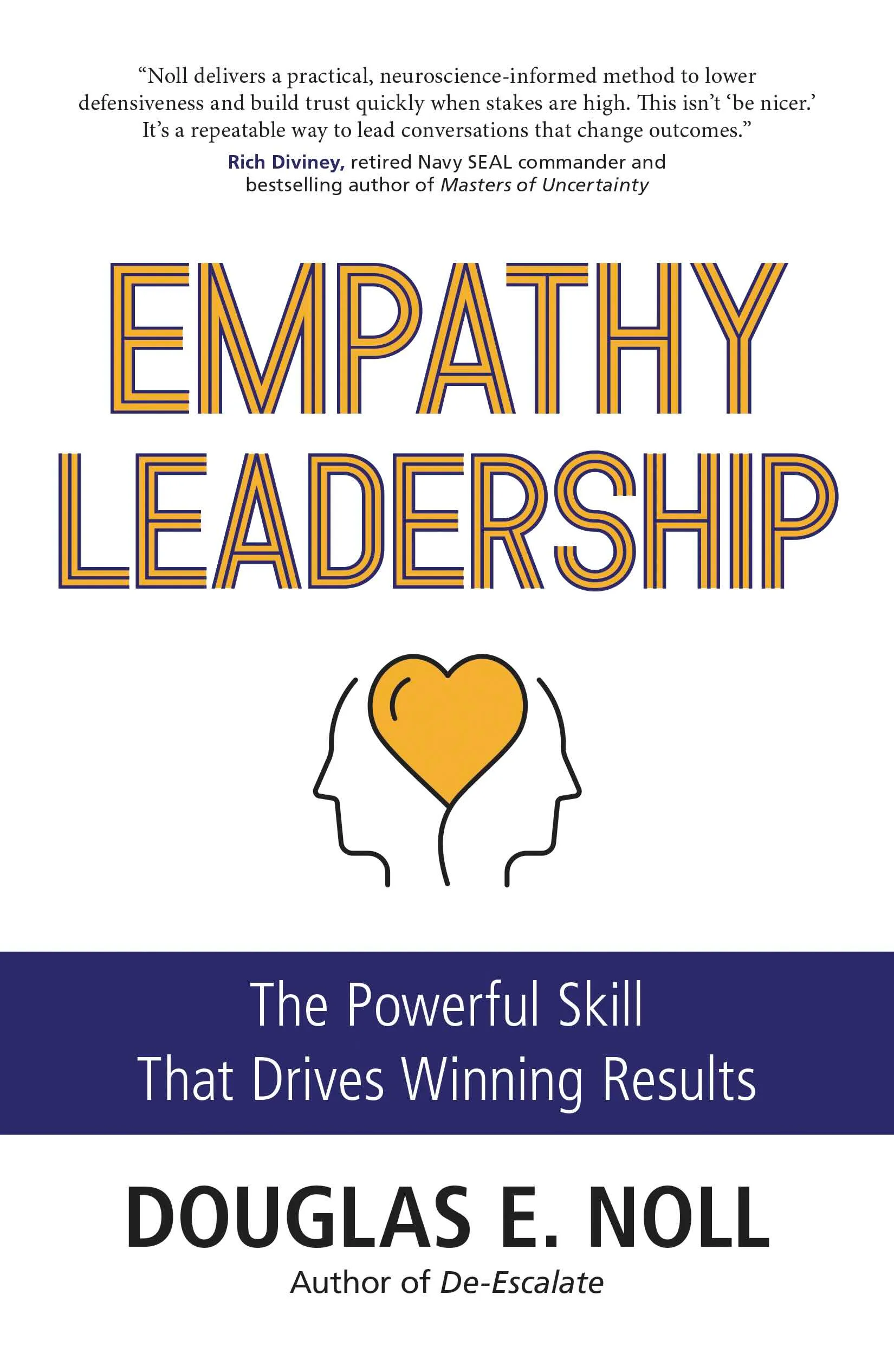
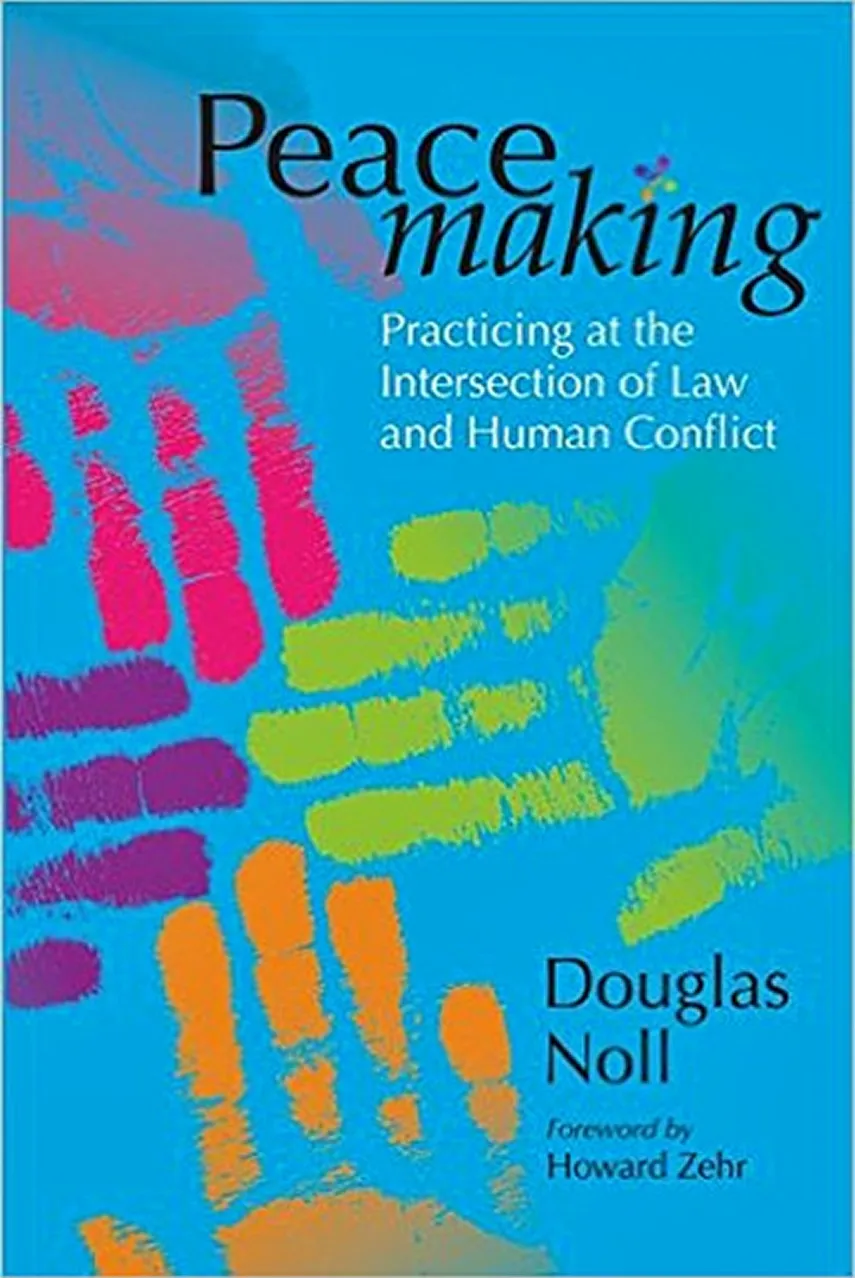
Doug Noll's new book Empathy Leadership: The Powerful Skill That Drives Winning Results lays out why naming a small observed change early catches what a performance review two months later never will. See it here.
What he does differently with his current team
He now keeps a private, running note on each direct report of small behavioral changes he notices, not to surveil them but to give himself permission to raise an observation before it becomes a pattern he only recognizes in hindsight.
He has had three of those short, direct conversations since. Two turned out to be nothing more than a busy personal stretch. The third caught a real, brewing frustration about a stalled promotion timeline, three months before it would have become a resignation letter instead of a conversation.
Emotional Competence Shapes Your Influence as a Leader
This 90-second emotional competence quiz will tell you how your emotions affect the way you are treated at work and how to gain the respect and influence you deserve as a leader.
Take the Free Assessment
Doug’s Books
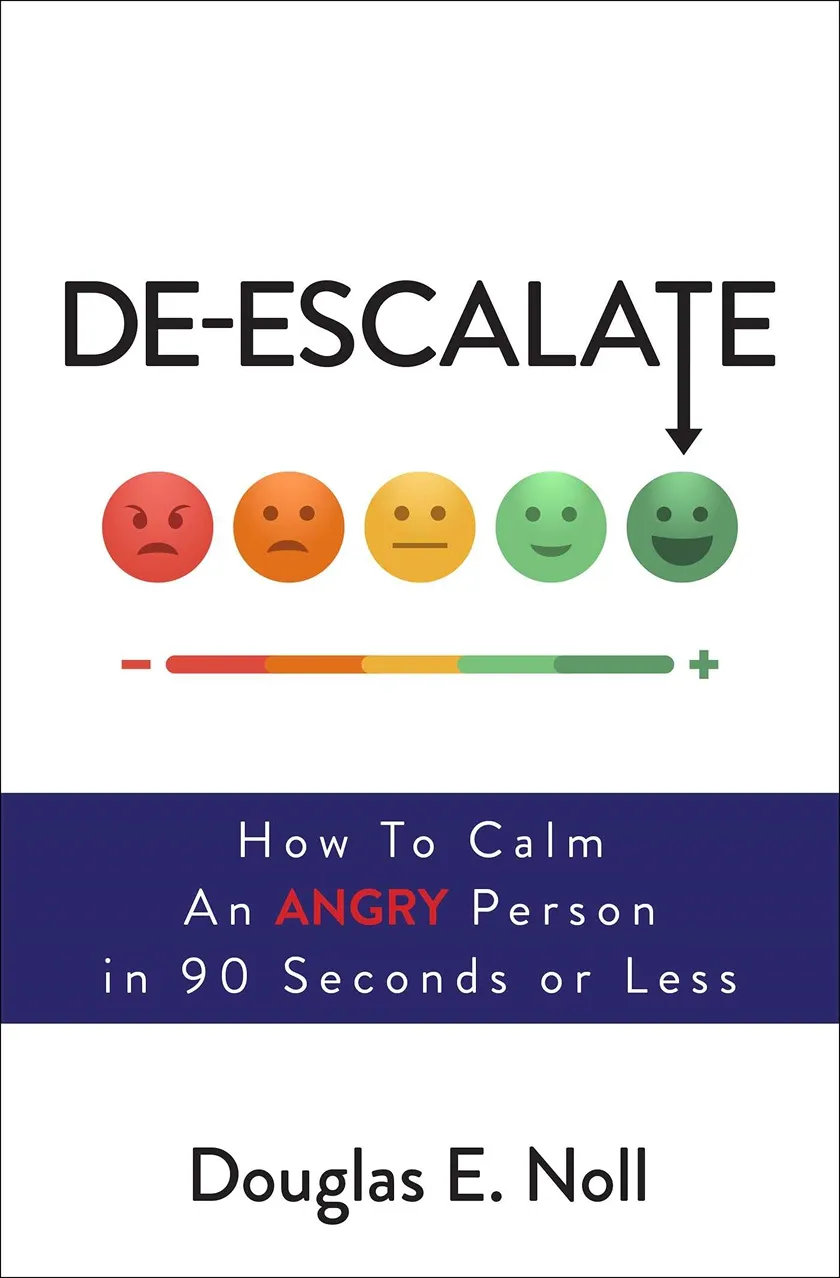
Doug has authored several books on affect labeling and emotional competency, including De-Escalate: How to Calm an Angry Person in 90 Seconds or Less, which won multiple awards and has been adopted by organizations worldwide.