The Silent Cost of a Founder Who Never Gets Interrupted
%201.avif)

He mentioned it to a fellow founder at a dinner, almost boastfully. "My leadership meetings run like clockwork. Nobody talks over anybody. I get through the whole agenda every single time." The other founder, who had been through a rough stretch of his own, asked, "When was the last time someone cut you off mid-sentence to disagree with you?"
He could not remember one. Not once, in over three years of weekly leadership meetings, had anyone interrupted him to push back in real time.
Two weeks later, his VP of Engineering resigned. In the exit conversation, she said something that connected directly to the dinner conversation without either of them intending it to. "Nobody interrupts you because everybody learned a long time ago that it doesn't end well. You don't yell. You just get this look, and then you out-argue whoever spoke up until they stop. People stopped trying."
What a perfectly smooth meeting actually signals
A meeting where the most senior person is never interrupted is not automatically a well-run meeting. It is, in many cases, a room where the cost of interrupting that person has been calibrated, through repeated small experiences, to be higher than the value of whatever objection someone was about to raise.
The founder had never explicitly punished interruption. He had, over years, developed a habit of responding to real-time pushback with a rapid, well-reasoned counterargument delivered with visible impatience. Their nervous systems registered the impatience before their prefrontal cortexes finished processing the argument. The amygdala updates faster than reasoning does. Nobody left those exchanges feeling attacked exactly. They left them feeling that raising something in the moment cost more energy than it was worth, and that lesson, repeated enough times across enough people, produces a room that looks disciplined and is actually just quiet.
His VP had tried to interrupt him exactly twice in her first year, both times on decisions she believed were being rushed. Both times she had been out-argued in the room and proven right within the following quarter. She had not tried a third time. Nobody watching had needed to be told why.
How much is one unresolved conflict really costing your company?
What the CFO found when he went looking
The founder, shaken by the exit conversation, asked his CFO to identify every major decision in the past two years where someone had later turned out to be right about a concern they never raised in real time. The CFO found four, three of which had cost real money once traced through to their outcomes.
The through-line in all four was the same pattern the VP had described. Someone had privately doubted the decision, calculated that raising it live would not change the outcome and would cost them socially, and had stayed quiet. The founder's smooth, uninterrupted meetings had a real, countable price attached to them, and it had been accumulating the entire time he had been proud of how well they ran.
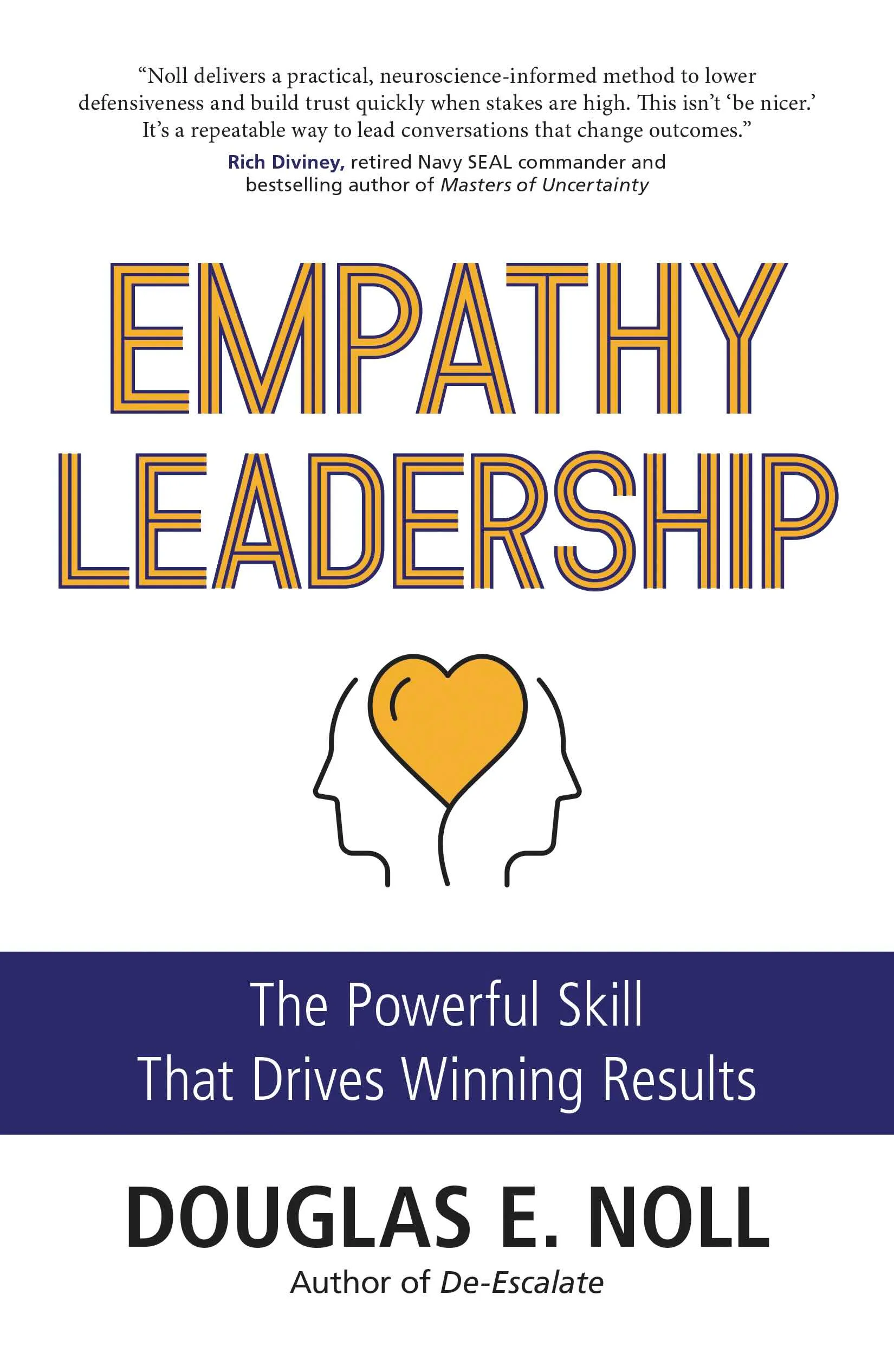
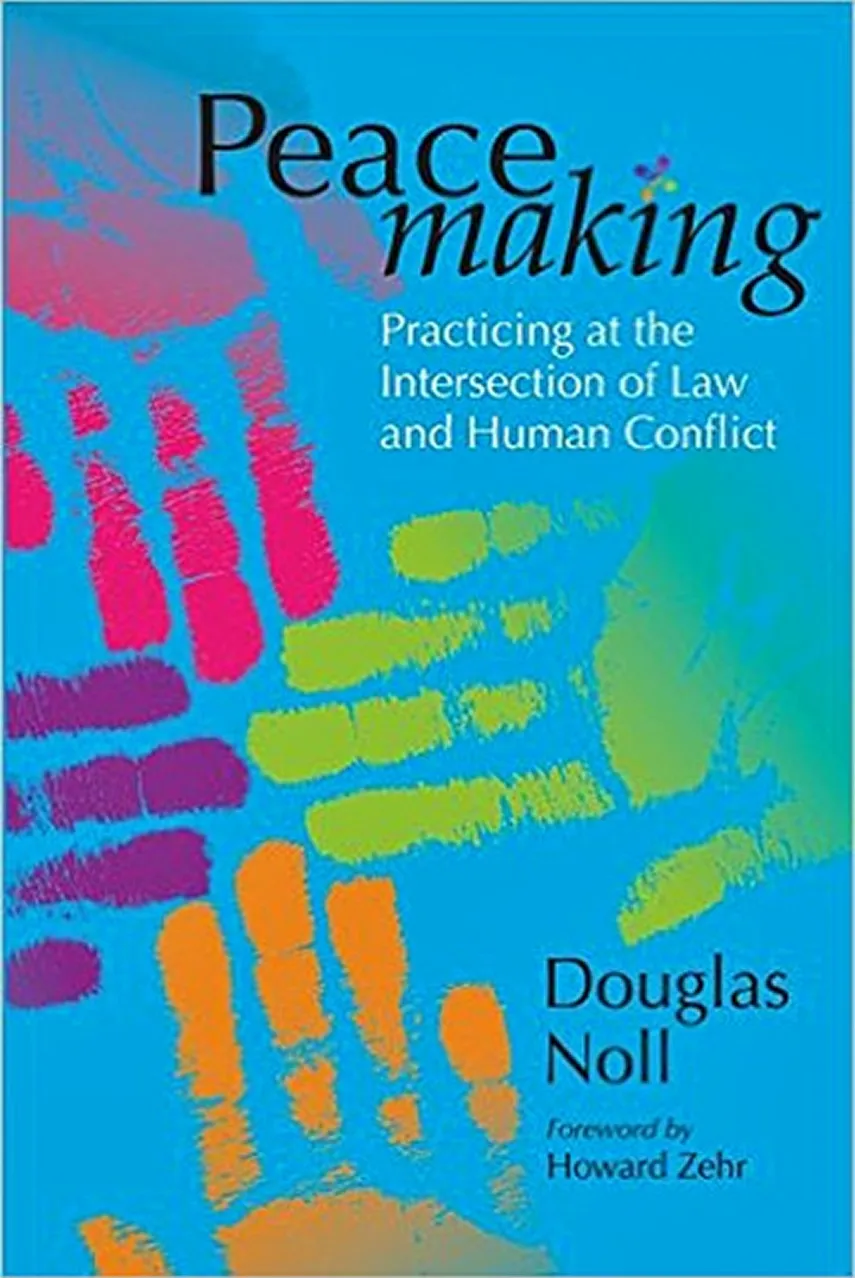
Doug Noll's new book Empathy Leadership: The Powerful Skill That Drives Winning Results lays out why the smoothest-running meeting in a company is often the most expensive one it holds. See it here.
What he built into meetings afterward
He started closing every significant decision the same way: "Before we move on, I want someone to argue the other side, even if you don't believe it." At first people offered weak, token objections. Within a few months, real disagreement started surfacing again, sometimes from people he had not heard push back on anything in years.
His meetings run less smoothly now. He has come to see the friction as the actual signal his old smoothness had been quietly hiding.
Emotional Competence Shapes Your Influence as a Leader
This 90-second emotional competence quiz will tell you how your emotions affect the way you are treated at work and how to gain the respect and influence you deserve as a leader.
Take the Free Assessment
Doug’s Books
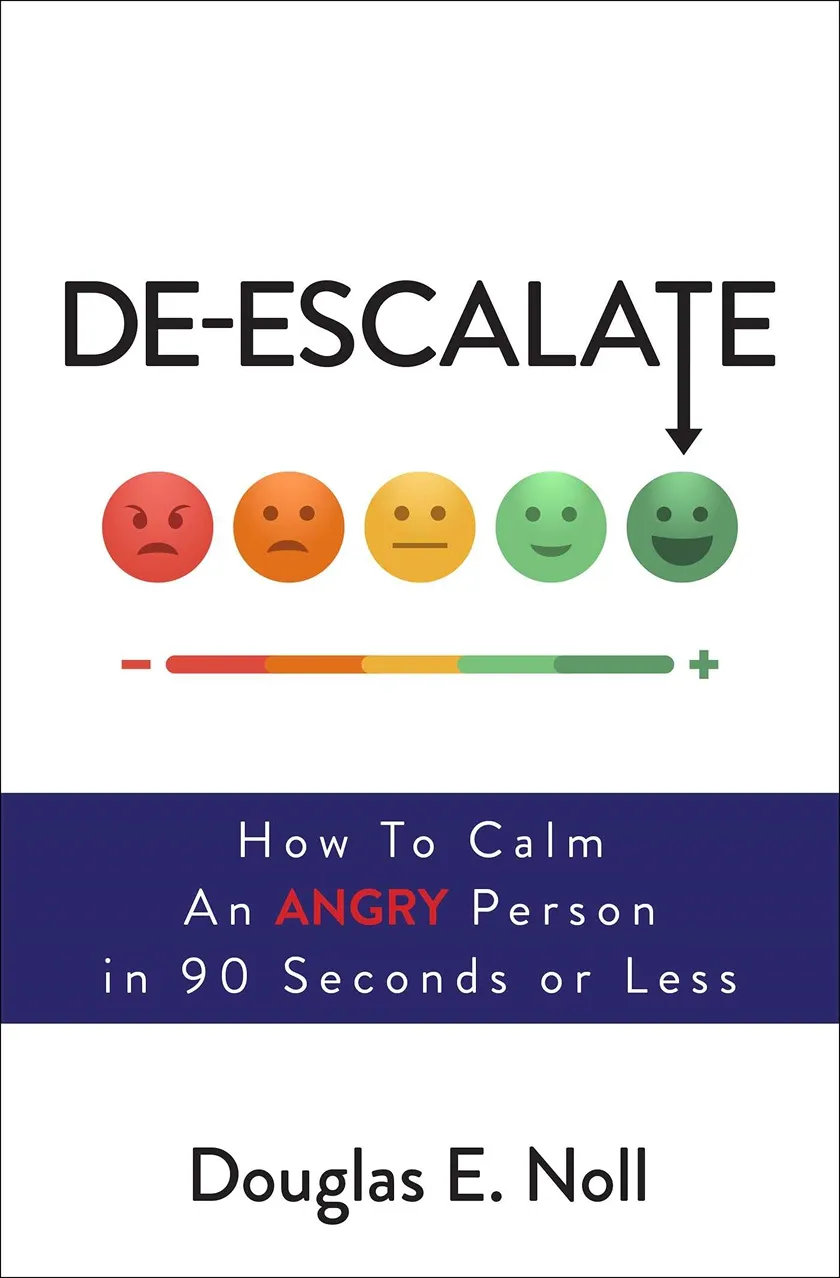
Doug has authored several books on affect labeling and emotional competency, including De-Escalate: How to Calm an Angry Person in 90 Seconds or Less, which won multiple awards and has been adopted by organizations worldwide.