The Burnout Bill: The Real Cost of “Grinding” Your Team
%201.avif)

You push for one more sprint.
One more weekend.
One more stretch quarter.
Short term output increases.
Twelve months later, attrition spikes 25 percent, engagement scores collapse, and medical leave rises.
If you lose 5 high performers earning $130,000 each, and replacement cost runs 150 percent of salary, that is $975,000.
If productivity across a 40 person team drops 15 percent due to exhaustion, and average salary is $120,000, that equals $720,000 in lost output.
You just crossed $1.6 million.
That is the Burnout Bill.
And it accumulates quietly before it hits your balance sheet.
The diagnosis
You believe pressure creates performance.
You believe intensity signals ambition.
You believe high standards require constant urgency.
Urgency activates threat.
The amygdala does not distinguish between a physical predator and a relentless deadline cycle.
Chronic activation elevates cortisol.
Elevated cortisol impairs the prefrontal cortex, which governs judgment, creativity, and impulse control.
The result is not sustained excellence.
It is cognitive fatigue.
Fatigue increases error rates.
Error rates increase rework.
Rework increases hours.
The cycle feeds itself.
The four hidden costs of grind culture
1. The error multiplier
Exhausted brains make more mistakes.
If error rates increase 10 percent in a finance, engineering, or operations function, correction time escalates.
One major mistake requiring 60 executive hours at $250 per hour equals $15,000.
Multiply that across repeated fatigue errors and six figures vanish.
Grinding feels productive.
Rework erases gains.
2. The creativity collapse
Innovation requires an active prefrontal cortex.
Chronic cortisol narrows thinking.
Teams default to safe decisions.
Safe decisions protect stability.
They rarely produce breakthrough results.
If a delayed innovation cycle pushes a projected $6 million launch back by 2 months, that defers $1 million in revenue.
Fatigue does not just reduce output.
It reduces imagination.
3. The disengagement drift
Burned out employees comply.
They stop volunteering ideas.
They stop challenging weak plans.
They stop caring beyond baseline expectation.
If discretionary effort drops 20 percent across a 30 person team, and average annual salary is $110,000, that equals $660,000 in lost contribution value.
You pay full salary for partial engagement.
4. The attrition spike
Burnout accelerates exit decisions.
High performers with options leave first.
Replacing a $150,000 contributor at 150 percent cost equals $225,000.
If 3 such exits occur in one year, that is $675,000.
Add lost client continuity and morale impact, and the Burnout Bill escalates.
The neuroscience of exhaustion
The amygdala activates under sustained pressure.
Cortisol remains elevated.
Chronic cortisol exposure:
- Impairs memory
- Reduces emotional regulation
- Decreases cognitive flexibility
- Weakens immune response
The prefrontal cortex becomes less effective.
Decision quality drops.
Risk assessment skews toward short term survival.
Grinding feels like discipline.
Biologically, it is sustained threat.
Threat degrades performance.
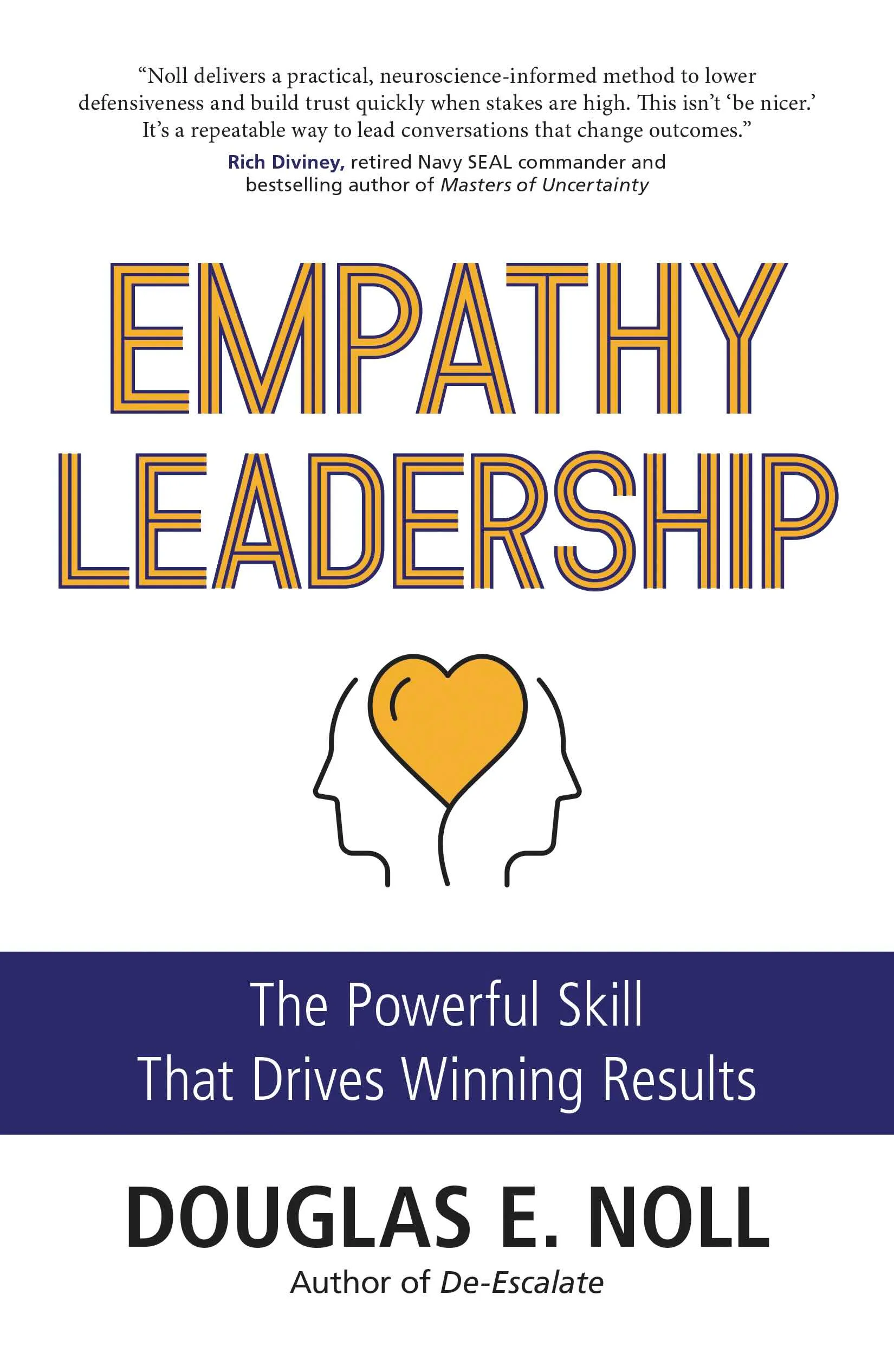
This is the neuroscience at the heart of Doug Noll's new book, Empathy Leadership: The Powerful Skill That Drives Winning Results.
The counterintuitive protocol
You do not reduce burnout by lowering standards.
You reduce it by regulating threat.
When a team shows signs of fatigue, do not respond with more urgency.
Say:
“You are overwhelmed right now.”
Pause.
If frustration surfaces, say:
“You are feeling stretched thin.”
Pause.
If cynicism appears, say:
“You are exhausted.”
Pause.
Short, declarative emotion labels.
Nothing more.
Accurate labeling reduces amygdala activation. Cortisol declines. The prefrontal cortex regains stability.
Once regulated, ask:
“What is the most critical priority this week?”
Or:
“What can we stop doing?”
Clarity reduces cognitive load.
Reduced load restores capacity.
If stabilizing emotional activation prevents just 2 high performer exits and improves productivity by 5 percent across a $5 million payroll, the savings exceed $500,000.
Grinding looks strong.
Sustained regulation is profitable.
Pressure without emotional regulation is expensive.
You can demand excellence.
Or you can pay the Burnout Bill.
Want Doug to walk your leadership team through the Noll Method? Book a no-obligation Zoom call with Doug Noll.
Emotional Competence Shapes Your Influence as a Leader
This 90-second emotional competence quiz will tell you how your emotions affect the way you are treated at work and how to gain the respect and influence you deserve as a leader.
Take the Free Assessment
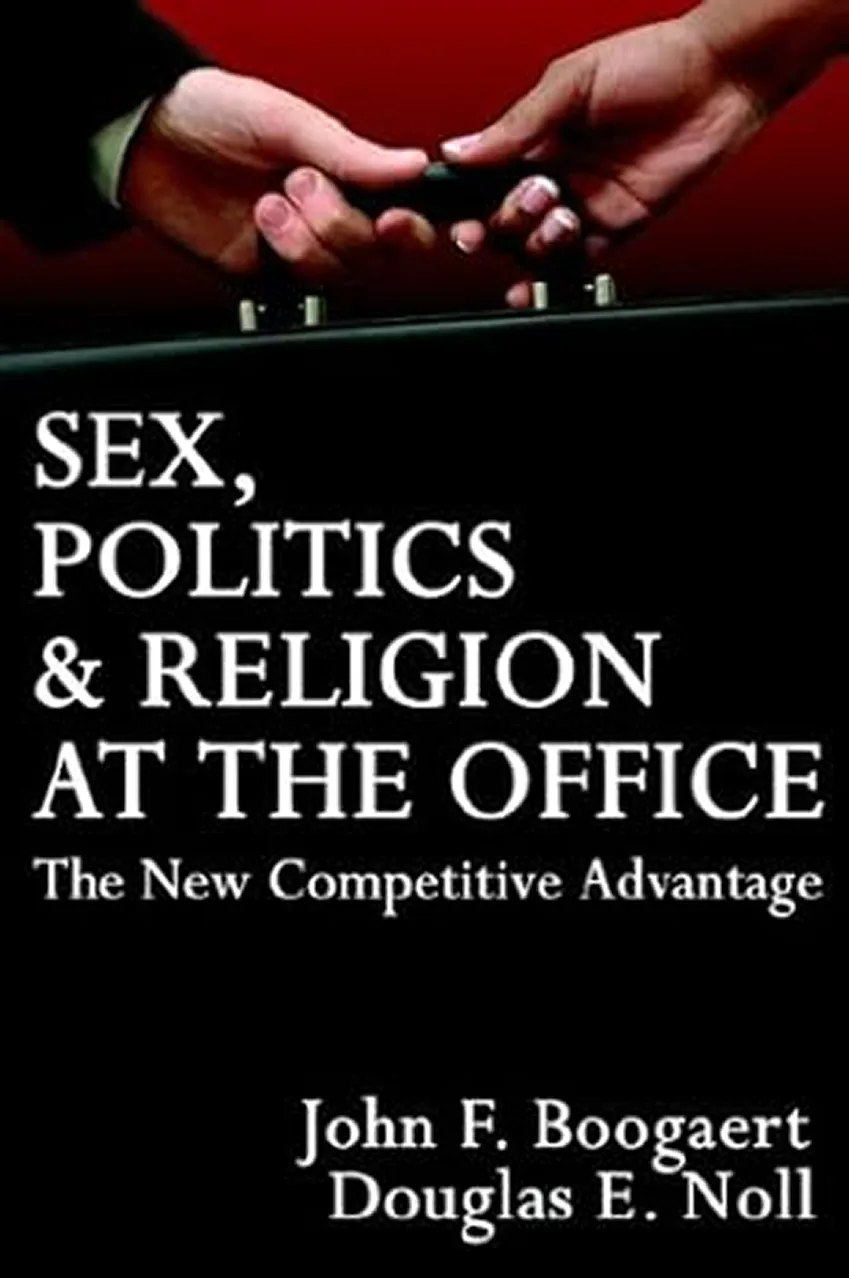
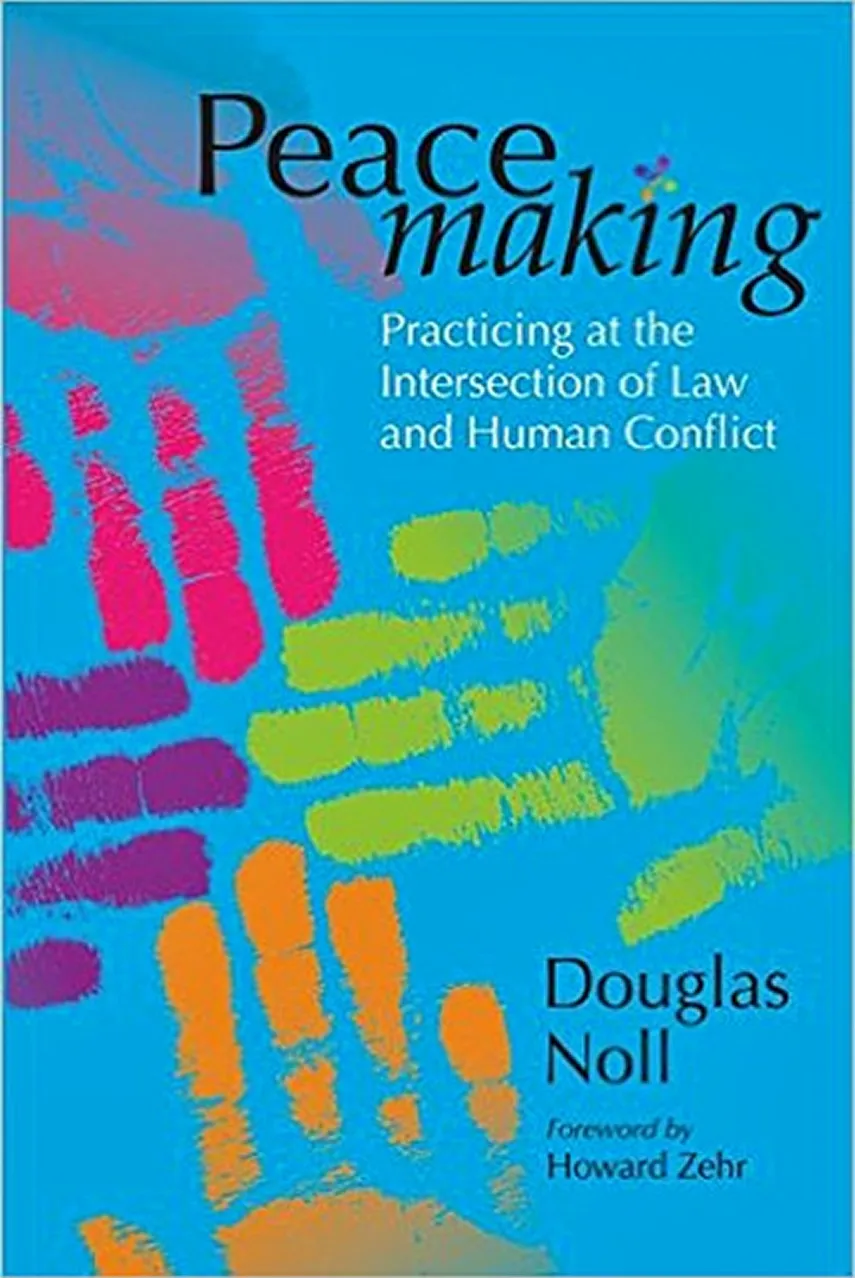
Doug’s Books
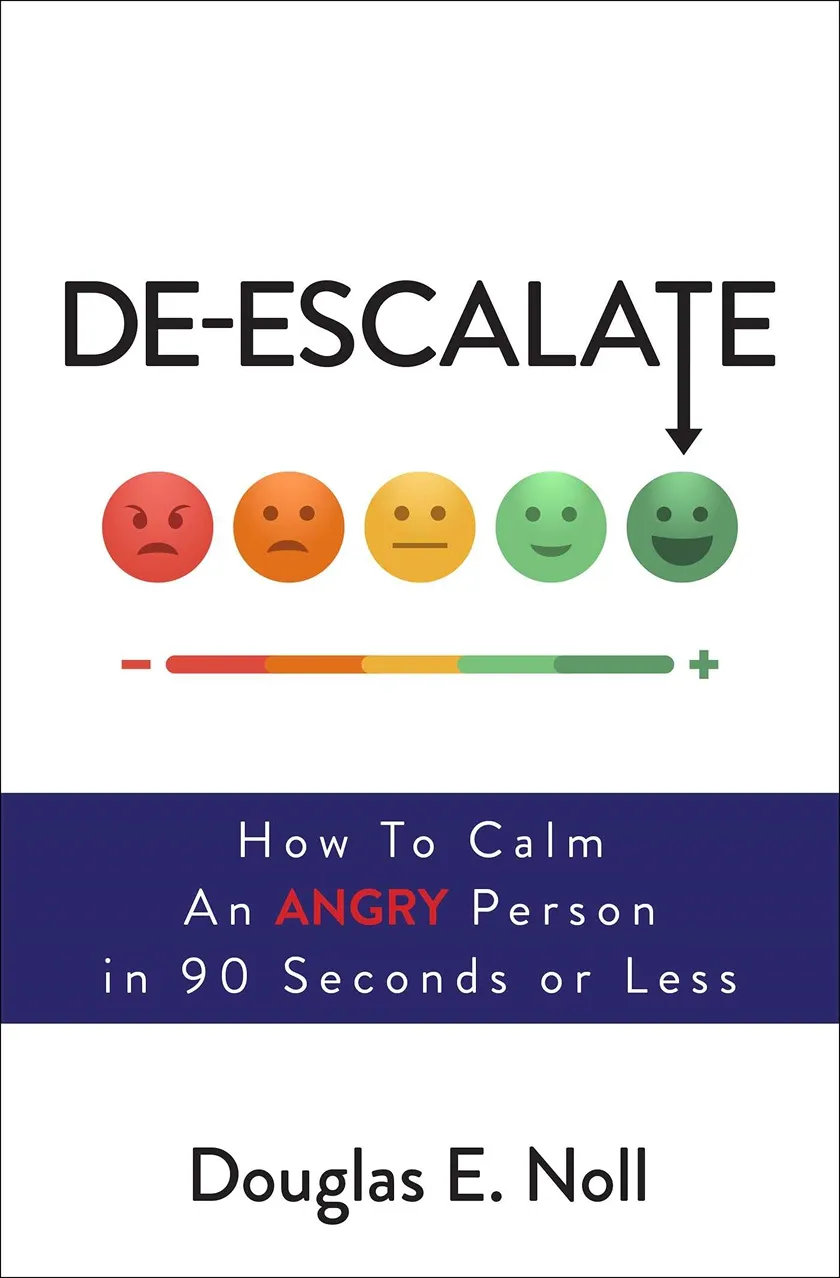
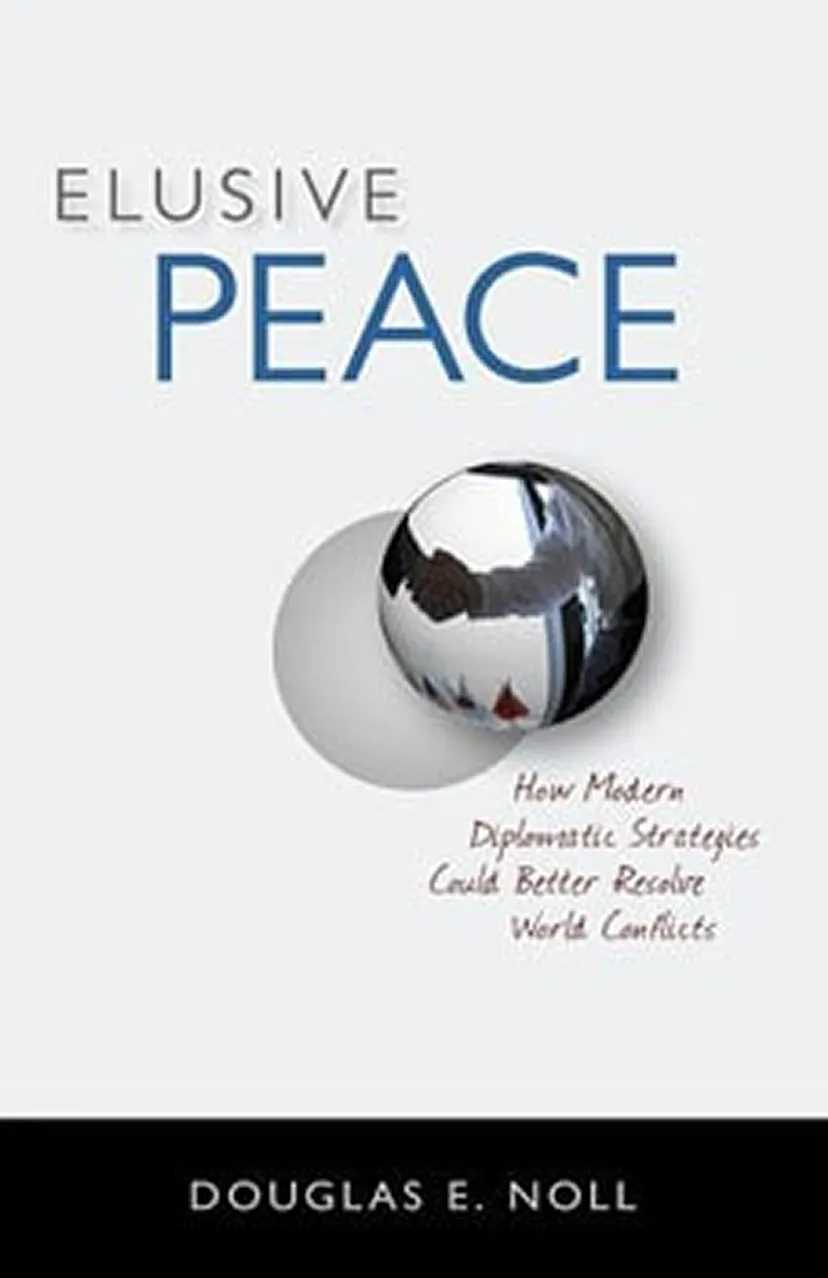
Doug has authored several books on affect labeling and emotional competency, including De-Escalate: How to Calm an Angry Person in 90 Seconds or Less, which won multiple awards and has been adopted by organizations worldwide.
More Blogs
View All

October 26, 2026
De-Escalation Training for Large Companies: 7 Shocking Reasons Yours Isn't Working
Read Blog

October 26, 2026
What Enterprise De-Escalation Programs Get Wrong: 5 Operational Fixes
Read Blog

October 23, 2026
6 Powerful Reasons De-Escalation Training for Employees Doesn't Scale (and the Fix)
Read Blog