The Avoidance Tax-How It Loses The Company Millions
%201.avif)

Most leadership failure begins with one sentence left unsaid.
The client is losing trust.
The strategy is not working.
The team is exhausted.
The senior hire is underperforming.
The culture is becoming political.
The founder is the bottleneck.
Everyone senses it.
Nobody names it.
If a $10 million initiative underperforms by 15 percent because leadership avoided the real issue for 6 months, that is $1.5 million gone.
If one avoided personnel decision leads to team disengagement, 2 resignations, and delayed execution, the cost can cross $750,000 fast.
This is the Avoidance Tax.
And leaders pay it every time they choose comfort over truth.
The diagnosis
You believe avoidance keeps stability.
You believe delaying the hard truth preserves morale.
You believe people need time before reality is named.
Wrong.
Avoided reality does not disappear.
It becomes organizational anxiety.
The amygdala detects inconsistency before language catches up.
When the team sees one thing and leadership says another, threat rises.
Cortisol increases.
The prefrontal cortex, responsible for strategy, judgment, and problem solving, loses efficiency.
People stop trusting what is said publicly.
They start reading what is happening privately.
Now you have two organizations.
The official one.
And the real one.
The real one always wins.
The five realities leaders avoid
1. The failing strategy
The numbers are weak.
The plan is not landing.
But leadership keeps saying:
“We are on track.”
The team knows this is false.
That gap destroys trust.
A bad strategy can be corrected.
A dishonest narrative corrodes the room.
If a failing strategy burns $250,000 per month and leadership delays correction by 4 months, that is $1 million spent protecting ego.
2. The underperforming executive
One senior leader is not working.
Everyone knows.
Deadlines slip.
Teams complain quietly.
Decisions bottleneck.
Standards decline.
Leadership avoids the conversation because the person is liked, powerful, or politically difficult.
The cost spreads.
One underperforming executive can slow an entire department by 10 percent.
On a $5 million payroll, that is $500,000 in lost capacity.
3. The burned out team
The team is tired.
Not busy.
Burned out.
They are still polite.
Still delivering.
Still attending meetings.
But discretionary effort is gone.
Leadership calls it a tough season.
The nervous system calls it chronic threat.
Cortisol remains elevated.
Creativity drops.
Errors rise.
Attrition risk increases.
Ignoring burnout does not protect performance.
It drains it.
4. The toxic high performer
One person delivers numbers and damages everyone around them.
Leaders excuse it because revenue looks good.
The team learns the real standard:
Results matter more than psychological safety.
Trust collapses.
Good people leave.
If one toxic high performer causes 3 employees earning $130,000 to resign, and replacement cost is 150 percent of salary, the cost is $585,000 before lost productivity.
The revenue was never clean.
It was subsidized by team damage.
5. The leader’s own behavior
This is the one leaders avoid most.
The bottleneck is not the market.
It is you.
Your impatience creates silence.
Your defensiveness blocks feedback.
Your intensity delays bad news.
Your ego makes people manage your reactions.
Nobody tells you plainly because your nervous system has trained them not to.
That is the most expensive leadership failure.
The truth is still known.
It is just discussed when you leave the room.
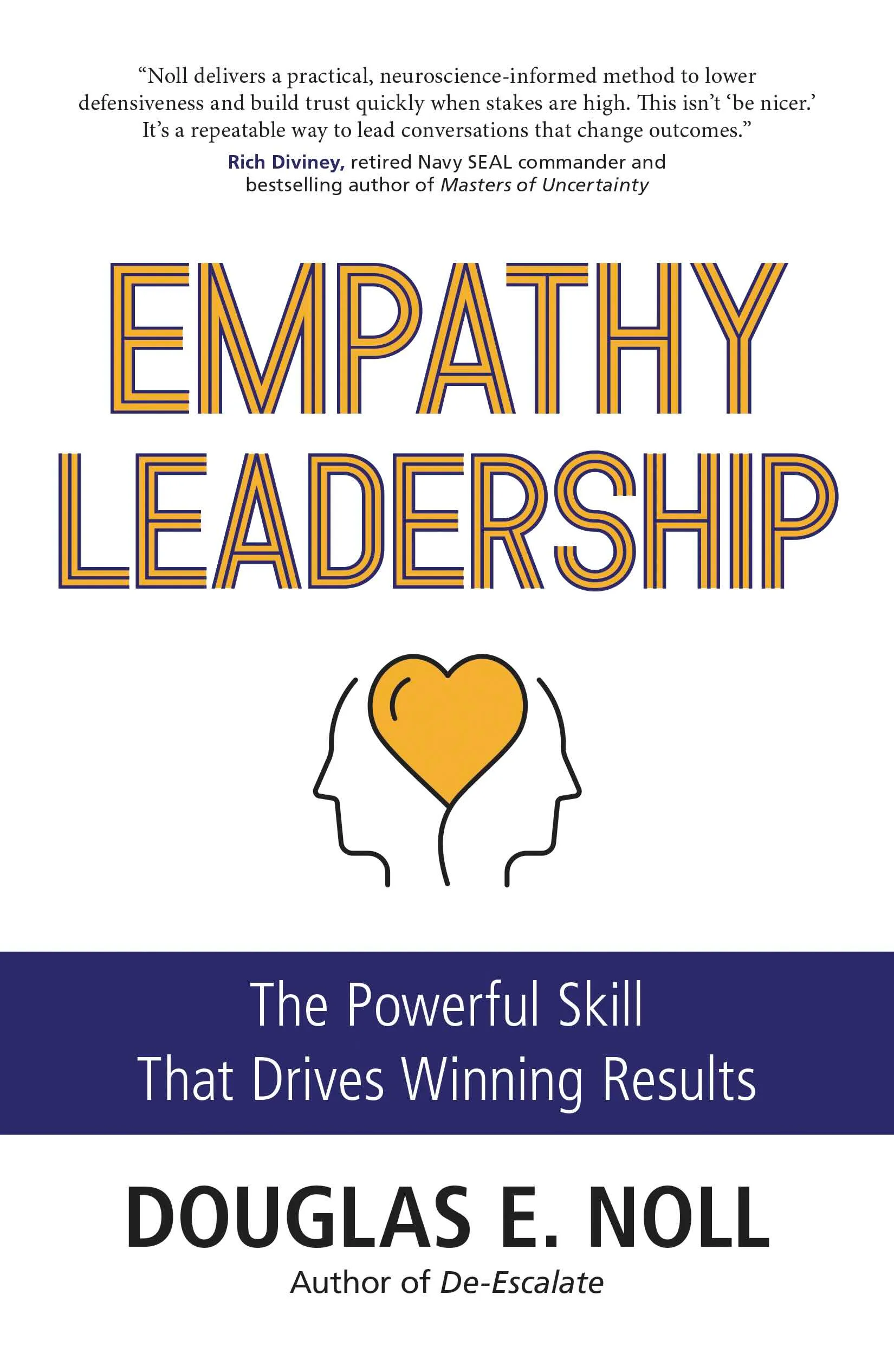
This is the neuroscience at the heart of Doug Noll's new book, Empathy Leadership: The Powerful Skill That Drives Winning Results.
The neuroscience of avoidance
Avoidance feels safe because it reduces immediate discomfort.
The amygdala rewards short term relief.
Do not say the hard thing.
Do not confront the person.
Do not name the problem.
Do not risk the reaction.
Cortisol drops temporarily.
The leader feels better.
But the organization becomes more activated.
Unspoken reality creates chronic threat.
When threat persists:
- Trust decreases
- Rumors increase
- Defensive behavior rises
- Decision quality drops
- Accountability weakens
- Execution slows
The prefrontal cortex cannot lead well inside a culture of unspoken truth.
Reality must be named before it can be solved.
The counterintuitive protocol
Do not start by forcing truth.
Regulate the room first.
When naming a hard reality, begin with the emotional impact.
Say:
“This may be uncomfortable to hear.”
Pause.
Then:
“We need to face the fact that this strategy is not working.”
Pause.
If people tense up, label the emotion.
“You may feel frustrated that we did not name this earlier.”
Pause.
Then move to ownership.
“Here is what changes now.”
For an underperforming leader:
“This may feel direct.”
Pause.
“The current performance is not meeting the standard.”
Pause.
“You may feel disappointed or defensive hearing that.”
Pause.
“The expectation is clear improvement in the next 30 days.”
For a burned out team:
“You are exhausted.”
Pause.
“We have been calling this urgency, but the team is running beyond capacity.”
Pause.
“This week, we identify what stops.”
For yourself:
“I have been creating pressure in this room.”
Pause.
“That has made it harder for people to bring me bad news.”
Pause.
“That changes today.”
No theater.
No long speech.
No self-protection.
Name reality.
Name emotion.
State the next standard.
The leadership standard
Honesty without regulation becomes brutality.
Regulation without honesty becomes avoidance.
Leadership requires both.
The sequence is simple.
Name the emotional risk.
State the reality.
Pause.
Label the reaction.
Set the next action.
Example:
“This may feel uncomfortable.”
Pause.
“We are avoiding the real issue.”
Pause.
“You may feel frustrated that this has gone unnamed.”
Pause.
“Now we are going to deal with it directly.”
That is honest leadership.
If facing reality 90 days earlier prevents a $1 million strategic delay, the return is obvious.
If naming your own behavior restores trust across a senior team, the value compounds.
The reality you avoid does not stay still.
It grows interest.
Say the hard thing early.
Regulate the room.
Then lead.
Emotional Competence Shapes Your Influence as a Leader
This 90-second emotional competence quiz will tell you how your emotions affect the way you are treated at work and how to gain the respect and influence you deserve as a leader.
Take the Free Assessment
Doug’s Books
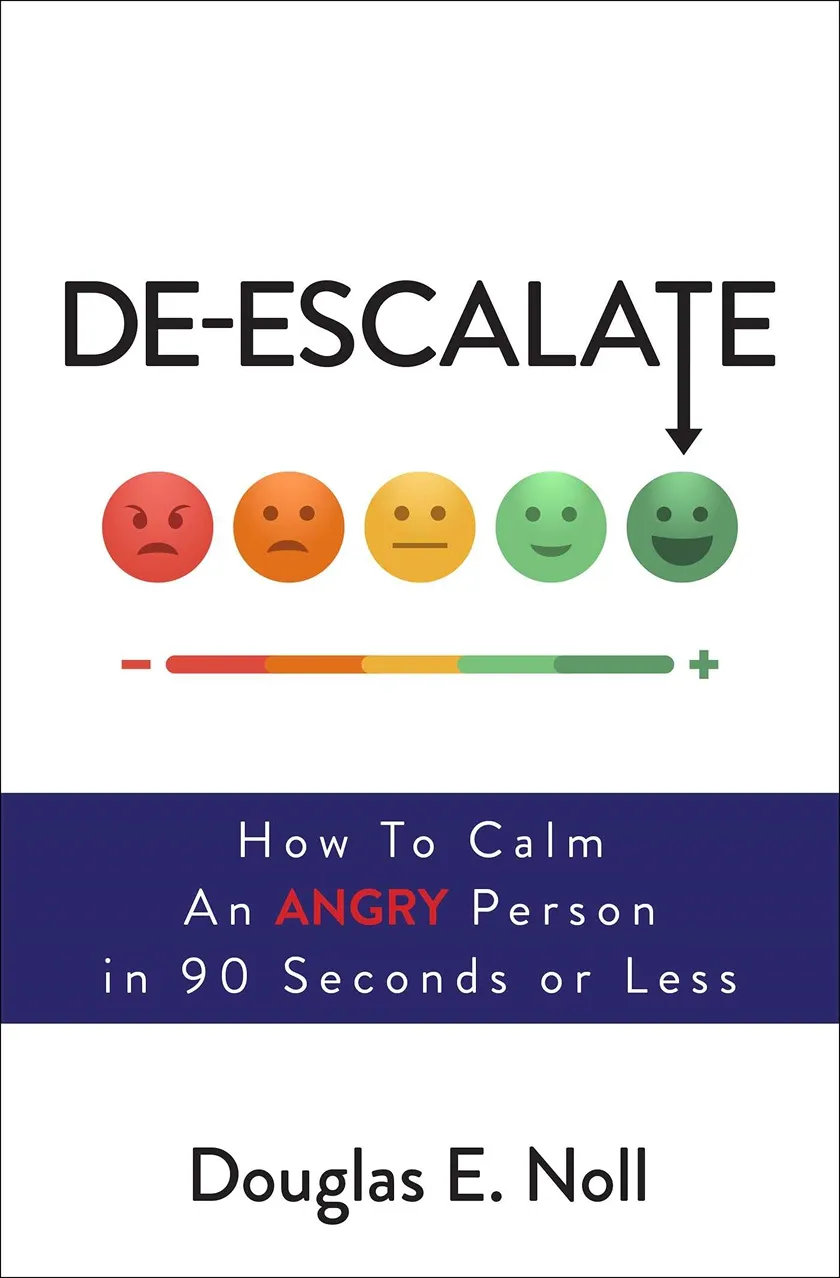
Doug has authored several books on affect labeling and emotional competency, including De-Escalate: How to Calm an Angry Person in 90 Seconds or Less, which won multiple awards and has been adopted by organizations worldwide.