Stress Management Why “I’m Fine” Means You’re Failing
%201.avif)

If 30 percent of your leadership team is quietly burned out and average compensation is $180,000, you are sitting on a six figure performance leak.
A 15 percent productivity decline across a 10 person leadership team equals $270,000 in lost output annually.
If two of them exit within 12 months and replacement cost runs 150 percent of salary, you add another $540,000.
That is over $800,000 tied to one phrase.
“I’m fine.”
When your leaders say they are fine under visible strain, you are not witnessing resilience.
You are witnessing suppression.
Suppression is expensive.
The diagnosis
You believe strong leaders handle stress.
You believe if someone says they are fine, they are fine.
You believe pushing through builds toughness.
Chronic stress activates the amygdala.
Cortisol rises.
The prefrontal cortex, responsible for judgment, emotional regulation, and strategic thinking, loses capacity.
When someone says “I’m fine” while physiologically activated, they are masking threat.
Masked threat becomes chronic activation.
Chronic activation degrades performance.
You are not leading resilience.
You are normalizing dysregulation.
The four costs of suppressed stress
1. The decision degradation effect
Elevated cortisol narrows cognitive flexibility.
Leaders under chronic stress default to short term decisions.
Risk tolerance skews.
Strategic patience declines.
If one misjudged capital allocation on a $5 million initiative reduces ROI by 10 percent, that is $500,000 lost.
Stress does not just feel bad.
It distorts judgment.
2. The emotional contagion pattern
Stress spreads.
The amygdala responds to social cues.
When one executive remains visibly tense, others mirror activation.
Team baseline cortisol increases.
High baseline activation reduces collaboration.
Collaboration breakdown extends timelines.
3. The quiet disengagement drift
Leaders who say “I’m fine” while overwhelmed reduce discretionary effort.
They stop challenging assumptions.
They stop mentoring actively.
If mentoring quality drops and future leaders underdevelop, succession risk increases.
Long term performance erodes silently.
4. The burnout acceleration curve
Suppressed stress accumulates.
Once the threshold is crossed, performance collapses quickly.
Medical leave increases.
Attrition spikes.
Replacing one burned out executive earning $220,000 can cost $330,000 to $400,000.
The cost is rarely sudden.
It builds under the surface.
The neuroscience of “fine”
The amygdala does not power down because someone declares calm.
If threat remains, cortisol remains elevated.
Chronic cortisol exposure:
- Impairs memory
- Weakens emotional regulation
- Reduces impulse control
- Decreases immune resilience
The prefrontal cortex becomes less effective.
Leaders appear functional.
Internally, cognitive resources are draining.
Language that denies stress blocks regulation.
Regulation requires naming emotion precisely.
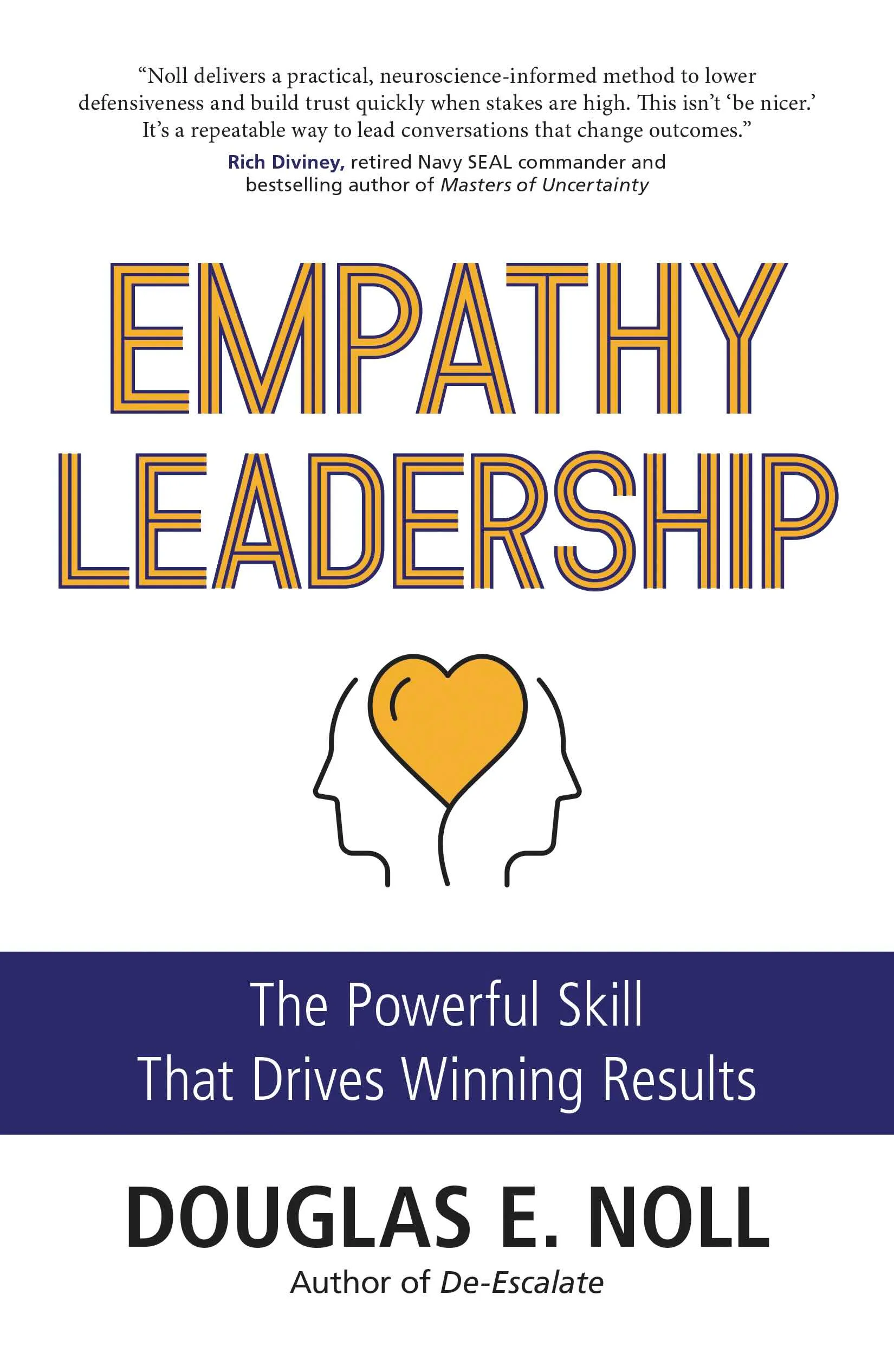
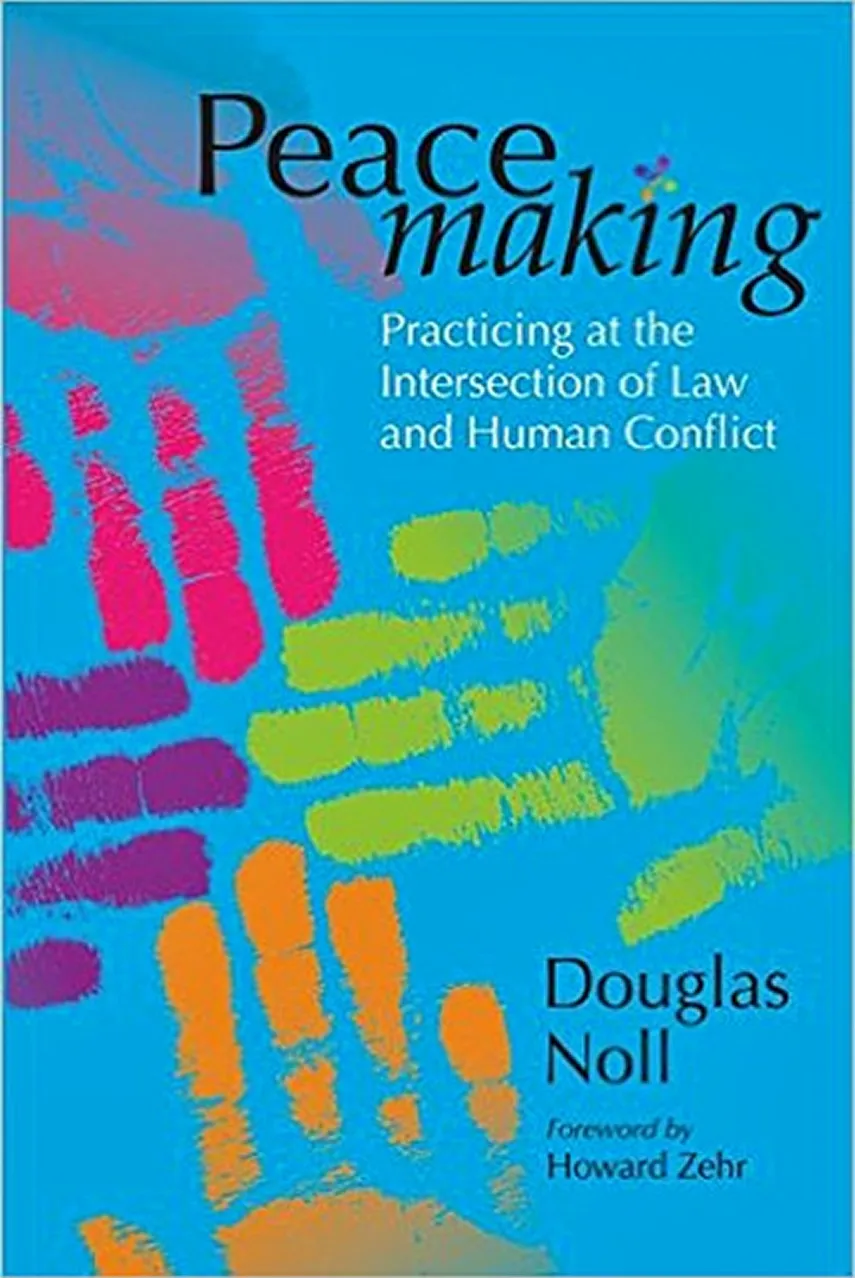
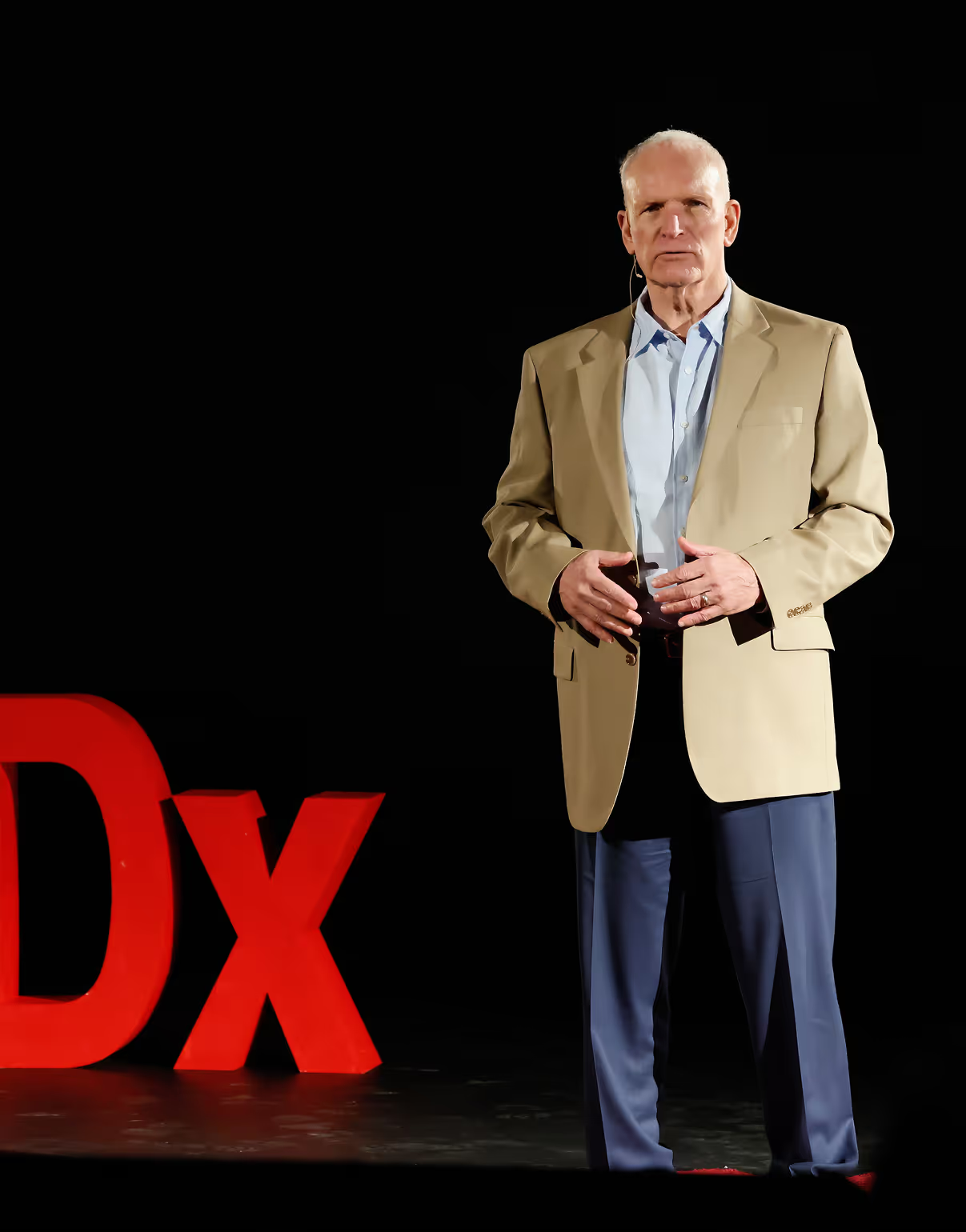
This is the neuroscience at the heart of Doug Noll's new book, Empathy Leadership: The Powerful Skill That Drives Winning Results.
The counterintuitive protocol
Stop accepting “fine.”
When a leader says, “I’m fine,” and signs of strain are visible, say:
“You seem under a lot of pressure.”
Pause.
If tone tightens, say:
“You are stretched thin.”
Pause.
If silence lingers, say:
“You seem overwhelmed.”
Pause.
Short, declarative emotion labels.
No reassurance.
No immediate solutions.
Accurate labeling reduces amygdala activation. Cortisol declines. The prefrontal cortex regains clarity.
Only then ask:
“What is creating the most pressure right now?”
Or:
“What can we remove this week?”
If emotional regulation restores even 5 percent performance capacity across a $10 million leadership budget, that equals $500,000 in preserved value.
Stress ignored compounds.
Stress named regulates.
When “I’m fine” is the default answer, leadership is failing to regulate the nervous system.
Name the emotion.
Restore the brain.
Protect the business.
Emotional Competence Shapes Your Influence as a Leader
This 90-second emotional competence quiz will tell you how your emotions affect the way you are treated at work and how to gain the respect and influence you deserve as a leader.
Take the Free Assessment
Doug’s Books
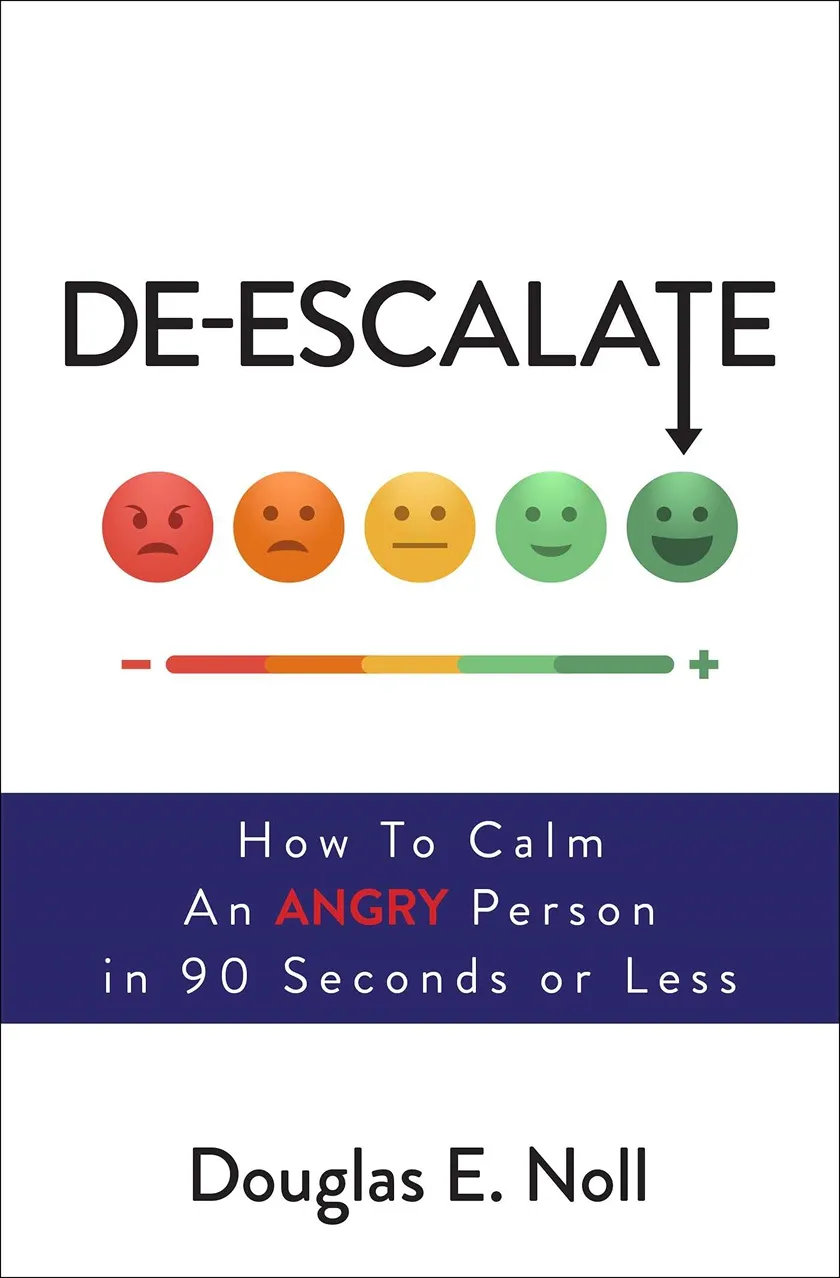
Doug has authored several books on affect labeling and emotional competency, including De-Escalate: How to Calm an Angry Person in 90 Seconds or Less, which won multiple awards and has been adopted by organizations worldwide.