The Recusal That Held the Company Together
%201.avif)

He could have won the vote.
Five of the nine directors were with him going in. The proposal was a change to the related-party approval threshold, and he had built the case over two meetings. It was a good case and the change was probably right.
He also had a commercial interest in one of the entities the change would affect. Not a large one. His disclosure was on file, the legal advice was that he was entitled to vote, and two directors had told him privately that nobody would think twice about it.
He recused himself.
He did it before the discussion, not before the vote, which turns out to matter. He said, "I have an interest here that is small enough to be legally irrelevant and large enough that I do not want my judgment to be the thing this rests on. I am going to sit this one out entirely, including the debate."
Then he left the room for forty minutes.
What it looked like at the time
Two directors thought it was excessive. One said so, mildly, after the meeting.
The proposal failed four to four with one abstention. The change he had spent two meetings building did not happen.
By any immediate measure he lost. He gave up a vote he was entitled to cast, on a proposal he believed in, and the proposal died because he was not in the room.
What it was worth eighteen months later
The company went through a contested transaction in which two shareholder groups took materially different positions and the board's independence became, briefly, the central question.
An institutional shareholder's counsel went through four years of minutes.
The recusal was the thing they cited. Not the governance policy, not the charter, not the composition of the committee. One director, on one item, stepping out of a room he was entitled to be in, on an interest small enough that nobody would have objected.
The counsel's note to their client described the board as "demonstrably independent in practice rather than in form." That assessment carried through the whole process.
Whatever the recusal cost in that meeting, it returned somewhere in the region of a hundred times over during the six weeks that mattered.
Why calibrated withdrawal reads as authority
There is an instinct, particularly among people who have earned their seat, to treat any voluntary reduction of one's own influence as weakness.
It reads as the opposite, and the mechanism is worth understanding.
Authority in a governance context derives from the perception that a person's judgment is uncontaminated. Every action that demonstrates a willingness to protect that perception at personal cost increases it. Every action that does not, even where entirely proper, leaves a small question.
The fiduciary standard is a floor. Behaviour above the floor is what builds the thing you actually need in a crisis, which is a room full of people whose independence nobody has to argue for.
The part he got right that most people miss
He recused from the debate, not just the vote.
This is the distinction that gives the act its force. A director who participates fully in a discussion and then abstains from the vote has influenced the outcome and formally declined to be recorded doing so. That is worse than voting, and boards do it constantly.
If your interest is material enough to abstain, it is material enough to leave. If it is not material enough to leave, vote.
The middle position is the only one that satisfies nobody and it is the most common.
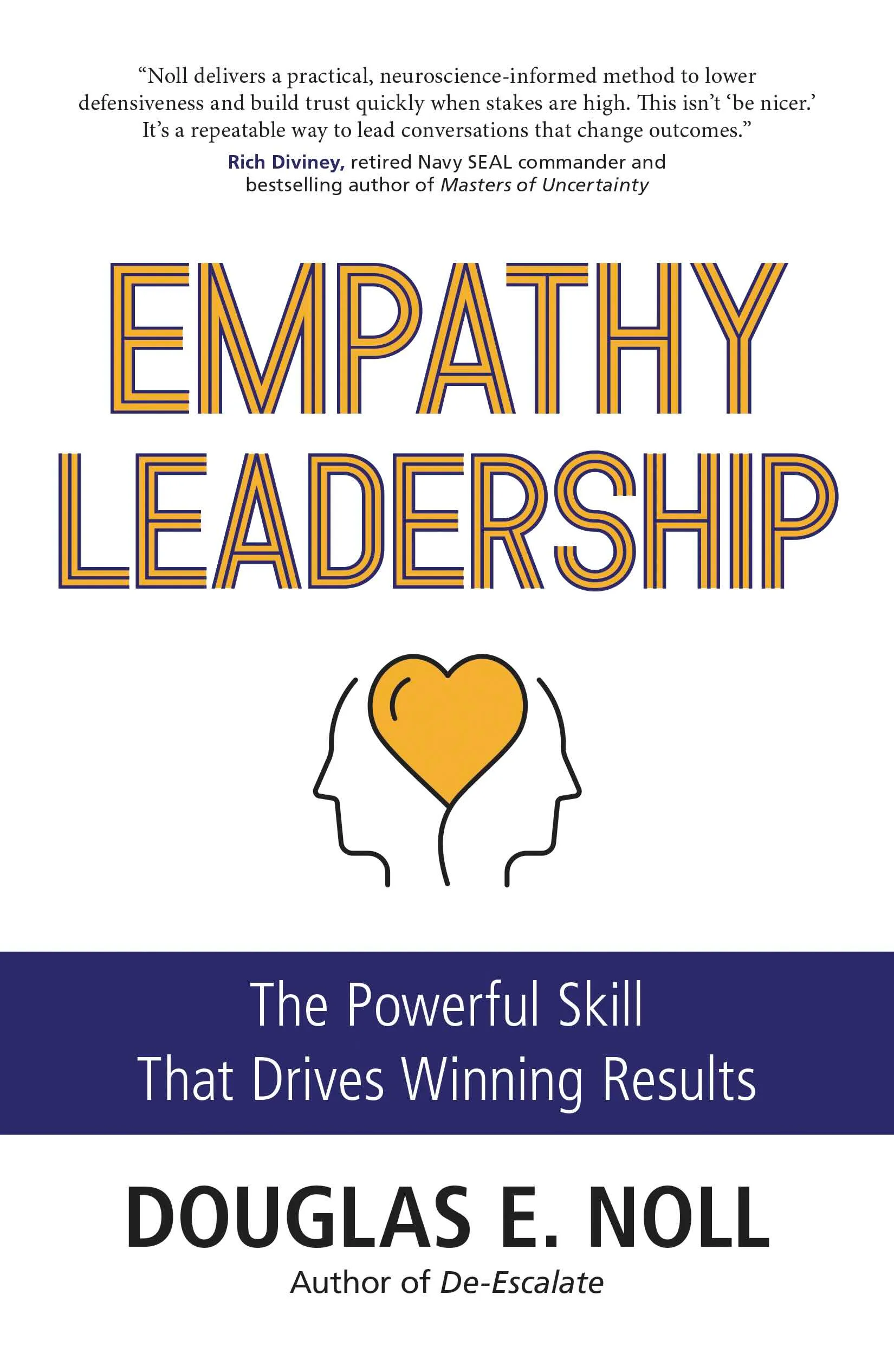
Doug Noll's new book Empathy Leadership: The Powerful Skill That Drives Winning Results covers the moves that build standing rather than spend it. Pre-order it on Books-A-Million.
The related pattern in executive settings
The same dynamic operates well outside board governance.
A CEO who declines to weigh in on a decision inside a function they used to run. A founder who leaves a room where their presence would distort a conversation about their own succession. A partner who takes themselves off an assessment where they have a prior relationship.
In every case the immediate cost is a loss of control over an outcome you care about. In every case the return is a form of authority that cannot be acquired any other way, because it can only be demonstrated by giving something up.
Most people never make the trade, because the cost is immediate and specific while the return is delayed and unattributable.
The test
Before any decision where you have a connection, ask one question.
"If this outcome is challenged in two years, will my participation be the thing that gets pointed at?"
If there is any hesitation in the answer, leave the room. Not the vote. The room.
For related reads, see High-Status Empathy Not Therapy and Executive Apologies.
If you sit on a board and are weighing whether an interest is material enough to act on, book a no-obligation Zoom call with Doug Noll.
Emotional Competence Shapes Your Influence as a Leader
This 90-second emotional competence quiz will tell you how your emotions affect the way you are treated at work and how to gain the respect and influence you deserve as a leader.
Take the Free Assessment
Doug’s Books
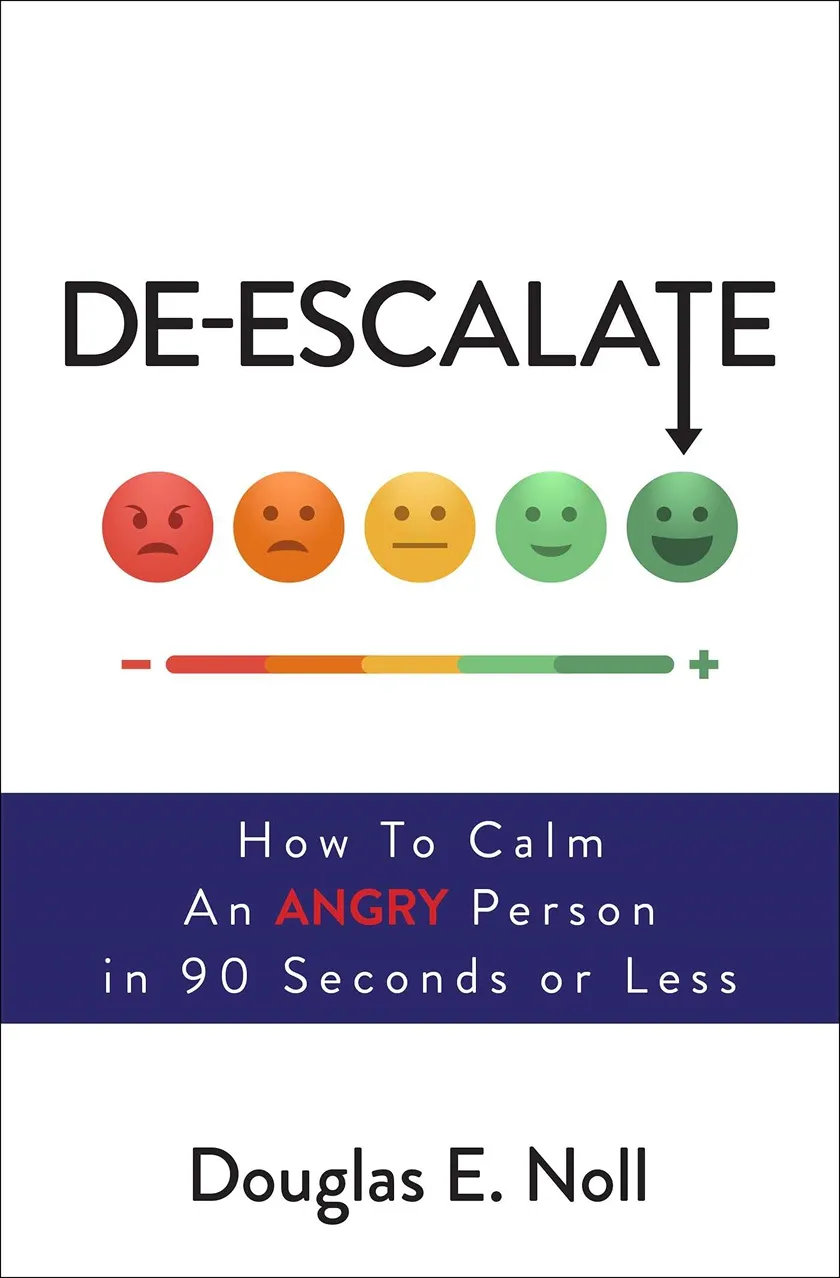
Doug has authored several books on affect labeling and emotional competency, including De-Escalate: How to Calm an Angry Person in 90 Seconds or Less, which won multiple awards and has been adopted by organizations worldwide.