The Reason People Stopped Saying Hard Things Out Loud
%201.avif)

The all-hands Q&A used to be the best twenty minutes of the month. People lined up at the microphone. Questions about the roadmap, about a competitor, about a decision nobody understood. The founder liked that part of the job.
For two quarters running, nobody lined up. He would ask, "Any questions," and the room would look at their laptops. He assumed the company had simply run out of things to ask, that alignment had finally arrived.
His Head of People told him otherwise over coffee. "Nobody's forgotten how to ask a question. They remember what happened to the last person who asked a hard one."
He did not remember an incident. She reminded him of one, from eight months earlier, that the whole company apparently still discussed.
The exchange he had already forgotten
A junior engineer had asked, at the microphone, in front of two hundred people, why the company had laid off a well-liked team the same month it announced record revenue. It was a fair, specific, uncomfortable question.
The founder had answered defensively. He had explained the financial logic at length, in a tone that made clear he found the question unfair. He had not intended to shut anyone down. He believed he was being transparent.
What the room actually watched was a person take a real risk and get met with a lecture instead of an acknowledgment. Nobody in that room needed to be told not to ask a hard question at the next all-hands. Their amygdala had logged the outcome on their behalf, in real time, without anyone deciding anything consciously. The engineer never asked another question at an all-hands. Neither did anyone else.
The founder had spent eight months treating the silence as good news. It was the opposite. Silence at an all-hands is not agreement. It is the room's most reliable signal that risk has become too expensive to take out loud.
How much is one unresolved conflict really costing your company?
What he did at the next all-hands
He opened the next session by naming the incident himself, without being asked to. "Eight months ago someone asked me a fair question about the layoffs and I answered like it was an attack. I want to name that, because I think it's part of why this room went quiet."
Nobody clapped. Nobody said anything for a moment. Then a product manager near the back raised her hand and asked a real question about a delayed launch, the first substantive question in two quarters.
The founder answered it by first naming what he suspected she was frustrated about, then answering the content. That combination, acknowledging before responding, is the mechanism behind affect labeling. It tells the room's nervous system that the question landed as a question, not as a threat to be managed.
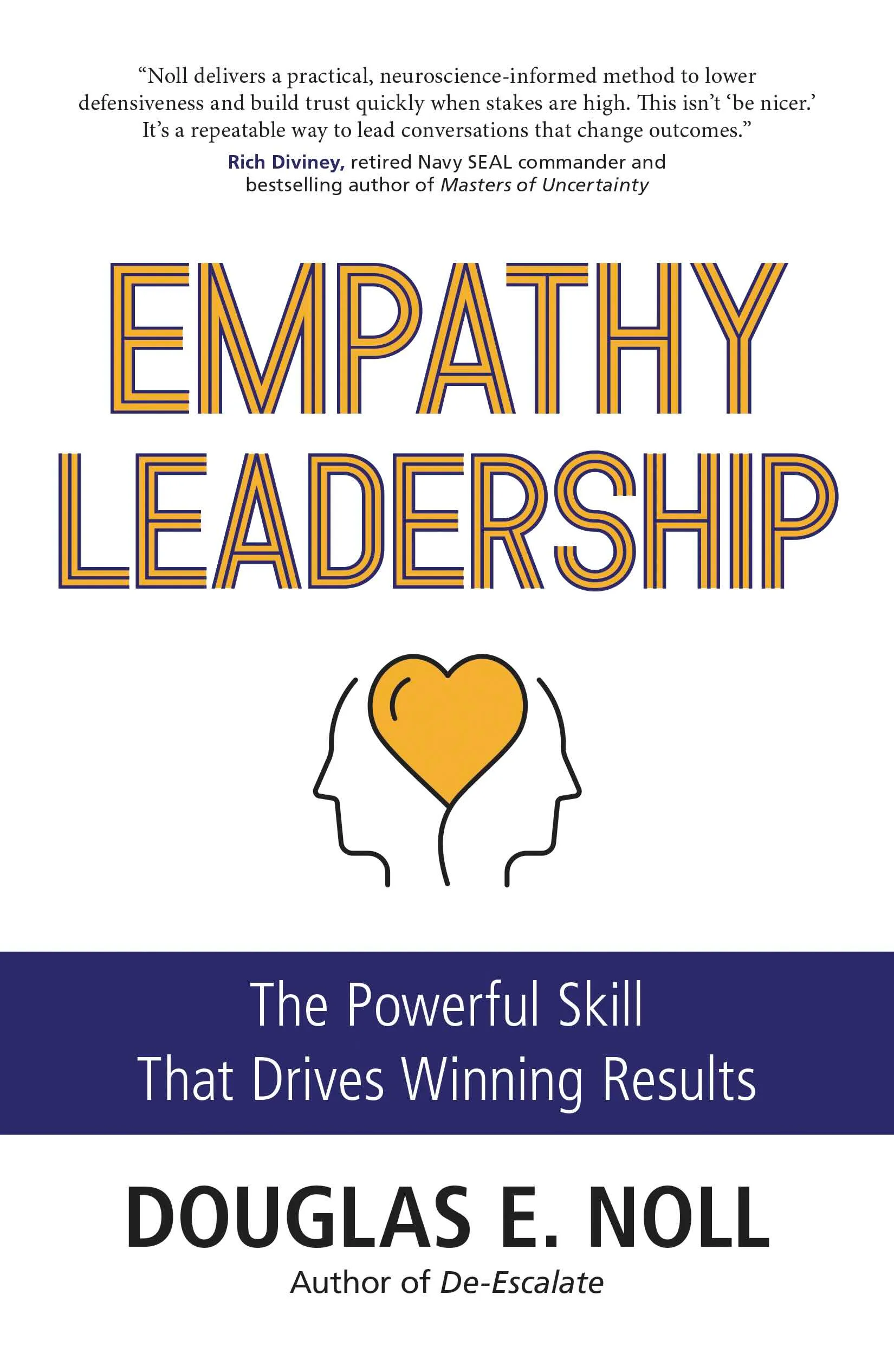
Doug Noll's new book Empathy Leadership: The Powerful Skill That Drives Winning Results lays out why a room that has gone quiet needs one specific act of naming before it will speak again. See it here.
What the Q&A looks like now
It took three more all-hands before the line at the microphone came back to its old length. It did come back. People tested the founder twice more with moderately hard questions before anyone tried a genuinely difficult one.
He has since learned that a silent Q&A is not a room with nothing to say. It is a room keeping score.
Emotional Competence Shapes Your Influence as a Leader
This 90-second emotional competence quiz will tell you how your emotions affect the way you are treated at work and how to gain the respect and influence you deserve as a leader.
Take the Free Assessment
Doug’s Books
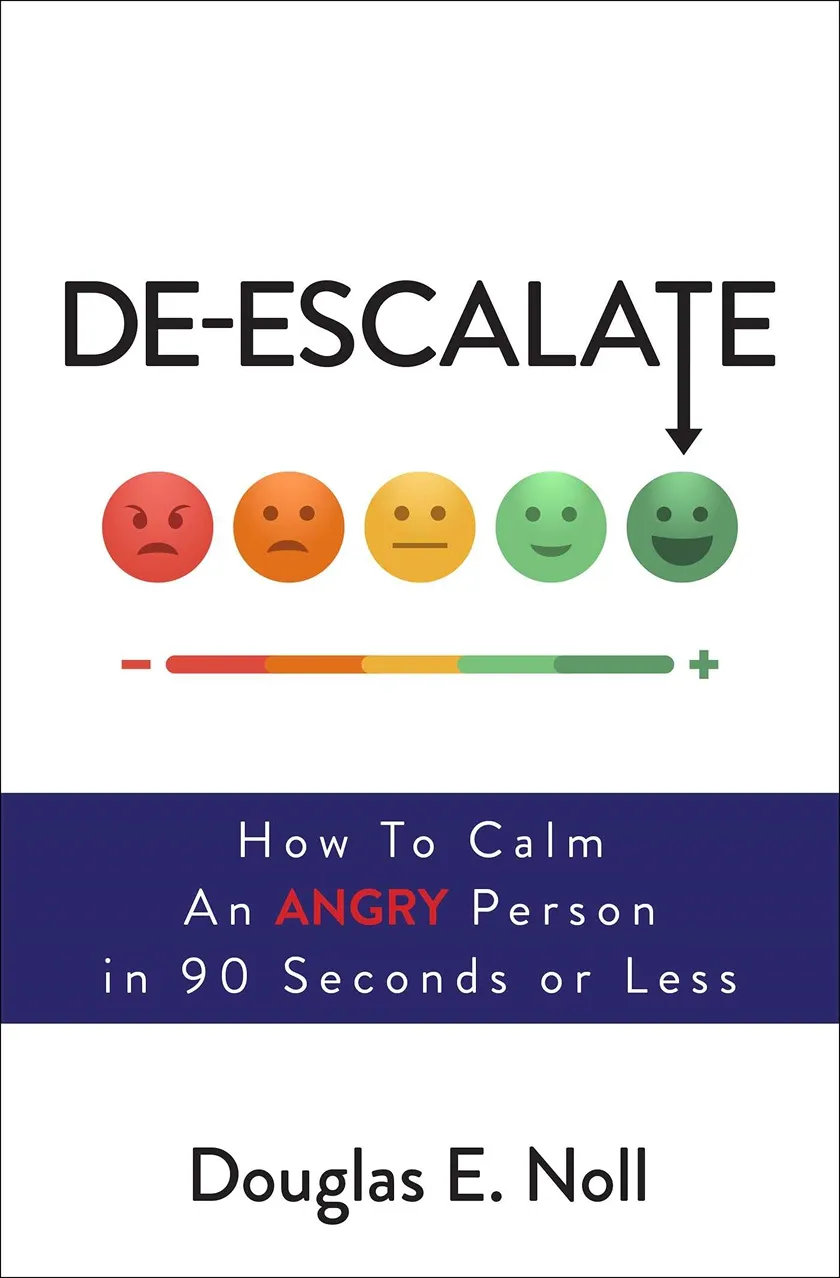
Doug has authored several books on affect labeling and emotional competency, including De-Escalate: How to Calm an Angry Person in 90 Seconds or Less, which won multiple awards and has been adopted by organizations worldwide.