What Happens When the Patriarch Dies and Nobody Ever Had the Hard Conversation
%201.avif)
He died on a Tuesday in April, at eighty-four, in the way everyone had assumed he would, which is to say suddenly and while still working.
The business was thirty-one years old. Four operating divisions, roughly nine hundred employees, and a balance sheet that had never had a bad year since 1997.
There was a will. There was a trust structure that two law firms had built over a decade. There was, on paper, an estate plan that a professional would describe as thorough.
There was no answer to a single one of the questions that mattered.
Who runs it. Who decides who runs it. What happens to the division his eldest son had built from nothing and did not own. Whether the daughter who left in 2009 has a claim to a seat. What he had actually promised his brother in 1994, which two people remembered differently and one person remembered in writing.
The funeral was on the Saturday. The first genuinely hostile conversation happened on the Sunday.
Thirty-one years of deferral arriving in one month
None of these were new questions. Every one of them had been raised at least once.
Each time, he had said a version of the same thing. "We will deal with that." Sometimes "when the time is right." Once, memorably, "when I'm dead you can all fight about it."
Everyone laughed at that one. He was seventy-one when he said it.
The deferral was not negligence. It was a specific and extremely common pattern in founders of a certain age, and it has a mechanism. Every one of those conversations required him to hold, simultaneously, his own mortality and the possibility that his children might not be able to hold the thing together. Both of those states are unbearable in the way that makes people change the subject.
So he changed the subject for thirty-one years, and the subject waited.
What grief did in five weeks
The remarkable thing, which the family's advisor had seen before and they had not, is that grief forced the conversations that the business had successfully avoided for three decades.
By the fifth week they had said things to each other that had been unsayable since the nineties. Not calmly. Two of the four siblings were not speaking directly and were communicating through the CFO.
But it was moving. Fast, badly, and with damage, but moving.
Grief lowers the cost of saying the true thing, because the worst has already happened. The thing everyone was protecting the family from is no longer preventable. That removes the incentive to keep managing it.
This is why so many family enterprises fracture within eighteen months of a founder's death, and also why some of them are more honest at month twenty-four than they were at any point in the previous thirty years.
What the facilitator did that the lawyers could not
The lawyers were doing exactly the right job. Reading documents, establishing what the instruments actually said, mapping the options.
Every session became an argument within twenty minutes, because the documents could not answer the real questions and the family kept trying to make them.
The facilitator changed one thing about the format. Before any session touching the estate, thirty minutes on the man himself. Not eulogy. Specific memory, including the unflattering parts.
The eldest son talked about being made to redo a proposal four times at twenty-three. The daughter who left talked about the day she told him and what he said. The brother talked about 1994, and what he had understood, and admitted for the first time that he had never once asked for it in writing because asking would have implied he did not trust his brother.
None of that resolved anything legal. All of it made the legal sessions functional, because the room had somewhere to put the grief other than into the argument about the trust.
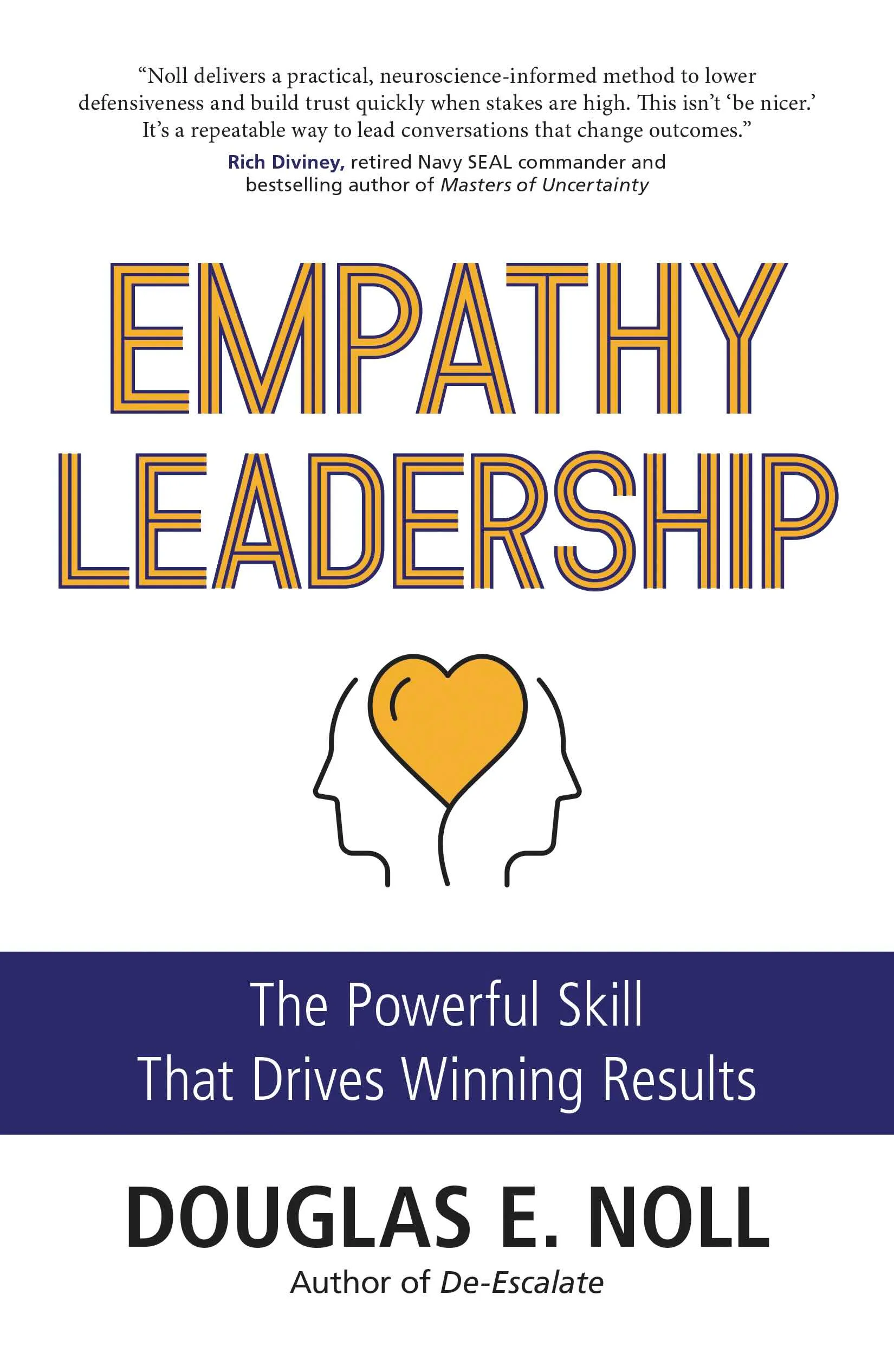
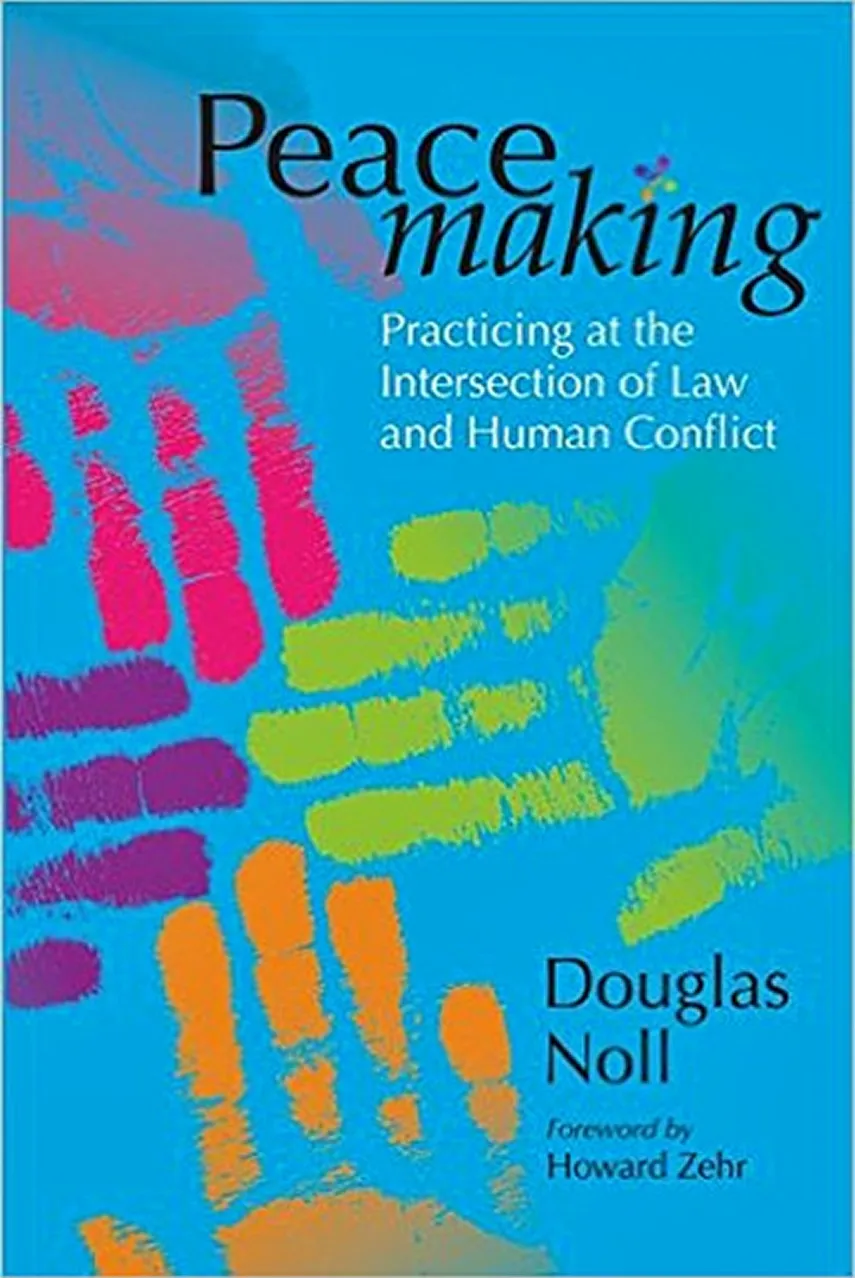
Doug Noll's new book Empathy Leadership: The Powerful Skill That Drives Winning Results covers how families separate the grief from the governance so both can be handled properly. Pre-order it on Barnes & Noble.
The conversation to have while he is alive
There is a version of this that costs one difficult afternoon instead of two years.
It is not the estate planning meeting. Estate planning meetings are about instruments and everyone can hide inside the technicality.
It is one question, asked directly, in a room with everyone present: "What have you assumed about what happens next that you have never heard him say out loud?"
Go around the table. Write down every answer. The gap between what people have assumed and what has actually been said is the entire liability, and it is almost always larger than anyone expects.
Most families discover four or five load-bearing assumptions that nobody ever confirmed. Each one is a lawsuit waiting for a funeral.
For related reads, see Honest Leadership and Facing Reality and The Silence Penalty.
The part worth saying plainly
Velocity built on unspoken assumptions is borrowed time. The bill always comes due, and it always arrives in the worst possible week, when everyone involved is at their least capable of handling it.
You can pay it now, in one uncomfortable afternoon, or later, at a funeral, with lawyers.
If your family enterprise is running on assumptions nobody has confirmed out loud, book a no-obligation Zoom call with Doug Noll.
Emotional Competence Shapes Your Influence as a Leader
This 90-second emotional competence quiz will tell you how your emotions affect the way you are treated at work and how to gain the respect and influence you deserve as a leader.
Take the Free Assessment
Doug’s Books
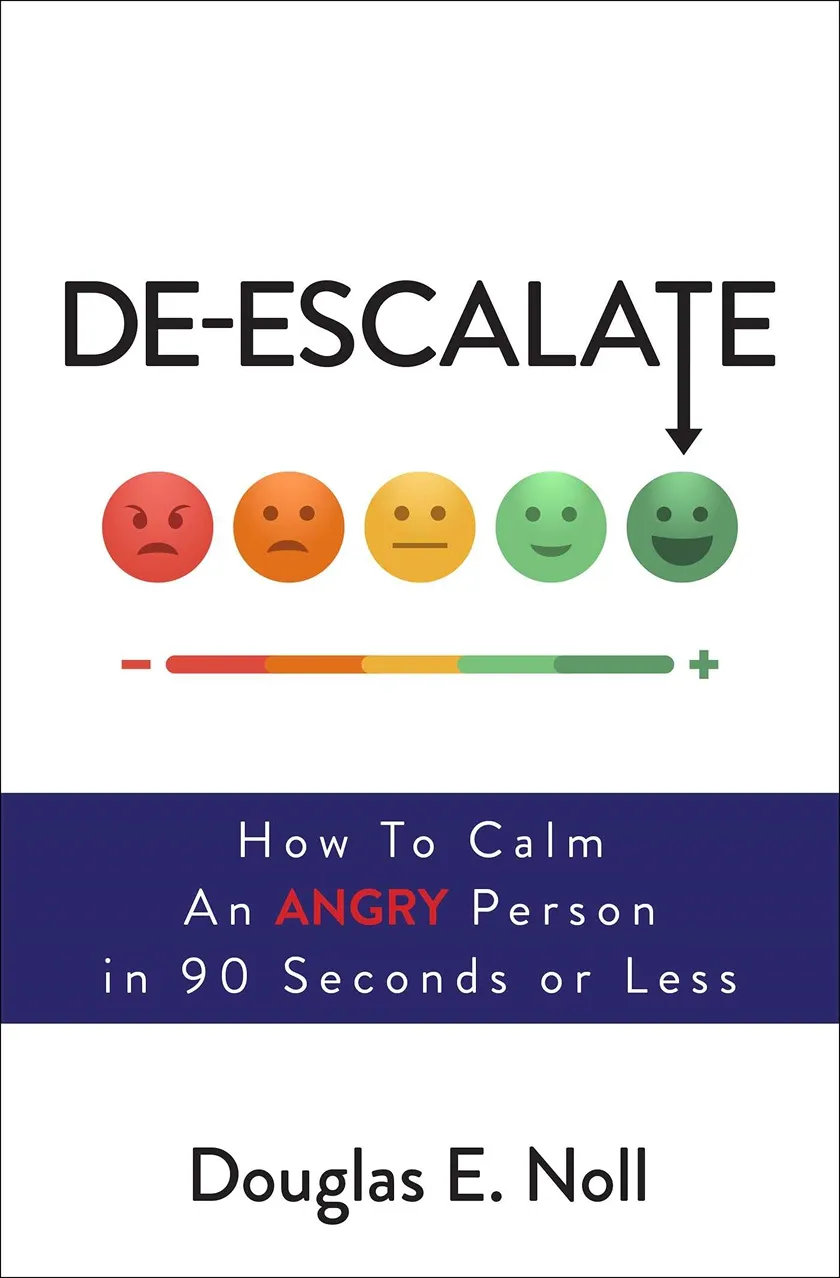
Doug has authored several books on affect labeling and emotional competency, including De-Escalate: How to Calm an Angry Person in 90 Seconds or Less, which won multiple awards and has been adopted by organizations worldwide.