The Manager Who Lost the Room the Second Someone Got Emotional
%201.avif)

The Tuesday pipeline review was routine until it wasn't. A rep who had missed quota three months running was asked, in front of eight peers, to explain the gap. He tried. His voice caught halfway through the second sentence.
The manager did the thing he always did when a number came in soft. He moved faster. "Okay, let's talk about what we can control going forward." The rep nodded, said nothing else for the rest of the meeting, and neither did anyone else.
The meeting ended on schedule. Nobody raised another number for the rest of the session. Two more reps who had softer pipelines than they had reported sat quietly through the remaining forty minutes without saying a word about it.
The manager thought the meeting had gone fine. His VP, sitting in the back, did not.
What the room actually learned in that moment
The room did not learn that missing quota gets you rushed past. The room learned something more specific and more expensive: that any visible emotion in this meeting gets steamrolled rather than addressed, and that the safest response to a hard number is silence.
When a person's distress is met with speed instead of acknowledgment, the amygdala registers the moment as unsafe, not resolved. Everyone else in the room, watching it happen to a colleague, runs the same threat calculation in their own nervous system without having to experience the moment directly. This is a documented feature of group dynamics under stress. One person's shutdown becomes the whole room's new operating rule within minutes.
The manager had not intended to punish emotion. He believed he was being efficient, protecting the rep from further embarrassment by moving the conversation along. What he had actually done was teach eight people that this meeting is not a place where a real number, attached to a real feeling, gets held.
Three weeks later, the manager's forecast accuracy, historically strong, dropped to the worst quarter of his tenure. Reps were bringing him the defensible number, not the true one.
How much is one unresolved conflict really costing your company?
What his VP asked him to try
His VP did not run a workshop. She asked him to try one thing in the next pipeline review: when a number came in soft, before saying anything about the plan going forward, name what he saw. "You seem frustrated with where this landed." Then stop talking and let the rep respond.
He tried it the following Tuesday with a different rep who was clearly bracing for the same treatment. He said the sentence. The rep exhaled visibly, then said something true he had not planned to say: the account had gone cold because a champion had left, not because of anything the rep had failed to do.
That information would never have surfaced under the old pattern. The manager would have moved the meeting along before the rep found the sentence.
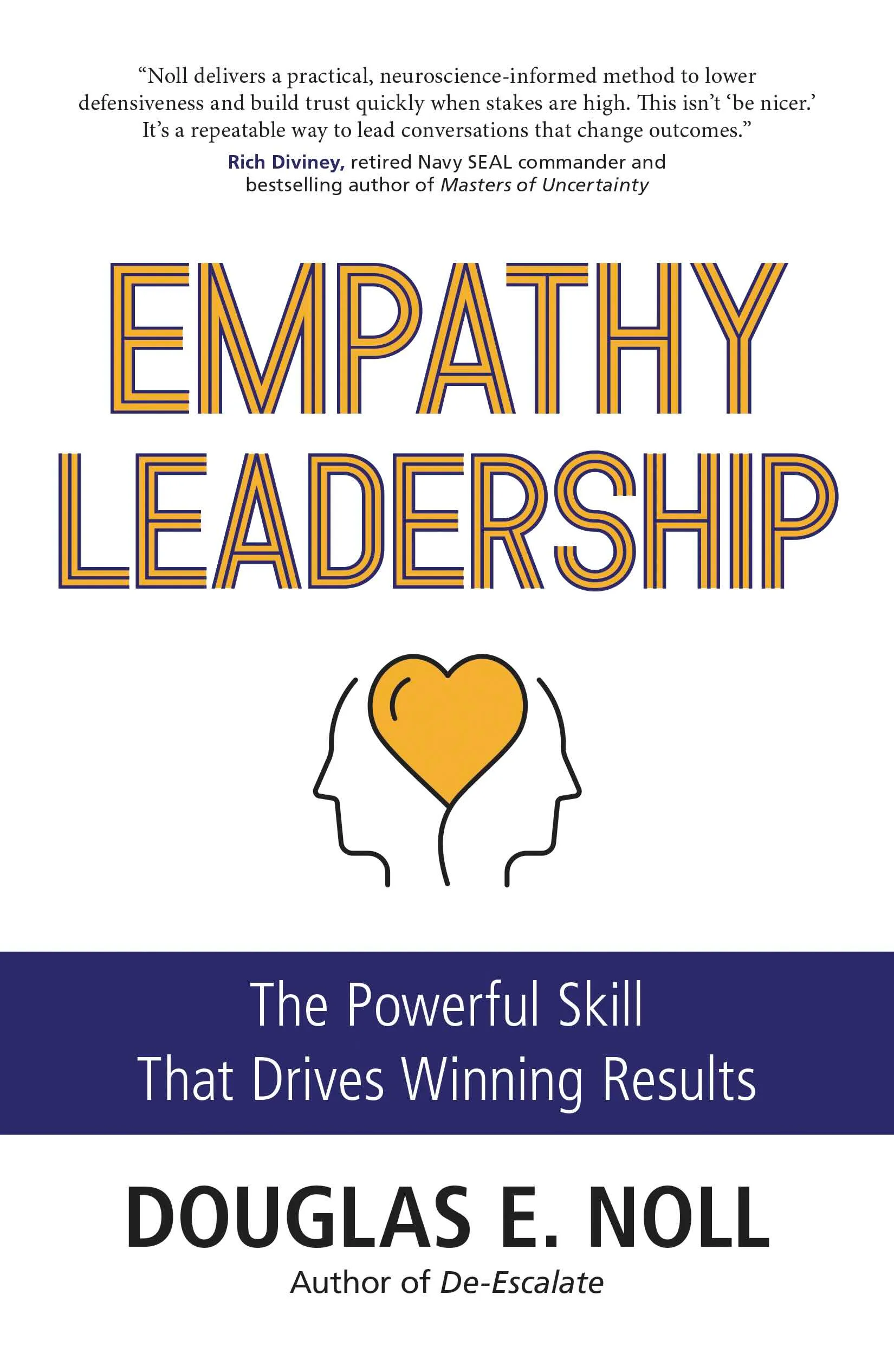
Doug Noll's new book Empathy Leadership: The Powerful Skill That Drives Winning Results lays out why naming what a room feels gets you a truer number than rushing past it ever will. See it here.
What the pipeline reviews look like now
Six months later, the manager's forecast accuracy had recovered and then improved past where it had started. Reps brought him soft numbers earlier, before they became crises, because the meeting had stopped punishing the person who brought bad news.
He still moves fast when a plan needs to move fast. He has just learned to name the room first. The two seconds it costs him at the top of a hard conversation buy back weeks he used to lose chasing numbers that were never real.
Emotional Competence Shapes Your Influence as a Leader
This 90-second emotional competence quiz will tell you how your emotions affect the way you are treated at work and how to gain the respect and influence you deserve as a leader.
Take the Free Assessment
Doug’s Books
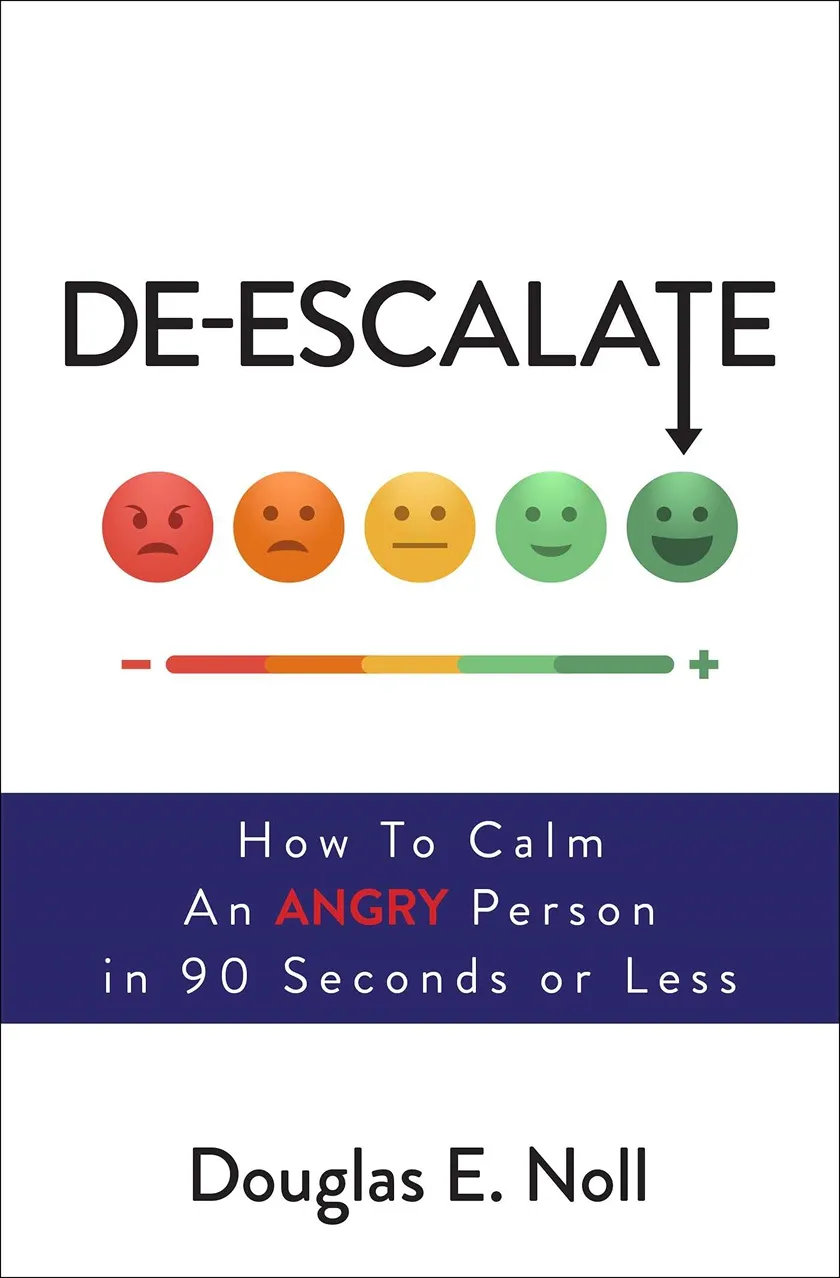
Doug has authored several books on affect labeling and emotional competency, including De-Escalate: How to Calm an Angry Person in 90 Seconds or Less, which won multiple awards and has been adopted by organizations worldwide.