The Real Price of a Manager Who Freezes When Someone Cries
%201.avif)

The question came from a COO after a difficult quarter-end review. "What does it actually cost us when one of my managers has no idea what to do the second someone starts crying in a meeting?" He asked it flatly, not defensively. It is a fair question and it deserves a real number, not a platitude about kindness.
The question is legitimate because most executives have watched the failure mode play out firsthand. A manager freezes. The meeting stalls. Someone changes the subject too fast. The employee leaves the room having learned that bringing anything raw to this manager gets it stopped, not handled.
Where the question comes from
Underneath the question is a real operating concern, not squeamishness about feelings. A manager who freezes when someone cries has, in that moment, lost the room. The conversation that was supposed to surface a real problem, a burnout risk, a conflict with a colleague, a signal that a project is failing, gets abandoned instead of finished.
The COO was not worried about the tears. He was worried about the information that stopped arriving the moment his manager went silent. He had already noticed a pattern: that manager's team brought him fewer hard conversations than any other team in the building, and had for over a year.
He pulled the last four exit interviews from that team before the meeting. Two of them contained some version of the same sentence. "I never felt like I could bring anything real to him." Neither departing employee had mentioned crying specifically. Both had described the same shutdown.
That pattern has a cost, and it compounds. Employees do not stop having hard moments because a manager cannot hold them. They stop bringing the hard moments to that manager. The information moves elsewhere, usually nowhere, until it surfaces later as a resignation or a missed deadline nobody saw coming.
How much is one unresolved conflict really costing your company?
The honest answer
The honest answer is that a frozen manager is not costing the company comfort. He is costing the company the second half of every hard conversation his team has ever tried to start.
A manager whose nervous system locks up at the first sign of visible emotion cannot ask the next question, the one that actually resolves anything. He waits it out or he changes the subject. Either way, the underlying issue, the workload, the conflict, the resentment, remains exactly where it was, except now the employee has also learned this manager is not a safe place to bring it a second time.
The fix is not teaching the manager to be more comfortable with feelings in the abstract. It is teaching him one concrete move: naming what he sees, out loud, in a flat sentence, before doing anything else. "You're upset about this." That single sentence, delivered without panic, keeps the conversation alive long enough to reach the actual problem underneath it. Naming an emotion accurately has been shown to lower activity in the amygdala within seconds, which is why the sentence works. It is a trained skill, not a personality trait, which is the part most executives do not expect to hear.
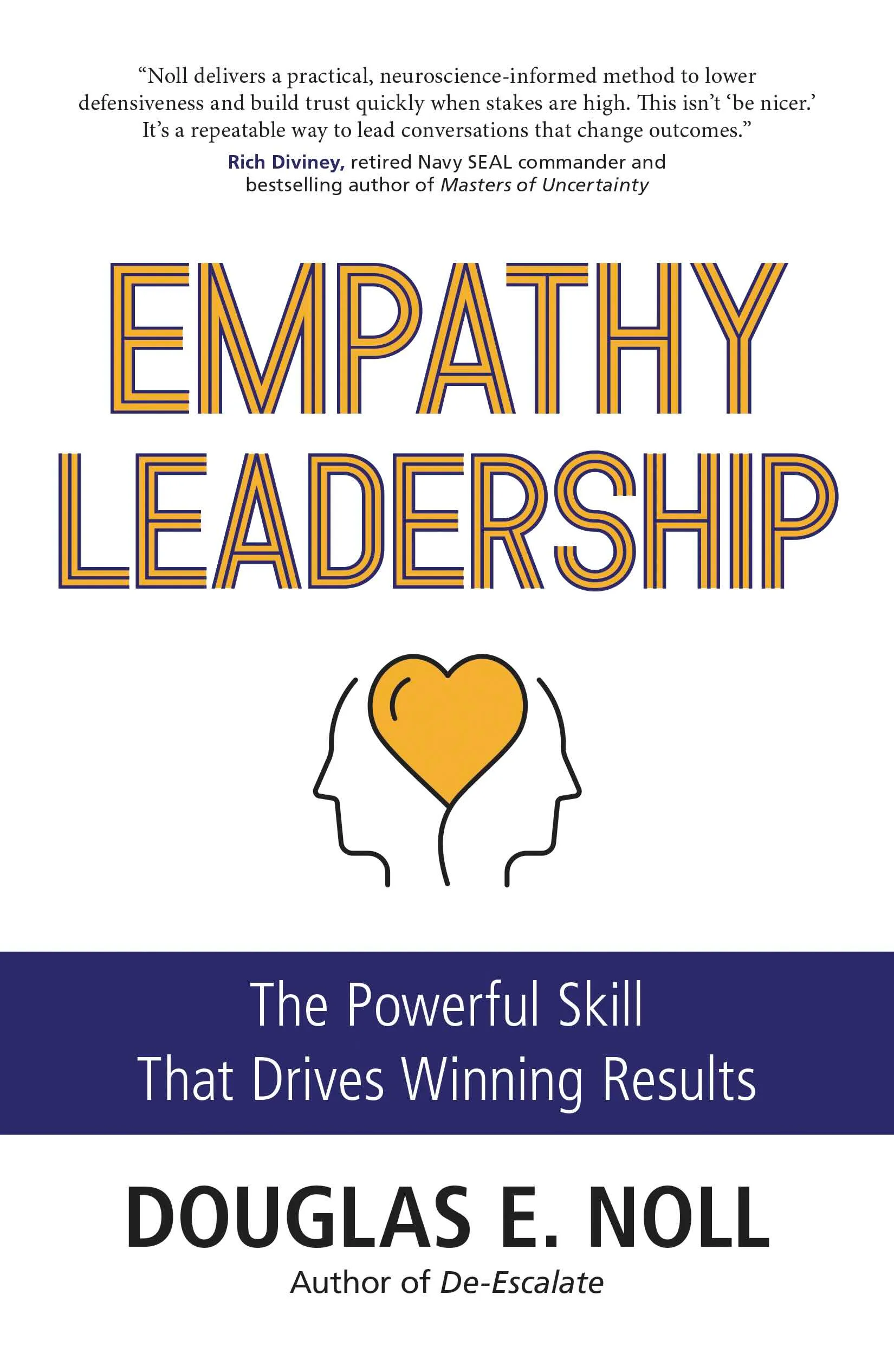
Doug Noll's new book Empathy Leadership: The Powerful Skill That Drives Winning Results lays out the exact sentence structure a manager uses in the moment he wants to freeze. See it here.
What to say when someone still pushes back
Some executives will still push back with a version of, "I don't have budget to train my managers to handle crying." The answer that lands is direct. "You are already paying for this. Every time your manager loses the room in that moment, you lose the information the meeting was supposed to produce. The only question is whether you keep paying for it silently or fix the specific ninety seconds where it breaks."
If the pushback continues, the sharper version works. "Name one hard conversation your team avoided having with him in the last six months." Most executives can name one within seconds. That is usually the end of the objection, because the cost stops being theoretical the moment it has a name attached to it.
Emotional Competence Shapes Your Influence as a Leader
This 90-second emotional competence quiz will tell you how your emotions affect the way you are treated at work and how to gain the respect and influence you deserve as a leader.
Take the Free Assessment
Doug’s Books
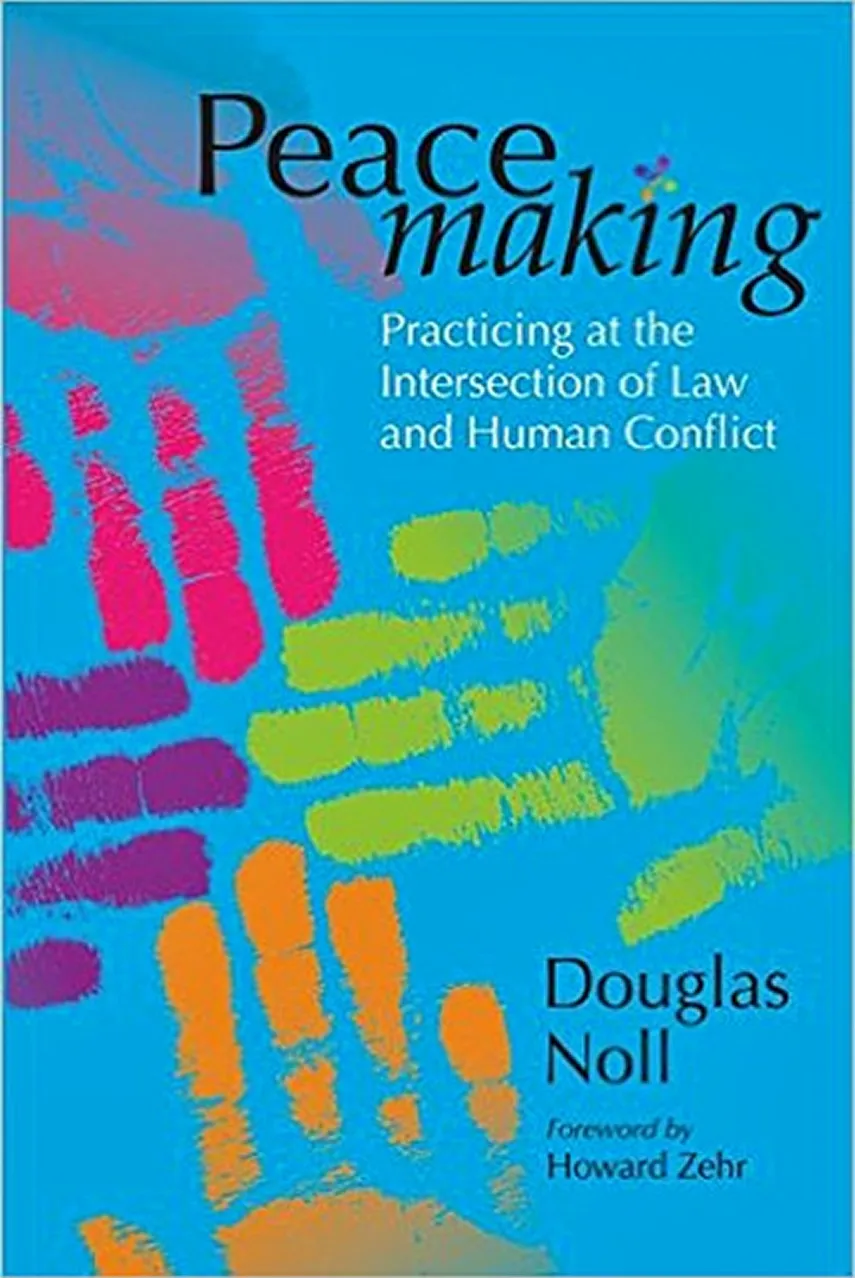
Doug has authored several books on affect labeling and emotional competency, including De-Escalate: How to Calm an Angry Person in 90 Seconds or Less, which won multiple awards and has been adopted by organizations worldwide.