The Family That Ran 300 Million Dollars and Couldn't Have Dinner Together
%201.avif)

The family office managed just over three hundred million dollars across four asset classes with a governance structure a consultant had described, without irony, as best in class.
Quarterly investment committee. Documented allocation policy. An independent chair. Annual review of every external manager.
They had not all been in the same room outside a scheduled meeting in six years.
Christmas that year was at the eldest daughter's house. Fourteen people. The patriarch, now seventy-nine, three adult children, two spouses, six grandchildren, and one brother-in-law who had been at every family Christmas for thirty-one years and had never once been asked his opinion about anything.
Somewhere between the main course and dessert, the youngest son asked a question about the Denver property.
By the time the plates were cleared, two people had left the table, the eldest daughter was crying in the kitchen, and the patriarch had said a sentence about his late wife that three of his children would still be discussing with therapists two years later.
What was actually in the room
The Denver property was not the subject. The Denver property was the object that happened to be nearest to hand.
The subject was that the youngest son had been managing it for eleven years without a title, without a fee, and without any indication that it would ever be considered his. The subject was that the eldest daughter had assumed for two decades that she would run the office and had never been told otherwise or told so. The subject was that the middle child had left the family business at thirty-one and had been treated, gently and continuously, as someone who had failed rather than someone who had chosen.
None of that had ever been said in a room with all of them in it. All of it had been said in pairs, in cars, on phone calls, for twenty years.
A family office is very good at documenting what a family owns. It is structurally incapable of documenting what a family has not said.
Why the governance did not help
The investment committee had a written conflict resolution procedure. It had never been used.
It had never been used because the conflicts were not investment conflicts. They were identity conflicts wearing investment clothing. And the procedure, like every procedure, assumed that the parties would arrive at the table able to state what they wanted.
Nobody at that table could state what they wanted, because what they wanted was not on the agenda and had no line item. The youngest son did not want the Denver property. He wanted to be told that eleven years counted. There is no motion you can raise for that.
So it stayed out of the committee and went into the dinner, which is where it always goes.
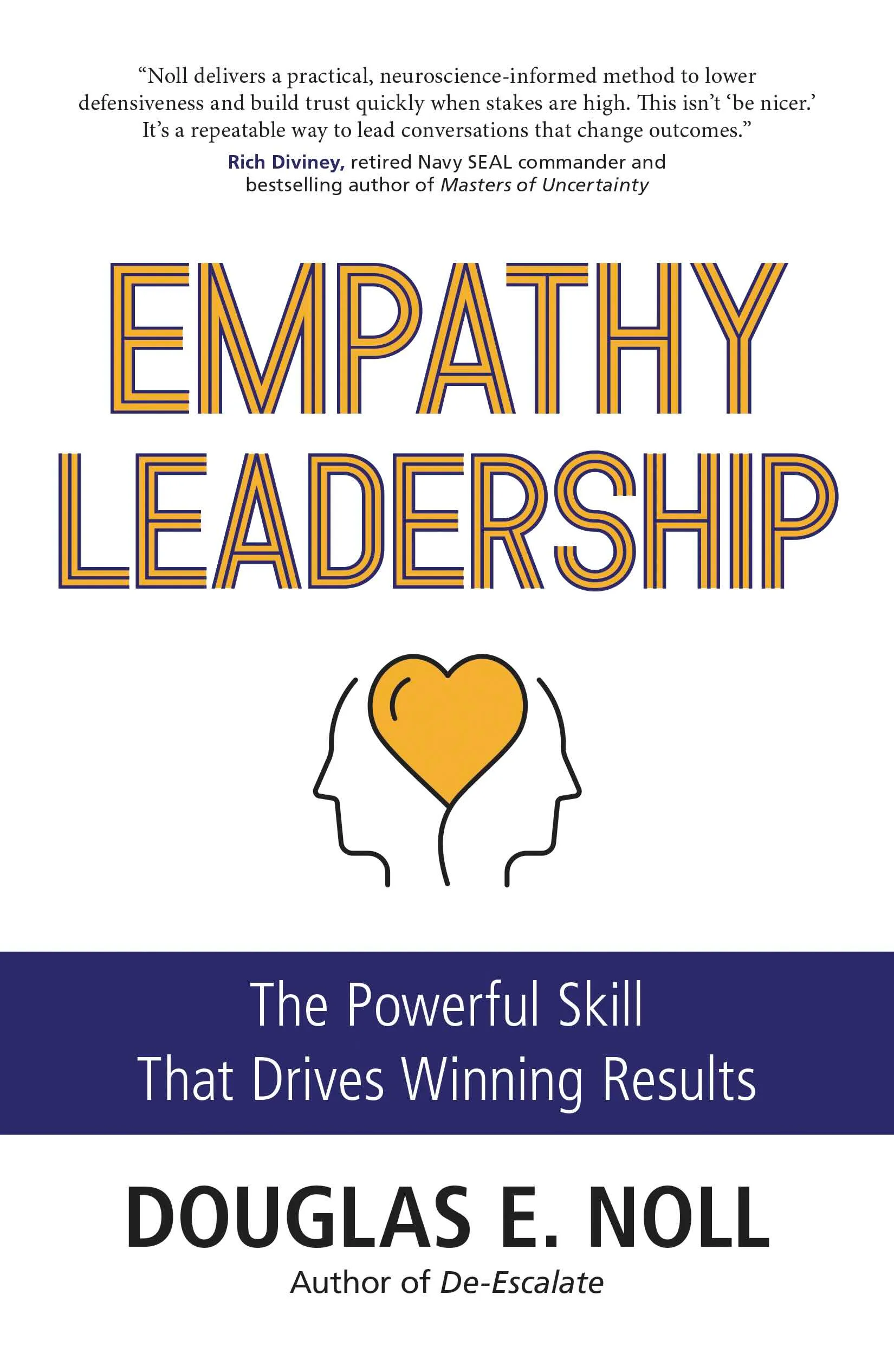
Doug Noll's new book Empathy Leadership: The Powerful Skill That Drives Winning Results covers how families surface what governance documents cannot hold. Pre-order it on Books-A-Million.
What the intervention was not
They did not hire another consultant. They did not redraft the constitution. The office did not change a single line of its allocation policy.
What they did was book two days, off site, with a facilitator whose entire brief was that no investment decision would be made in the room.
The first morning produced almost nothing. That is normal and the facilitator had told them to expect it.
The turn came just before lunch on day one, when the facilitator asked the patriarch a question that had nothing to do with money. "What did you think would happen to the four of you after you were gone?"
He said, "I thought you would be closer than this."
Nobody spoke for a long time. Then the eldest daughter said the first true thing anyone had said in that room in a decade, which was, "We are not close because you never let us disagree with you."
He did not defend it. He said, "That is probably right."
That exchange, roughly nine seconds long, did more structural work than six years of quarterly committees.
The mechanism underneath
What the facilitator did, repeatedly, over two days, was name the emotion in the room before letting anyone address the content.
Not therapy. Not processing. One accurate sentence at the moment the temperature rose, every time. "You are angry that this is only being discussed now." "You are frightened that saying this out loud makes it permanent."
Each naming dropped the room a few degrees, and each drop bought four or five minutes of actual reasoning before it climbed again.
Across two days that produced maybe ninety minutes of genuine conversation. Ninety minutes was enough.
For related reads, see Conflict Resolution Before Lawsuits and The Silence Penalty.
What to take from it
If your family enterprise has excellent governance and cannot have an unstructured dinner, the governance is not working. It is containing.
The unspoken emotional ledger always sets the ceiling on what the financial one can achieve. You can defer the conversation for twenty years. You cannot avoid it, and the venue you get by default is a holiday table with the grandchildren present.
If your family has structure that works and conversations that do not, book a no-obligation Zoom call with Doug Noll.
Emotional Competence Shapes Your Influence as a Leader
This 90-second emotional competence quiz will tell you how your emotions affect the way you are treated at work and how to gain the respect and influence you deserve as a leader.
Take the Free Assessment
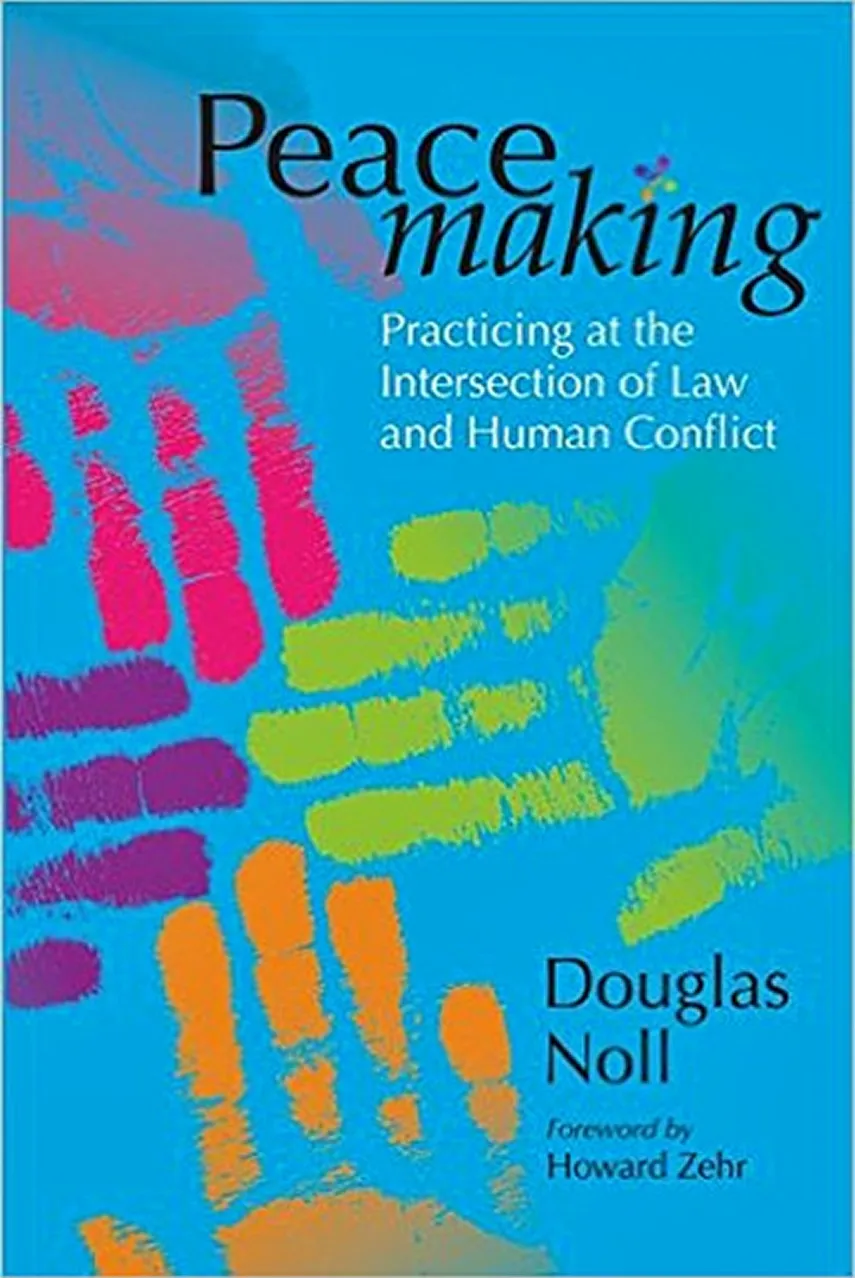
Doug’s Books
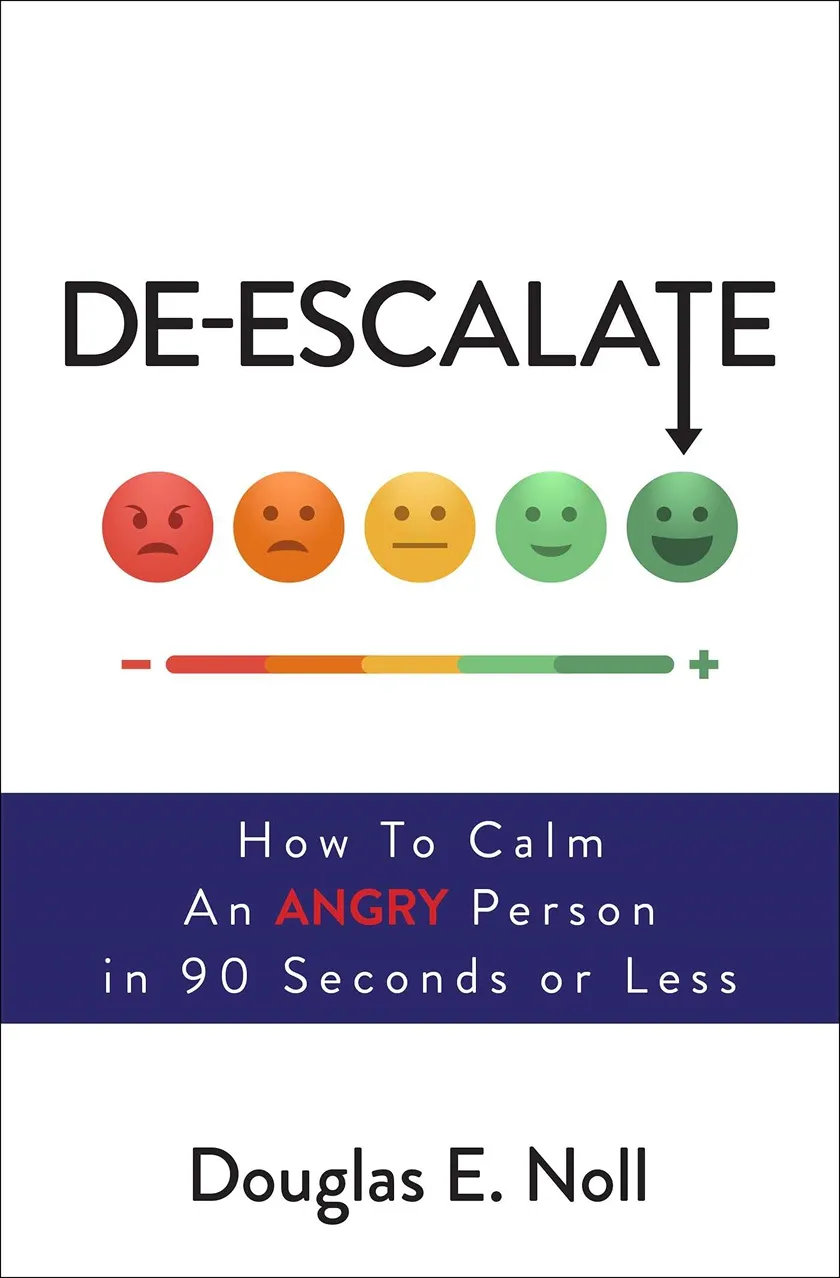
Doug has authored several books on affect labeling and emotional competency, including De-Escalate: How to Calm an Angry Person in 90 Seconds or Less, which won multiple awards and has been adopted by organizations worldwide.