Why Directors Stopped Reading the Board Packet
%201.avif)

Attendance was perfect.
Nine directors, four meetings a year, and in three years there had been two absences, both for medical reasons. On any governance scorecard the board looked exemplary.
The company secretary, who had been in the role for eleven years and had a better read on the board than anyone including the chair, could have told you the actual number.
Roughly three of the nine read the pack.
How she knew
The pack went out five days before each meeting through a portal that logged access.
Two directors opened it consistently, within a day, and spent real time in it. One opened it the night before and spent ninety minutes. Three opened it in the hour before the meeting on the day, which is enough to skim the summary. Two opened it during the meeting. One had not opened a pack in fourteen months.
She had never shown that data to anyone. It had not occurred to her that anyone would want it, and she was reasonably sure it would be unwelcome.
What an unread pack does to a meeting
It converts a review into a presentation.
If three people have read the material and six have not, the meeting has to cover the content before it can discuss it, which consumes most of the available time. The discussion that remains is shallow by necessity, because six people are forming a view in real time on material they are seeing for the first time.
The people who did read it learn quickly that their preparation confers no advantage, because the meeting will restate everything anyway. So they stop preparing, which is how a board goes from three readers to one over about two years.
And executives learn that the pack does not need to be good. It needs to be presentable. Over time the pack becomes a deck, which contains less, which makes reading it less valuable, which accelerates the whole thing.
Why they stopped
The chair, when he eventually looked at this, expected the answer to be time. Directors are busy, packs are long, most of it is not decision-relevant.
That was part of it. It was not the main part.
The main part was that reading the pack had stopped mattering.
Three specific things had taught them this. Twice in two years, a director had raised a substantive point from the pack and the CEO had answered it in a way that indicated the point had already been resolved elsewhere. Once, a decision that had been fully documented in the pack was presented at the meeting having already been executed. And the meeting structure allocated eighty percent of the time to presentation, which signalled unambiguously that pre-reading was not assumed.
Directors are rational. They had correctly identified that preparation had no effect on outcomes and had reallocated the time.
What the chair changed
Three things, over two meetings.
He stopped allowing presentation of anything in the pack. Every agenda item opens with questions. If nobody has questions, the item is approved and the meeting moves on. The first meeting under this rule was uncomfortable and ran ninety minutes short.
He started asking a named director to open each substantive item with their read. Assigned in advance, rotating. It takes three minutes and it makes preparation visible.
He asked the company secretary for the access data and shared it with the board, unattributed, as a single chart. This was aggressive and he was uncertain about it. It changed behaviour more than the other two combined.
Within three meetings, seven of nine were reading the pack properly.
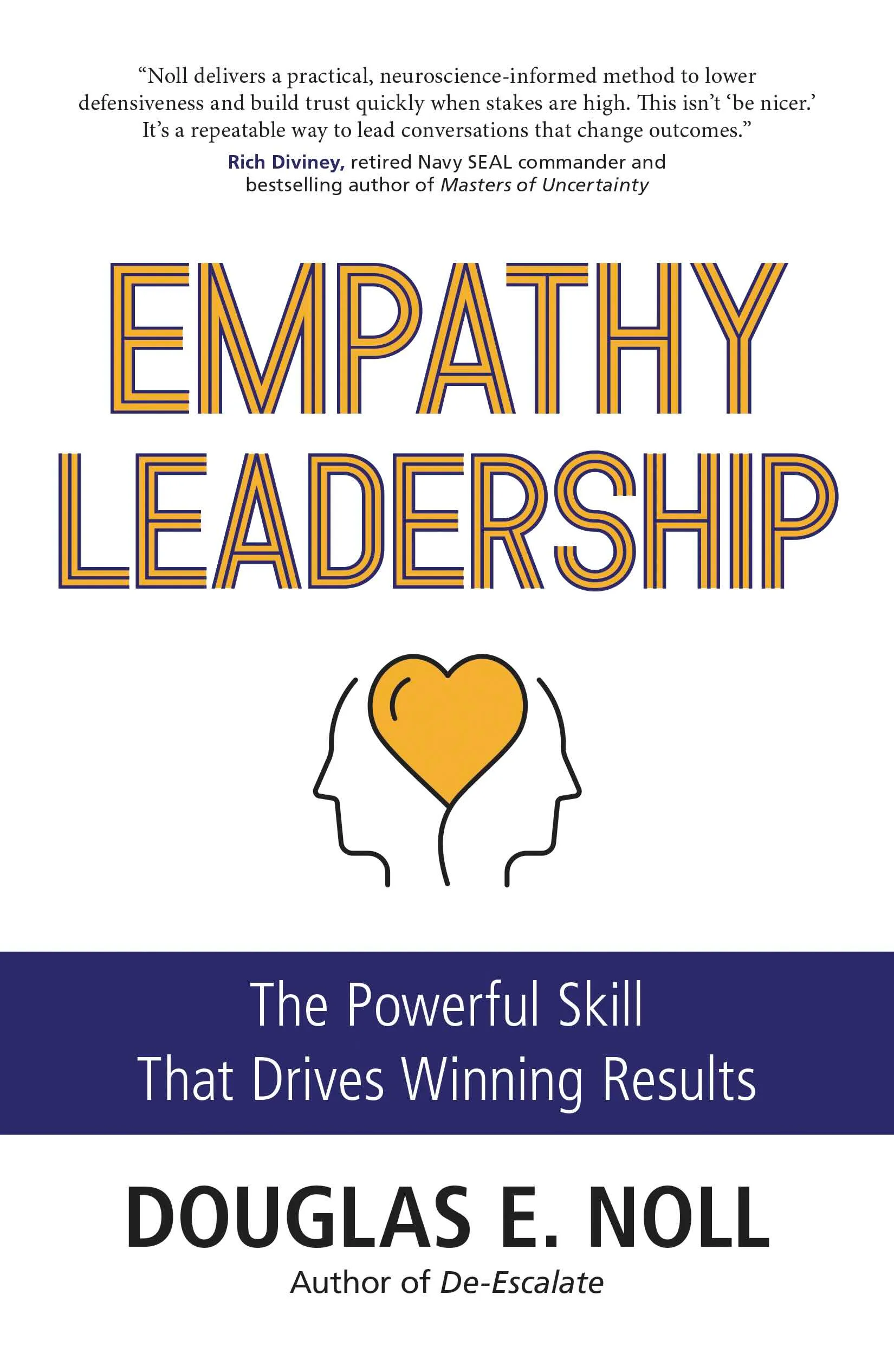
Doug Noll's new book Empathy Leadership: The Powerful Skill That Drives Winning Results covers building the conditions where preparation and candour are worth the effort. Pre-order it on Simon & Schuster.
The psychological safety dimension
There is a second thing under this that the access data does not show.
Reading a pack properly means arriving with a question, and arriving with a question means being willing to ask it. In a board where questions are absorbed rather than engaged, preparation carries a cost with no return, and the cost is not time. It is the mild social exposure of having been the person who raised something.
The two directors who consistently read the pack were the two longest-serving, who had enough standing to absorb that cost. The newest three were among the non-readers.
That distribution is not a coincidence and it should be the first thing a chair looks at.
The diagnostic
Ask your company secretary for the portal data. It exists and nobody has asked for it.
Then look at who reads and who does not, against tenure and against how their questions have been received in the last four meetings.
You will usually find that the non-readers are the people whose questions have gone nowhere.
For related reads, see Meeting ROI and Circular Arguments and Meeting Facilitation Without Force.
If your board attends reliably and engages shallowly, book a no-obligation Zoom call with Doug Noll.
Emotional Competence Shapes Your Influence as a Leader
This 90-second emotional competence quiz will tell you how your emotions affect the way you are treated at work and how to gain the respect and influence you deserve as a leader.
Take the Free Assessment
Doug’s Books
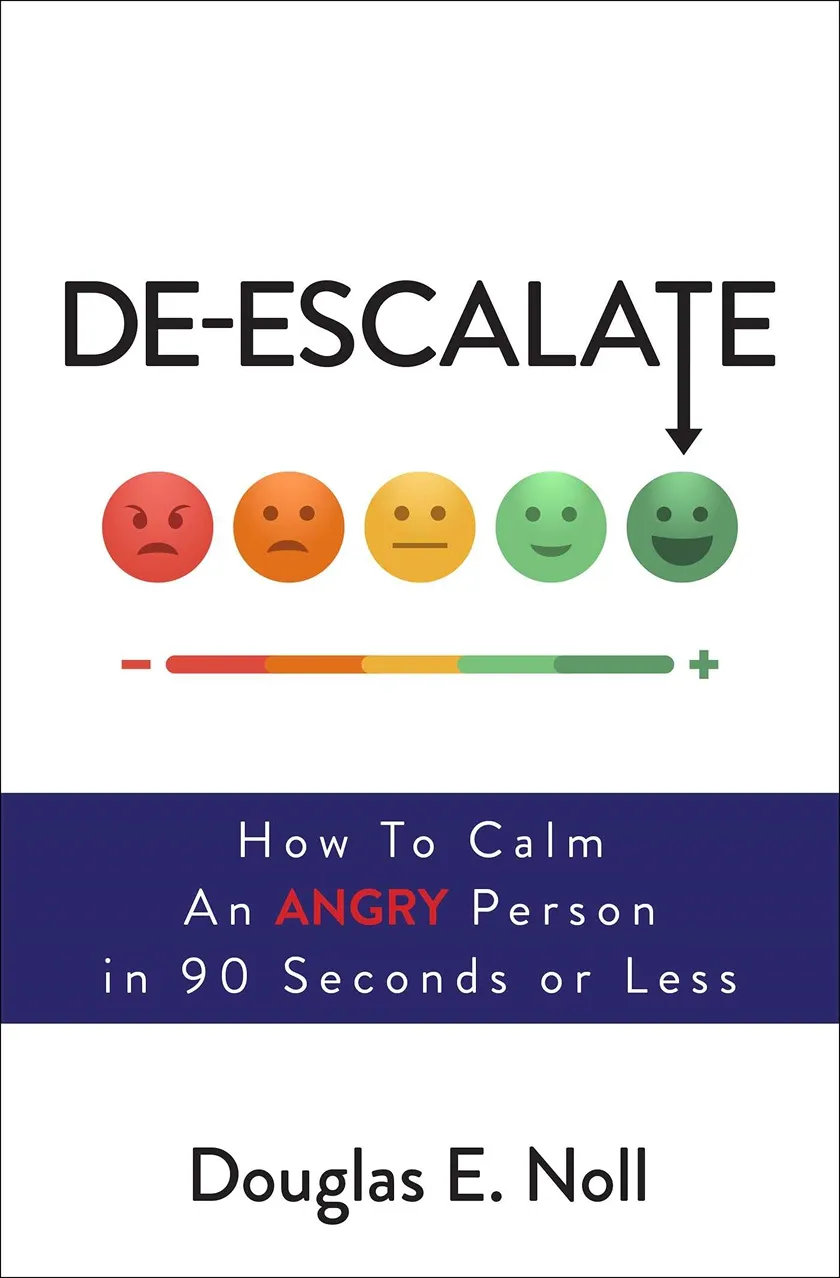
Doug has authored several books on affect labeling and emotional competency, including De-Escalate: How to Calm an Angry Person in 90 Seconds or Less, which won multiple awards and has been adopted by organizations worldwide.