Decision Paralysis-The Daily Cost of “Let Me Think About It”
%201.avif)

You hear it in client calls.
You hear it in leadership meetings.
You hear it in your own head.
“Let me think about it.”
If your average deal size is $120,000 and 30 percent of prospects delay for two weeks, your pipeline stalls.
If 40 percent of delayed deals die, and you had 50 qualified opportunities, that is 6 lost contracts.
Six multiplied by $120,000 equals $720,000.
That is the Delay Tax.
And it compounds daily.
This is not about careful strategy.
It is about threat.
The diagnosis
You believe indecision is analytical rigor.
You believe waiting improves clarity.
You believe more data reduces risk.
Under emotional activation, the opposite happens.
The moment someone anticipates loss, criticism, or exposure, the amygdala activates. Cortisol rises. The prefrontal cortex, responsible for decisive reasoning, loses efficiency.
In that state, delay feels safe.
Delay is not caution.
Delay is avoidance.
Avoidance preserves short term comfort and destroys long term velocity.
The four paralysis triggers
1. The loss amplification effect
Every major decision contains perceived loss.
Budget loss.
Status loss.
Control loss.
When loss perception dominates, the amygdala signals threat.
Cortisol narrows focus to downside scenarios.
The brain overweights risk and underweights opportunity.
“Let me think about it” becomes a shield.
2. The public accountability fear
If a decision could fail visibly, identity feels at stake.
Public failure activates social threat circuitry.
People stall to avoid potential humiliation.
Stalled leadership slows entire teams.
If a 10 person team earning an average of $130,000 each waits one extra week on a strategic direction, that is roughly $25,000 in payroll spent in uncertainty.
Multiply that across multiple delays and the cost escalates.
3. The perfection illusion
You believe there is an optimal answer.
So you search.
And search.
And search.
Meanwhile, competitors act.
If time to market extends by 30 days on a projected $8 million launch, and monthly expected revenue is $667,000, that delay alone costs two thirds of a million.
Perfection bias is threat disguised as prudence.
4. The emotional overload loop
High stress environments elevate baseline cortisol.
In elevated cortisol states, cognitive flexibility declines.
More information increases overwhelm.
Overwhelm increases delay.
The loop feeds itself.
The neuroscience of indecision
The amygdala scans for potential harm.
When it detects uncertainty tied to identity, security, or reputation, it activates.
Activation increases cortisol.
Elevated cortisol reduces prefrontal cortex performance.
Reduced prefrontal performance impairs prioritization, trade off analysis, and decisive action.
The brain in threat mode seeks short term relief.
Delay provides relief.
But delay increases long term pressure.
The nervous system trades tomorrow’s revenue for today’s comfort.
The counterintuitive protocol
Do not push harder for a decision.
Regulate the threat.
When a client says, “Let me think about it,” do not counter with urgency tactics.
Say:
“You are concerned about making the wrong call.”
Pause.
If a leader hesitates in a meeting, say:
“You are weighing the downside heavily.”
Pause.
If your own mind stalls, label it:
“I am worried this could backfire.”
Labeling emotion reduces amygdala activation. Cortisol decreases. The prefrontal cortex regains influence.
Now ask one constraining question:
“What specific risk are we trying to avoid?”
Or:
“What information would materially change this decision?”
Force clarity.
Most delayed decisions lack defined risk.
They are undefined fear.
If emotional regulation shortens your average sales delay by 5 days across 20 major deals per year, and earlier close accelerates cash flow by $100,000 per deal, that is $2 million in improved liquidity timing.
Velocity matters.
Indecision is not intelligence.
It is unmanaged threat.
Regulate the nervous system.
Emotional Competence Shapes Your Influence as a Leader
This 90-second emotional competence quiz will tell you how your emotions affect the way you are treated at work and how to gain the respect and influence you deserve as a leader.
Take the Free Assessment
Doug’s Books
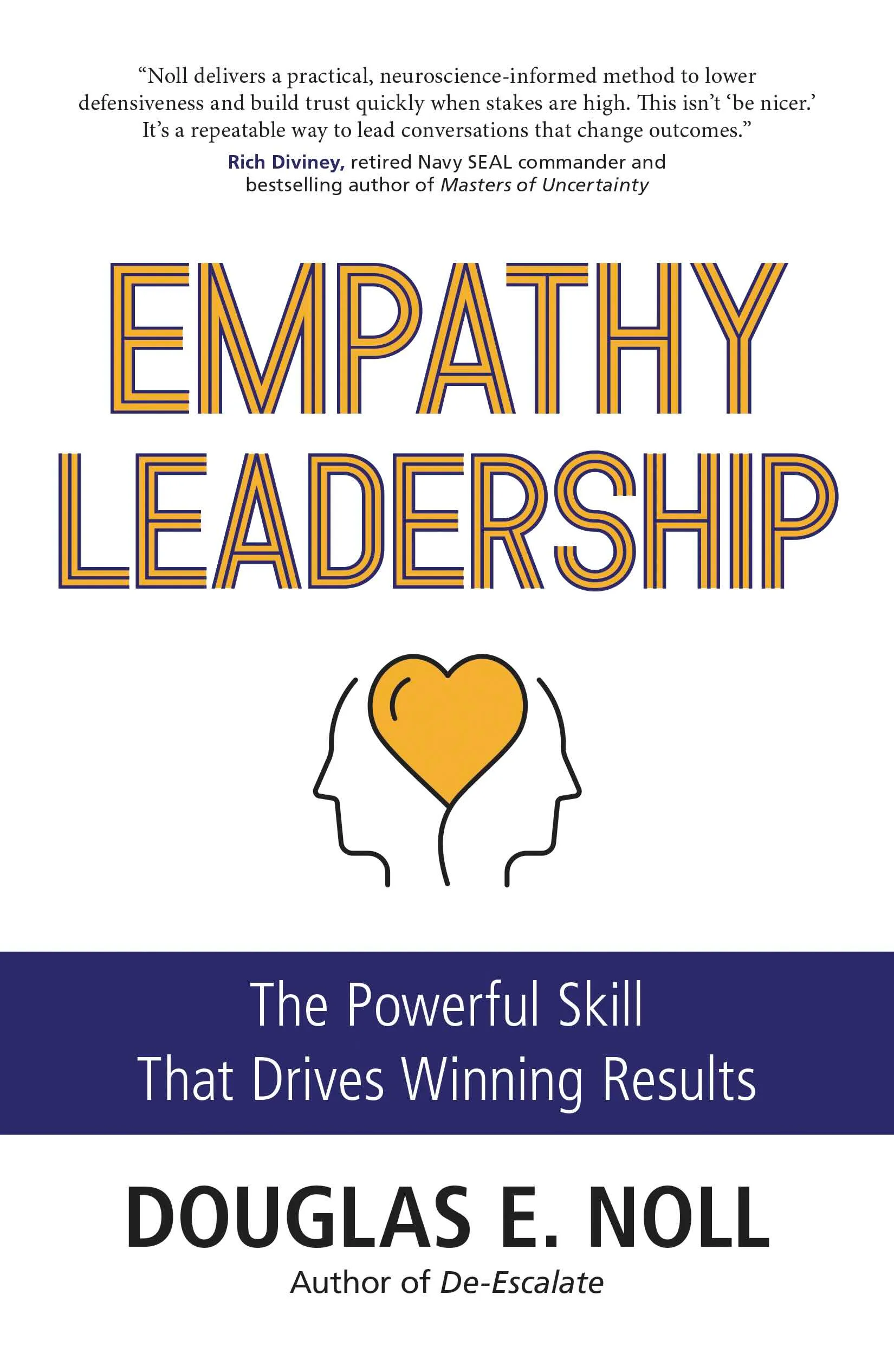
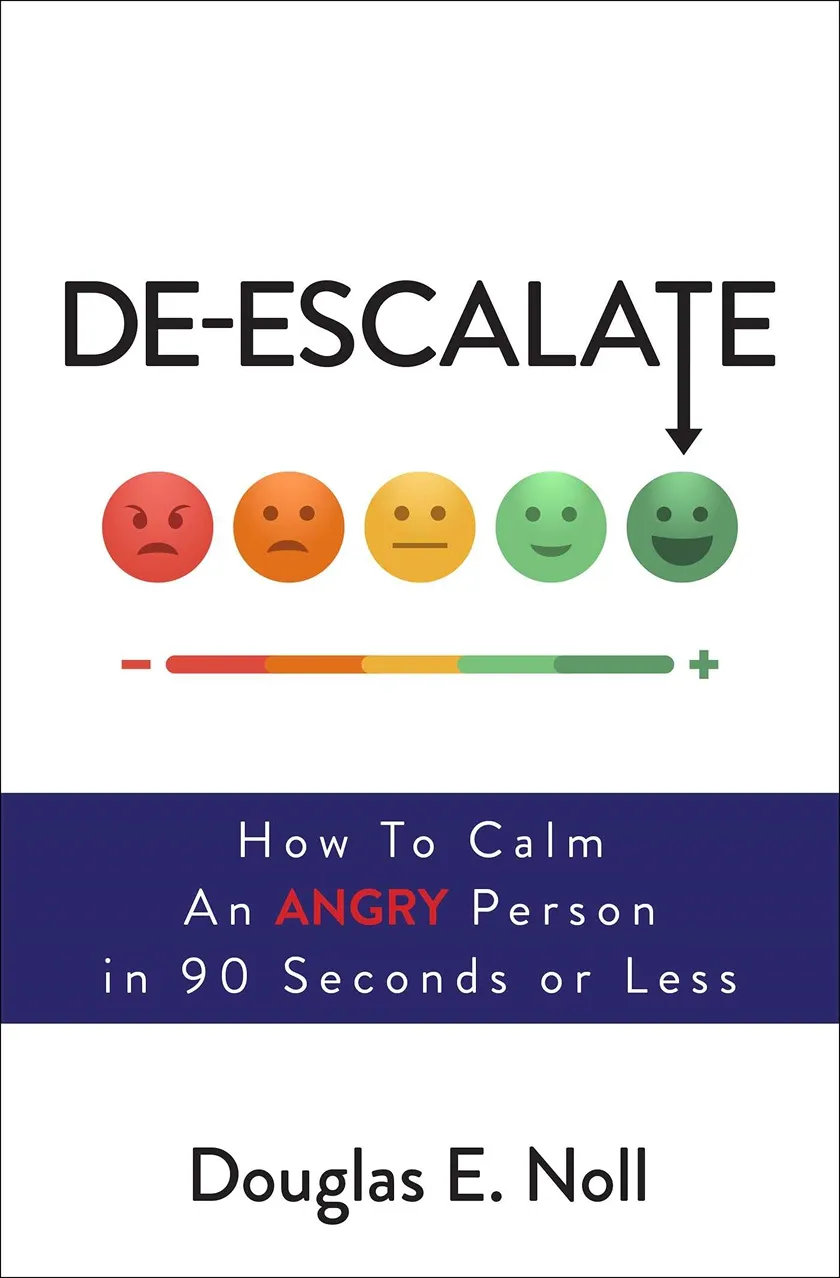
Doug has authored several books on affect labeling and emotional competency, including De-Escalate: How to Calm an Angry Person in 90 Seconds or Less, which won multiple awards and has been adopted by organizations worldwide.
More Blogs
View All