Velocity Is a Human Problem, Not a Process Problem
%201.avif)

Three companies. Three slowdowns. Three entirely different diagnoses.
The first was a founder-led software business that had gone from shipping fortnightly to shipping every six weeks. They concluded it was technical debt and spent two quarters on a platform remediation.
The second was a family enterprise where decisions that used to take a week were taking six. They concluded it was governance and engaged a consultancy to redesign the committee structure.
The third was a PE-backed services business where cross-functional projects had roughly doubled in duration. They concluded it was org design and ran a restructure.
All three interventions were competently executed. All three failed to restore velocity. In all three cases the actual cause was the same and nobody had looked for it.
What they had in common
In each company, two senior people had stopped being able to talk to each other directly.
In the software business it was the CTO and the head of product, after a disagreement about a hiring decision eighteen months earlier that neither had raised again.
In the family enterprise it was two siblings, after a succession conversation in 2021 that had gone badly and been dropped.
In the services business it was the COO and the head of sales, after a compensation change that the COO had implemented without consulting him.
None of these were fights. In every case both parties would have described the relationship as fine. In every case they had simply stopped having unstructured conversations and started routing through process.
Why routing looks like a process problem
This is the part that makes it so consistently misdiagnosed.
When two senior people stop talking directly, the organisation compensates automatically. Someone starts scheduling a meeting where there used to be a hallway conversation. A document appears where there used to be a phone call. An approval step gets added because nobody wants to make a call that will need to be revisited.
None of that is designed. It accretes, over months, as a series of individually sensible adaptations.
Then someone looks at the workflow, sees eleven steps where there used to be four, and correctly identifies a process problem. The process problem is real. It is also a symptom, and removing the steps does not work, because the steps exist to route around a gap that is still there.
The software company removed four approval steps in their remediation. Within five months, three of them had reappeared under different names.
The diagnostic
Ask a question that has nothing to do with process.
"Which two people in this company should be talking directly and are not?"
Ask it to eight or ten people at different levels. You do not need to explain what you mean. Everybody in an organisation knows the answer to this question and almost nobody has been asked.
The answers converge fast. In each of the three companies, more than half the people asked named the same pair, unprompted, within thirty seconds.
That is not a subtle signal. It is simply one that no standard diagnostic looks for.
Why velocity is a trust variable
Speed in an organisation is a function of how many decisions can be made by one person with a phone call.
Every decision that requires a meeting, a document, an alignment session, or a third party to broker it is slower by roughly an order of magnitude. Not because meetings are inefficient, though they are, but because the calendar is the binding constraint on everything.
Psychological safety between two specific senior people determines whether the phone call is available. When it is not available, everything they touch jointly moves at calendar speed instead of conversation speed.
Two people, eleven interfaces, calendar speed. That is a company that has slowed down for reasons no process map will show you.
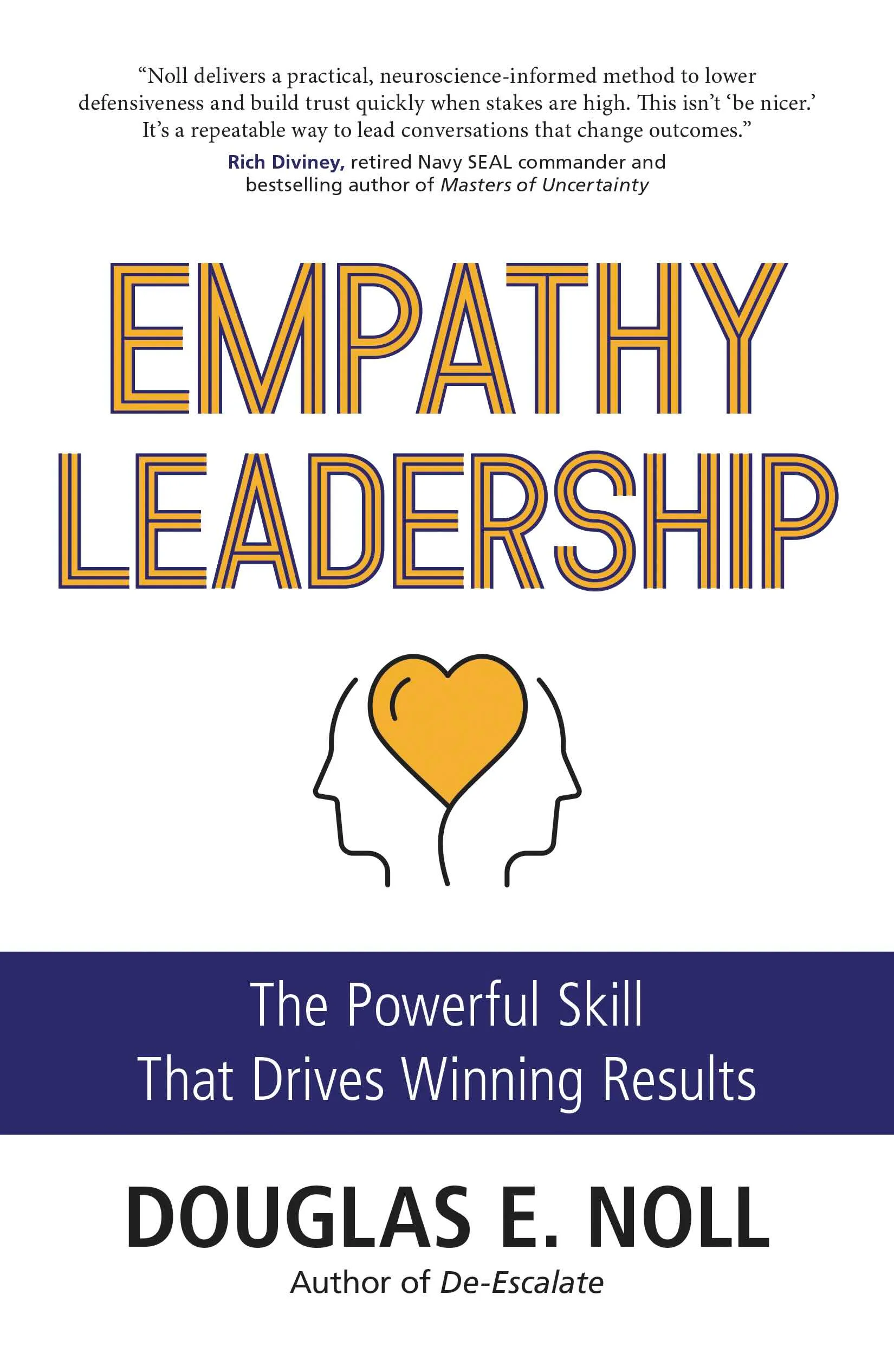
Doug Noll's new book Empathy Leadership: The Powerful Skill That Drives Winning Results covers finding and repairing the specific relationships that determine organisational speed. Pre-order it on Simon & Schuster.
What happened in the three companies
The software business surfaced it about a year after the platform work. One facilitated conversation between the CTO and the head of product. Shipping cadence returned to fortnightly within a quarter, with the platform work having contributed something but not the main thing.
The family enterprise never addressed it and has since separated the two siblings' operating responsibilities entirely, which works and is expensive.
The services business found it during a routine exercise a new CHRO ran in her first month. The conversation took ninety minutes. Project durations came back inside two quarters.
The order to run diagnostics in
Look for the broken relationship first. It takes a day and costs nothing.
Then look at process, org design, and governance, which take months and cost a great deal.
Most organisations run these in the opposite order, and the ones that do frequently fix the symptom well enough that the cause becomes permanent.
For related reads, see Speed vs Friction and Office Politics and Leadership Systems for People Problems.
If your company has slowed down and the process fixes have not worked, book a no-obligation Zoom call with Doug Noll.
Emotional Competence Shapes Your Influence as a Leader
This 90-second emotional competence quiz will tell you how your emotions affect the way you are treated at work and how to gain the respect and influence you deserve as a leader.
Take the Free Assessment
Doug’s Books
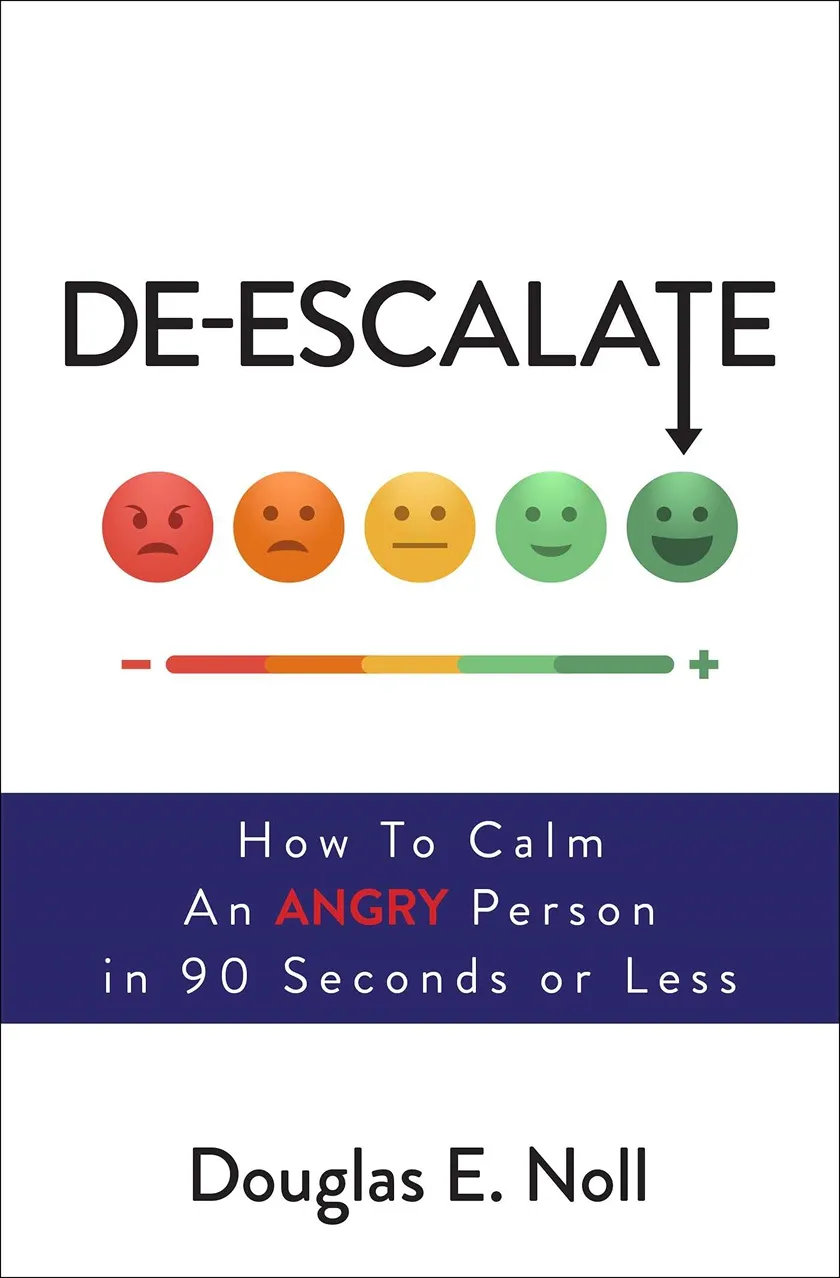
Doug has authored several books on affect labeling and emotional competency, including De-Escalate: How to Calm an Angry Person in 90 Seconds or Less, which won multiple awards and has been adopted by organizations worldwide.